




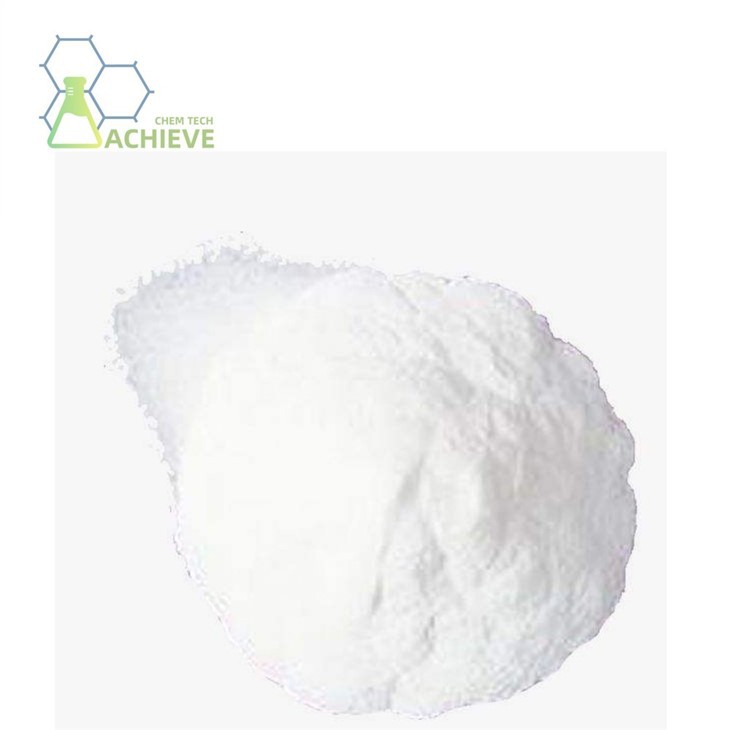

Shaanxi BLOOM Tech Co., Ltd. is one of the most experienced manufacturers and suppliers of uracil 1-β-d-arabinofuranoside cas 3083-77-0 in China. Welcome to wholesale bulk high quality uracil 1-β-d-arabinofuranoside cas 3083-77-0 for sale here from our factory. Good service and reasonable price are available.
Uracil 1-β-D-arabinofuranoside, also known as 1-β-D-Arabinofuranosyluracil or arabinosyluracil (ara-U), is a chemical compound with the molecular formula C9H12N2O6 and a molecular weight of 244.201 g/mol. It exists as a white or off-white crystalline powder and has a melting point range of 220-222°C.
This compound is a methoxyadenosine derivative isolated from the Caribbean sponge Tectitethya crypta. It has been shown to possess various biological activities, including anti-inflammatory properties, analgesic effects, and vasodilation characteristics. Specifically, it has been demonstrated to inhibit the proliferation of mouse lymphoma cells. For instance, it can reduce the proliferation of L5178Y mouse lymphoma cells at a concentration of 17 μM, inducing 50% cell proliferation inhibition in dose-response experiments.
In terms of solubility, it is soluble in DMSO, with a solubility of 55 mg/mL (225.23 mM). For storage, it is recommended to keep the powder at -20°C for up to 3 years or in a solvent at -80°C for up to 1 year. When dissolving the compound, it is advisable to use fresh DMSO and avoid repeated freeze-thaw cycles to prevent product degradation.
|
|
|


|
Chemical Formula |
C9H12N2O6 |
|
Exact Mass |
244.07 |
|
Molecular Weight |
244.20 |
|
m/z |
244.07 (100.0%), 245.07 (9.7%), 246.07 (1.2%) |
|
Elemental Analysis |
C, 44.27; H, 4.95; N, 11.47; O, 39.31 |


1. The core role of antiviral drug development
Ara-U, as a nucleoside analogue, has an arabinofuranosyl group substituting for the ribose or deoxyribose in the natural nucleoside. This difference endows it with a unique antiviral mechanism. In HIV research, Ara-U can competitively inhibit the reverse transcriptase activity, blocking the process of viral RNA converting to DNA. Experimental data show that at a concentration of 10 μM, Ara-U can inhibit the reverse transcriptase activity of HIV-1 by 75%, and has a relatively small impact on the host cell DNA polymerase, demonstrating high selectivity. In influenza virus research, Ara-U has been proven to be able to incorporate into the viral RNA chain, causing chain termination or inducing lethal mutations. For example, in the H1N1 virus model, the viral replication volume in the Ara-U treatment group was reduced by more than 90% compared to the control group, and no drug-resistant strains were observed.
The antiviral application of Ara-U also extends to other RNA virus fields. In the research on hepatitis C virus (HCV), the combination of Ara-U with interferon can significantly increase the rate of sustained virological response. In the research on Ebola virus, Ara-U effectively blocks the spread of the virus within cells by inhibiting the activity of the viral polymerase. These studies provide a theoretical basis for the development of Ara-U as a broad-spectrum antiviral drug.
II. Tools Compounds for RNA Metabolism Research
The application of Uracil 1-β-D-arabinofuranoside in RNA metabolism research is mainly based on its characteristic that it can be mistakenly recognized by RNA polymerase and incorporated into the RNA chain. In RNA stability studies, the incorporation of Ara-U can alter the secondary structure of RNA, affecting its interaction with ribozymes or RNA-binding proteins. For example, in tRNA research, after Ara-U replaces the uracil at a specific position, the amino acid loading efficiency of tRNA significantly decreases, revealing the crucial influence of nucleotide composition on RNA function.
In the research on RNA processing mechanisms, Ara-U has provided a new tool for exploring the assembly of the spliceosome. By marking the incorporation sites of Ara-U, researchers can track the dynamic changes of the spliceosome in real time and discover that the incorporation of Ara-U can induce the shift of splice site selection, providing a new perspective for understanding RNA splicing regulation. Moreover, Ara-U also shows unique value in RNA interference (RNAi) research. Its incorporation into siRNA or miRNA can change its binding mode with Argonaute protein, affecting the assembly and function of the RNA-induced silencing complex (RISC).
III. Exploring the Potential in Cancer Treatment
The application of Ara-U in cancer treatment mainly involves two mechanisms: directly inhibiting the proliferation of tumor cells and enhancing chemotherapy sensitivity. In lymphoma research, Uracil 1-β-D-arabinofuranoside can inhibit RNA-mediated DNA polymerase activity and block the DNA repair pathway of tumor cells. Experimental results show that treatment with 17 μM Ara-U can induce 50% inhibition of proliferation in L5178Y mouse lymphoma cells, and the effect is concentration-dependent. Further mechanism studies indicate that Ara-U induces cell cycle arrest at the G1/S phase and activates the caspase-3-dependent apoptotic pathway, exerting an anti-tumor effect.
In terms of chemotherapy sensitization, the combination of Ara-U and cytarabine (Ara-C) can significantly enhance the therapeutic effect of leukemia treatment. Ara-U inhibits the activity of deaminase, reducing the metabolic inactivation of Ara-C, thereby increasing the intracellular drug concentration by 3-5 times. Preclinical studies have shown that the Ara-U/Ara-C combination regimen can extend the median survival time of acute myeloid leukemia (AML) mouse models by 40%, with no significant increase in toxic side effects. Additionally, Ara-U can also reverse the drug resistance of tumor cells to chemotherapy drugs by down-regulating the expression of multidrug resistance protein (MDR1).
IV. Representative substances of marine biological active components
Ara-U was initially isolated from the Caribbean sponge Tectitethya crypta. Its biosynthetic pathway involves the glycosylation reaction of uracil and arabinose. Sponges build a chemical defense system by producing secondary metabolites such as Ara-U to resist pathogen invasion and predator attacks. Studies have shown that the concentration of Ara-U in sponges can reach millimolar levels, and it has significant anti-inflammatory and analgesic activities. In a mouse inflammation model, Ara-U (10mg/kg) can inhibit 50% of the release of inflammatory factors, with an effect comparable to dexamethasone (1mg/kg), and no immunosuppressive side effects were observed.
The vasodilatory property of Ara-U has also attracted much attention. It can activate endothelial nitric oxide synthase (eNOS), promoting the release of nitric oxide (NO), resulting in relaxation of vascular smooth muscle. In isolated vascular ring experiments, Ara-U (1 μM) could induce a 60% dilation of the aortic ring, and this effect could be completely blocked by the NO synthesis inhibitor L-NAME. These findings provide a structural template for the development of new cardiovascular drugs.
V. Multifunctional Tools in Biochemical Research
The application of Ara-U in biochemical research extends to multiple technical aspects. As an RNA synthesis inhibitor, Ara-U is widely used in the study of synchronizing the cell cycle. By briefly treating the cells, G1/S phase arrest can be achieved, providing a time window for analyzing cell cycle regulatory proteins. In RNA labeling techniques, after Ara-U is coupled with biotin or fluorescent groups, it can be used as a nucleic acid probe to track RNA dynamic changes. For instance, Ara-U-biotin probes have been successfully used to visualize the transport path of viral RNA within cells.
Furthermore, Ara-U is also an important tool for studying the nucleoside metabolic pathway. It can inhibit the activity of uracil nucleoside kinase and interfere with the phosphorylation process of uracil nucleosides, thereby revealing the regulatory mechanism of the nucleoside metabolic network. In drug screening, Ara-U is used as a positive control to evaluate the activity and selectivity of new antiviral compounds. Its clear mechanism of action and quantifiable biological effects make it a standard reference in the development of antiviral drugs.

The manufacturing information of Uracil 1-β-D-arabinofuranoside (Arabino-Uracil, Ara-U) is as follows:
Chemical Structure and Properties
Ara-U is a nucleoside analogue, formed by the β-glycosidic bond connection between uracil (pyrimidine base) and arabinofuranose (pentose sugar). Its molecular formula is C₉H₁₂N₂O₆, with a molecular weight of 244.20 g/mol. It appears as white or off-white crystalline powder, with a melting point range of 220-222°C.
Synthesis Method
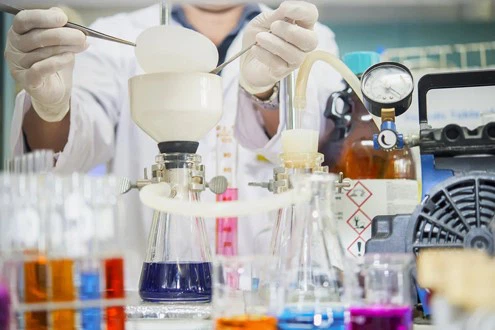
The synthesis of Ara-U typically involves the glycosylation reaction of uracil with arabinose. The specific steps may include:
Sugar donor activation
Convert arabinose into an active intermediate (such as halogenated sugar or trichloroacetimidate ester) to enhance its reactivity.

Coupling reaction
Under the action of a catalyst (such as acid or enzyme), the activated arabinose reacts with the nitrogen atom (N1 position) of uracil to form the β-configured product.

Purification
Separate and purify the target product through crystallization, chromatography, or recrystallization methods to ensure high purity (usually ≥ 98%).
Application fields
Antiviral research: Ara-U, due to its structural similarity to natural nucleotides, can be mistakenly recognized by viral polymerase and incorporated into the viral RNA chain, resulting in chain termination or accumulation of mutations, thereby inhibiting viral replication. For example, in the research of RNA viruses such as HIV and influenza viruses, Ara-U is used as a model compound or potential drug.
RNA metabolism research: Ara-U can be incorporated into RNA molecules, affecting their stability, processing, and interaction with proteins, providing tools for the study of the RNA virus life cycle or RNA interference mechanisms.
Marine biological active components: Ara-U is naturally present in marine sponges and other organisms, possibly participating in their chemical defense mechanisms. Relevant research helps in the development of new marine drugs.

Quality control
During the manufacturing process, reaction conditions (such as temperature, pH, and catalyst dosage) need to be strictly controlled to optimize yield and selectivity. The purified product should be confirmed by elemental analysis, mass spectrometry, nuclear magnetic resonance (NMR), etc., and its purity should be detected by high-performance liquid chromatography (HPLC) to ensure compliance with research or medicinal standards.
Safety and storage
Ara-U is stable under dry and light-protected conditions, but it should avoid contact with strong oxidants or acids and bases. The storage temperature is usually 2-8°C, and long-term storage is recommended at -20°C for freezing to prevent degradation.

FAQ
1. What is this?
Uracil 1-β-D-arabinofuranoside (arabinosyluracil) is a naturally occurring nucleoside analogue, mainly used in biochemical research and drug development.
2. What are the main purposes?
It is often used as a tool molecule in nucleotide metabolism research in scientific research, and has potential application value in the development of innovative drugs such as antiviral and anti-tumor drugs.
3. How to store?
It is recommended to store it in a sealed container, protected from light, and in a dry and low-temperature environment (such as at -20℃) to maintain its chemical stability.
4. What should be noted when using?
This product is a research-grade raw material. It should be handled by professionals in a laboratory setting and must not be used on humans, in clinical settings, or as a finished pharmaceutical preparation.
Hot Tags: uracil 1-β-d-arabinofuranoside cas 3083-77-0, suppliers, manufacturers, factory, wholesale, buy, price, bulk, for sale, Phenol red powder, 4 5 chloro 1 1 3 1 3 1 quaterphenyl 5 yl dibenzo b d furan, 5 1 1 Biphenyl 12 1 1 3 1 terphrnyl 5 yl 5 12 dihydroindolo 3 2 a carbazole, CAS 1762 84 1, 12H benzofuro 3 2 a carbazole, CAS 859745 06 5