




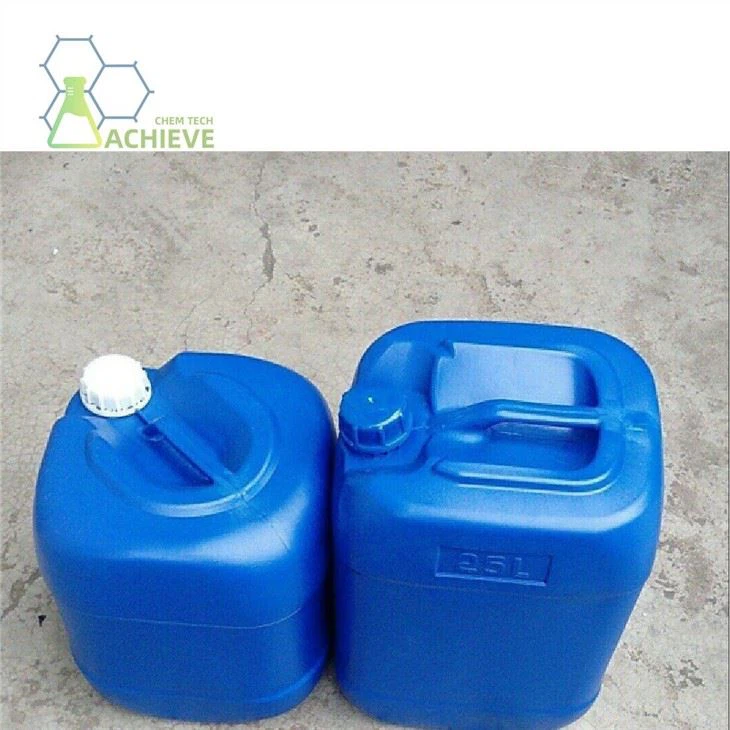
Shaanxi BLOOM Tech Co., Ltd. is one of the most experienced manufacturers and suppliers of dioctyl sebacate cas 122-62-3 in China. Welcome to wholesale bulk high quality dioctyl sebacate cas 122-62-3 for sale here from our factory. Good service and reasonable price are available.
Dioctyl sebacate, also known as di (2-ethylhexyl) sebacate, is a colorless or slightly yellow oily liquid, CAS 122-62-3, The molecular formula is C26H50O4. Insoluble in water, soluble in organic solvents such as hydrocarbons, alcohols, ketones, esters, chlorinated hydrocarbons, ethers, etc. It has good compatibility with resins such as polyvinyl chloride, nitrocellulose, ethyl cellulose, and chloroprene rubber, is flammable, and has relatively stable properties. Belonging to ester organic compounds, mainly used as low-temperature plasticizers. As an excellent cold resistant plasticizer for polyvinyl chloride, it has high plasticizing efficiency and low volatility.

|
Chemical Formula |
C26H50O4 |
|
Exact Mass |
426 |
|
Molecular Weight |
427 |
|
m/z |
426 (100.0%), 427 (28.1%), 428 (2.7%), 428 (1.1%) |
|
Elemental Analysis |
C, 73.19; H, 11.81; O, 15.00 |
|
|
|


Therefore, in addition to excellent low-temperature cold resistance, it also has good heat resistance and can be used at higher temperatures. This product has good weather resistance and excellent electrical insulation performance. It is often used in combination with phthalates and is particularly suitable for cold resistant wire and cable materials, artificial leather, films, boards, sheets, and other products. This product is non-toxic and can be used as a food packaging material. In addition to polyvinyl chloride products, it can also be used as a low-temperature plasticizer for various synthetic rubbers, as well as a cold resistant plasticizer for resins such as nitrocellulose, ethyl cellulose, polymethyl methacrylate, polystyrene, and vinyl chloride copolymers. Used as lubricating oil for jet engines.

Dioctyl sebacate (DOS) is a colorless to pale yellow transparent oily liquid with the molecular formula C ₂₆ H ₅₀ O ₄ and a molecular weight of 424.658. Its solidification point is as low as -48 ℃, boiling point is 256 ℃ (0.67kPa), flash point is 215 ℃, ignition point is 257-263 ℃, and it has excellent low-temperature fluidity and thermal stability. DOS is soluble in organic solvents such as hydrocarbons, alcohols, ketones, esters, and chlorinated hydrocarbons, but insoluble in water and diols. It has high plasticizing efficiency, low volatility, and combines cold resistance, heat resistance, light resistance, and electrical insulation, making it an important multifunctional additive in the plastic industry.

Plastic industry
Other Resins:
DOS can also be used for plasticizing resins such as nitrocellulose, ethylcellulose, and polymethyl methacrylate (PMMA). The addition of DOS in nitrocellulose coatings can enhance the flexibility and adhesion of the coating film; DOS can improve the processing flowability and impact resistance of PMMA products.
Pvc products:
DOS is an excellent cold resistant plasticizer for polyvinyl chloride (PVC), which can significantly improve the low-temperature flexibility and weather resistance of products. Specially suitable for the production of cold resistant wire and cable materials, artificial leather, films, boards, and sheets. When used in combination with phthalate plasticizers, it can improve the overall performance of PVC products and meet the requirements for use in low-temperature environments.

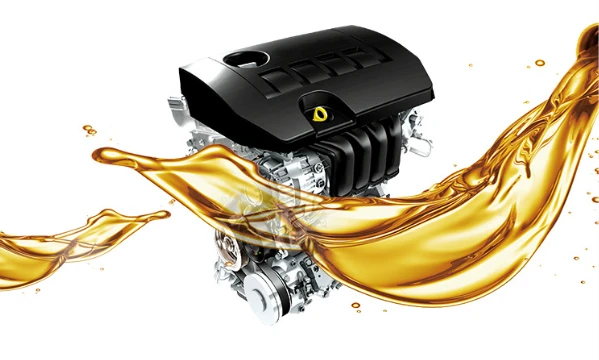
Lubricating oil and grease
Industrial lubricants
DOS can be used to prepare industrial lubricants such as compressor oil and gear oil. Its excellent cleanliness and antioxidant properties can extend the service life of equipment and reduce maintenance costs.
Jet engine oil
DOS, as the base oil of biomass based lubricants, has high temperature resistance, low temperature resistance, and biodegradability characteristics. Compared with traditional alpha olefin oil, DOS can improve the compatibility of rubber seals and the sensitivity of additives, enhancing the overall performance of engine oil.


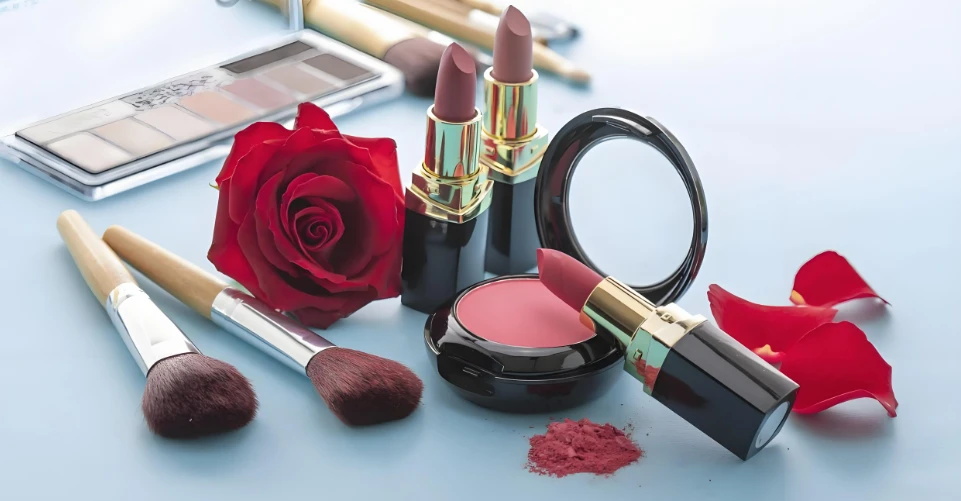
Cosmetics and Personal Care
Moisturizer:
DOS is used in lotion, face cream and other skin care products to provide silky texture and good moisturizing effect. Its low volatility and high stability ensure that the product maintains excellent performance over a long period of time.
Sunscreen:
DOS, as an oil component, can be used in sunscreen products to enhance skin texture and waterproofness. Its synergistic effect with UV absorbers can enhance sun protection and protect the skin from UV damage.

Medicine and Packaging
Excipients:
DOS is non-toxic and meets food and medical device safety standards. It can be used for the preparation of pharmaceutical excipients such as capsule shells and medical films. Its good flexibility and chemical stability can enhance the shelf life and safety of drugs.
Food packaging:
DOS can be used for plasticizing food packaging materials, and its non-toxic properties ensure food contact safety. The addition of DOS can enhance the flexibility and low temperature resistance of materials in products such as cling film and food containers.


Other uses
Chromatographic fixative:
DOS can be used as a gas chromatography stationary phase for the separation and analysis of alcohols, alkaloids, fatty acids, and halogenated compounds. Its good selectivity and stability can improve the accuracy and reliability of analysis results.
Textile oil agent:
DOS, as a compound ingredient, can be used in textile oils to enhance the smoothness and wear resistance of fibers. In the process of chemical fiber spinning, the addition of DOS can improve the electrostatic and processing properties of fibers.
Degradable plastic:
DOS, as a plasticizer, can be used in biobased biodegradable plastics. Its good compatibility and plasticizing effect can enhance the flexibility and processing performance of biodegradable plastics, promoting the development of environmentally friendly materials.
Dioctyl sebacate (DOS), as a multifunctional additive, has a wide range of applications in plastics, lubricants, cosmetics, pharmaceuticals, and other fields. Its excellent chemical properties and stable performance give it unique advantages in low-temperature plasticization, lubricating base oils, and environmentally friendly materials. With the continuous advancement of technology and the expansion of application fields, DOS will play an important role in more fields and promote the development of related industries.

Di-2-ethylhexyl sebacate should be inspected by the technical inspection department of the production unit. Each batch of di-2-ethylhexyl sebacate leaving the factory should meet the requirements of this standard and be accompanied by a quality certificate in a certain format.
The user unit has the right to inspect the received dioctyl sebacat according to the technical conditions, inspection rules, and inspection methods specified in this standard, and check whether it meets the requirements of this standard.
The weight of each batch of dioctyl sebacat shall not exceed 25 tons.
Samples shall be equally selected from 10% of the packaging drums in each batch, but for small batches, there shall be no less than 5 packaging drums. Samples shall be taken from the upper, middle, and lower parts at different depths, and the total amount of samples obtained shall not be less than 1 liter.
Carefully mix the collected samples and divide them evenly into two clean and dry brown glass bottles with stoppers. Label the bottles with the manufacturer's name, product name, batch number, grade, quantity, and sampling date. One bottle will be used for inspection, and the other bottle will be sealed for three months for future reference. The arbitration laboratory will be selected by mutual agreement.
If one of the indicators in the inspection results does not meet the requirements of this standard, a sample of dioctyl sebacat should be selected from twice the packaging for retesting. If only one item of the retest result does not meet the requirements of this standard, the entire batch of dioctyl sebacat should be downgraded or treated as a non-conforming product.
Unless otherwise specified, the reagents and solutions required for the determination of risk testing methods shall be prepared and applied in accordance with the corresponding unified testing method standards for plasticizers and the basic chemical reagent standards GB601-603-65.
The determination of appearance and color shall be carried out in accordance with HG2-431-66 "Appearance and Color of Plasticizers" in the Unified Inspection Method for Plasticizers. During the determination, one of the 500 color standard solutions of Pt Co grade shall be selected based on the color development of the sample.
The determination of Dioctyl sebacate content shall be carried out in accordance with the provisions of HG2-432-66 "Determination of ester content and saponification value of plasticizers" in the unified inspection method for plasticizers.
The determination of specific gravity shall be carried out according to the unified inspection method for plasticizers, HG2-134-66 "Determination of Specific Gravity of Plasticizers (Pycnometer Method)".
The determination of acid value shall be carried out in accordance with the provisions of HG2-435-66 "Determination of Acid Value of Plasticizers" in the unified inspection method for plasticizers.
The determination of heating loss shall be carried out in accordance with the provisions of HG2-436-66 "Determination of Heating Loss of Plasticizers" in the unified inspection method for plasticizers.

For the synthesis and preparation of Diisooctyl sebacate, the traditional synthesis processes mainly include the following:
After the esterification reaction, the process steps such as neutralization, water washing, dealcoholization and decolorization need to be carried out. The process is complex, the reaction selectivity is poor, and the generated wastewater pollutes the environment.
Due to the presence of sulfur ions in sulfuric acid, the sulfur content in the synthesized base oil is too high, which will damage the engine when used in jet engine base oil. When used in high-grade resin, the high sulfur content will lead to catalyst deactivation.
Sulfuric acid is highly corrosive to equipment and requires high equipment during reaction.
Long reaction period, low yield and high product color number.
The preparation method using solid acid as catalyst is mainly described in the papers published in Colleges and universities. It is only limited to laboratory devices, and there is no industrial production application device.
The preparation method using tungstosilicic acid, 732 resin and ferric chloride mixed preparation as catalyst is only used in the laboratory synthesis method, and there is no industrial production application device.

Our company adopts the following method to synthesize dioctyl sebacate:
Sebacic acid and octanol (mass ratio 1:1.6) are esterified under the catalysis of sulfuric acid (0.25% of the total mass of sebacic acid and octanol) to form monooctyl ester, which is easy to esterificate.
It is difficult to form diester in the second step. High yield can be obtained only by controlling high temperature, about 130-140 ℃, dehydration under vacuum of 0.093mpa, and reaction time of 3-5h.
The crude ester is neutralized with 2% ~ 5% aqueous soda ash solution, washed with water at 70 ~ 80 ℃, and dealcoholized at a vacuum of 0.096 ~ 0.097mpa.
The end point is when the flash point of the crude ester reaches 205 ℃. The crude ester is press filtered to obtain the finished product.
Refining method: vacuum distillation method.
Stannous oxide catalytic method: add the measured sebacic acid, octanol (15% excess) and 0.05% catalyst stannous oxide into a 200ml four necked flask equipped with a thermometer, a reflux water separator and a stirrer.
Under the protection of nitrogen, control a certain reaction temperature (200 ~ 230 ℃) to carry out the esterification reaction.
Collect the water carried out by octanol with a water separator. Octanol refluxes into the reaction bottle to continue to participate in the reaction. Put water into a measuring cylinder.
When the water in the equivalent cylinder reaches a certain amount, take samples to titrate its acid value. If it is less than 0.2mg KOH / g, the reaction is deemed to be completed. Otherwise, continue the reaction until it is qualified.
Cool the reaction liquid to 90 ℃, add alkaline water for neutralization and water washing, stand for layering, discharge alkaline water, carry out vacuum distillation to remove unreacted octanol in the material, and finally add activated carbon for adsorption and filtration to obtain the product.
Hot Tags: Dioctyl Sebacate CAS 122-62-3, suppliers, manufacturers, factory, wholesale, buy, price, bulk, for sale, Stearic Acid Powder CAS 57 11 4, 2 2 Dithiobis benzothiazole CAS 120 78 5, Octocrylene Liquid, P Terphenyl CAS 92 94 4, 2 Octanol CAS 123 96 6, Coconut Oil Acid Diethanolamine