






Shaanxi BLOOM Tech Co., Ltd. is one of the most experienced manufacturers and suppliers of angiotensin ii tablet in China. Welcome to wholesale bulk high quality angiotensin ii tablet for sale here from our factory. Good service and reasonable price are available.
Angiotensin II tablet are mainly used in clinical practice to treat certain types of vasodilatory shock, such as septic shock in distributed shock. When patients do not respond well to conventional vasoactive drugs, it can be used as a salvage treatment by constricting blood vessels, raising blood pressure, improving blood perfusion to important organs, protecting organ function such as the heart, brain, and kidneys, and increasing patient survival rates.
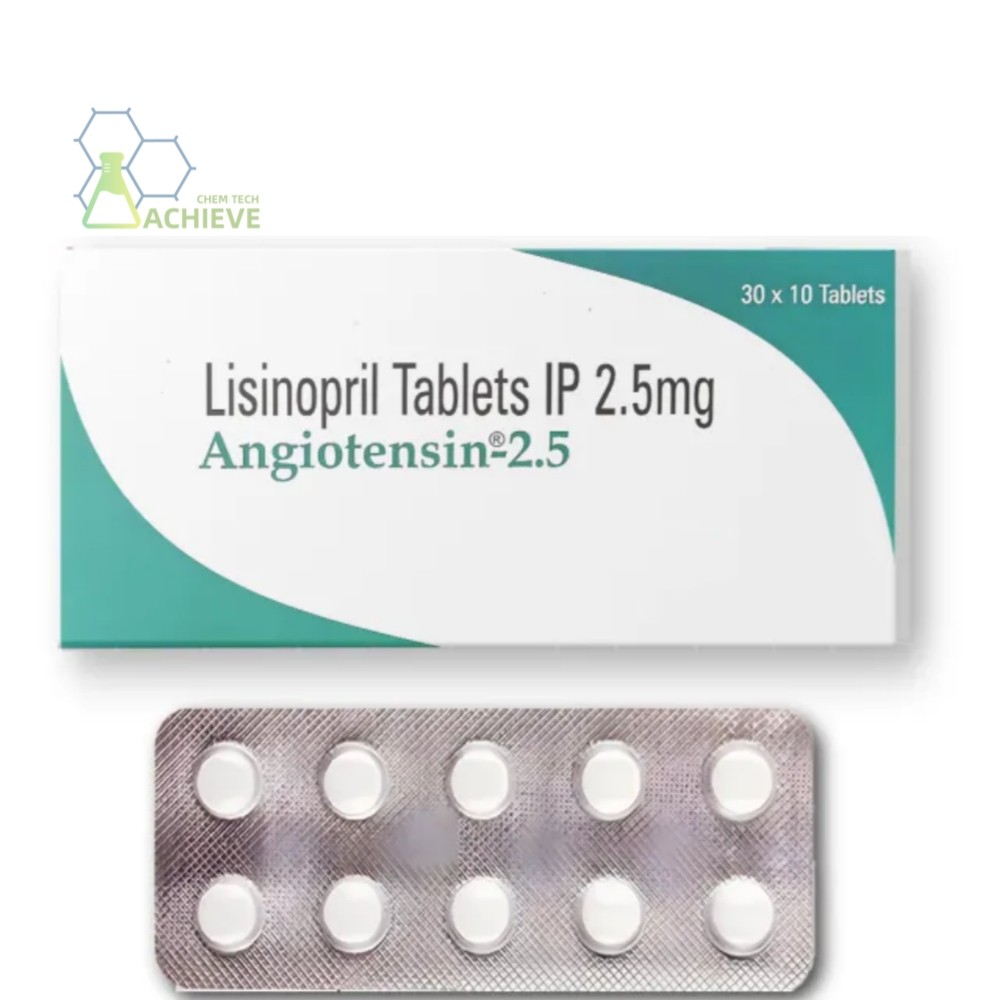
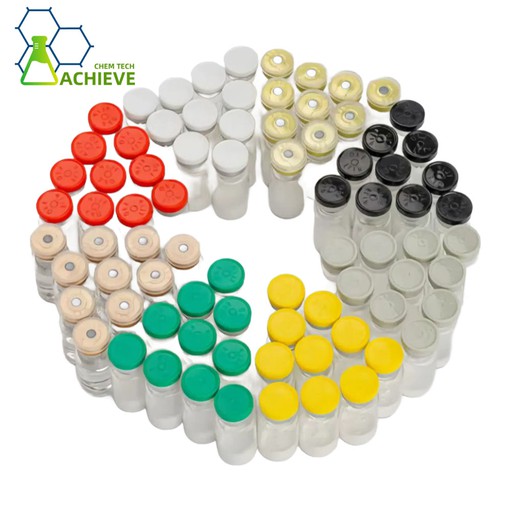
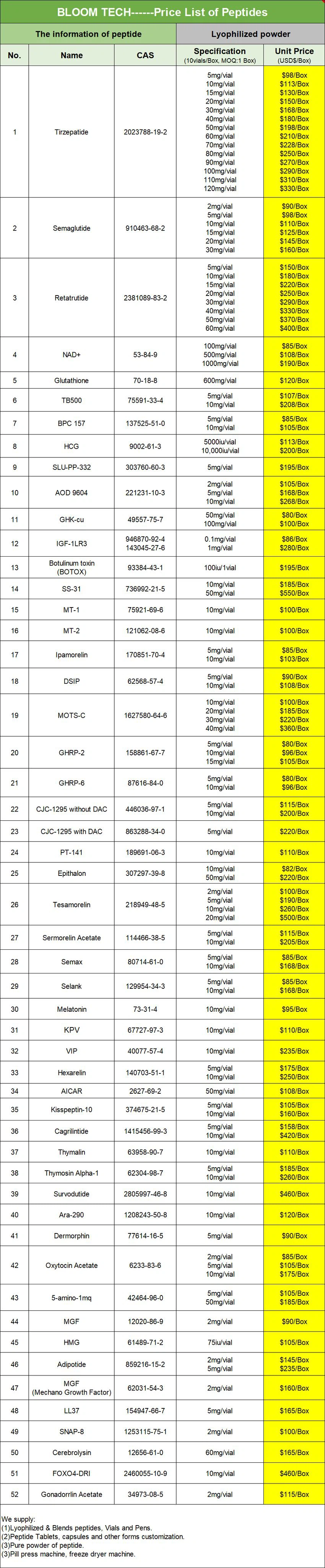
Our Products Form


Angiotensin II COA
 |
||
| Certificate of Analysis | ||
| Compound name |
Angiotensin II |
|
| Grade | Pharmaceutical grade | |
| CAS No. | 68521-88-0 | |
| Quantity | 70g | |
| Packaging standard | PE bag+Al foil bag | |
| Manufacturer | Shaanxi BLOOM TECH Co., Ltd | |
| Lot No. | 202601090088 | |
| MFG | Jan 9th 2026 | |
| EXP | Jan 8th 2029 | |
| Structure |
|
|
| Item | Enterprise standard | Analysis result |
| Appearance | White or almost white powder | Conformed |
| Water content | ≤5.0% | 0.54% |
| Loss on drying | ≤1.0% | 0.42% |
| Heavy Metals | Pb≤0.5ppm | N.D. |
| As≤0.5ppm | N.D. | |
| Hg≤0.5ppm | N.D. | |
| Cd≤0.5ppm | N.D. | |
| Purity (HPLC) | ≥99.0% | 99.98% |
| Single impurity | <0.8% | 0.52% |
| Total microbial count | ≤750cfu/g | 95 |
| E. Coli | ≤2MPN/g | N.D. |
| Salmonella | N.D. | N.D. |
| Ethanol (by GC) | ≤5000ppm | 500ppm |
| Storage | Store in a sealed, dark, and dry place below -20°C | |
|
|
||
|
|
||
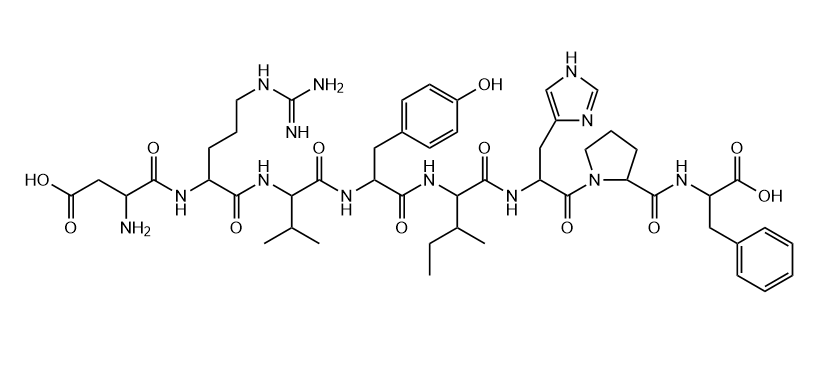
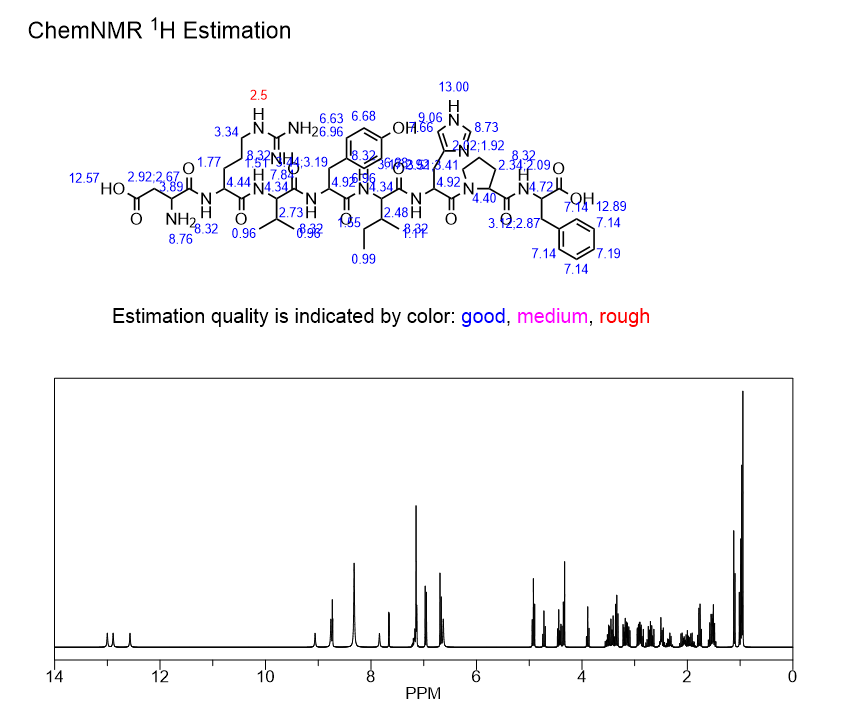

| Chemical Formula: | C50H71N13O12 |
| Exact Mass: | 1046 |
| Molecular Weight: | 1046 |
| m/z: | 1046 (100.0%), 1047 (54.1%), 1048 (14.3%), 1047 (4.8%), 1048 (2.6%), 1048 (2.5%), 1049 (1.7%), 1049 (1.3%) |
| Elemental Analysis: | C, 57.40; H, 6.84; N, 17.41; O, 18.35 |
Angiotensin II tablet is the main active peptide in the renin angiotensin aldosterone system (RAAS). It activates complex signaling pathways by binding to specific receptors, thereby regulating multiple physiological processes such as blood pressure, fluid balance, vasoconstriction, inflammatory response, and cell proliferation. The action of angiotensin II mainly depends on its binding to two types of receptors, namely AT1 receptor and AT2 receptor, which regulate cell and organ function through different signaling mechanisms.
Classification and Structure
Its receptors can be divided into two categories: AT1 receptors and AT2 receptors. Although both types of receptors belong to G protein coupled receptors (GPCRs), they differ in structure, function, distribution, and activated signaling pathways.

1. AT1 receptor
T1 receptor is the main receptor for angiotensin II, widely distributed in multiple organs such as the heart, vascular smooth muscle, kidneys, liver, lungs, brain, adrenal gland, etc. The activation of this receptor typically leads to effects such as vasoconstriction, aldosterone secretion, cell proliferation, and fibrosis. The function of AT1 receptor is closely related to many cardiovascular diseases, hypertension, diabetes, kidney diseases, etc.
2. AT2 receptor
Unlike AT1 receptors, AT2 receptors have a more limited distribution and mainly exist during embryonic development and in certain pathological conditions such as heart failure and kidney disease. AT2 receptor activation is usually associated with effects such as vasodilation, anti proliferation, anti fibrosis, and antioxidant stress. It plays an important role in tissue repair, cell protection, and immune regulation.

Signal transduction mechanism
By binding to AT1 and AT2 receptors, different signaling pathways are activated, thereby exerting various physiological effects. These signal transduction pathways involve multiple levels such as complex enzyme activation, ion channel opening and closing, and gene transcription regulation.

1. Signal transduction mechanism of AT1 receptor
The activation of AT1 receptors mainly regulates intracellular signaling through pathways such as Gq protein and Gs protein, affecting physiological processes such as vascular constriction, inflammatory response, and cell proliferation. The main signal transduction mechanisms include the following aspects:
1.1 PLC/IP3/DAG signal pathway
The activation of AT1 receptors activates phospholipase C (PLC) through Gq protein, catalyzing the hydrolysis of phosphatidylinositol (PIP2) to produce inositol triphosphate (IP3) and diacylglycerol (DAG).
IP3 binds to calcium ion channels on the endoplasmic reticulum, leading to the release of calcium ions into the cytoplasm and enhancing intracellular calcium ion concentration. DAG further regulates various signaling pathways within cells, including gene transcription, cell proliferation, and migration, by activating protein kinase C (PKC). Through this signaling pathway, Angiotensin II tablet receptors induce strong vasoconstriction in vascular smooth muscle cells, thereby increasing blood pressure.

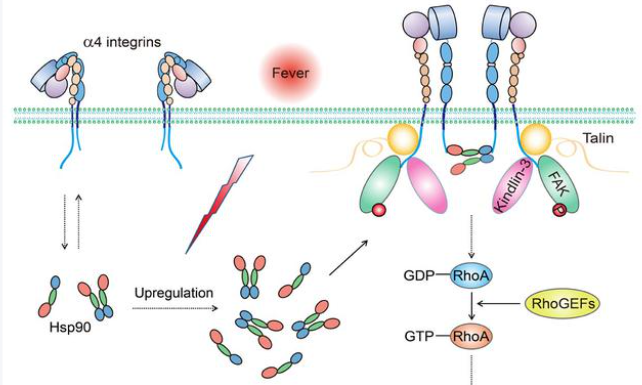
1.2 RhoA/ROCK signaling pathway
The activation of AT1 receptors also activates RhoA (small GTPase) and Rho kinase (ROCK) through the G12/13 protein. ROCK enhances the contraction of vascular smooth muscle by inhibiting actin depolymerization, promoting the stability of the cytoskeleton. In addition, ROCK also promotes processes such as cell proliferation, migration, and fibrosis, playing a driving role in pathological states such as cardiovascular remodeling and vascular wall thickening.
1.3 p38MAPK and JNK signaling pathway
The activation of AT1 receptors regulates cell proliferation, apoptosis, inflammatory response, etc. through the p38 mitogen activated protein kinase (MAPK) and c-Jun N-terminal kinase (JNK) signaling pathways. P38MAPK and JNK signaling pathways are involved in cell responses to oxidative stress, inflammation, apoptosis and other signals, and play an important role in cardiovascular disease, diabetes, kidney disease and other pathological processes.


2. Signal transduction mechanism of AT2 receptor
The AT2 receptor is different from the AT1 receptor, and its signal transduction mechanism mainly involves pathways such as G β - γ dimer, cAMP/PKA, NO/GC/cGMP, etc. The activation of AT2 receptors usually has anti proliferative, anti fibrotic, anti oxidative stress, anti apoptotic and other effects, and has cell protection and repair functions.
2.1 G β - γ - mediated signaling pathway
The signal transduction of AT2 receptors mainly relies on the activation of G β - γ dimers, which activate calcium channels, NO synthase (NOS), and promote the synthesis of nitric oxide (NO).
NO, as an important vasodilator, can promote vasodilation, lower blood pressure, and has anti proliferative, anti fibrotic, and anti-inflammatory effects. Through this mechanism, AT2 receptors help alleviate vascular constriction and inhibit the fibrosis process of the heart and kidneys.
2.2 cAMP/PKA signaling pathway
The activation of AT2 receptors can also increase cAMP levels, activate protein kinase A (PKA), and regulate multiple downstream effects. PKA activation can inhibit cell proliferation, reduce oxidative stress levels, and increase cell anti apoptotic ability. In addition, the activation of AT2 receptors can further promote vasodilation and lower blood pressure by increasing the synthesis of NO.


2.3 Negative feedback regulation of AT1 receptor
Studies have shown that activation of AT2 receptors can negatively regulate the signaling of AT1 receptors, inhibiting AT1 receptor-mediated vasoconstriction and proliferation. This negative feedback mechanism enables AT2 receptors to play an important balancing role in regulating the action of angiotensin II, thereby maintaining vascular stability and avoiding excessive vasoconstriction and fibrosis reactions.
The relationship between receptors and diseases
Through the different roles of AT1 and AT2 receptors, it has participated in the occurrence and development of many diseases, especially in hypertension, heart failure, diabetes complications, kidney disease and other diseases. The excessive activation of angiotensin II will lead to pathological vasoconstriction, fibrosis, proliferation and other processes, which will lead to organ damage.
1. Hypertension
In the pathogenesis of hypertension, activation of AT1 receptors directly leads to elevated blood pressure through vasoconstriction and increased cardiac output. At the same time, Ang II also increases sodium reabsorption by promoting aldosterone secretion, thus aggravating water salt retention and further raising hypertension. The role of AT2 receptors is more complex and is generally believed to have vasodilatory and anti vasoconstrictive effects.


2. Heart failure and cardiovascular remodeling
During heart failure and cardiovascular remodeling, AT1 receptors promote cardiac cell proliferation, migration, and extracellular matrix deposition, leading to structural changes and fibrosis of the heart. The AT2 receptor has a certain protective effect by antagonizing the action of the AT1 receptor, alleviating vascular constriction, cell proliferation, and fibrosis, and reducing cardiac remodeling.
3. diabetes and Kidney Disease
In diabetes and kidney diseases caused by diabetes, AT1 receptor activation accelerates the process of renal tubular injury, proliferation, fibrosis and renal failure. The activation of AT2 receptors can counteract this pathological process by inhibiting cell proliferation and fibrosis, thereby slowing down kidney damage.

Clinical Application and Drugs

Based on the mechanism of action of angiotensin II tablet receptors, various angiotensin II receptor antagonists (ARBs) and ACE inhibitors have been developed clinically. These drugs can specifically inhibit the activity of AT1 receptor, thereby alleviating hypertension, heart failure, diabetes, nephropathy and other diseases. The use of ARBs greatly improves clinical treatment outcomes, reduces side effects, and provides new ideas for the treatment of cardiovascular diseases.
References
1. Harrison, D. G. (2019). *Endothelial function and the regulation of blood pressure*. Hypertension, 73(5), 1034-1040.
2. Baker, D. J., & Tu, P. P. (2020). *Mechanisms of angiotensin II-mediated signaling*. Journal of Cardiovascular Pharmacology, 75(4), 1-11.
3. Oparil, S., et al. (2018). *Angiotensin II receptor blockers and cardiovascular disease*. Journal of Clinical Hypertension, 20(8), 1156-1164.
4. Buzzetti, R., et al. (2021). *Angiotensin II receptor antagonists in diabetic nephropathy*. Journal of Diabetes & Metabolic Disorders, 19(2), 527-535.
5. Tomioka, H., et al. (2020). *Angiotensin II receptors in kidney diseases*. Kidney Research and Clinical Practice, 39(1), 2-8.
FAQ
What does angiotensin II do?
It in septic shock | Critical Care | Springer ...Angiotensin II is a potent hormone that acts primarily to increase blood pressure (hypertension) and regulate fluid balance. It functions as a powerful vasoconstrictor, narrowing blood vessels, stimulating the release of aldosterone (retaining water/salt), and activating the sympathetic nervous system.
What drugs are angiotensin II?
Examples of ARBs include:
Azilsartan (Edarbi).
Candesartan (Atacand).
Irbesartan (Avapro).
Losartan (Cozaar).
Olmesartan (Benicar).
Telmisartan (Micardis).
Valsartan (Diovan).
What two medications can you not take with an ACE inhibitor?
Do not take ACE inhibitors with any of the following medicines:
Angiotensin receptor blockers, also called ARBs.
Angiotensin receptor neprilysin inhibitors.
Direct renin inhibitors.
Hot Tags: angiotensin ii tablet, suppliers, manufacturers, factory, wholesale, buy, price, bulk, for sale, DecaPeptide 12 CAS 137665 91 9, dermorphin in humans, dermorphin peptide, Kisspeptin powder, Melanotan ii powder, Selank Peptide CAS 129954 34 3