




Shaanxi BLOOM Tech Co., Ltd. is one of the most experienced manufacturers and suppliers of somatostatin peptide in China. Welcome to wholesale bulk high quality somatostatin peptide for sale here from our factory. Good service and reasonable price are available.
Somatostatin Peptide,The Chinese name is somatostatin, which is a cyclic polypeptide hormone composed of 14 amino acids. Its structural feature is the presence of a disulfide bond formed by two cysteine residues, forming a stable cyclic structure. Somatostatin is widely distributed in the central nervous system (such as thalamus), peripheral nervous system (such as gastrointestinal tract, pancreas), and various endocrine tissues, and is one of the important regulatory hormones in the human body. It exerts a wide range of physiological regulatory effects by binding to the somatostatin receptor (SSTR1-5). At the same time, by inhibiting the release of gastrin from gastric antral G cells and histamine from intestinal chromaffin cells, the function of parietal cells is directly inhibited, thereby reducing gastric acid secretion.


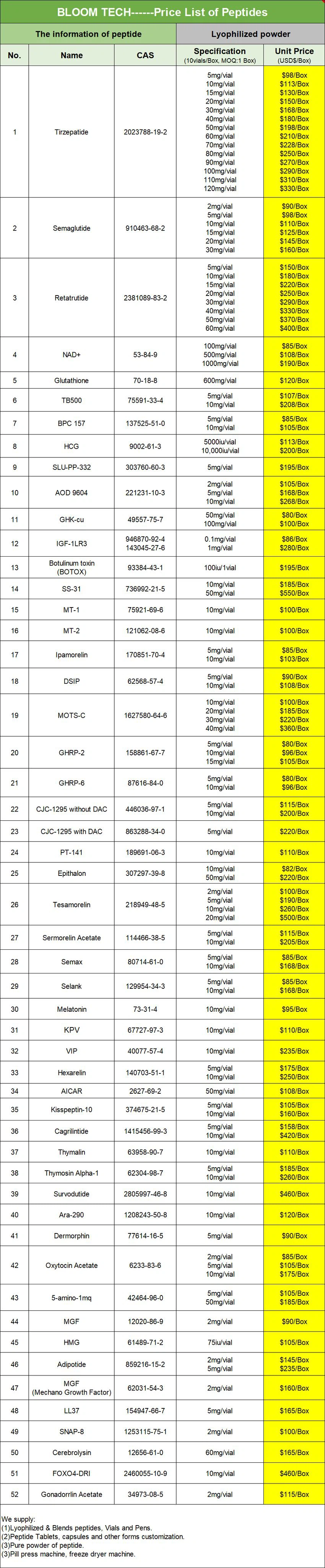
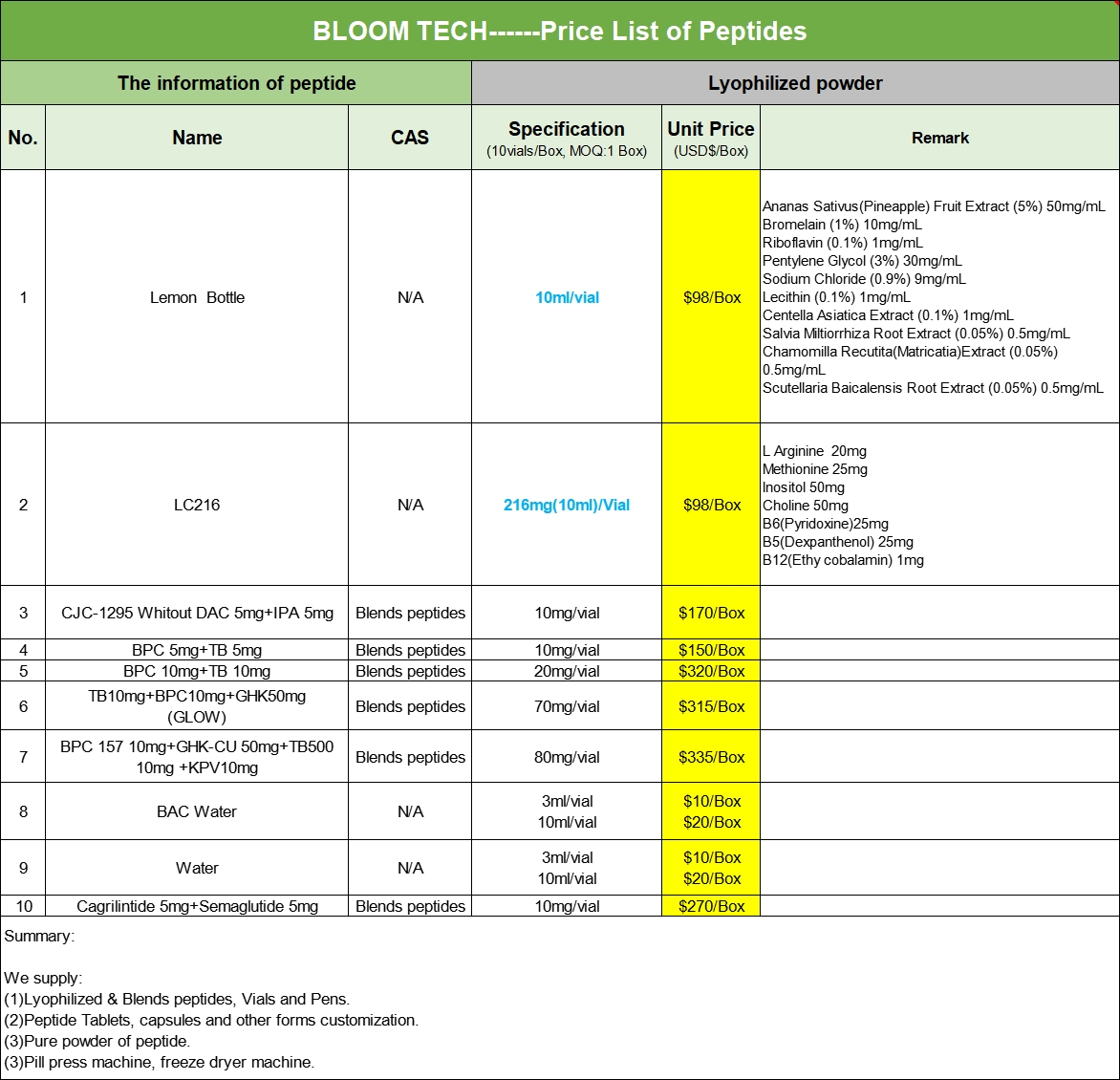

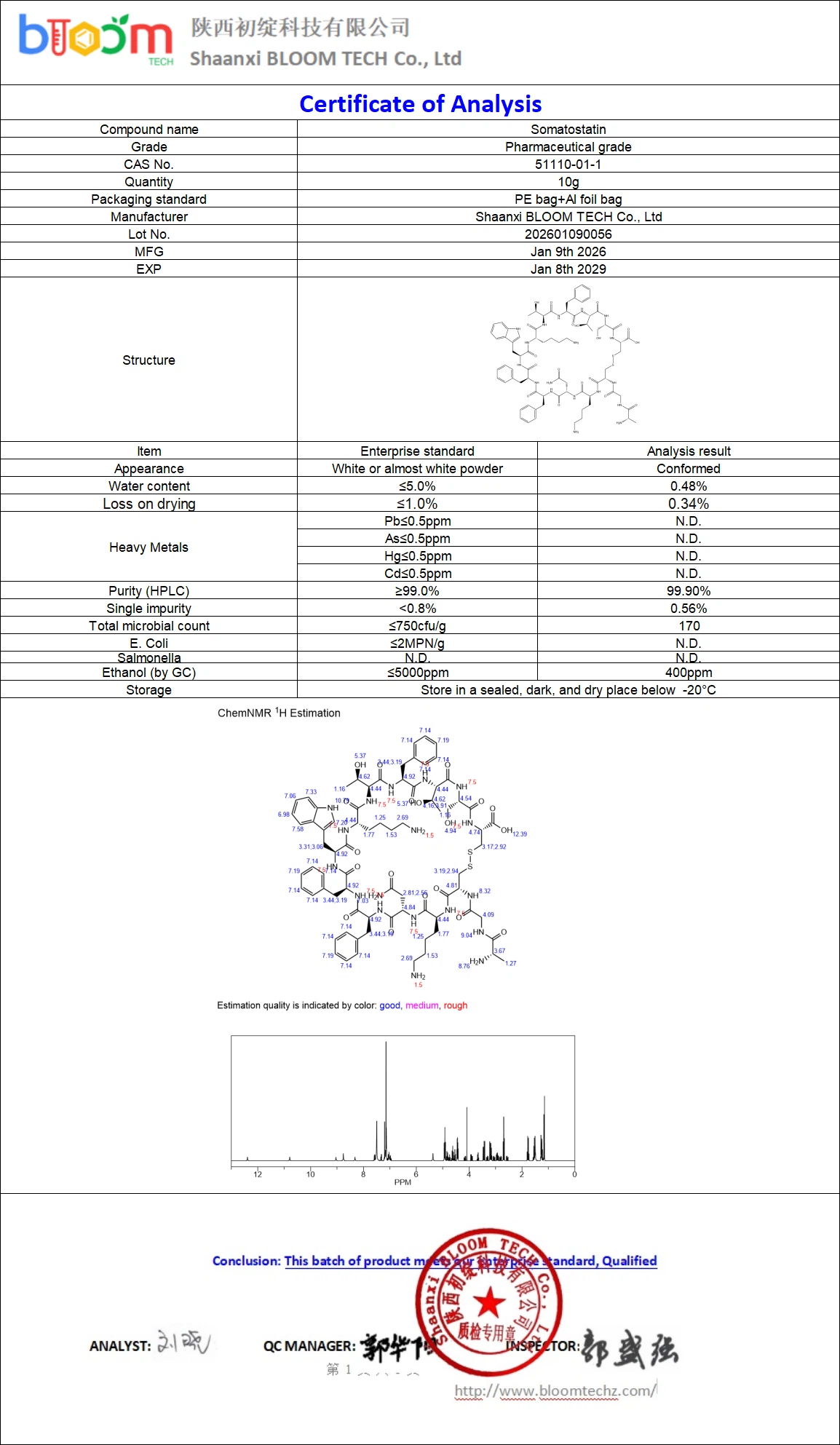
Somatostatin COA

Somatostatin Peptide, as a classic neuropeptide and neuromodulator, is mainly expressed by SST ⁺ neurons, which account for about 30% of GABAergic interneurons, in the central nervous system (CNS). It is often co released with GABA and mediates extensive inhibitory regulation through five G protein coupled receptors (SSTR1-5). Compared to its well-known applications in the fields of endocrinology and digestion, the role of SST in the central nervous system has long been underestimated. In recent years, cutting-edge research has revealed that SST plays a unique and irreplaceable core role in the fine regulation of neural circuits, cognitive and memory encoding, negative regulation of emotions and stress, protection against neurodegenerative diseases, neuropathic pain, glial cell immune regulation, epilepsy network homeostasis, and other obscure fields. It is mostly non classical inhibitory effects, loop specific regulation, and cross cell type signal transduction, which are different from traditional neurotransmitter functions.
Cellular and Loop Mechanisms of Somatostatin in the Central Nervous System
Traditional GABAergic interneurons (such as PV ⁺) mainly target neuronal cell bodies and proximal dendrites, producing rapid and extensive inhibition; And SST interneurons have unique anatomical targeting - specifically innervating the distal dendrites and dendritic spines of excitatory pyramidal neurons (PNs), and this "dendritic inhibition" is a key mechanism of central information processing that is rarely seen.


Peripheral inhibition and perceptual gain regulation in the sensory cortex: In the primary visual, auditory, and somatosensory cortices, SST ⁺ neurons produce a "surrounding suppression effect" by inhibiting the distal dendrites of thalamocortical inputs, which enhances the response of neurons to central stimuli, suppresses irrelevant signals in the surrounding area, and filters out sensory redundant information.
For example, in the V1 region of the visual cortex, SST ⁺ neurons inhibit the cell body inhibition of PV ⁺ interneurons, achieving a "disinhibition effect", amplifying the descending feedback signal of the higher-order cortex, enhancing visual contrast perception and dynamic visual gain. This "inhibition disinhibition" bidirectional regulation makes SST not simply inhibit neural activity, but a "precise gateway" for sensory information flow, determining which information can enter the advanced cognitive center.


Cortical slow wave and NREM sleep initiation regulation: SST ⁺ neurons are the core drivers of non rapid eye movement (NREM) sleep slow wave (0.5-4Hz) production. When SST ⁺ neurons are activated, the membrane potential fluctuations of synchronous cortical pyramidal neurons are inhibited by dendrites, inducing increased slow wave activity and prolonged NREM sleep duration.
This mechanism is completely independent of traditional sleep regulation pathways such as adenosine and melatonin, and is a recently discovered niche target for sleep regulation - SST achieves fine regulation of sleep structure by regulating cortical network synchronization rather than affecting the hypothalamic sleep center.


Time specific regulation of synaptic plasticity: The activation of ST ⁺ neurons relies on high-frequency burst firing, releasing SST only during high-frequency neuronal activity, thus specifically regulating long-term inhibition (LTD) rather than long-term potentiation (LTP). In the hippocampal CA1 region, SST activates the inward rectifying potassium channel (GIRK) through SSTR2, hyperpolarizing postsynaptic neurons, blocking NMDA receptor dependent LTP, and enhancing AMPA receptor endocytosis, inducing dendritic specific LTD.
This "high-frequency dependence, dendritic targeting" plasticity regulation makes SST a niche molecular switch for memory clearing, forgetting, and synaptic pruning, avoiding network disorders caused by excessive synaptic enhancement.

Cross cell type regulation: SST's immune neural bidirectional regulation of microglia and astrocytes

SST receptors are not only expressed in neurons, but also specifically distributed in microglia (SSTR2/3/4) and astrocytes (SSTR1/2), mediating the obscure regulation of neural immune interactions, which has been completely overlooked in traditional research.
Induction of anti-inflammatory polarization in microglia: SST activates the Gi/o signaling pathway of microglia through SSTR4, inhibits the NF - κ B and MAPK inflammatory pathways, reduces the release of pro-inflammatory factors (TNF - α, IL-6, IL-1 β), and promotes the secretion of anti-inflammatory factors (IL-10, TGF - β), polarizing microglia from pro-inflammatory M1 type to anti-inflammatory M2 type. Unlike traditional anti-inflammatory factors, the regulation of SST has brain region specificity - it only acts in cognitive related brain regions such as the hippocampus and cortex, does not affect peripheral immunity, and avoids systemic immune suppression side effects.


Enhanced glutamate transport in astrocytes: SST upregulates the expression of GLT-1 glutamate transporter in astrocytes through SSTR1, accelerating synaptic clearance of glutamate and inhibiting excitotoxicity. In epilepsy and cerebral ischemia models, SST can reduce the release of glutamate caused by overactivation of astrocytes, blocking the vicious cycle of "glutamate accumulation neuronal damage glial activation", which is the obscure core mechanism of its neuroprotection.
The distribution and function of SST5 receptors in the central nervous system are highly differentiated, among which SSTR1 and SSTR4 hardly participate in peripheral hormone inhibition and only play a niche specific role in the central nervous system
SSTR4: The only SST receptor that does not undergo rapid desensitization, mediating long-lasting inhibitory, analgesic, and antidepressant effects.


In the dorsal horn and anterior cingulate cortex of the spinal cord, SSTR4 activation inhibits calcium influx into nociceptive neurons and blocks chronic neuropathic pain signaling; In the nucleus accumbens (Hb), SSTR4 mediates antidepressant signaling and rapidly reverses depressive like behavior upon activation.
SSTR1: It is mainly expressed in the hippocampus and cortex, and specifically regulates the activity of enkephalinase (NEP). The synergistic activation of SSTR1 and SSTR4 can upregulate NEP expression, accelerate the degradation of β - amyloid protein (A β), and is a niche protective target for Alzheimer's disease (AD).


SSTR2: The most important receptor in the central nervous system, mediating acute dendritic suppression, epilepsy control, and microglial anti-inflammatory effects, but overlapping with peripheral effects, it is not a niche target.
Reference information source:
- PMC, The role of neuropeptide Somatostatin Peptide in the brain and its application in treating neurological disorders, 2025
- Journal of Neuroscience, Somatostatin and Somatostatin-Containing Neurons in Shaping Neuronal Activity and Plasticity, 2026
- Biology Insights, SST Neurons: New Insights Into Neurocircuit Regulation, 2025
- Biological communication, somatostatin induced regulation of microglial activity helps alleviate the pathological progression of Alzheimer's disease, 2026
- Nature, A cell-type-specific circuit of somatostatin neurons in the habenula encodes antidepressant action, 2025
Clinical application of somatostatin in central nervous system diseases

Neurodegenerative diseases: obscure protective mechanisms of AD and Parkinson's disease (PD)
Alzheimer's disease: dual effects of A β clearance and neural circuit repair (the most promising and niche target for transformation)
Selective loss of SST ⁺ neurons in the hippocampus and temporal lobe cortex of AD patients reaches 40% -60%, and SST levels are significantly reduced, which is positively correlated with the degree of cognitive impairment. The niche protection effect of SST is reflected in three aspects:
Promote A β degradation: By synergistically upregulating hippocampal enkephalinase (NEP) through SSTR1/SSTR4, soluble A β monomers and oligomers can be degraded faster, reducing amyloid plaque deposition. Animal experiments have shown that SST analogs can reduce the A β load in the brains of AD mice by more than 50% and significantly improve memory function.


Reversing synaptic loss: SST repairs the damaged cortical hippocampal loop in AD through dendritic inhibition, reducing abnormal overexcitation, restoring synaptic plasticity, and reversing the pathological chain of "synaptic dysfunction cognitive decline".
Inhibition of neuroinflammation: Anti inflammatory polarization of small glial cell SSTR4 reduces chronic neuroinflammation induced by A β and protects cholinergic neurons.
At present, SSTR1/4 dual agonists have entered Phase II preclinical trials for Alzheimer's disease. Compared with traditional A β antibodies, they have the core advantages of small molecules, easy penetration through the blood-brain barrier, no brain edema side effects, and low cost.


Parkinson's disease: inhibition of alpha synuclein aggregation and alleviation of motor complications
The levels of SST in the substantia nigra and striatum of PD patients decrease, and the loss of SST ⁺ neurons occurs synchronously with the death of dopaminergic neurons. Uncommon mechanism: SST inhibits excessive excitation of striatal spiny neurons (MSNs) through SSTR2, reduces glutamate release, and suppresses misfolding and aggregation of alpha synuclein;
Simultaneously alleviating dyskinesia (LID) caused by levodopa therapy - by regulating abnormal synchronization of the thalamocortical loop and reducing involuntary movements, this effect is completely independent of the dopamine pathway.
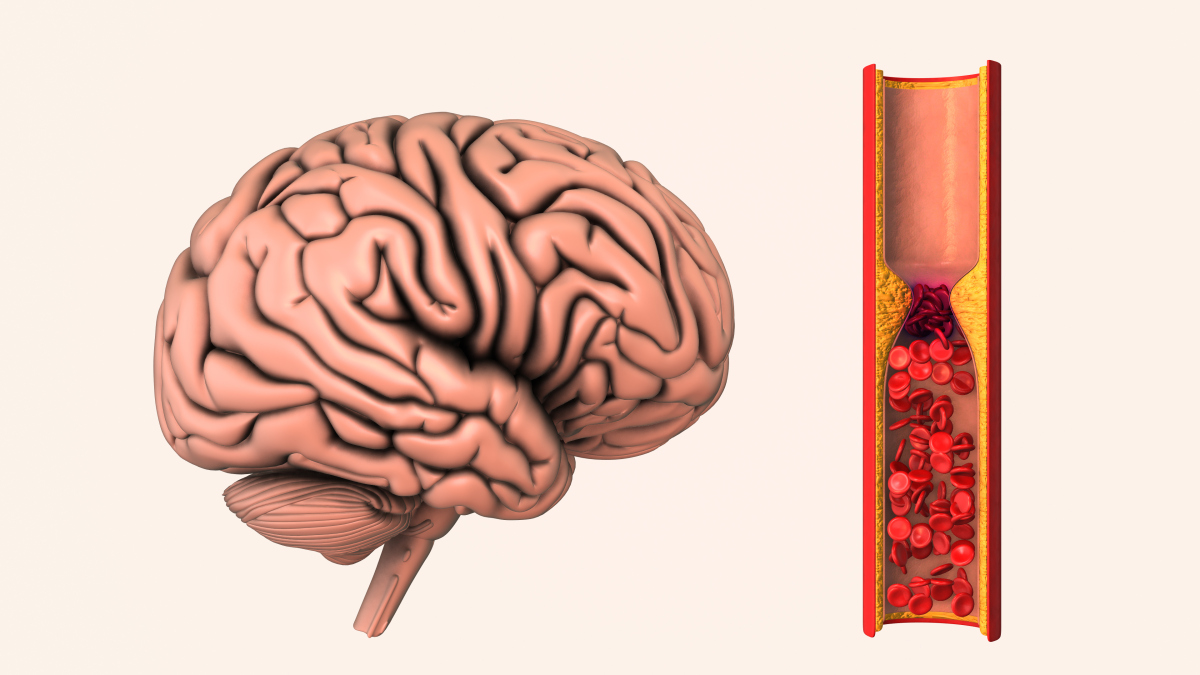

Neuropsychiatric disorders: Loop regulation of schizophrenia, depression, and PTSD
Schizophrenia: Repair of low-frequency oscillations and prediction coding defects. Patients with schizophrenia have significantly reduced SST ⁺ neurons in the prefrontal and temporal lobes, with SST levels decreasing by 30% -50%, directly leading to disturbances in θ (4-7Hz) and δ (0.5-4Hz) low-frequency oscillations - this is the core pathological mechanism of perceptual abnormalities and working memory deficits in schizophrenia (traditional research only focuses on PV ⁺ neurons and γ oscillations).
The niche role of SST: repairing low-frequency synchronization of cortical cortical feedback loops, improving predictive encoding function (the brain's ability to predict future information), and alleviating core symptoms such as hallucinations and cognitive disorders. Animal experiments have shown that activating SST ⁺ neurons can reverse sensory gating defects and working memory disorders in a schizophrenia model, with better effects than traditional antipsychotic drugs.

Reference information source:
- PMC, Somatostatin Peptide: Linking Cognition and Alzheimer Disease to Therapeutic Targeting, 2025
- Xinhua News Agency, New research finds new targets for developing Alzheimer's disease drugs, 2025
- PMC, A Role for Somatostatin-Positive Interneurons in Neuro-Oscillatory and Information Processing Deficits in Schizophrenia, 2026
- Nature, A cell-type-specific circuit of somatostatin neurons in the habenula encodes antidepressant action, 2025
- MDPI, Characterization of Neurons Expressing the Novel Analgesic Drug Target Somatostatin Receptor 4, 2026
- PMC, Assessing the diagnostic, prognostic, and therapeutic potential of the somatostatin/cortistatin system in glioblastoma, 2026
Frequently Asked Questions
Does somatostatin stop digestion?
+
-
In your pancreas, somatostatin prevents (inhibits) the release of pancreatic hormones, including insulin, glucagon and gastrin, and pancreatic enzymes that aid in digestion. In your gastrointestinal (GI) tract, somatostatin reduces gastric secretion, which is stimulated by the act of eating.
What does somatostatin do in the liver?
+
-
Somatostatin is an endogenous peptide hormone that may be administered exogenously to not only reduce portal blood flow but also offer direct protection to different cells in the liver.
What organ produces somatostatin?
+
-
Somatostatin is a peptide hormone that is produced and secreted by several different cells in the body, such as in the pancreas, the gastrointestinal tract, the hypothalamus, and the central nervous system.
Does exercise increase somatostatin?
+
-
After moderate intensity exercise plasma insulin levels tended to decrease, growth hormone tended to increase and somatostatin did not change.
Hot Tags: somatostatin peptide, suppliers, manufacturers, factory, wholesale, buy, price, bulk, for sale, Kisspeptin powder, DecaPeptide 12 CAS 137665 91 9, sermorelin powder, Best Growth Hormone Releasing Peptide CAS 87616 84 0, GLP 1 Peptide CAS 87805 34 3, Lpamorelin Powder CAS 170851 70 4