


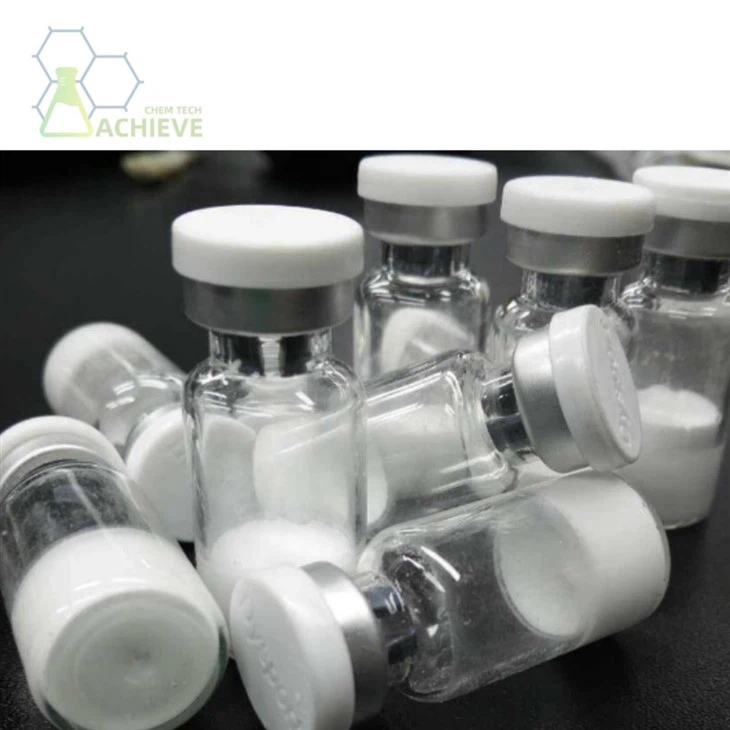


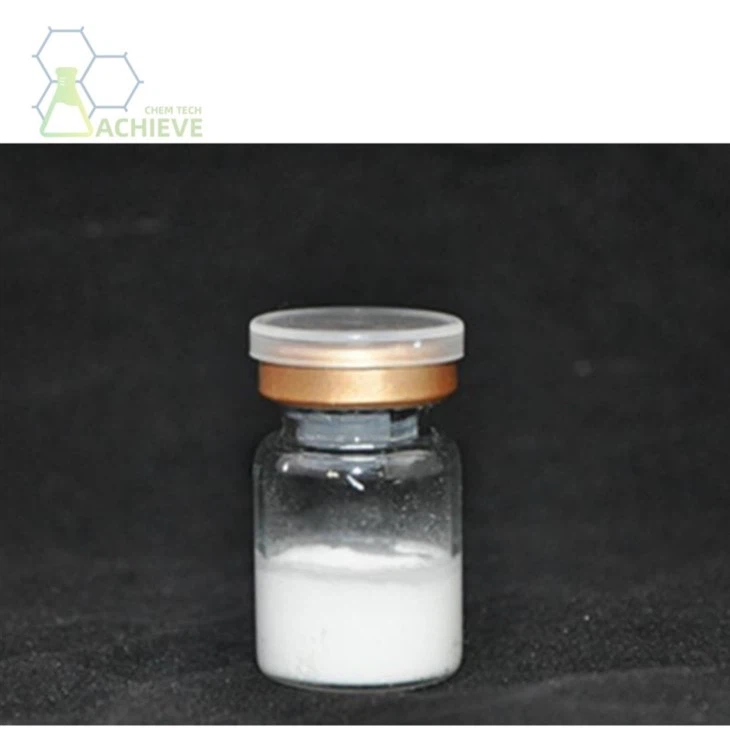
Shaanxi BLOOM Tech Co., Ltd. is one of the most experienced manufacturers and suppliers of dynorphin a cas 80448-90-4 in China. Welcome to wholesale bulk high quality dynorphin a cas 80448-90-4 for sale here from our factory. Good service and reasonable price are available.
Dynorphin A, molecular formula C99H155N31O23, CAS 80448-90-4, appears as a white powder. The molecular weight is 2147.52, and the molecular structure is the basis of its physical properties. As a 17 peptide, it is composed of 17 amino acid residues connected by peptide bonds, forming a specific spatial conformation. This conformation endows dynorphinA with specific biological activity, allowing it to interact with other biomolecules and exert pharmacological effects such as pain relief.
The molecular weight is relatively small, which makes it easier for it to cross the cell membrane and enter the interior of the cell to exert its effects. Meanwhile, its smaller molecular weight also gives it greater flexibility in drug design and development. This substance is a morphine like active peptide extracted from the pituitary gland of pigs with strong analgesic effects. This peptide plays an important role in the nervous system and has attracted attention due to its unique biological activity.
Our Products Form



Dynorphin A COA
 |
||
| Certificate of Analysis | ||
| Compound name | Dynorphin A | |
| Grade | Pharmaceutical grade | |
| CAS No. | 80448-90-4 | |
| Quantity | 22g | |
| Packaging standard | PE bag+Al foil bag | |
| Manufacturer | Shaanxi BLOOM TECH Co., Ltd | |
| Lot No. | 202601090088 | |
| MFG | Jan 9th 2026 | |
| EXP | Jan 8th 2029 | |
| Structure |
|
|
| Item | Enterprise standard | Analysis result |
| Appearance | White or almost white powder | Conformed |
| Water content | ≤5.0% | 0.24% |
| Loss on drying | ≤1.0% | 0.56% |
| Heavy Metals | Pb≤0.5ppm | N.D. |
| As≤0.5ppm | N.D. | |
| Hg≤0.5ppm | N.D. | |
| Cd≤0.5ppm | N.D. | |
| Purity (HPLC) | ≥99.0% | 99.80% |
| Single impurity | <0.8% | 0.77% |
| Total microbial count | ≤750cfu/g | 600 |
| E. Coli | ≤2MPN/g | N.D. |
| Salmonella | N.D. | N.D. |
| Ethanol (by GC) | ≤5000ppm | 710ppm |
| Storage | Store in a sealed, dark, and dry place below -20°C | |
|
|
||
|
|
||


| Chemical Formula | C99H155N31O23 |
| Exact Mass | 2146.19 |
| Molecular Weight | 2147.52 |
| m/z | 2147.19 (100.0%), 2146.19 (93.4%), 2148.20 (39.9%), 2149.20 (17.7%), 2148.20 (13.1%), 2148.19 (11.5%), 2147.19 (10.7%), 2149.19 (6.1%), 2150.20 (4.8%), 2149.20 (4.7%), 2148.20 (4.4%), 2150.20 (1.9%), 2148.20 (1.8%), 2147.20 (1.7%), 2150.20 (1.2%) |
| Elemental Analysis | C, 55.37; H, 7.28; N, 20.22; O, 17.13 |

Core Regulatory Functions of the Central Nervous System

Analgesic Effect
Dynorphin A is a highly effective agonist of the κ-opioid receptor (KOR), which inhibits the excitability of spinal dorsal horn neurons and blocks the transmission of pain signals. Its analgesic efficacy is significantly stronger than enkephalin (about 700 times) and β-endorphin (about 50 times), especially at the spinal level. For example, intraventricular injection of 1 μg the peptide can significantly inhibit the vasopressin release in water-deprived rats and alleviate pain sensitization.
Neurotransmitter Regulation
Inhibitory Transmission: By activating KOR, it can reduce the release of substance P at the presynaptic membrane and decrease the release of excitatory neurotransmitters such as glutamate, thereby inhibiting excessive neuronal excitation.
Synaptic Plasticity: In the amygdala and hippocampus, it participates in regulating long-term potentiation (LTP) and long-term depression (LTD), influencing the learning and memory process. For example, it can inhibit calcium ion influx by blocking NMDA receptor channels and reduce the probability of neurotransmitter release at the presynaptic membrane.


Emotion and Stress Response
Anxiety/Depression Resistance: Low-dose it can alleviate anxiety behavior by activating KOR, while high doses may induce depressive-like phenotypes. For example, intraventricular injection of 500 pmol/5 μL the peptide for 4 days can alleviate behavioral disorders induced by stress in mice and regulate the 5-HTergic system in the brain.
Stress Adaptation: Under chronic stress conditions, it expression is upregulated, and it promotes the body's adaptation to the stress environment through a synergistic effect with corticotropin-releasing hormone (CRH).
Neuroprotective and Injury Mechanisms
Brain Ischemia Protection
It plays a dual role in brain ischemia/reperfusion injury:
Low concentration protection: By activating KOR, it inhibits calcium ion overload, reduces mitochondrial release of cytochrome c, thereby reducing caspase-3 activity and inhibiting neuronal apoptosis. For example, it can reduce the area of cerebral infarction and improve memory impairment after ischemia.
High concentration toxicity: When the concentration is ≥ 10 μM, it can increase intracellular calcium ion concentration, induce mitochondrial membrane potential collapse, and trigger neuronal death.


Neuroinflammation Regulation
It reduces neuroinflammatory damage by inhibiting microglial cell activation, reducing the release of pro-inflammatory factors such as IL-1β and TNF-α. For example, in a traumatic brain injury model, plasma the product levels are negatively correlated with the intensity of the inflammatory response.
Physiological Effects of Peripheral Systems
Cardiovascular Regulation
Blood Pressure Regulation: The peptide, a key endogenous opioid peptide, can effectively inhibit sympathetic nerve tension by specifically activating the kappa opioid receptor (KOR) located in the medullary solitary nucleus-an important regulatory center of the cardiovascular system. This inhibition leads to a significant decrease in blood pressure, as the sympathetic nervous system, which normally promotes vasoconstriction and increases heart rate, is suppressed.


The medullary solitary nucleus integrates cardiovascular sensory signals, and the activation of KOR here modulates the release of neurotransmitters involved in blood pressure control, thereby exerting a stable hypotensive effect.Heart Rate Variability: In animal models of myocardial ischemia, it plays a crucial role in regulating the balance of cardiac autonomic nerves. Myocardial ischemia often disrupts the coordination between the sympathetic and parasympathetic nervous systems, increasing the risk of arrhythmia. It can normalize the abnormal activity of these two nerve systems, reduce the irregularity of heart rate, and thus lower the incidence of life-threatening arrhythmias, providing a protective effect on ischemic myocardium.
Immune regulation
It exerts a significant regulatory effect on the immune system. It can enhance the proliferation response of spleen lymphocytes, which are core components of the adaptive immune system, and promote the secretion of interleukin-2 (IL-2)-a cytokine that plays a key role in T cell activation and proliferation. Specifically, the production of IL-2 can be increased by 2.3 times compared to the normal level under the action of it.


Importantly, this immunomodulatory effect can be completely blocked by naloxone, a non-selective opioid receptor antagonist, indicating that it mediates its regulatory role in the immune system through binding to opioid receptors. In addition, it can stimulate peritoneal macrophages to increase the production of interleukin-1 (IL-1), a pro-inflammatory cytokine that enhances the innate immune response by activating immune cells and promoting the body's defense against pathogens.
Metabolism and Endocrinology
Glucose metabolism: Dynorphin A is involved in the regulation of glucose metabolism and may play a role in improving metabolic disorders related to obesity. It achieves this by activating KOR in the hypothalamus, a region that controls appetite and energy balance. Activation of hypothalamic KOR can inhibit appetite, reduce food intake, and simultaneously promote energy expenditure in the body, thereby helping to regulate body weight and alleviate metabolic abnormalities associated with obesity, such as insulin resistance.


Neuroendocrinology: Under stress conditions, the body's neuroendocrine system undergoes significant changes to adapt to external stimuli. The peptide and corticotropin-releasing hormone (CRH) work together to regulate the activity of the hypothalamic-pituitary-adrenal axis (HPA axis)-the core of the body's stress response system. This joint regulation affects the release rhythm of cortisol, a key stress hormone, ensuring that the body's stress response is appropriately activated and terminated, thereby maintaining the stability of the internal environment.
Pathological Associations and Therapeutic Potential
Neurological Disorders
Parkinson's disease: The expression of the product in the substantia nigra pars compacta is downregulated, which may participate in the progression of the disease by affecting the survival of dopaminergic neurons.
Alzheimer's disease: The decrease in it levels in the hippocampus is associated with cognitive decline, and supplementing exogenous itmay improve synaptic plasticity.
Drug Addiction:It produces an aversive effect by activating KOR, which may become a potential target for the treatment of opioid dependence.


Pain Management
The product and its fragments have significant potential in pain management. The amide of Dynorphin A (1-13), a modified form of the peptide, has been clinically applied in the treatment of advanced cancer pain. Its analgesic effect is comparable to that of morphine, a classic strong analgesic, but it has a lower potential for addiction and fewer side effects, making it a safer option for long-term pain relief in cancer patients. Moreover, the truncated fragment Dynorphin A (1-8) exerts analgesic effects through non-opioid mechanisms, such as blocking N-methyl-D-aspartate (NMDA) receptors-a type of glutamate receptor closely related to the transmission of pain signals.
This non-opioid analgesic pathway avoids the risk of addiction associated with opioid receptors, providing a new direction for the development of novel, non-addictive analgesic drugs.
Mental Disorders
Depression is a common mental disorder characterized by persistent low mood, anhedonia (lack of pleasure), and other symptoms. In animal models of depression, elevated levels of Dynorphin A in the brain are closely associated with the anhedonia phenotype.


The common synthesis method of dynorphinA is a complex and delicate process that involves multiple steps and professional chemical techniques. As a 17 peptide, the synthesis of dynorphinA requires precise control of the order and connectivity of each amino acid to ensure the biological activity and stability of the final product.

1. Endogenous Biosynthetic Pathway
In vivo, the product is generated by enzymatic cleavage of prodynorphin. After being synthesized in neurons, prodynorphin is specifically cleaved by proprotein convertase 2 (PC2), releasing active peptide fragments including it and Dynorphin B.
These peptides are stored in synaptic vesicles and released upon neuronal depolarization stimulation to participate in the regulation of neural signaling. This process exhibits tissue specificity and mainly occurs in the central nervous system and pituitary gland.
2. Chemical Solid-Phase Synthesis (Mainstream Preparation Method)
Fmoc solid-phase peptide synthesis (SPPS) is widely adopted for laboratory research and industrial production.
Resin Loading: Rink amide resin is used as the solid support to ensure C-terminal amidation and enhance molecular stability.
Stepwise Coupling: According to the amino acid sequence of the product (Tyr-Gly-Gly-Phe-Leu-Arg-Arg-Ile-Arg-Pro-Lys-Leu-Lys), Fmoc-protected amino acids are coupled sequentially from the C-terminus to the N-terminus. Each cycle involves Fmoc deprotection with piperidine, carboxyl group activation by condensing agents, and peptide bond formation; the ninhydrin reaction is applied to monitor the completion of each reaction.
Cleavage and Deprotection: The resin is treated with trifluoroacetic acid (TFA) cleavage solution (TFA : Water : Triisopropylsilane = 95 : 2.5 : 2.5) to release the crude peptide and remove side-chain protecting groups.
Purification and Identification: The crude product is precipitated with cold diethyl ether, followed by purification via reversed-phase HPLC. LC-MS is used to confirm molecular weight and purity (>98%), with an overall synthetic yield of approximately 50%–60%.
3. Synthetic Optimization and Derivatives
Native the product has a short half-life of 3–5 minutes and is susceptible to enzymatic hydrolysis. Structural modifications such as D-amino acid substitution, N-methylation, and C-terminal amidation can improve its metabolic stability and receptor affinity, providing candidate molecules for the research and development of analgesic drugs.
FAQ
What is dynorphin A?
+
-
Dynorphin A is a highy potent kappa opioid receptor (KOR) agonist, and is also an agonist for other opioid receptors, such as mu (MOR) and delta (DOR). Dynorphin A can induce neuronal death, and can be used in the research of neurological disease.
Hot Tags: dynorphin a cas 80448-90-4, suppliers, manufacturers, factory, wholesale, buy, price, bulk, for sale, Melanotan ii powder, Lpamorelin Powder CAS 170851 70 4, Epitalon Powder CAS 307297 39 8, LONG R3 IGF I CAS 143045 27 6, sermorelin powder, GLP 1 Peptide CAS 87805 34 3