




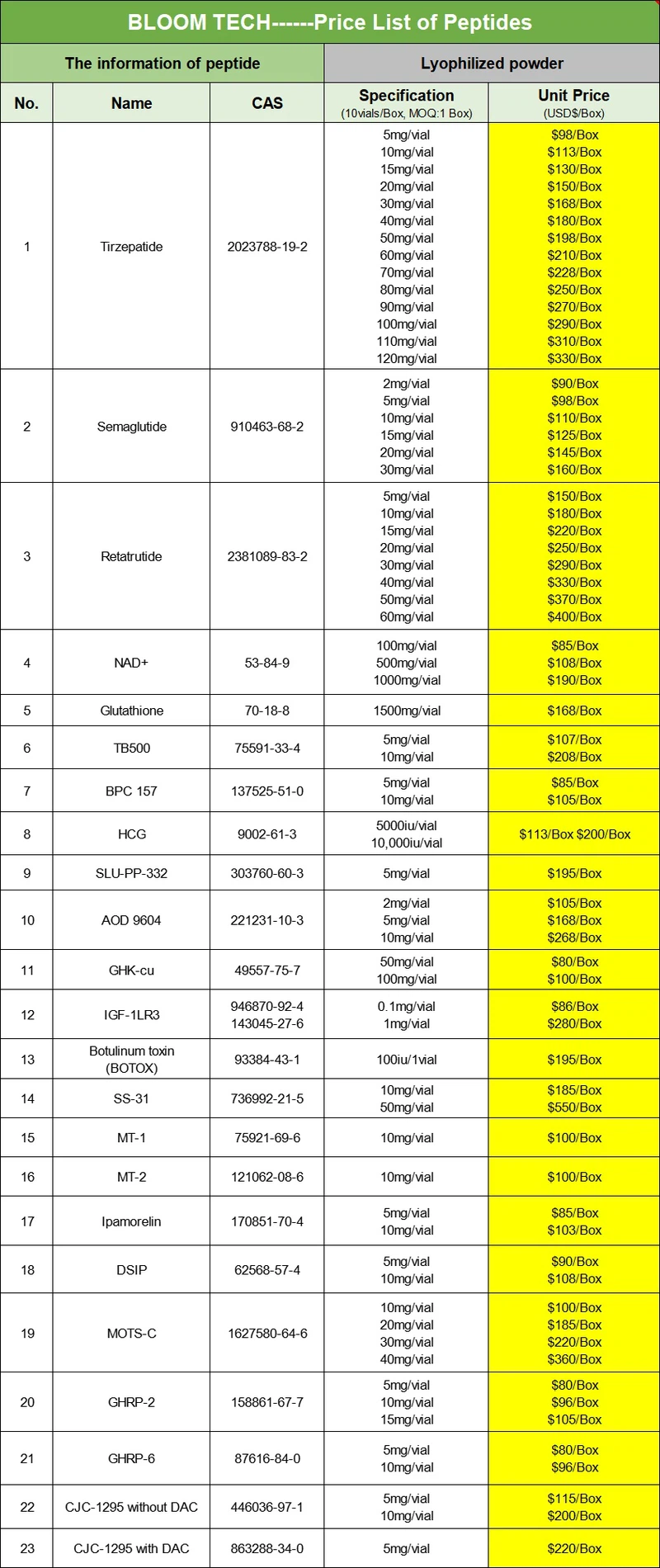
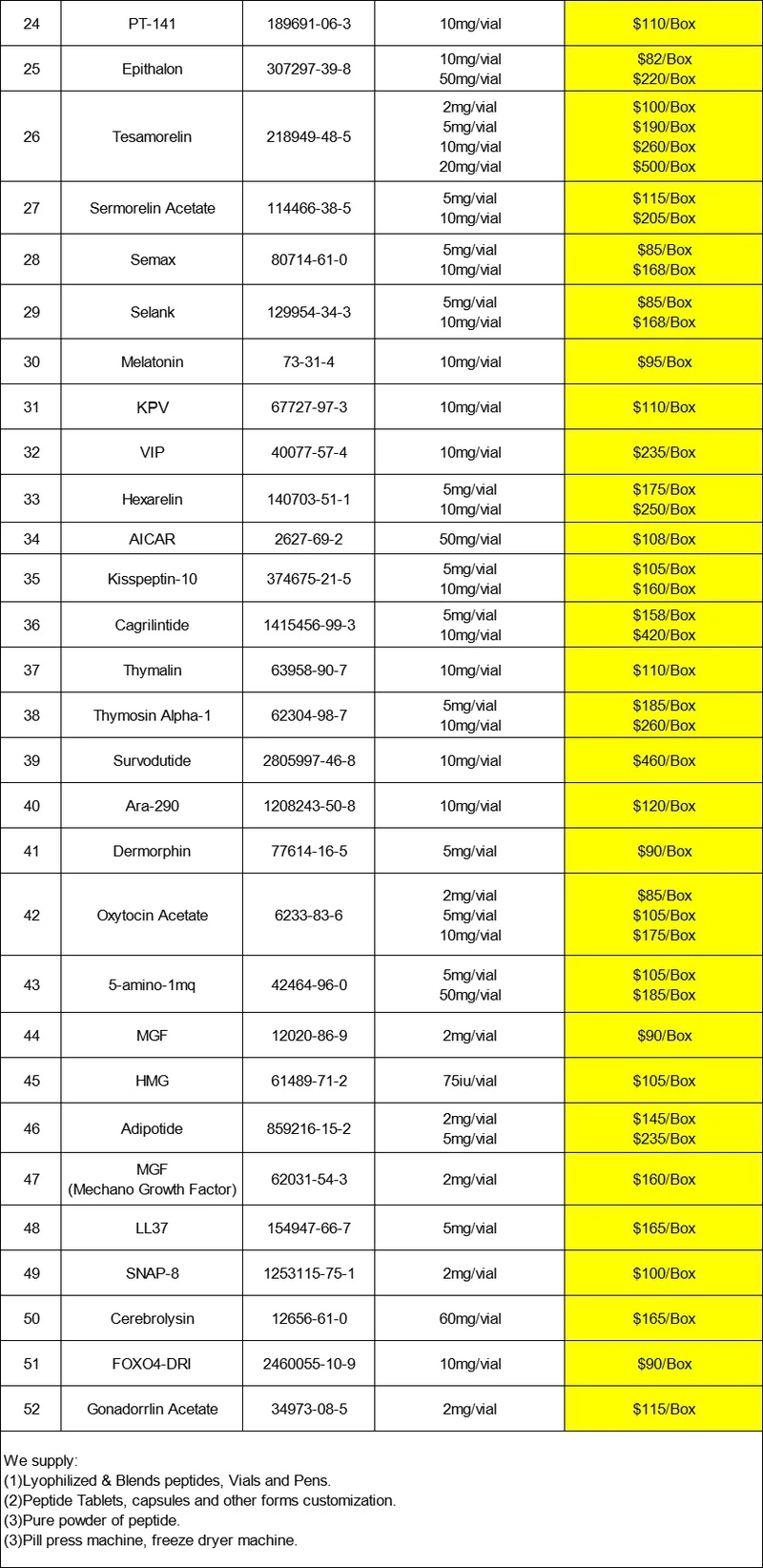
Shaanxi BLOOM Tech Co., Ltd. is one of the most experienced manufacturers and suppliers of ghk cu tripeptide in China. Welcome to wholesale bulk high quality ghk cu tripeptide for sale here from our factory. Good service and reasonable price are available.
Ophthalmic diseases such as dry eye syndrome, corneal injury, and glaucoma have become global health challenges. Their core pathological mechanisms involve ocular surface inflammation, oxidative stress, apoptosis, and impaired tissue repair. Traditional treatments like artificial tears, anti-inflammatory drugs, or surgical interventions have limitations, while the exploration of bioactive compounds offers new directions for ophthalmic care. ghk cu tripeptide, a naturally occurring tripeptide-copper complex, has demonstrated remarkable efficacy in skin regeneration due to its multifaceted properties including anti-inflammatory effects, antioxidant activity, tissue repair promotion, and neuroprotection. Its potential applications in ophthalmic care are now being progressively revealed.

COA

The Core Role of ghk cu tripeptide in Ocular Surface Repair
Repair of ocular surface injuries (such as corneal abrasions and chemical burns) relies on epithelial cell proliferation, stromal remodeling, and nerve regeneration. GHK-Cu accelerates this process through the following mechanisms:
Promoting corneal epithelial regeneration: GHK-Cu activates the Wnt/β-catenin pathway, upregulates expression of corneal epithelial stem cell markers (e.g., p63, ABCG2), and enhances cell migration and stratification. Animal studies demonstrate that topical application of 0.1% GHK-Cu ophthalmic gel reduces corneal epithelial healing time by 40%.
Modulating matrix remodeling: GHK-Cu reduces collagen degradation by inhibiting matrix metalloproteinase (MMP-9) activity and promoting tissue inhibitor of metalloproteinase (TIMP-1) synthesis, while stimulating fibroblast secretion of type I collagen to enhance corneal stromal strength.
Induction of angiogenesis: GHK-Cu upregulates vascular endothelial growth factor (VEGF) expression, promoting formation of the limbal vascular network to provide nutritional support for repair. In a rabbit alkaline corneal burn model, neovascular density increased by 65% in the GHK-Cu-treated group compared to the control group.
Anti-inflammatory Mechanism
Diseases such as dry eye syndrome and allergic conjunctivitis share the common feature of chronic ocular surface inflammation, involving T-cell infiltration, release of pro-inflammatory cytokines (e.g., TNF-α, IL-6), and enhanced oxidative stress. GHK-Cu suppresses inflammatory responses through multiple pathways:
Blocking the NF-κB pathway: GHK-Cu inhibits IκB kinase (IKK) activity, reducing NF-κB nuclear translocation and thereby decreasing synthesis of pro-inflammatory factors like TNF-α and IL-6. In a benzalkonium chloride-induced dry eye rat model, GHK-Cu treatment reduced tear IL-6 levels by 72%.
Modulating oxidative stress: GHK-Cu enhances superoxide dismutase (SOD) activity to scavenge reactive oxygen species (ROS), mitigating oxidative damage. Preclinical studies indicate that ROS levels in corneal epithelial cells treated with GHK-Cu decreased by over 40%.

Inhibition of MMP Activity: MMP-9 is a key enzyme disrupting tear film stability, with its overexpression positively correlated with dry eye severity. GHK-Cu protects corneal epithelial barrier function by chelating copper ions, thereby reducing MMP-9 proenzyme activation.
Potential Mechanisms of ghk cu tripeptide in Ophthalmic Care

Anti-inflammatory and Immunomodulatory Effects: Alleviating Core Pathology of Dry Eye Syndrome
The chronic inflammation in dry eye syndrome involves T-cell infiltration, release of pro-inflammatory cytokines (TNF-α, IL-6, IL-1β), and enhanced matrix metalloproteinase (MMP) activity. GHK-Cu suppresses inflammation through multiple pathways:
NF-κB Pathway Blockade: GHK-Cu inhibits NF-κB nuclear translocation, reducing inflammatory cytokine synthesis. Animal studies show that topical application of GHK-Cu decreases corneal inflammatory cell infiltration in dry eye model mice and lowers tear IL-6 levels by over 50%.
Inhibition of MMP activity: GHK-Cu chelates copper ions, reducing MMP-9 zymogen activation and protecting corneal epithelial barrier function. Preclinical studies indicate a 60% reduction in MMP-9 expression in corneal epithelial cells following GHK-Cu treatment.
Macrophage polarization regulation: GHK-Cu promotes the conversion of macrophages to the M2 type (anti-inflammatory phenotype), releasing reparative cytokines such as IL-10.
Antioxidant defense: Counteracting ocular surface oxidative stress
Exposure of the ocular surface to environmental factors like ultraviolet radiation and air pollutants leads to reactive oxygen species (ROS) accumulation, triggering lipid peroxidation, DNA damage, and tear film instability. GHK-Cu's antioxidant effects manifest as:
SOD Activity Enhancement: GHK-Cu boosts SOD activity to scavenge superoxide anion radicals. In vitro studies show a 40% reduction in ROS levels in corneal epithelial cells treated with GHK-Cu.

Glutathione System Activation: GHK-Cu promotes glutathione (GSH) synthesis, enhancing cellular resistance to oxidative damage.
Inhibition of lipid peroxidation: GHK-Cu reduces malondialdehyde (MDA) content in corneal tissue, protecting cell membrane integrity.

Promoting lacrimal gland function recovery: Increasing tear secretion
Lacrimal gland dysfunction is a key contributor to dry eye syndrome. GHK-Cu restores lacrimal gland function through the following mechanisms:
Activation of Lacrimal Stem Cells: GHK-Cu upregulates Wnt/β-catenin pathway activity in lacrimal stromal cells, promoting stem cell differentiation into acinar cells. Animal studies show a 2.3-fold increase in Ki-67 expression (a proliferation marker) in lacrimal cells after GHK-Cu treatment.
AQP5 Expression Upregulation: GHK-Cu promotes aquaporin-5 (AQP5) synthesis, enhancing tear secretion. In rat models, tear secretion in the GHK-Cu treatment group increased by 65% compared to controls.
Improved Angiogenesis: GHK-Cu stimulates VEGF secretion, increasing lacrimal gland blood supply and preventing tissue fibrosis.
Corneal Injury Repair: Accelerating Epithelial Regeneration and Matrix Remodeling
Repair of corneal injuries (e.g., mechanical abrasions, chemical burns) relies on epithelial cell migration, stromal cell activation, and collagen deposition. GHK-Cu's effects include:
Promoting epithelial cell migration: GHK-Cu accelerates corneal epithelial cell migration by 30% through activation of the EGFR/ERK pathway.

Collagen synthesis regulation: GHK-Cu upregulates type I collagen expression while inhibiting MMP-2 activity, maintaining collagen homeostasis. In rabbit eye experiments, corneal wound healing in the GHK-Cu-treated group was 40% faster than the control group.
Neuroprotection: GHK-Cu promotes corneal nerve growth factor (NGF) synthesis, accelerates nerve terminal regeneration, and improves corneal sensitivity.

Potential Glaucoma Protection: IOP Reduction and Neuroprotection
The core pathology of glaucoma involves elevated intraocular pressure (IOP) and optic nerve damage. Potential effects of GHK-Cu include:
Trabecular Meshwork Cell Function Regulation: GHK-Cu improves trabecular meshwork cell cytoskeletal structure by inhibiting the Rho/ROCK pathway, increases aqueous outflow channel permeability, and reduces IOP.
Retinal ganglion cell protection: GHK-Cu reduces glutamate-induced neuronal apoptosis, suppresses oxidative stress and inflammatory responses, and delays optic nerve atrophy.
Core Mechanism of ghk cu tripeptide in Promoting Corneal Repair
Corneal repair involves complex processes including epithelial regeneration, stromal remodeling, and nerve regeneration. GHK-Cu accelerates this process through multi-target regulation:
Activating corneal epithelial stem cells to promote proliferation and stratification
Corneal epithelial stem cells (LESCs), located in the basal layer of the limbal region, constitute the core cell population for repair. GHK-Cu enhances LESC activity through the following mechanisms:
Wnt/β-catenin pathway activation: GHK-Cu upregulates Wnt ligand expression (e.g., Wnt3a), promotes β-catenin nuclear translocation, and induces LESCs to enter the proliferation phase. Animal studies demonstrate that topical application of 0.1% GHK-Cu ophthalmic gel reduces corneal epithelial healing time by 40%.
Cyclin regulation: GHK-Cu increases cyclin D1 expression, accelerates G1/S phase transition, and simultaneously inhibits the cyclin-dependent kinase inhibitor p21, promoting LESC division.
Matrix Metalloproteinase (MMP) Balance: GHK-Cu inhibits MMP-9 activity (associated with corneal ulceration) while upregulating TIMP-1 (an MMP inhibitor), reducing collagen degradation and providing a stable matrix for LESC migration.
Inducing Corneal Stromal Cell Differentiation and Enhancing Matrix Remodeling
The corneal stroma consists of collagen fibers secreted by fibroblasts, whose ordered arrangement is critical for transparency. GHK-Cu improves matrix quality through the following pathways:
Collagen Synthesis Regulation: GHK-Cu upregulates gene expression of type I collagen (COL1A1) and type III collagen (COL3A1) while promoting glycosaminoglycan (GAG) synthesis, enhancing matrix mechanical strength. In a rabbit alkaline corneal burn model, the GHK-Cu-treated group exhibited a 65% increase in neovascular density compared to the control group, with significantly improved matrix transparency.
Anti-fibrotic effects: GHK-Cu inhibits the TGF-β1/Smad pathway, reduces myofibroblast differentiation, and prevents scar formation. In a diabetic corneal disease model, GHK-Cu treatment reduced corneal opacity by 50%.
Angiogenesis Promotion: GHK-Cu upregulates VEGF expression, inducing limbal vascular network formation to provide nutritional support for repair. Preclinical studies show corneal neovascular length increased 2.1-fold in the GHK-Cu treatment group compared to controls.
Promoting corneal nerve regeneration and improving sensory function
With corneal nerve density reaching 300–600 fibers/mm², nerve damage causes symptoms like dry eye pain and light sensitivity. GHK-Cu accelerates nerve repair through the following mechanisms:
NGF Synthesis Induction: GHK-Cu upregulates nerve growth factor (NGF) expression in corneal stromal cells, promoting axonal extension and myelin formation. In a rabbit corneal nerve injury model, GHK-Cu treatment increased nerve regeneration speed by 50%.
Inhibition of Neuroinflammation: GHK-Cu reduces glial cell activation and IL-1β release, thereby decreasing neuroinflammatory responses. In diabetic corneal disease models, GHK-Cu treatment significantly improved corneal nerve sensitivity.
Epigenetic Regulation: By lowering DNA methylation levels, GHK-Cu restores expression of neuroprotective genes (e.g., BDNF, GDNF) and reverses gene silencing induced by environmental toxins (e.g., UV radiation).
Frequently Asked Questions
What is GHK tripeptide used for?
+
-
The human tripeptide GHK has a long history of safe use in wound healing and skin care; it is naturally occurring, nontoxic, and is active at a very low nanomolar concentration. It readily forms complexes with copper, regulating its metabolism and improving its bioavailability.
Does GHK-Cu really regrow hair?
+
-
GHK-Cu has shown a great deal of promise for helping with hair regrowth and improving scalp health. Its ability to stimulate blood flow, regulate inflammation, boost collagen production, and extend the hair growth phase makes it an exciting option for tackling thinning hair issues.
Is GHK-Cu better than minoxidil?
+
-
While minoxidil works primarily by increasing blood flow, GHK-Cu goes a step further by rejuvenating follicular cells and improving scalp health at a molecular level. In skin studies, GHK-Cu has been shown to improve collagen production and reduce free-radical damage.
Hot Tags: ghk cu tripeptide, suppliers, manufacturers, factory, wholesale, buy, price, bulk, for sale, Bremelanotide Powder CAS 189691 06 3, CJC 1295 Peptide, DecaPeptide 12 CAS 137665 91 9, Kisspeptin powder, Best Growth Hormone Releasing Peptide CAS 87616 84 0, LONG R3 IGF I CAS 143045 27 6