



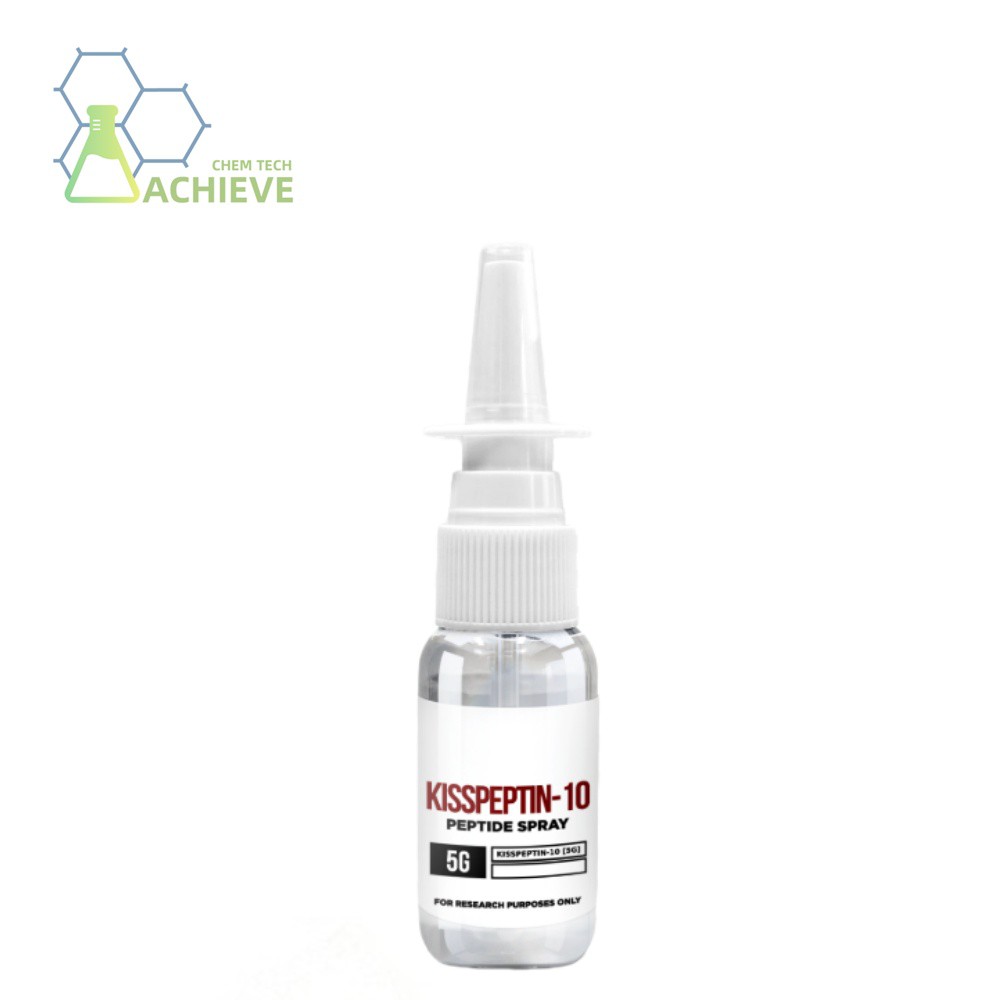
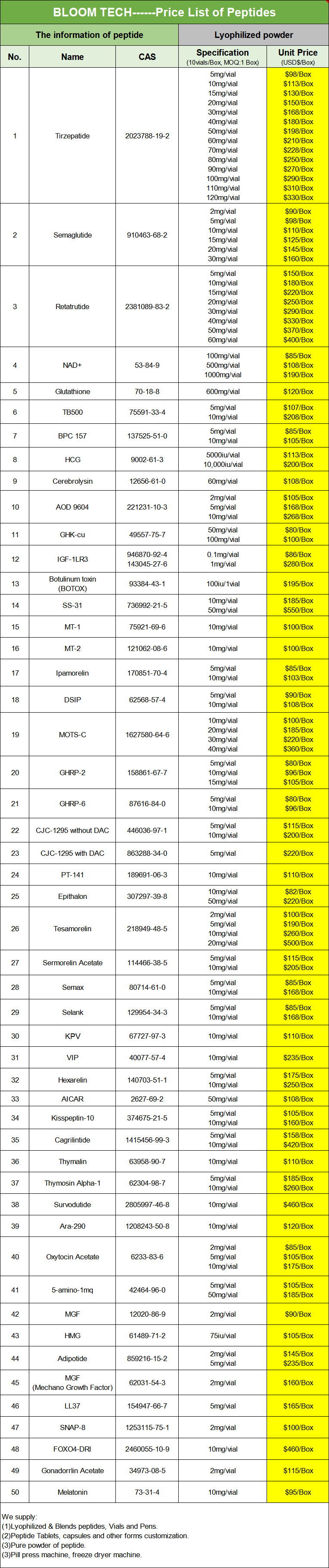
Shaanxi BLOOM Tech Co., Ltd. is one of the most experienced manufacturers and suppliers of kisspeptin-10 peptide in China. Welcome to wholesale bulk high quality kisspeptin-10 peptide for sale here from our factory. Good service and reasonable price are available.
Kisspeptin-10 Peptide can stimulate the pulsatile secretion of GnRH (gonadotropin-releasing hormone), thereby regulating the release of LH (luteinizing hormone) and FSH (follicle stimulating hormone) from the pituitary gland and determining changes in the female menstrual cycle. At the same time, in animal experiments, administration of Kisspeptin can induce early puberty, strongly stimulate LH/FSH release, and knockout of KISS1 or GPR54 genes in mice → puberty loss+infertility. It can inhibit tumor angiogenesis and tumor cell metastasis through GPR54 receptor, show metastasis inhibition in melanoma, breast cancer, prostate cancer and other tumors, and enhance the expression of ICAM-1, VCAM-1 and other adhesion molecules in vascular endothelial cells.
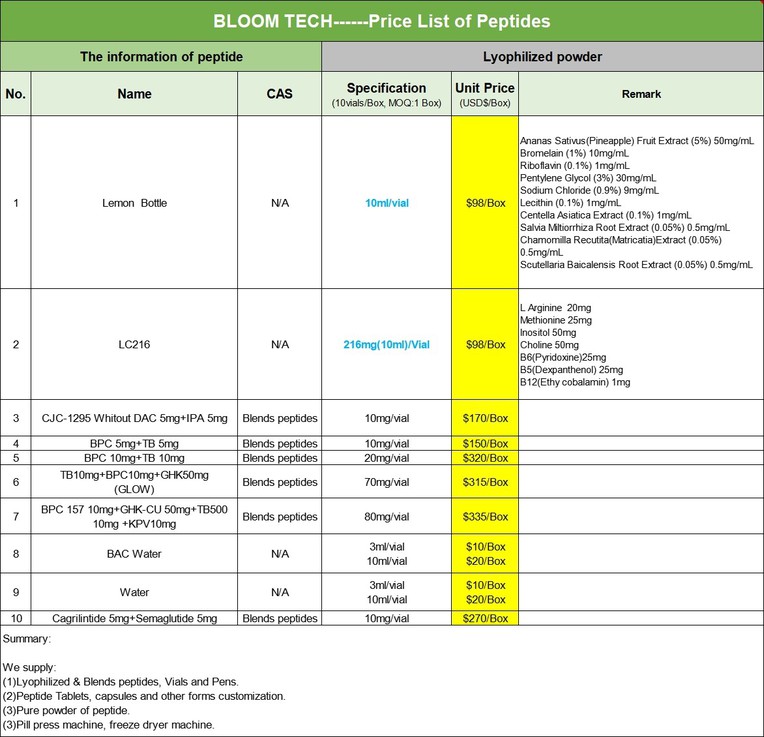
Our products Form




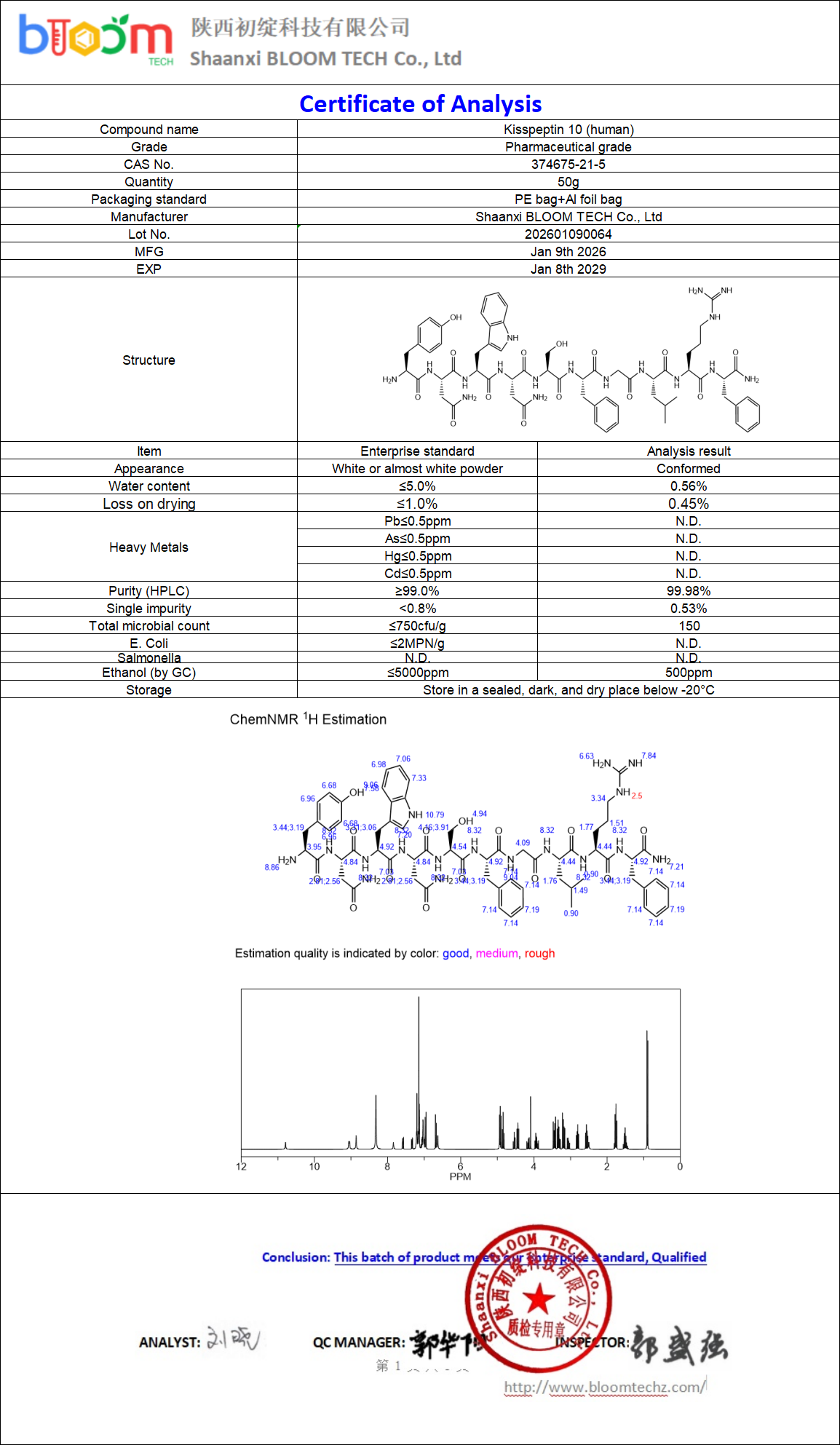
Kisspeptin-10 (human) COA


Kisspeptin-10 Peptide (KP-10) is an active short peptide encoded by the KISS1 gene. It is a core regulatory factor of the hypothalamic pituitary gonadal axis (HPG axis) and also serves as a bidirectional regulatory hub for metabolism reproduction. It is deeply involved in the precise regulation of glucose and lipid metabolism, energy balance, fat homeostasis, and endocrine interactions. Through the dual mechanism of central hypothalamic regulation+direct action of peripheral multiple organs, it integrates metabolic signals such as leptin, insulin, and hunger hormone, regulates pancreatic beta cell function, liver glycolipid metabolism, adipose tissue differentiation and thermogenesis, and hypothalamic appetite neural circuit, showing key application value in the fields of type 2 diabetes, obesity, metabolic syndrome, and reproductive metabolic comorbidity.
Molecular basis and mechanism of action of metabolic regulation
Molecular Structure and Metabolism Related Distribution
KP-10 is the smallest active fragment of the Kisspeptin family, with an amino acid sequence of Tyr Asn Trp Asn Ser Phe Gly Leu Arg Phe NH ₂, a molecular weight of approximately 1320Da, and a C-terminal RF amide group as the receptor binding core domain. Its receptor KISSSR (GPR54) is widely expressed in key metabolic organs such as the central hypothalamus (arcuate nucleus, periventricular nucleus), pancreatic beta cells, liver, white adipose tissue (WAT), brown adipose tissue (BAT), skeletal muscle, etc., laying the structural foundation for multi-target metabolic regulation.
Central distribution: Kisspeptin neurons (KNDY neurons) in the hypothalamic arcuate nucleus co express neuropeptide B (NKB) and dynorphin, and are adjacent to NPY/AgRP (appetite promoting) and POMC/ART (appetite suppressing) neurons, directly participating in the regulation of appetite and energy balance.
Peripheral distribution: KIS1R regulates insulin secretion in pancreatic beta cells; Liver KISSSR is involved in gluconeogenesis and lipid synthesis; WAT/BAT KISSSR regulates fat differentiation, lipolysis, and thermogenesis; Skeletal muscle KISSSR regulates glucose uptake and energy expenditure.

Core metabolic regulation mechanism: central peripheral bidirectional integration
KP-10 integrates metabolic signals through a dual pathway of central nervous system regulation and direct action of peripheral organs, forming a metabolic regulatory network of "hypothalamus pancreas liver adipose tissue".
Central mechanism: KP-10 binds to hypothalamic KIS1R, activates the Gq/PLC/IP3/Ca ² ⁺ pathway, regulates the expression of appetite neuropeptides such as NPY, POMC, BDNF, and receives signals from leptin, insulin, and ghrelin, coupling energy status with reproductive function.
Peripheral mechanism:
Pancreas: activates β - cell KIS1R, glucose dependent promotion of insulin secretion, does not affect basal insulin, and avoids hypoglycemia.
Liver: regulates gluconeogenesis, glycogen synthesis, and lipid metabolism, inhibits fat synthesis, and promotes fatty acid oxidation.
Adipose tissue: inhibits WAT adipogenesis and promotes lipolysis; Activate BAT heat generation (upregulate UCP1 and PRDM16) to increase energy consumption.
Skeletal muscle: promotes the expression of glucose transporter 4 (GLUT4), enhances glucose uptake and utilization, and improves insulin sensitivity.

Reference source:
- Cenexa Labs. Kisspeptin-10 Peptide. 2026.
- Biological communication. Depth: Kisspeptin neurons: the bidirectional regulatory hub of metabolism reproduction in the hypothalamus. 2025.
- Izzi-Engbeaya C, et al. Kisspeptin and Glucose Homeostasis. Semin Reprod Med. 2019.
- Pruszyńska-Oszmałek E, et al. Metabolic actions of kisspeptin signaling: Effects on body weight, energy expenditure, and feeding. Int J Mol Sci. 2026.
- Chinese Journal of Endocrinology and Metabolism Kisspeptin - a new link connecting energy and reproduction .2025.
Regulation of blood glucose homeostasis: insulin secretion and glucose metabolism regulation

Glucose dependent insulin secretion promotion (direct action of pancreatic beta cells)
KP-10 is a physiological insulinotropic peptide that directly activates pancreatic beta cell KIS1R, promoting insulin release only during hyperglycemia without affecting basal insulin levels. Its safety is significantly better than traditional secretagogues.
Effect: In vitro human/rat pancreatic islet experiments showed that 100nM KP-10 can increase glucose stimulated insulin secretion (GSIS) by 50% -80% in a concentration dependent manner; In vivo experiments in rhesus monkeys have confirmed that intravenous injection of KP-10 (1nmol/kg) increases postprandial insulin peak by 40% and decreases the area under the blood glucose curve (AUC) by 25%.
Molecular mechanism: KP-10 → KISSSR → Gq protein activation → PLC activation → IP3 generation → endoplasmic reticulum Ca ² ⁺ release → intracellular Ca ² ⁺ concentration increase → PKC activation → insulin granule exocytosis; Simultaneously upregulate β - cell GLUT2 expression, enhance glucose uptake, and further promote GSIS.
Advantages: Glucose dependence, extremely low risk of hypoglycemia; Not causing depletion of beta cells, long-term use does not reduce insulin secretion function; Synergistic with GLP-1 to enhance insulinotropic effect.


Liver glucose metabolism regulation: inhibits gluconeogenesis and promotes glycogen synthesis
KP-10 indirectly improves insulin sensitivity, regulates liver glucose metabolism, reduces endogenous glucose production, and lowers fasting blood glucose by directly acting on liver cell KIS1R+.
Effect: High fat diet induced insulin resistance mice were intraperitoneally injected with KP-10 (1 μ g/kg/day, 4 weeks). The expression of hepatic gluconeogenesis key enzymes (PEPCK, G6Pase) decreased by 30% -50%, glycogen synthase (GS) activity increased by 40%, fasting blood glucose decreased by 1.5-2.0 mmol/L, and glucose tolerance was significantly improved.
Molecular mechanism: Activation of KIS1R in liver cells → Activation of AMPK pathway → Inhibition of CREB/PGC-1 α signaling → Downregulation of gluconeogenesis gene transcription; Simultaneously enhancing insulin signaling (Akt phosphorylation) → promoting glycogen synthesis and inhibiting glycogen breakdown.


Enhanced glucose utilization in skeletal muscles: improving insulin resistance
KP-10 is a new target for insulin sensitization in type 2 diabetes by promoting the expression of GLUT4 and membrane translocation in skeletal muscle, enhancing glucose uptake and oxidation, and reducing insulin resistance.
Effect: Knockout of KISS1R reduces GLUT4 expression in skeletal muscle of mice by 40% and glucose uptake by 35%, resulting in severe insulin resistance;
Supplementing KP-10 (1 μ g/kg/day, 8 weeks) can reverse the above abnormalities, restore GLUT4 expression to wild-type levels, and increase insulin mediated glucose uptake by 50%.
Clinical significance: KP-10 (1 μ g/kg/day, 12 weeks) was injected subcutaneously in type 2 diabetes patients (BMI 25-30 kg/m ²), insulin resistance index (HOMA-IR) was reduced by 30%, glycosylated hemoglobin (HbA1c) was reduced by 0.5% -0.8%, and there was no risk of weight gain.


Auxiliary improvement of complications of diabetes: protect pancreatic islet function and reduce oxidative stress
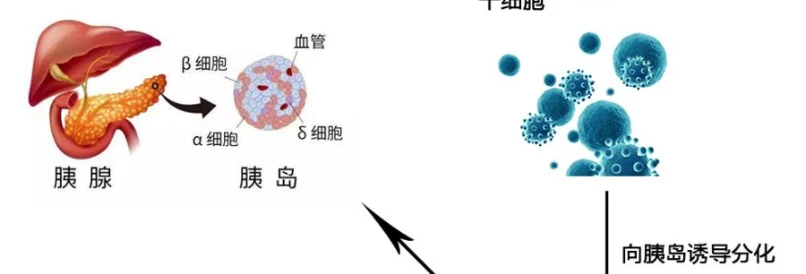
KP-10 can inhibit β cell apoptosis, reduce islet inflammation, improve pancreatic microcirculation, protect endogenous islet function, and delay the progress of diabetes; At the same time, it can reduce oxidative stress and improve vascular complications of diabetes.
Effect: In the streptozotocin (STZ) induced diabetes mice, after 4 weeks of KP-10 intervention, the apoptosis rate of pancreatic β cells decreased by 50%, the expression of pancreatic inflammatory factors (TNF - α, IL-6) decreased by 40%, and the serum insulin level increased by 30%.
Mechanism: Activation of KISSSR → activation of PI3K/Akt pathway → inhibition of caspase-3/9 apoptosis signal; Simultaneously upregulate the expression of antioxidant enzymes (SOD, GSH Px) and alleviate beta cell damage mediated by reactive oxygen species (ROS).
Reference source:
- Bowe JE, et al. Kisspeptin stimulation of insulin secretion: mechanisms of action in mouse islets and rats. Diabetologia. 2009.
- Izzi-Engbeaya C, et al. Kisspeptin and Glucose Homeostasis. Semin Reprod Med. 2019.
- Cenexa Labs. Kisspeptin-10 . 2026.
- Song W, et al. Trihormonal regulatory circuit linking role of KP in regulation of metabolism. Diabetes Obes Metab. 2022.
- Chinese Journal of Endocrinology and Metabolism Kisspeptin - a new link connecting energy and reproduction.2025.
- Song W, et al. Trihormonal regulatory circuit linking role of KP in regulation of metabolism. Diabetes Obes Metab. 2022.
- Chinese Journal of Endocrinology and Metabolism Kisspeptin - a new link connecting energy and reproduction two thousand and twenty-five
- Song W, et al. Trihormonal regulatory circuit linking role of KP in regulation of metabolism. Diabetes Obes Metab. 2022.
- Izzi-Engbeaya C, et al. Kisspeptin and Glucose Homeostasis. Semin Reprod Med. 2019.
Fat metabolism regulation: inhibits obesity, promotes fat breakdown and thermogenesis

White adipose tissue (WAT) inhibition: reduces fat production and promotes lipolysis
KP-10 is a natural anti obesity peptide that directly acts on WAT KISSSR, inhibiting adipocyte differentiation and lipid synthesis, promoting fat breakdown, reducing fat accumulation, and lowering body weight and fat percentage.
Effect: In vitro 3T3-L1 adipocyte experiments showed that 100nM KP-10 can inhibit adipocyte differentiation by 40% and reduce lipid content by 50%; Obese mice on a high-fat diet were intervened with KP-10 for 8 weeks (1 μ g/kg/day), resulting in a weight loss of 8% -12%, a 30% reduction in epididymal fat weight, and a 20% -30% decrease in serum triglycerides (TG) and total cholesterol (TC).
Molecular mechanism:
Inhibition of Fat Production: Activation of KISSSR → AMPK Pathway Activation → Inhibition of SREBP-1c/PPAR γ Fat Synthesis Transcription Factor → Downregulation of Fatty Acid Synthase (FAS) and Acetyl CoA Carboxylase (ACC) Expression → Decreased Lipid Synthesis.
Promoting fat breakdown: Activation of KISSSR → Activation of cAMP PKA pathway → Hormone sensitive lipase (HSL) and adipose triglyceride lipase (ATGL) phosphorylation → Enhanced lipolysis → Increased release of free fatty acids (FFA) for energy supply or transport to the liver for oxidation.


Brown adipose tissue (BAT) activation: promotes thermogenesis and increases energy expenditure
KP-10 activates BAT KISSSR, upregulates the expression of key thermogenic proteins UCP1 and PRDM16, promotes non shivering thermogenesis, increases energy expenditure, and reduces the risk of obesity. It is a new target for "fat burning".
Effect: Knockout of KISS1R in mice reduces BAT UCP1 expression by 50%, decreases thermogenesis by 40%, and increases the risk of obesity;
Supplementing KP-10 can reverse UCP1 expression abnormalities, increase BAT thermogenic activity by 60%, increase energy expenditure by 25%, and significantly reduce obesity induced by high-fat diet.
Mechanism: KP-10 → KISSSR → Gq/PLC/IP3/Ca ² ⁺ pathway → Ca ² ⁺ influx → activation of CREB/PGC-1 α signal → upregulation of UCP1 and PRDM16 transcription → enhanced mitochondrial thermogenesis in BAT.

Reference source:
- Pruszyńska-Oszmałek E, et al. Metabolic actions of kisspeptin signaling: Effects on body weight, energy expenditure, and feeding. Int J Mol Sci. 2026.
- Cenexa Labs. Kisspeptin-10 Peptide. 2026.
- Tolson KP, et al. Kisspeptin signaling in brown adipose tissue regulates thermogenesis and energy expenditure. Mol Metab. 2020.
- Pruszyńska-Oszmałek E, et al. Metabolic actions of kisspeptin signaling: Effects on body weight, energy expenditure, and feeding. Int J Mol Sci. 2026.
Frequently Asked Questions
It has a "mutual balance" with the endogenous cannabinoid system - it can "cross talk" in both the testes and the brain
+
-
Kisspeptin-10 treatment affects the expression of CB1 cannabinoid receptors and the level of AEA hydrolase FAAH in testicular tissue, and vice versa.
The animal study published in 2023 revealed for the first time this cross system mutual regulatory mechanism: in male rats, Kisspeptin-10 not only affects GnRH expression in the hypothalamus, but also alters the levels of CB1 receptors and FAAH (the main hydrolase of endocannabinoid AEA) in the testes.
This means that reproductive regulation is an "interwoven network of multiple signaling systems" rather than a "single pathway". Cannabinoid substances may affect reproductive function by interfering with the Kisspeptin signaling pathway - this finding has implications for understanding the relationship between drug abuse and reproductive health.
What is its primary degradation product? --Removal of N-terminal tyrosine metabolites
+
-
In plasma, the primary degradation product of Kisspeptin-10 was identified as a peptide segment lacking N-terminal tyrosine (sequence: NWDSFGLRF-NH ₂ after Y deletion).
LC-MS/MS studies have found that this degradation product is clearly detected in rat plasma, and its degradation mechanism starts from the N-terminus and is cleaved one by one, with tyrosine residues being the first to be cleaved.
Although this metabolite has lost some of its full molecular excitatory activity, it may still occupy the GPR54 receptor site, and its accumulation may interfere with subsequent administration during repeated or continuous infusion.
Hot Tags: kisspeptin-10 peptide, suppliers, manufacturers, factory, wholesale, buy, price, bulk, for sale, sermorelin powder, DecaPeptide 12 CAS 137665 91 9, GLP 1 Peptide CAS 87805 34 3, Epitalon Powder CAS 307297 39 8, CJC 1295 Peptide, Best Growth Hormone Releasing Peptide CAS 87616 84 0