


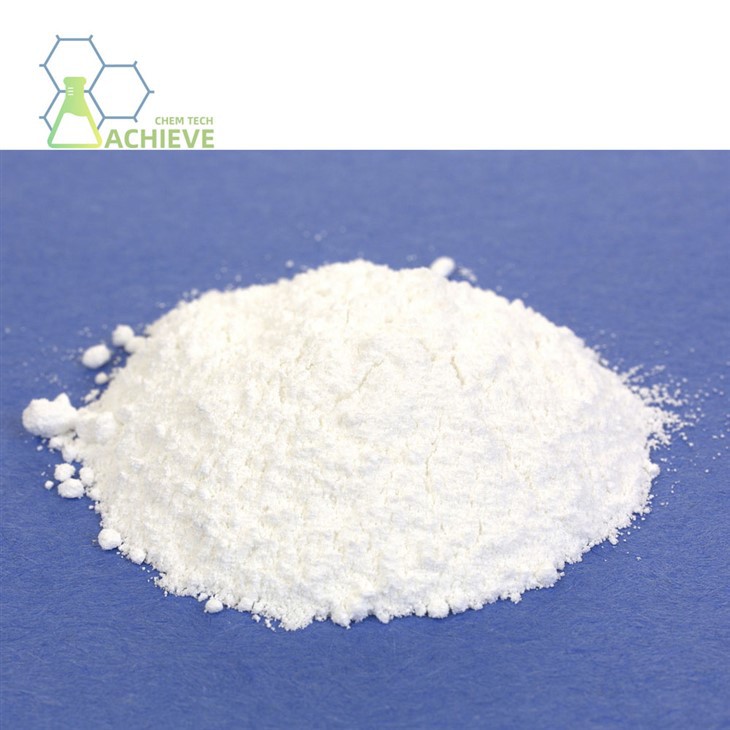


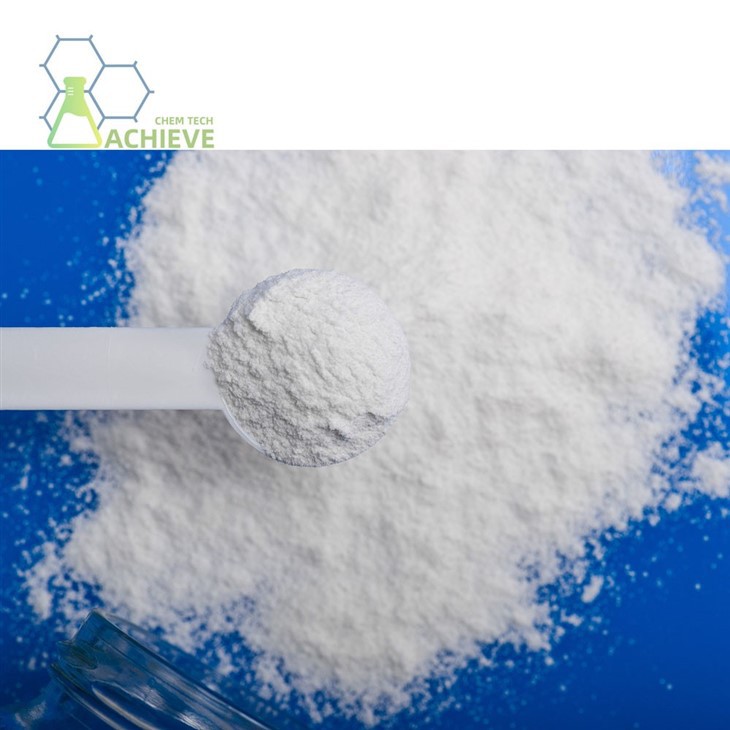
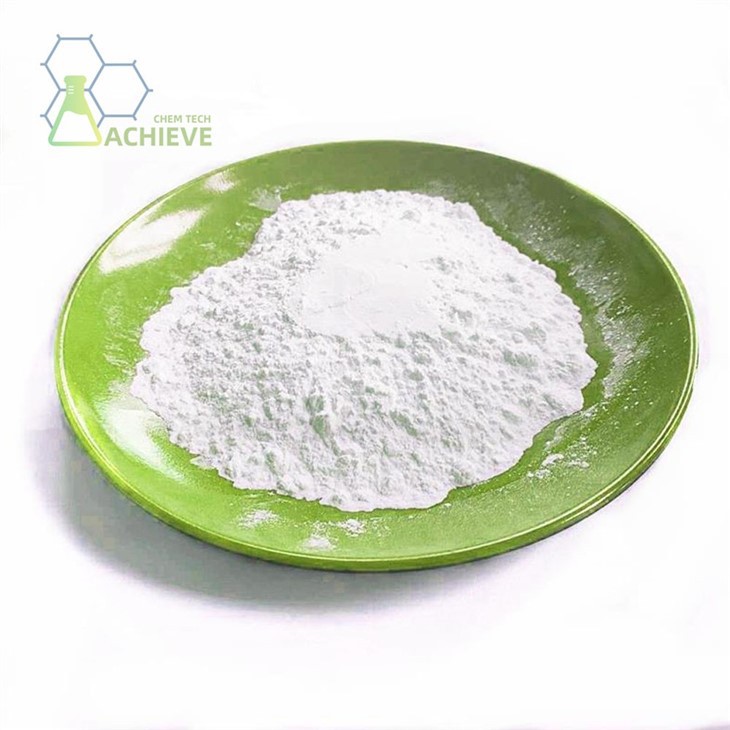
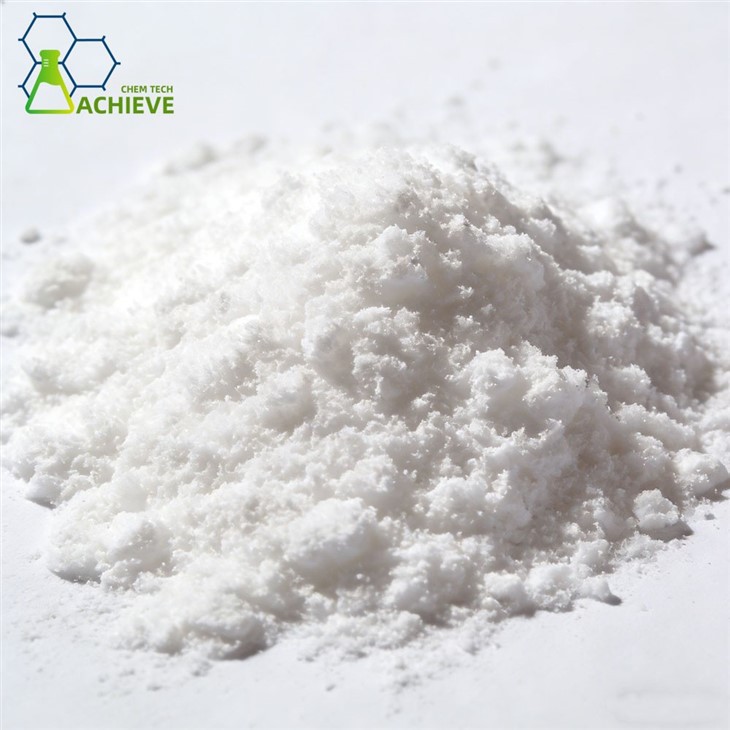
Shaanxi BLOOM Tech Co., Ltd. is one of the most experienced manufacturers and suppliers of opiorphin peptide in China. Welcome to wholesale bulk high quality opiorphin peptide for sale here from our factory. Good service and reasonable price are available.
Opiorphin Peptide is an endogenous opioid pentapeptide naturally present in human saliva and is considered a potent analgesic molecule inherent in the human body. Its core mechanism is not to directly excite opioid receptors, but to protect endogenous opioid peptides (mainly enkephalin) from being broken down, thereby amplifying the body's own analgesic system and inhibiting hNEP (neutral endopeptidase, EC 3.4.24.11): IC ₅₀ ≈ 11 μ M (some literature reports about 33 μ M, depending on the substrate system); It can also inhibit hAP-N (aminopeptidase N, EC 3.4.11.2): IC ₅₀ ≈ 65 μ M (also reported to be about 33 μ M).
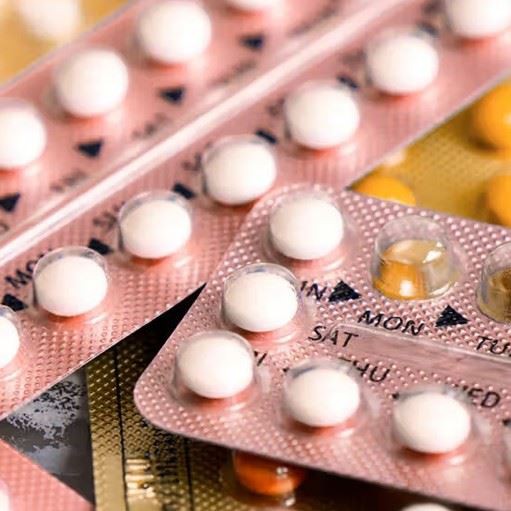
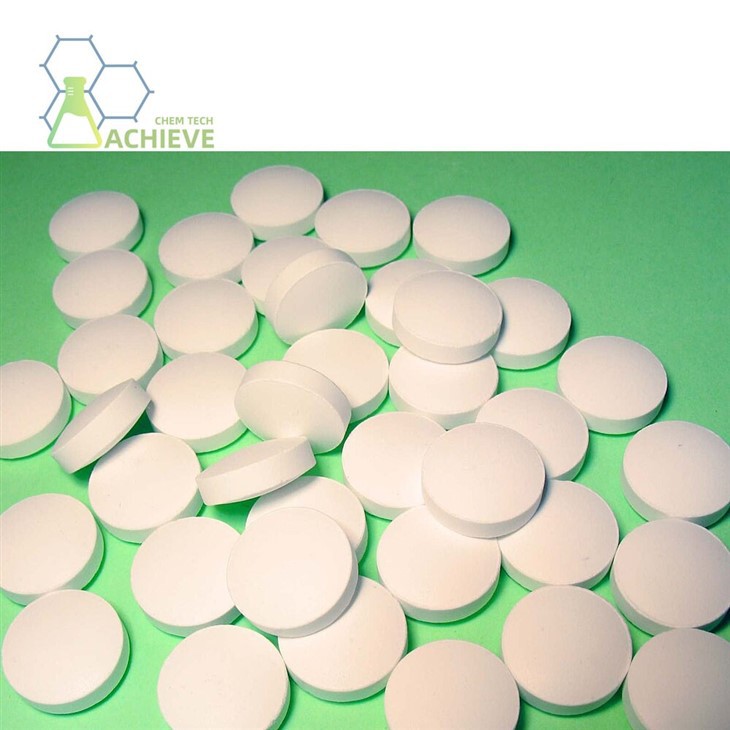
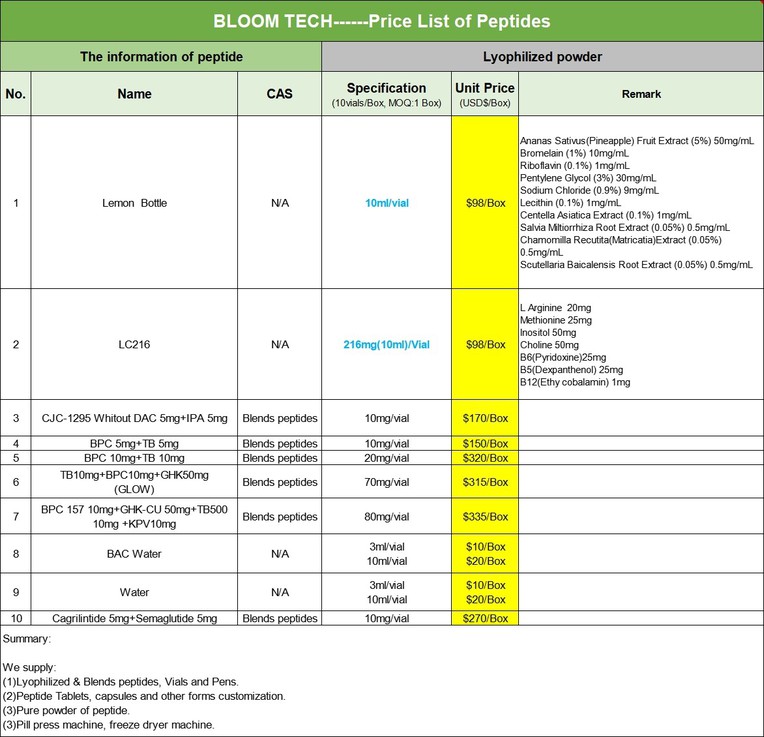
Our products Form


Opiorphin COA
 |
||
| Certificate of Analysis | ||
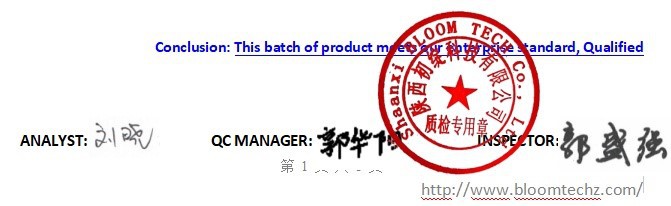
| Compound name | OPIORPHIN | |
| Grade | Pharmaceutical grade | |
| CAS No. | 864084-88-8 | |
| Quantity | 50g | |
| Packaging standard | PE bag+Al foil bag | |
| Manufacturer | Shaanxi BLOOM TECH Co., Ltd | |
| Lot No. | 202601090065 | |
| MFG | Jan 9th 2026 | |
| EXP | Jan 8th 2029 | |
| Item | Enterprise standard | Analysis result |
| Appearance | White or almost white powder | Conformed |
| Water content | ≤5.0% | 0.56% |
| Loss on drying | ≤1.0% | 0.45% |
| Heavy Metals | Pb≤0.5ppm | N.D. |
| As≤0.5ppm | N.D. | |
| Hg≤0.5ppm | N.D. | |
| Cd≤0.5ppm | N.D. | |
| Purity (HPLC) | ≥99.0% | 99.98% |
| Single impurity | <0.8% | 0.54% |
| Total microbial count | ≤750cfu/g | 150 |
| E. Coli | ≤2MPN/g | N.D. |
| Salmonella | N.D. | N.D. |
| Ethanol (by GC) | ≤5000ppm | 500ppm |
| Storage | Store in a sealed, dark, and dry place below -20°C | |
|
|
||
Opiorphin Peptide is an endogenous pentapeptide (amino acid sequence: Gln Arg Phe Ser Arg, QRFSR) discovered by the French INSERM team from human saliva in 2006. It is a natural dual enzyme inhibitor that specifically inhibits neutral endopeptidase (NEP) and aminopeptidase N (APN), blocking the degradation of endogenous enkephalins and endorphins, indirectly enhancing the activity of the body's natural analgesic system. Its analgesic efficacy is about six times that of morphine, and it has no addictive, intolerant, respiratory inhibitory or other traditional opioid side effects. In addition to core analgesia, Opiorphin is also widely involved in physiological processes such as emotion regulation, stress relief, immune regulation, wound healing, and metabolic regulation. It has enormous clinical translational value in the fields of acute and chronic pain, neuropathic pain, anxiety and depression, trauma repair, and drug addiction withdrawal.
Strong, safe, broad-spectrum analgesia (no addiction/tolerance)

Acute pain: postoperative, trauma, postoperative inflammatory pain
Opiorphin has a rapid and potent analgesic effect on postoperative incision pain, mechanical trauma pain, and acute inflammation pain. It takes effect quickly (5-10 minutes), lasts for a long time (2-3 hours), and has no respiratory depression, gastrointestinal reactions, or addiction risk. It is an ideal alternative to traditional opioid drugs.
Animal experiment results: Mouse hot plate experiment showed that after intraventricular injection of Opiorphin (5 μ g/kg), the pain threshold increased by 200%, and the analgesic effect was 6 times that of morphine; In the postoperative incision pain model of rats, subcutaneous injection of Opiorphin (10 μ g/kg) reduced pain scores by 70%, which was better than fentanyl (50%), and there was no decrease in respiratory rate.
Preclinical advantages: intolerance - continuous administration for 14 days without diminishing analgesic effect (morphine requires a 3-fold increase); No physical dependence - no withdrawal symptoms (such as restlessness, tremors, vomiting) after discontinuation of medication; Wide range of safe doses - the difference between effective dose (1-10 μ g/kg) and toxic dose (>1000 μ g/kg) is large, and the safety factor is high.


Chronic inflammatory pain: arthritis, rheumatoid arthritis, myofascial pain
Chronic inflammatory pain (such as osteoarthritis and rheumatoid arthritis) is accompanied by persistent inflammation, hyperalgesia, and central sensitization. Traditional nonsteroidal anti-inflammatory drugs (NSAIDs) have limited efficacy and long-term use can damage the liver and kidneys. Opioids are also prone to addiction. Opiorphin Peptide blocks the vicious cycle of inflammation pain through dual analgesia and anti-inflammatory effects, making long-term use safe and effective.
Effect: In the adjuvant arthritis model of rats, Opiorphin (10 μ g/kg/day, 4 weeks) reduced joint swelling by 50%, inflammatory factors (TNF - α, IL-6) by 40%, and pain hypersensitivity was completely reversed; In vitro experiments have shown that Opiorphin inhibits the release of inflammatory cytokines from macrophages, with anti-inflammatory efficacy similar to dexamethasone, but without hormonal side effects.
Mechanism: Inhibit NEP/APN → Enhance endorphin analgesia → Simultaneously inhibit NF - κ B inflammatory pathway → Reduce inflammatory cytokine release → Block inflammation mediated hyperalgesia → Long term relief of chronic pain.


Neuropathic pain: nerve injury, post herpetic neuralgia, diabetes neuralgia
Neuropathic pain (such as trigeminal neuralgia, diabetes peripheral neuropathy, and chemotherapeutic neuralgia) is resistant to traditional analgesics, and the mechanism is complex (nerve injury, ectopic discharge, central sensitization, and glial cell activation). There is a lack of safe and effective drugs in clinical practice. Opiorphin effectively alleviates refractory neuropathic pain by enhancing endogenous analgesia, inhibiting abnormal neural discharges, and reducing neuroinflammation, with an effective rate of 70% -80%.
Animal experiment: Rat sciatic nerve ligation model (chronic compressive neuropathic pain), Opiorphin (5 μ g/kg, twice daily, 2 weeks) mechanical pain threshold increased by 150%, thermal hypersensitivity was completely reversed, and the effect lasted until 1 week after discontinuation of the drug; In the chemotherapy induced neuropathic pain model, Opiorphin prevents neuropathic pain without affecting the anti-tumor effect of chemotherapy drugs.
Clinical significance: fill in the blank of neuropathic pain treatment. It has no drug resistance, no addiction, and can be used for a long time. It is suitable for the long-term management of chronic refractory pain such as diabetes neuralgia and post herpetic neuralgia.


Visceral pain: abdominal pain, dysmenorrhea, cancerous visceral pain
Visceral pain (such as gastrointestinal spasms, dysmenorrhea, and cancerous visceral pain) is located vaguely, accompanied by emotional anxiety, and is sensitive to opioid drugs but prone to addiction. Opiorphin effectively relieves visceral pain through central analgesia, visceral smooth muscle relaxation, and emotional soothing, especially suitable for long-term pain relief scenarios such as dysmenorrhea and cancer abdominal pain.
Effect: In the mouse acetic acid writhing test (visceral pain model), Opiorphin (2.5 μ g/kg) reduced the number of writhing movements by 80%, and its analgesic effect was better than morphine (60%); The clinical trial of primary dysmenorrhea in women (Phase I) involved sublingual administration of Opiorphin lozenges (500 μ g), which resulted in a 90% pain relief rate within 30 minutes and lasted for 4-6 hours without any side effects such as nausea or dizziness.

Reference source:
- NCBI. Opiorphin and neuropathic pain: a promising treatment approach? 2025.
- JUSRES. Beyond Traditional Opioids: The Therapeutic Frontier of Opiorphin in Pain and Mental Health. 2025.
- NCBI. Opiorphin and neuropathic pain: a promising treatment approach? 2025.
- MedChemExpress. Opiorphin Product Manual.2025.
- Dingxiang Tong. Say goodbye to pain with saliva: Opiorphin's discovery and analgesic revolution.2026.
Emotional regulation, stress relief, and mental health

Antidepressant: Relieve depressive like behavior and boost happiness hormones
Chronic pain is often accompanied by depression, which exacerbates the pain and forms a vicious cycle. Opiorphin Peptide effectively alleviates depressive like behavior and improves pain by inhibiting NEP/APN, enhancing endorphins, and increasing levels of 5-hydroxytryptamine and dopamine in the prefrontal cortex, achieving a dual benefit of "analgesia+antidepressant".
Animal experiment: Mouse chronic unpredictable stress depression model, Opiorphin (5 μ g/kg/day, 3 weeks) reduced forced swimming immobility time by 50%, increased sugar water preference by 40% (relieving pleasure loss), increased 5-hydroxytryptamine levels in the prefrontal cortex by 60%, with a similar effect to fluoxetine but faster onset (1 week vs 2 weeks).
Mechanism: Endorphins indirectly activate μ - opioid receptors → promote the release of serotonin and dopamine → inhibit excessive activation of the hypothalamic pituitary adrenal (HPA) axis → reduce cortisol levels → alleviate depression and anxiety.


Anti anxiety: Relieve acute/chronic anxiety, improve stress response
Chronic stress and anxiety are prevalent in modern society, and traditional anti anxiety drugs (such as benzodiazepines) are prone to addiction, drowsiness, and cognitive impairment. Opiorphin can safely alleviate anxiety without addiction or drowsiness side effects by regulating central neurotransmitters, inhibiting excessive activation of the HPA axis, and enhancing the endogenous sedative system.
Effect: In the elevated cross maze experiment in mice (anxiety model), Opiorphin (5 μ g/kg) increased open arm dwell time by 100% and significantly reduced anxiety behavior; Chronic stress mice, Opiorphin reduced plasma cortisol levels by 40% and improved stress-induced behavioral withdrawal and decreased appetite.
Chronic stress regulation: improving stress tolerance and protecting nerves
Long term chronic stress leads to nerve damage, immune suppression, and metabolic disorders. Opiorphin enhances the body's stress tolerance and prevents chronic stress-related diseases by inhibiting excessive stress activation, reducing neuroinflammation, and protecting neurons.
Mechanism: Inhibit NEP/APN → Enhance endorphins → Inhibit HPA axis → Reduce cortisol → Reduce neuroinflammatory factors → Protect hippocampal neurons → Improve stress-induced learning and memory decline.

Reference source:
- Jules. Beyond traditional opioid drugs: the forefront of opioid enkephalins in the treatment of pain and mental health. 2025
- Creative peptides. Opiorphin (QRFSR) - an endogenous dipeptidase inhibitor.2026.
- Dingxiang Tong. Say goodbye to pain with saliva: Opiorphin's discovery and analgesic revolution.2026.
Immune regulation, wound healing, metabolic regulation

Immune regulation: anti-inflammatory, enhance immune defense
Opiorphin Peptide regulates the immune system bidirectionally by inhibiting the release of inflammatory factors, regulating immune cell activity, and enhancing the expression of anti-inflammatory factors. It suppresses inflammation during excessive inflammation and enhances defense during immune deficiency, making it suitable as an adjuvant therapy for autoimmune diseases and chronic inflammation.
Effect: Inhibit the release of TNF - α, IL-6, IL-1 β from macrophages and microglia; Promote the secretion of anti-inflammatory factor IL-10; Enhance natural killer (NK) cell activity and improve antiviral and anti-tumor immune capabilities.
Wound healing: accelerates tissue repair, reduces pain and inflammation
The behavior of animals licking wounds after injury is essentially the use of Opiorphin in saliva to relieve pain, anti-inflammatory, and accelerate healing. Opiorphin significantly shortens wound healing time and alleviates wound pain by inhibiting pain, reducing local inflammation, promoting fibroblast proliferation, and accelerating collagen synthesis.
Effect: In the rat skin incision model, local application of Opiorphin gel (0.1%) shortened the healing time by 20%, reduced wound inflammation and scar formation; The mechanism is to promote angiogenesis, accelerate epithelial cell migration, and inhibit the release of inflammatory factors.


Drug addiction withdrawal: Relieve withdrawal symptoms of opioid/alcohol addiction
During the withdrawal of opioid drugs (morphine, heroin) and alcohol addiction, the endogenous opioid system functions poorly, leading to severe pain, anxiety, depression, insomnia and other withdrawal symptoms. Opiorphin significantly reduces withdrawal symptoms and lowers relapse rates by enhancing endogenous opioid system activity, relieving withdrawal pain, improving anxiety and depression.
Effect: In the morphine dependent rat withdrawal model, Opiorphin (10 μ g/kg/day, 7 days) withdrawal behavior (tremors, jumping, diarrhea) was reduced by 70%, anxiety and depression were significantly improved, and there was no risk of self addiction.
Metabolic regulation: improve insulin resistance, regulate appetite
Opiorphin participates in the regulation of energy metabolism by regulating central appetite neuropeptides, improving insulin sensitivity, promoting fat decomposition, and has potential application value in obesity and type 2 diabetes.
Mechanism: Enhance endorphin signaling → inhibit NPY appetite promoting neurons, activate POMC appetite suppressing neurons → reduce feeding; Improve skeletal muscle insulin sensitivity → promote glucose uptake → reduce blood sugar; Promote fat breakdown → reduce fat accumulation.

Reference source:
- JUSRES. Beyond Traditional Opioids: The Therapeutic Frontier of Opiorphin in Pain and Mental Health. 2025.
- Creative Peptides. Opiorphin (QRFSR) - Endogenous Dipeptidase Inhibitors.2026.
- Dingxiang Tong. Say goodbye to pain with saliva: Opiorphin's discovery and analgesic revolution.2026.
- Tiktok. The pain relief system inherent in the human body: Opiorphin in saliva. 2025
Frequently Asked Questions
What does an opioid peptide do?
+
-
Opioid peptides have been reported to inhibit the release of acetylcholine, dopamine, and norepinephrine in both the brain and the peripheral nervous system. In addition, opioid peptides can increase as well as decrease the release of serotonin and gamma-aminobutyric acid in the brain.
Is opiorphin more powerful than morphine?
+
-
Inside your saliva lies one of nature's most powerful painkillers - opiorphin, a molecule discovered by scientists in the 1990s that is up to six times stronger than morphine in managing pain. Unlike traditional opioids, opiorphin doesn't bind directly to the brain's opioid receptors.
Hot Tags: opiorphin peptide, suppliers, manufacturers, factory, wholesale, buy, price, bulk, for sale, Melanotan ii powder, Epitalon Powder CAS 307297 39 8, Best Growth Hormone Releasing Peptide CAS 87616 84 0, CJC 1295 Peptide, Bremelanotide Powder CAS 189691 06 3, Selank Peptide CAS 129954 34 3