

IPTG, or isopropyl β-D-1-thiogalactopyranoside, is a well - known reagent in the field of molecular biology. As an IPTG reagent supplier, I've seen firsthand how this little chemical can have a big impact on protein research, especially when it comes to post - translational modification of proteins.

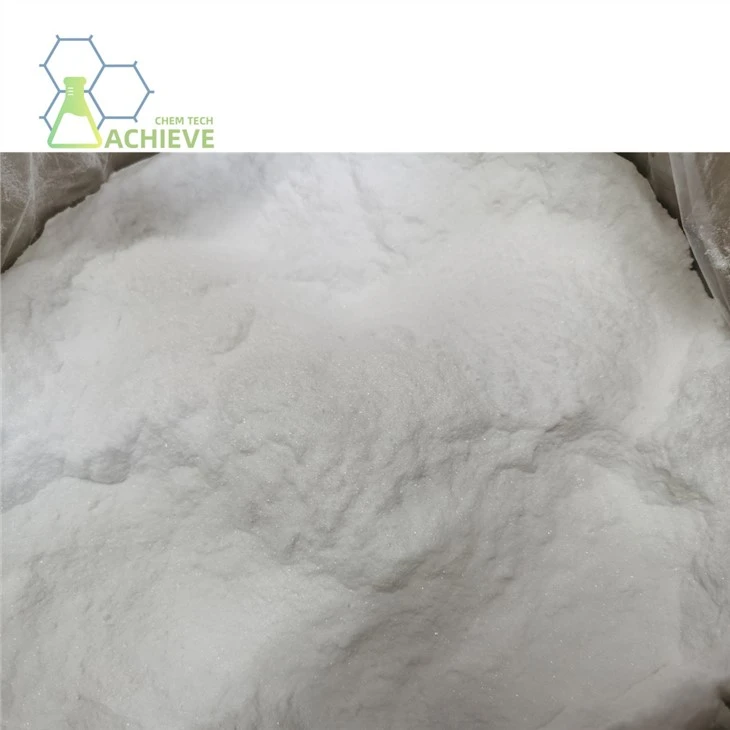
IPTG Reagent
Product Code: BM-2-5-091
English Name: IPTG
CAS NO.: 367-93-1
MF: C9H18O5S
MW: 238.3
EINECS: 206-703-0
Manufacturer: BLOOM TECH Wuxi Factory
Analysis: HPLC, LC-MS, HNMR
Main market: USA, Australia, Brazil, Japan, Germany, Indonesia, UK, New Zealand , Canada etc.
Technology support: R&D Dept.-4
We provide IPTG reagent, please refer to the following website for detailed specifications and product information.
Product:https://www.bloomtechz.com/synthetic-chemical/api-researching-only/iptg-reagent-cas-367-93-1.html
What is Post - translational Modification?
Before we dive into how IPTG affects post - translational modification, let's quickly go over what post - translational modification is. After a protein is synthesized from mRNA in a process called translation, it often undergoes various chemical modifications. These modifications can change the protein's structure, function, stability, and its ability to interact with other molecules. Some common post - translational modifications include phosphorylation, glycosylation, acetylation, and ubiquitination.
How IPTG Works in Protein Expression

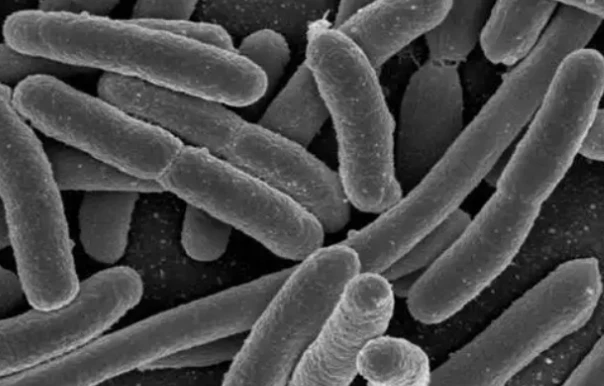
IPTG is widely used as an inducer in the expression of recombinant proteins in bacteria, especially in E. coli. In E. coli, the lac operon is a set of genes that are involved in lactose metabolism. Normally, the lac operon is repressed, but when IPTG is added to the culture, it binds to the lac repressor protein, causing a conformational change. This change releases the repressor from the operator region of the lac operon, allowing RNA polymerase to bind and transcribe the genes downstream, including the gene encoding the recombinant protein we're interested in.
Impact on Post - Translational Modification
Phosphorylation
Phosphorylation is one of the most important post - translational modifications. It can regulate protein activity, localization, and interactions. When IPTG is used to induce protein expression, it can indirectly affect phosphorylation. For example, the overexpression of a protein induced by IPTG might lead to an imbalance in the cell's kinase - phosphatase system. Some kinases might be overwhelmed with the large amount of substrate (the newly synthesized protein), leading to either under - or over - phosphorylation.
Moreover, the increased metabolic activity in the cell due to protein overexpression can change the availability of ATP, which is the phosphate donor for phosphorylation reactions. This can further disrupt the normal phosphorylation patterns of the expressed protein.
Glycosylation
Glycosylation is the addition of carbohydrate groups to proteins. Bacteria like E. coli, which are commonly used for protein expression with IPTG, do not have the same glycosylation machinery as eukaryotic cells.
However, the presence of IPTG - induced protein expression can still have an impact. The increased demand for cellular resources during protein overexpression can lead to a shortage of nucleotide sugars, which are the building blocks for glycosylation. This can result in incomplete or abnormal glycosylation patterns if the protein has potential glycosylation sites.


Acetylation
Acetylation is another important post - translational modification that can affect protein stability and function. IPTG - induced protein expression can change the intracellular environment. For instance, the increased production of proteins can alter the levels of acetyl - CoA, which is the acetyl donor for acetylation reactions. If the levels of acetyl - CoA are depleted due to high - level protein expression, it can lead to reduced acetylation of the expressed protein.
Case Studies
Let's look at some real - world examples. In a study, researchers were trying to express a recombinant human protein in E. coli using IPTG. They noticed that the protein had different phosphorylation patterns compared to the native protein in human cells. The overexpression induced by IPTG led to an abnormal phosphorylation state, which affected the protein's activity.
Another example is related to glycosylation. When a glycoprotein was expressed in E. coli with IPTG, the lack of proper glycosylation machinery in E. coli combined with the resource limitations caused by IPTG - induced overexpression resulted in a non - functional protein. The abnormal glycosylation pattern prevented the protein from folding correctly and interacting with its target molecules.
The Role of IPTG in Research and Industry
IPTG is a key tool in both research and the biotech industry. In research, it allows scientists to study the function of proteins by overexpressing them in a controlled manner. In the biotech industry, it is used for large - scale production of recombinant proteins for therapeutic and diagnostic purposes.
However, the impact of IPTG on post - translational modification needs to be carefully considered. For example, if a protein is intended for therapeutic use, any abnormal post - translational modifications can affect its safety and efficacy. Therefore, researchers and industry professionals need to optimize the IPTG induction conditions to minimize these effects.
Other Related Reagents
As an IPTG reagent supplier, I also want to mention some other reagents that are related to protein research. You might be interested in Amitriptyline Hydrochloride Powder CAS 549 - 18 - 8, which is used in some research studies related to protein - small molecule interactions. Cilengitide is another interesting reagent that can be used in the study of protein - cell interactions. And Protoporphyrin IX CAS 553 - 12 - 8 has applications in protein - heme interactions.


Conclusion and Call to Action
In conclusion, IPTG is a powerful reagent that has a significant impact on the post - translational modification of proteins. While it is a valuable tool for protein expression, we need to be aware of its potential effects on post - translational modification. Whether you're a researcher in a lab or a professional in the biotech industry, understanding these effects is crucial for successful protein research and production.
If you're interested in purchasing high - quality IPTG reagent or any of the other related reagents I mentioned, feel free to reach out. We're here to provide you with the best products and support for your protein research needs.
References
Alberts, B., Johnson, A., Lewis, J., Raff, M., Roberts, K., & Walter, P. (2002). Molecular Biology of the Cell. Garland Science.
Sambrook, J., & Russell, D. W. (2001). Molecular Cloning: A Laboratory Manual. Cold Spring Harbor Laboratory Press.