


Pet owners who are looking for a reliable flea and tick control often see the word phenylpyrazole and do not know what it means or why it is important. This chemical classification is the backbone of fipronil spot-on treatments, dictating their effectiveness, length of action, and why they are a trusted choice among veterinarians and pet carers worldwide. The phenylpyrazole core, when understood, helps explain the unusual capacity of the medication to selectively target parasites while preserving a favourable safety margin for mammals. This article explains the scientific basis for this categorisation, covering the molecular targets, processes and structural aspects that make fipronil spot-on such a powerful ectoparasiticide. Whether you're a distributor or consumer of veterinary products or simply curious about the science of pet health, this book will help demystify a topic frequently lost in technical language.
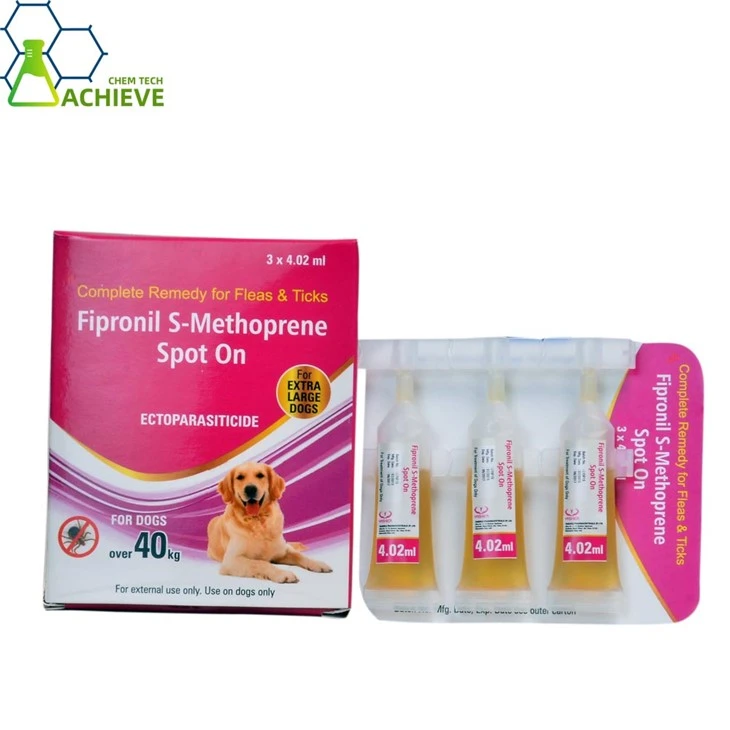
Fipronil Spot-On
1.General Specification(in stock)
(1)API(Pure powder)
PE/Al foil bag/ paper box for Pure powder
(2)Spot-On
cat:0.5ml
dog:0.67ml:2-10kg/1.34ml:10-20kg/2.68ml:20-40kg/4.02ml:40-60kg
(3)Solution
(4)Drops
2.Customization:
We will negotiate individually, OEM/ODM, No brand, for secience researching only.
Product Code:BM-9-018
Fipronil CAS 120068-37-3
Analysis: HPLC, LC-MS, HNMR
Technology support: R&D Dept.-3
What Makes Fipronil Spot-On a Phenylpyrazole-Based Ectoparasiticide?
It is a member of a chemical family called phenylpyrazoles , a category of synthetic chemicals aimed at disrupting insect neurological systems. This classification is not only a box on a chemical chart. This describes how fipronil spot-on works on a cellular level and how it differs from older pesticide types such as organophosphates or carbamates.
The Chemical Backbone of Phenylpyrazole Compounds
Phenylpyrazole compounds are characterised by a pyrazole ring bonded to a phenyl group and particular substituents conferring fipronil its potent activity. This structure was developed in pesticide research in the late 1980s first for crop protection and then extensively adapted to companion animal health. The chemical is built to attach securely to insect brain receptors, but with far lower affinity for their mammalian counterparts, a characteristic researchers see as key to its safety profile.
Why This Classification Matters for Pest Control
Treatments based on phenylpyrazoles are often still effective against pests that have gained resistance to previous classes of chemicals.

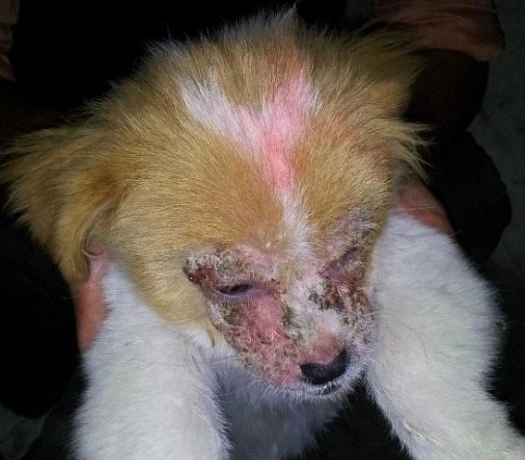
Fleas, ticks and lice that survive pyrethroids or organophosphates generally do not have the specialised resistance mechanisms necessary to survive fipronil. This cross-resistance gap makes fipronil spot-on an important rotational option in integrated pest control programs, especially in areas where parasite populations have developed tolerance to traditional treatments.
Distinguishing Fipronil From Other Insecticide Families
Phenylpyrazoles function on a completely different receptor system than neonicotinoids, which act on nicotinic acetylcholine receptors. This is a practical distinction since it lowers the chance of cross-resistance between classes of chemicals. If you're going to take fipronil,
you're better off using it with a growth regulator like S-methoprene, which works differently. That's why manufacturers of combination solutions combine them - they don't work the same way, so it gives you many lines of defence against multiple life stages of the parasite at the same time.
Fipronil Spot-On and Ligand-Gated Chloride Channels: Understanding Its Molecular Target
To understand why fipronil is so successful, it's useful to look at the precise receptors it targets in an insect's nervous system. The main molecular doorway through which this drug exerts its effects is the ligand-gated chloride channels. Understanding this mechanism explains much about the selective toxicity of the product.
What Ligand-Gated Channels Actually Do
Neurons communicate with each other through electrical and chemical signals and chloride channels act as gatekeepers to regulate the excitability of nerve cells. So when these channels are functioning properly , Cl⁻ ions flow into the neurone , reducing its activity and preventing it from firing too much . This mechanism maintains homeostasis in the nervous system , so the muscles are relaxed , and the nerve impulses can flow in a controlled , rhythmic manner .
How Fipronil Blocks Normal Channel Function
Fipronil spot-on physically blocks these chloride channels , stopping the normal inward passage of ions .
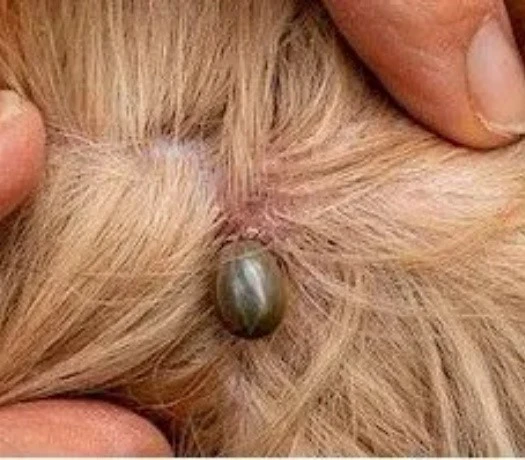
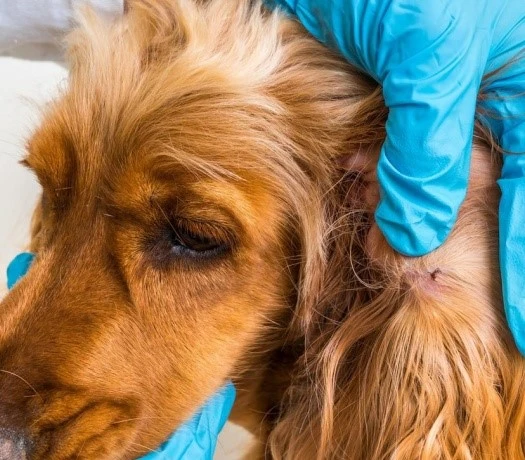
Without this limit on its activity, the neurones become hyperexcitable and fire indiscriminately. The overstimulation then cascades to cause the convulsions, paralysis and death seen in fleas, ticks and other vulnerable parasites. Fipronil has a substantially higher binding affinity for insect type channels than mammalian channels, this goes a long way to explaining why dogs and cats tolerate topical administration so much better than the parasites it targets.
Receptor Selectivity and Species-Specific Safety
Insect and human chloride channels have certain structural similarities, but tiny changes in the amino acid sequences offer a selectivity window that pharmaceutical chemists can exploit.
Fipronil molecules fit more snugly into the receptor pockets of insects than those of mammals. This property has been thoroughly verified by receptor-binding tests by researchers at agricultural and veterinary institutes. The selectivity does not mean that the substance is benign at high concentrations. This is why correct dosing based on body weight remains crucial to safe use, especially in the carefully calibrated dog formulations ranging from 0.67ml to 4.02ml depending on size.
How Do Phenylpyrazole Compounds Interfere with GABA-Regulated Chloride Transport?
Gamma-aminobutyric acid (GABA) is the principal inhibitory neurotransmitter in insect and mammalian nervous systems. Phenylpyrazole compounds selectively bind to the chloride channels regulated by GABA and this interaction is the biochemical basis of the insecticidal activity of fipronil.
The Role of GABA in Nervous System Regulation
GABA is a natural brake pedal for activation of neurones. When GABA binds to its receptors it opens chloride channels enabling negatively charged ions into the nerve cell . This inflow stabilises the electrical charge of the neurone and prevents it from reaching the threshold to fire an impulse . Without functioning GABA receptors, neurological systems lose this necessary inhibitory regulation and are left subject to uncontrolled neuronal excitation.
Fipronil's Interference Mechanism Explained
Fipronil spot-on binds to a separate place on the GABA receptor complex from the site where GABA itself binds .This sort of inhibition is called non-competitive antagonism by researchers .
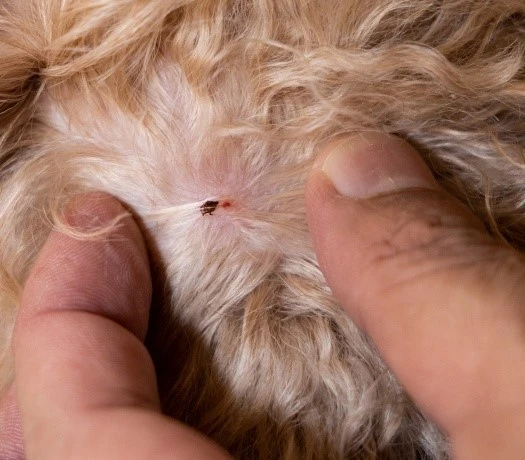

This binding essentially seals the chloride channel physically closed, regardless of how much GABA is present. The outcome is a neurological system overwhelmed by excitatory signals it cannot shut off, leading to the hyperactive tremors and eventual paralysis characteristic of fipronil toxicity in target pests.
Comparing GABA Receptor Sensitivity Across Species
GABA receptors in insects have a different structure than those in dogs and cats, particularly in the subunit composition around the chloride channel pore. This structural difference suggests that receptor-binding affinity experiments performed during the compound's early development showed that fipronil binds approximately 500 times more strongly to insect receptors than to mammalian receptors.
This large selectivity ratio forms the basis of how topical application to pets can deliver parasite control without eliciting the same neurological disruption in the treated animal (where dose guidelines are followed correctly for species and weight).
Practical Implications for Flea and Tick Elimination
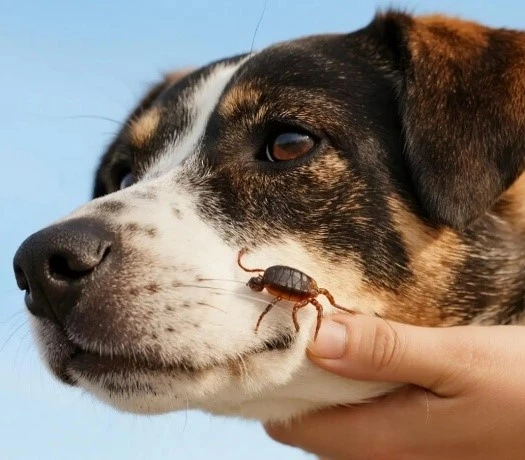
GABA receptor disruption occurs shortly after exposure . Fleas and ticks often display obvious signs of distress within hours of interaction . The rapidity of this explains why fipronil spot-on is often advised for infestations where immediate action is needed, rather than therapies that rely on slower mechanisms such as growth inhibition alone.
Fipronil Spot-On and Glutamate-Gated Chloride Channels: An Additional Mechanism of Action
The principal action of fipronil is on the GABA receptors, but it also blocks a second type of chloride channel that is mostly present in invertebrates. The product's efficacy is further enhanced by glutamate-gated chloride channels, especially against specific acarine pests such as ticks and mites.

Understanding Glutamate's Role in Invertebrate Nervous Systems
In mammals glutamate is generally an excitatory neurotransmitter . In invertebrates there is a special kind of receptor where glutamate actually causes chloride to flow in , inhibiting the receiving neurone . Such glutamate-gated chloride channels are present solely in invertebrate nervous systems and some muscle tissues and hence are a promising target for the creation of selective pesticides. Mammals lack this receptor subtype altogether, which is another safety factor that researchers see when fipronil is given topically according to label guidelines.
Dual-Channel Disruption and Enhanced Efficacy
Fipronil targets GABA-gated and glutamate-gated chloride channels . So , it compounds its effect on target pests . Instead of a single point of failure in the nervous system , this double act enhances the chances of a fatal disruption , even if there is partial resistance in a receptor site of a population of parasites . One reason for this redundancy is that fipronil spot-on still has good efficiency rates against fleas, ticks, and lice in various geographic areas and pest populations.
Why This Matters for Tick and Mite Control Specifically
Ticks and mites need glutamate gated channels for neuromuscular coordination, maybe more so than fleas.
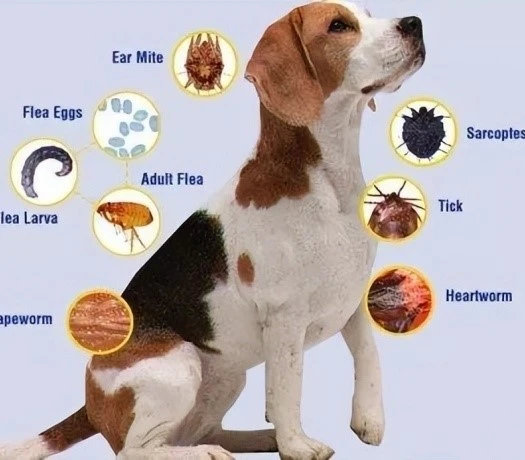
This reliance could explain the exceptionally strong acaricidal action of phenylpyrazole compounds, which often reach deworming and elimination rates of 98% or more in clinical trials when paired with supplementary active substances like as cypermethrin. This broad-spectrum activity against insects and arachnid-type parasites is scientifically explained by the process of dual-channel targeting.
Why Is the Phenylpyrazole Structure Important for Fipronil Spot-On's Insecticidal and Acaricidal Activity?
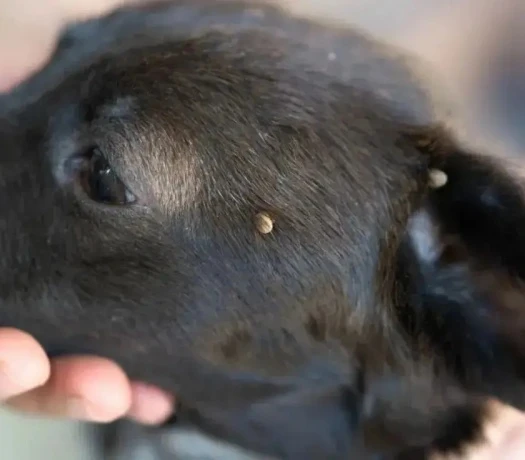
The molecular architecture of phenylpyrazole compounds is directly responsible for their biological activity. Small differences in chemical structure can make a huge difference in how tightly a molecule binds to the target receptor . Fipronil has been optimised for this interaction , while limiting off-target effects .
Structure-Activity Relationships in Phenylpyrazole Chemistry
Structure-activity relationship chemists have noted that the trifluoromethylsulfinyl group added to the core structure of fipronil results in a considerable increase in binding affinity to chloride channel receptors. This functional group increases the lipophilicity of the molecule, and hence its ability to permeate the waxy cuticle on an insect's body or the stratum corneum of mammalian epidermis. The drug would presumably be less potent against target parasites without such a particular chemical change.
Lipophilicity and Skin Penetration Efficiency
The structural properties that facilitate fipronil's movement across insect cuticles also facilitate its movement over a pet's skin following topical administration and its deposition in sebaceous glands.
This lipophilic nature explains why fipronil spot-on solutions use oil-based carriers, such as light mineral oil, rather than exclusively water-based solutions. The compound's affinity to lipid environments enables it to create a reservoir within hair follicles, providing a continual release of active ingredient to the skin surface over several weeks, and prolonging protection much beyond the initial application.
Metabolic Stability and Residual Effectiveness
The phenylpyrazole molecules are also very resistant to rapid metabolic degradation, a quality that is directly related to the chemical structure. Fipronil is slowly oxidised to fipronil sulfone.

This is not a physiologically inert metabolite but retains significant insecticidal efficacy . This metabolic pathway also accounts for the long duration of action that separates phenylpyrazole-based products from pesticide classes with shorter action times and contributes to the one-month protective window frequently observed with correctly placed spot-on treatments.
How Structural Stability Affects Shelf Life and Storage
The phenylpyrazole core is also chemically resistant which adds stability of the product during storage and transportation.Accelerated stability testing revealed deterioration rates of approximately 2% per year when formulations were stored within specified temperature ranges,
indicating that fipronil spot-on products stored in appropriate settings can sustain efficacy throughout a multi-year shelf life. The robustness of this structure is essential for distributors and bulk buyers that want reliable product performance along long supply chains.
Conclusion
The phenylpyrazole family is not simply a technical titbit; it's the scientific reason why fipronil spot-on is so reliable and long-lasting in its parasite control. The molecular design of this molecule has practical benefits for pets and the people who care for them, from its selective action on ligand-gated chloride channels to its dual interference with GABA and glutamate receptor systems. The knowledge of these mechanisms also helps to understand why fenylpyrazole based treatments still work on pests that evolved resistance to older chemical classes. For buyers that are trying to determine which parasiticide to use, understanding the chemistry underlying the product can help them see more clearly what makes an effective formulation different from the less trustworthy ones on the market today.
Frequently Asked Questions
1. Is fipronil spot-on safe for both cats and dogs?
+
-
Yes, when used according to dose standards appropriate to species and weight. Selectivity between insect and human chloride channels offers a large safety buffer, but appropriate dosing is still important.
2. How long does fipronil spot-on remain effective after application?
+
-
Most formulations offer protection for from four to eight weeks depending on the particular product and solvent system utilised, with sebum-based reservoirs in hair follicles supporting prolonged release.
3. Why don't fleas build resistance to fipronil as quickly as other pesticides?
+
-
Its distinctive phenylpyrazole structure and dual chloride channel mode of action reduces the likelihood of cross-reactivity with older classes of pesticides. Some resistance has been seen in localised flea populations over time, though.
Partner With Bloomtechz for Reliable Fipronil Spot-On Supply
Bloomtechz is a trusted fipronil spot-on supplier with over 10 years of organic synthesising expertise and GMP certified manufacturing ready to serve your business. Every batch produced is certified by US, EU, Japanese and Chinese regulatory authorities, giving buyers assurance of a 100,000 square metre production facility. We offer clear pricing models, rigorous triple-tier quality certification and accurate lead-time assurances based on tracking through our ERP platform. Our R&D team can support you with customisation from bulk active ingredient powder to final spot-on formulations for defined weight categories and comprehensive analytical documentation including HPLC and LC-MS verification. Contact us at Sales@bloomtechz.com today to discuss your needs and find out why pharmaceutical firms and distributors in many industries rely on Bloomtechz as their manufacturing partner for the long term.
References
1. Tingle, Christopher C.D., et al. "Fipronil: Environmental Fate, Ecotoxicology, and Human Health Concerns." Reviews of Environmental Contamination and Toxicology, Springer, 2003.
2. Cole, Lewis M., et al. "Action of Phenylpyrazole Insecticides at the GABA Gated Chloride Channel." Pesticide Biochemistry and Physiology, Academic Press, 1993.
3. Zhao, Xilong, et al. "Mutant Drosophila GABA Receptors from Insecticide-Resistant Flies Exhibit Reduced Sensitivity to Fipronil." Journal of Pharmacology and Experimental Therapeutics, American Society for Pharmacology and Experimental Therapeutics, 2004.
4. Narahashi, Toshio. "Neuroreceptors and Ion Channels as the Basis for Drug Action: Past, Present, and Future." Journal of Pharmacology and Experimental Therapeutics, American Society for Pharmacology and Experimental Therapeutics, 2000.
5. Gant, Donald B., et al. "Fipronil: Action at the GABA Receptor." Reviews in Toxicology, Elsevier, 1998.
6. Hainzl, Dieter, and John E. Casida. "Fipronil Insecticide: Novel Photochemical Desulfinylation with Retention of Neurotoxicity." Proceedings of the National Academy of Sciences, National Academy of Sciences, 1996.