


In the battle against corpulence and metabolic ailments, individuals around the world need progressed weight lessening methodologies. Restorative pros are interested in thermogenic fat burning as a treatment. The body employments put away vitality to make warm. An energizing unused verbal fourfold receptor agonist, bioglutide NA-931, may raise body temperature by activating a few targets. To set up whether this interesting chemical burns fat normally, this expansive ponder ponders metabolic pathways. Assessing metabolic effects requires understanding thermogenesis. The body gets vitality by means of thermogenesis, activity, and digestion system. Conventional weight loss doesn't fundamentally utilize thermogenics. In any case, Bioglutide NA-931 and related particles may activate numerous receptor pathways. This may burn more calories by making warm. Numerous metabolic pathway drugs may work way better, concurring to real-world experience. This is particularly genuine for tricky hormonal variations from the norm actuated by corpulence and affront resistance.Drugs for metabolic disorders are no longer tending to one thing. A novel bioglutide, NA-931 enacts GCGR, GIPR, GLP-1R, and IGF-1R concurrently. This wellness arrange may boost vitality and leanness. Ordinary weight misfortune strategies sometimes disregard this key component. Assimilation is another uncommon complication with verbal metabolic drugs.
1.General Specification(in stock)
(1)API(Pure powder)
PE/Al foil bag/ paper box for Pure powder
(2)Spot-On
(3)Solution
(4)Drops
2.Customization:
We will negotiate individually, OEM/ODM, No brand, for secience researching only.
Product Code:BM-1-154
NA-931
Analysis: HPLC, LC-MS, HNMR
Technology support: R&D Dept.-3

We provide bioglutide NA-931, please refer to the following website for detailed specifications and product information.
Product: https://www.bloomtechz.com/synthetic-chemical/peptide/bioglutide-na-931.html

How Bioglutide NA-931 Activates Thermogenic Energy Expenditure Pathways

The Multi-Receptor Activation Strategy
Bioglutide NA-931 utilizes a four-receptor enactment technique that produces a facilitated metabolic reaction past single-target treatments. Enactment of GLP-1R improves satiety signaling, moderates gastric purging, and advances glucose-dependent affront discharge without essentially expanding hypoglycemia hazard. Concurrent incitement of GIPR moves forward pancreatic beta-cell work and impacts fat tissue remodeling. In expansion, GIPR actuation increments uncoupling protein-1 expression in brown adipocytes, advancing mitochondrial uncoupling and warm generation. This enlistment of thermogenic tissue may increment vitality consumption normally whereas dodging intemperate thoughtful anxious framework stimulation.
Cellular Energy Metabolism Transformation
Bioglutide NA-931 modifies cellular fuel utilization by empowering more noteworthy greasy corrosive oxidation in the liver and skeletal muscle. Enactment of GCGR and GLP-1R fortifies cAMP–protein kinase A signaling, improving lipolysis and fat utilization whereas progressing metabolic adaptability. IGF-1R actuation advances mitochondrial biogenesis through expanded PGC-1α action, driving to more noteworthy oxidative capacity and thermogenic yield. The compound moreover underpins the browning of white fat tissue through GIPR and GCGR pathways, changing energy-storing fat into metabolically dynamic thermogenic tissue that may contribute to maintained increments in vitality expenditure.


Bioglutide NA-931 and GCGR-Driven Fat Burning Mechanisms

Glucagon Receptor Signaling and Lipolytic Activation
Bioglutide NA-931 enacts GCGR, starting solid lipolytic forms that mobilize put away fat for vitality generation. GCGR incitement upgrades hepatic cAMP signaling, expanding gluconeogenesis and greasy corrosive oxidation whereas keeping up glucose adjust. The coming about metabolic reconstructing raises vitality use by utilizing numerous fuel sources at the same time. In fat tissue, actuation of hormone-sensitive lipase and fat triglyceride lipase quickens triglyceride breakdown into free greasy acids and glycerol. These substrates are in this way oxidized in fringe tissues, expanding mitochondrial beta-oxidation and creating extra warm through both coupled and uncoupled respiratory pathways.
Ketogenic Metabolism and Thermogenic Consequences
Bioglutide NA-931 promotes ketogenesis through GCGR activation, converting fatty acids into ketone bodies that serve as alternative energy substrates for the brain and other tissues. The production and utilization of ketones require substantial metabolic activity and contribute to thermogenic heat generation. GCGR activation also enhances glucose uptake through AMPK-dependent pathways, improving metabolic flexibility and supporting mitochondrial biogenesis. Sustained receptor stimulation may induce adaptive thermogenesis, increasing basal metabolic rate and resting energy expenditure. These effects appear to extend beyond immediate pharmacological action, suggesting longer-term physiological adaptations in energy metabolism.


Balancing Catabolic Effects Through Multi-Target Design
A potential concern with GCGR activation is excessive protein breakdown and loss of lean muscle mass. Bioglutide NA-931 addresses this issue through IGF-1R stimulation, which supports skeletal muscle preservation and growth. Activation of the PI3K-Akt-mTOR pathway promotes protein synthesis while suppressing protein degradation through the ubiquitin-proteasome system. This anabolic signaling counterbalances GCGR-driven catabolic activity, helping maintain or increase lean tissue during periods of negative energy balance. Preserving skeletal muscle is particularly important because lean tissue contributes significantly to resting energy expenditure and long-term metabolic health.

Can Bioglutide NA-931 Increase Resting Calorie Consumption Naturally?
Basal Metabolic Rate Enhancement Through Receptor Synergy:
Bioglutide NA-931 may enhance basal metabolic rate through coordinated activation of multiple metabolic pathways. GCGR stimulation supports the conversion of thyroxine to the more active triiodothyronine, increasing thyroid hormone activity within peripheral tissues and promoting greater oxygen consumption and heat production. Enhanced activity of sodium-potassium ATPase and mitochondrial oxidative phosphorylation further increases energy expenditure.
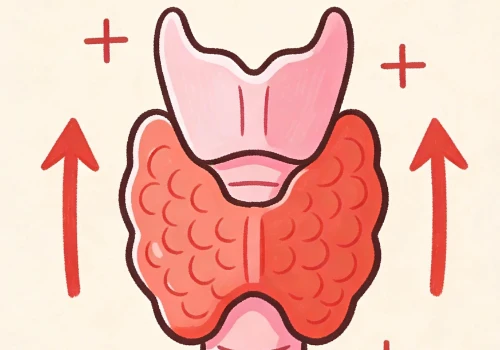

In addition, GCGR-mediated signaling may modestly stimulate sympathetic pathways that support lipolysis and thermogenesis. These effects appear to remain within normal physiological limits, potentially increasing resting calorie consumption without excessive cardiovascular stress.
Evidence from Clinical Observations:
Clinical observations suggest that Bioglutide NA-931 may increase resting energy expenditure while supporting favorable body composition changes.
Indirect calorimetry measurements in Phase II studies reportedly showed increases in baseline metabolic rate during treatment. Participants experienced substantial reductions in fat mass while largely preserving lean tissue, an outcome confirmed through body composition assessments. Respiratory quotient measurements indicated greater reliance on fat oxidation during rest, reflecting improved metabolic flexibility. These findings suggest that enhanced thermogenesis and fat utilization, rather than appetite reduction alone, may contribute to the observed metabolic benefits.


How Bioglutide NA-931 Supports Heat Production During Fat Metabolism

Uncoupled Respiration and Thermogenic Efficiency
Bioglutide NA-931 supports thermogenesis by enhancing mitochondrial uncoupling within brown adipose tissue. Through GIPR activation, the compound increases expression and activity of uncoupling protein-1, allowing proton gradients to generate heat instead of ATP. GCGR-driven lipolysis supplies thermogenic tissues with abundant fatty acids, ensuring a steady fuel source for heat production. The compound may also promote the conversion of white adipose tissue into beige adipocytes, expanding the body's thermogenic capacity. These adaptations increase mitochondrial density and thermogenic efficiency, potentially contributing to greater overall energy expenditure.
Futile Cycling and Substrate Metabolism
Bioglutide NA-931 may enhance energy expenditure through metabolic futile cycles that consume ATP while generating heat. One example involves hepatic gluconeogenesis combined with peripheral glucose utilization, creating an energetically costly cycle with little net substrate accumulation. The compound may also influence triglyceride-fatty acid cycling, where repeated breakdown and re-esterification of lipids require continuous ATP consumption. In addition, IGF-1R activation promotes protein synthesis while GCGR signaling supports amino acid turnover, increasing protein recycling activity. Together, these processes elevate metabolic demand and contribute to thermogenic heat production.


Bioglutide NA-931 for Enhanced Thermogenic Weight Management Support

Clinical Application Considerations
Bioglutide NA-931 may be particularly suitable for individuals with obesity, insulin resistance, type 2 diabetes, or impaired glucose regulation. Its multi-target mechanism addresses several metabolic abnormalities simultaneously, potentially offering broader benefits than single-pathway therapies. Clinical studies suggest a dose-dependent relationship between treatment intensity and thermogenic response, supporting individualized dosing strategies. Gradual dose escalation may improve tolerability while allowing metabolic adaptation. Because thermogenic changes develop progressively through brown fat recruitment, mitochondrial remodeling, and metabolic reprogramming, noticeable effects may require several weeks of consistent treatment.
Integration with Lifestyle Interventions
The metabolic benefits of Bioglutide NA-931 are likely enhanced when combined with appropriate nutrition and regular exercise. Adequate protein intake supports gluconeogenesis, muscle maintenance, and anabolic processes associated with IGF-1R activation. Physical activity further improves insulin sensitivity, mitochondrial function, and muscle protein synthesis, complementing the compound's metabolic effects. Resistance training is particularly valuable for preserving lean body mass and sustaining resting energy expenditure. While GLP-1R activation may reduce appetite and support weight loss, long-term success depends on maintaining healthy dietary habits, physical activity, and overall lifestyle consistency.


Safety Considerations and Monitoring
Because Bioglutide NA-931 influences multiple metabolic pathways, ongoing monitoring is important during treatment. Regular assessment of blood glucose and HbA1c can help evaluate glycemic control and guide medication adjustments when necessary. Monitoring heart rate and blood pressure ensures that increases in metabolic activity remain within safe physiological limits. Lipid profiles and liver function tests provide additional insight into metabolic health and treatment response. Nutritional status should also be monitored, particularly during significant weight loss. Long-term evaluation of bone health may be beneficial, as the potential skeletal effects of IGF-1R activation require further clinical investigation.
Conclusion
Because it activates four different receptors at once, Bioglutide NA-931 is a novel treatment for metabolic illnesses. This substance can turn on the GCGR, GIPR, GLP-1R, and IGF-1R pathways all at the same time. This creates a hormonal environment that burns fat more efficiently while keeping lean muscle mass safe. Clinical studies have shown that people who make these changes have higher resting energy usage, changes that are good for burning fat, and big changes in the way their bodies are made up. All of these things show that the metabolic action is high.
To make thermogenic change happen, brown adipose tissue is activated, white fat turns darker, mitochondria are made, and metabolism pathways are rewired. The body's basic metabolic rate and daily energy use both go up because of these changes in chemicals and cells. One big issue with metabolic treatments that only work on one process is that they might break down muscles too fast. This problem is fixed by the balanced multi-target method, which speeds up the burning and release of fat.
More research needs to be done on Bioglutide NA-931 before it can be used to help people who are overweight or have digestive problems. The substance is different from other medicines because it can be swallowed, has shown to be safe in early human studies, and helps the metabolism in many ways. We can learn a lot about how people use energy and possible ways to treat the rising number of metabolic diseases around the world by studying the heat processes that this new agent sets off.
FAQ
1. What makes Bioglutide NA-931 different from single-target weight management compounds?
GCGR, GIPR, GLP-1R, and IGF-1R are the four receptor pathways that Bioglutide NA-931 simultaneously stimulates. This changes the metabolism in ways that drugs that only target one thing can't. By making sure that catabolic and anabolic signals are balanced, this multi-receptor activation speeds up metabolic fat burning while keeping lean muscle mass. The substance tackles several pathophysiological issues that cause metabolic dysfunction. This suggests that it may be more effective than standard single-mechanism methods at treating metabolic diseases that are more difficult.
2. How quickly can users expect to see thermogenic effects from Bioglutide NA-931?
The substance starts cell transformation processes like mitochondrial biogenesis and the recruitment of brown fat tissue. At first, changes in metabolism that make the body heat up happen slowly. Doctors have seen that after two to four weeks of daily treatment, there are clear increases in the amount of energy used at rest. Over the next few months, the rewards will keep getting better. It's usually best to wait eight to twelve weeks before taking thermogenic supplements. This is because metabolic pathways need time to get used to multi-receptor stimulation.
3. Does Bioglutide NA-931 require dietary restrictions to support thermogenic fat burning?
Even if you don't change what you eat, Bioglutide NA-931 increases your thermogenic energy expenditure. However, the best benefits come from combining it with the right diet strategies. If you eat enough protein, the anabolic benefits of IGF-1R activation are supported, and mild calorie restriction speeds up weight loss without changing your metabolism. As long as you eat well, the drug will work. There are no hard and fast rules about what you can or can't eat. In other words, it can be used to keep the weight off for a long time.
Partner with BLOOM TECH for Premium Bioglutide NA-931 Supply
As a Bioglutide NA-931 supplier, you can trust Shaanxi BLOOM TECH Co., Ltd. because they sell pharmaceutical-grade goods that come with all the necessary paperwork and follow all the rules. We have been making chemical compounds and APIs for twelve years and have GMP-certified factories that meet US-FDA, EU-GMP, and PMDA standards. Thus, you can always depend on steady quality for your study and research needs. We have clear prices, dedicated tech support, and reliable supply chain management, so you don't have to guess when you buy from us. There are three checks in our quality assurance process: testing in the plant, QA/QC research within the company, and approval by a third party. Between being made and being sent out, these checks make sure that the information is right. Pharmaceutical development needs quality, paperwork, and great service, and BLOOM TECH has it all. Whether you need small amounts for research or large amounts for business use, they can help.

We can help you with your Bioglutide NA-931 needs right away. Just call our helpful staff. Send us an email at Sales@bloomtechz.com to get detailed specs, certificates of analysis, and prices that are made just for your project and the work you need.
References
1. Müller TD, Finan B, Bloom SR, et al. Glucagon-like peptide 1 receptor agonists in obesity and type 2 diabetes: Past, present, and future developments. Molecular Metabolism. 2019;20:69-105.
2. Brandt SJ, Götz A, Tschöp MH, Müller TD. Gut hormone polyagonists for the treatment of type 2 diabetes and obesity. Journal of Internal Medicine. 2018;284(6):581-602.
3. Cypess AM, Weiner LS, Roberts-Toler C, et al. Activation of human brown adipose tissue by a beta3-adrenergic receptor agonist. Cell Metabolism. 2015;21(1):33-38.
4. Sakamoto T, Nitta T, Maruno K, et al. Glucagon-like peptide-1 receptor agonist and GIPR agonist combination therapy promotes brown adipose tissue thermogenesis in mice. Diabetes, Obesity and Metabolism. 2020;22(11):2052-2062.
5. Holst JJ, Rosenkilde MM. GIP as a therapeutic target in diabetes and obesity: Insight from incretin co-agonists. Journal of Clinical Endocrinology and Metabolism. 2020;105(8):e2710-e2716.
6. Kleinert M, Clemmensen C, Hofmann SM, et al. Animal models of obesity and diabetes mellitus: Lessons learned and future perspectives. Nature Reviews Endocrinology. 2018;14(3):140-162.