


Fipronil is considered to be one of the most reliable active chemicals in pest control formulations worldwide. The compound fipronil drops are popular with many professionals and researchers because of the way they home in on the nervous systems of insects. The present paper discusses the molecular mechanisms involved in the efficacy of these formulations, from receptor binding to the disruption of chloride channels. They will learn how fipronil works at the GABA receptors, the importance of insect selectivity and how topical treatment affects overall performance. Whether you're a formulator, distributor or researcher assessing raw materials, a better grasp of the chemistry behind the materials will allow you to source smarter. By the end of this post, you'll have a better understanding of why this substance continues to be a cornerstone ingredient in current pest management methods.
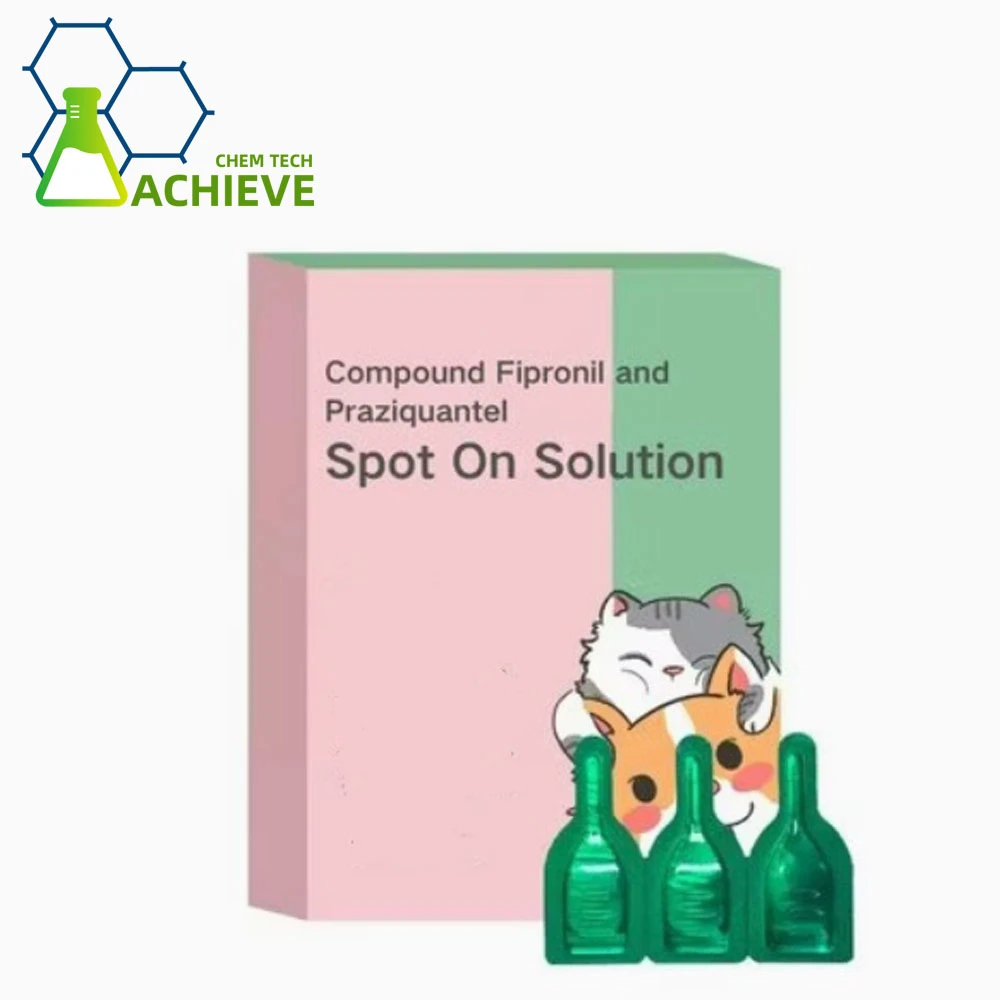
Compound Fipronil And Praziquantel Spot On Solution
1.General Specification(in stock)
(1)Solution
2.Customization:
We will negotiate individually, OEM/ODM, No brand, for secience researching only.
Internal Code: BM-9-022
Compound Fipronil and Praziquantel Spot On Solution
Main market: USA, Australia, Brazil, Japan, Germany, Indonesia, UK, New Zealand , Canada etc.
Manufacturer: BLOOM TECH Xi'an Factory
Analysis: HPLC, LC-MS, HNMR
Technology support: R&D Dept.-4
What Molecular Interactions Enable Compound Fipronil Drops to Target GABA Receptors?
To understand how fipronil finds and binds its target, we need to look at the architecture of the neurological system it affects. Insects, like mammals, use neurotransmitters for nerve impulse transmission, but the receptor subtypes and binding sites are enough different to offer a possibility for selective targeting.
GABA-Gated Chloride Channel Recognition
Gamma-aminobutyric acid (commonly known as GABA) is the major inhibitory neurotransmitter in the insect nervous system. When GABA attaches to its receptor, chloride ions move into the neurone, decreasing excitability and maintaining proper neuronal activity. Molecules of fipronil recognise this receptor site and fit into a pocket near the chloride channel, stopping GABA from doing its normal function. This identification phase underlies the action of the substance and accounts for the reliable interruption of nerve signalling by formulations containing fipronil.

Binding Pocket Geometry and Molecular Fit
The three-dimensional geometry of fipronil is important for how closely it fits into the receptor pocket. The geometry presented by the pyrazole ring system in conjunction with a trifluoromethylsulfinyl group sits flush against amino acid residues that line the channel.
That close fit isn't coincidental; years of agrochemical research have engineered the molecule to fit, to maximise its time on the binding site. Once in situ, the molecule physically prevents the passage of chloride ions, preventing the neurone from returning to rest and keeping it in a state of constant excitation .
Downstream Nerve Signal Disruption
The inhibitory signal cannot complete its circuit by blocking the channel, and the nerve impulses keep firing wildly. This cascade effect results in hyperexcitation of the entire insect nervous system and ultimately paralysis. The pace of onset varies in how fast the molecule can get into nerve tissue following contact or ingestion; this is a chain reaction that has been widely reported by researchers researching compound fipronil drops. This chain of molecular events, going from recognition to channel blockage and then to downstream signal disruption, is the scientific backbone of fipronil-based pest control products and the reason why they have been so consistently effective in the field against numerous insect species.
Fipronil Molecular Structure and Its Interaction with Ligand-Gated Chloride Channels
The biological function is determined by the chemical structure . Fipronil is a classic example of a well designed molecule to accomplish targeted action . If we look at its structural components we can understand why it binds so specifically to ligand-gated chloride channels and not to other brain receptors.

Core Pyrazole Ring Chemistry
The fipronil structure is derived from a phenylpyrazole core, a scaffold selected for its chemical stability and compatibility with receptor binding sites in arthropod nervous systems. This ring structure is resistant to quick decomposition, so that the molecule can be active for a sufficiently long time to have the desired effect. Furthermore, the nitrogen atoms of the ring engage in favourable electrical interactions with the receptor, which improves the total binding affinity. This pyrazole backbone is commonly cited by chemists who study insecticidal chemicals as being a key property that separates fipronil from previous chemical classes such as organophosphates or carbamates.
Substituent Groups and Electronic Effects
The pyrazole core is decorated with substituents such as a chlorinated phenyl ring and a sulfinyl moiety, which impart unique electrical characteristics. These groups impact the distribution of electrons in the molecule and this affects how tightly it attracts and binds to the receptor site. In particular, the trifluoromethylsulfinyl group increases lipophilicity, which helps the molecule to cross biological membranes and reach nerve tissue effectively. The structural rigidity and electrical tailoring of fipronil combine to make it characteristically potent against ligand-gated chloride channels, yet limits off-target interactions.
Channel Blocking Mechanism Explained
Chloride channels open in response to neurotransmitter binding . These are called ligand-gated channels . Ions flow through a central pore . Fipronil disrupts this mechanism, not always by direct blocking of the pore, but by changing the shape of the receptor so that chloride passage is limited. thus is a non-competitive type of inhibition, meaning that the molecule does not have to compete with GABA for the same binding site and thus helps the molecule to maintain its activity even at lower doses. The binding behaviour is independent of minor fluctuations in the environment (e.g. temperature or humidity),
and the formulators of compound fipronil drops typically refer to this process when explaining why the product stays effective under different application settings.
How Do Compound Fipronil Drops Affect Different GABA Receptor Subunits in Parasites?
Parasites are quite diverse in terms of the receptor subunits they have, and that diversity is tied to the effectiveness of fipronil-based products on different species. Understanding these variations helps explain why some formulations are formulated for specific groups of pests.
Subunit Diversity Across Parasite Species
GABA receptors are not one unique, uniform structure but rather are constructed from several types of subunits that join in varied patterns depending on the organism. Fleas, ticks and mites all have somewhat different configurations of sub-units and this impacts both how easily fipronil molecules bind and also how long they stay bound. Some subunit combinations yield deeper binding pockets that more effectively entrap the molecule, whilst others yield shallower sites that allow more rapid dissociation. One reason product makers test their products extensively against a range of parasite species before settling on a formulation for broad-spectrum use is the diversity.
Resistance Patterns Linked to Subunit Mutations
Resistance can develop from repeated exposure over time to any active substance, and fipronil is no exception. Specific point mutations have been detected that decrease the binding affinity of GABA receptor subunits . This allows some populations of parasites to survive an otherwise deadly exposure . These mutations often change the geometry of the binding pocket enough to decrease the strength of molecular contact, but not enough to entirely abrogate receptor function. Monitoring these resistance patterns enables manufacturers to change formulation tactics, sometimes by combining fipronil with complementing active ingredients to retain efficacy against changing parasite populations.
Comparative Sensitivity Among Common Pests
Not all parasites respond similarly to exposure to fipronil and comparative studies show considerable variances in sensitivity. Fleas typically exhibit rapid knockdown responses because receptor sites are readily available; however, some species of ticks require longer contact times before comparable effects are observed. This diversity is of enormous importance to anyone developing or distributing pest control products, as treatment recommendations frequently depend on these subunit driven sensitivity differences. Suppliers of compound fipronil drops usually provide some scientific advice based on this comparison data,

guiding end users in selecting the appropriate concentration and frequency of administration for their target pest population.
Insect Receptor Selectivity: The Molecular Basis of Compound Fipronil Drops Activity
One of the most interesting features of fipronil chemistry is its selectivity for insect and parasite receptors against mammalian receptors. This selection is not accidental but rather is due to particular structural and biochemical distinctions between receptor types among species.
Mammalian Versus Insect Receptor Differences
Insect GABA receptors are structurally distinct from mammalian GABA receptors, most notably in the amino acid sequences that line the pore of the chloride channel. These discrepancies in sequences translate to variances in shape and charge distribution of the binding pocket, making it more difficult for fipronil to get the same tight fit in mammalian tissue as it does in insect nervous systems.This structural difference is a significant reason that fipronil-based treatments are efficient against pests, but nevertheless have a favourable safety profile when used according to label directions. The divergence of this receptor is repeatedly mentioned in toxicology research as the main reason that this substance acts selectively.
Binding Affinity Comparisons
Laboratory binding experiments have assessed the higher affinity of fipronil for insect receptors than for mammalian ones. These comparisons are normally expressed as the amount of substance needed to achieve fifty percent receptor occupancy . The data is consistently showing a large separation in favour of insect-selective binding . The latter is of practical importance in pest control, as lower treatment concentrations can lead to considerable insect mortality without reaching exposure levels that would be a concern in non-target species.This affinity data is used by formulation chemists to optimise dosage regimens to maximise pest control performance.

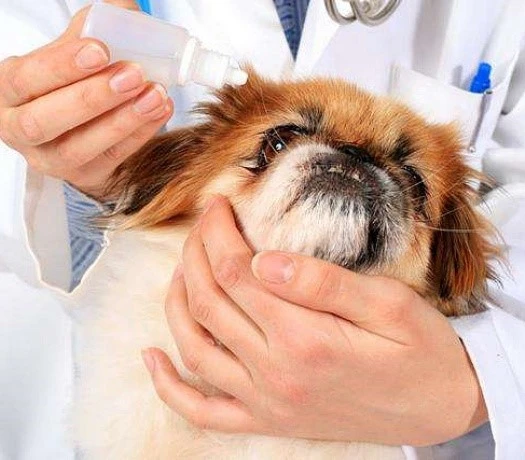
Species-Specific Formulation Considerations
Insect order-to-order differences in receptor selectivity are also present, and formulators must address species-specific aspects while designing novel drugs. For example, beetles may express receptor designs that respond differently to those of fleas or mosquitoes. The variability leads to continuous study on the optimisation of fipronil concentrations and carrier systems for different pest groups. When companies buy raw ingredients for compound fipronil drops, they will typically want complete technical data sheets to guarantee their formulations fit with the receptor properties of the target pests they want to treat.This ultimately leads to improved field performance and customer satisfaction.
How Does Topical Delivery Influence the Distribution and Contact Activity of Compound Fipronil Drops?
Getting a pest control product to its target is as important as the molecular mechanism The rate and efficiency of fipronil reaching nerve tissue following application are key factors that are influenced by topical administration techniques.
Sebaceous Gland Reservoir Distribution
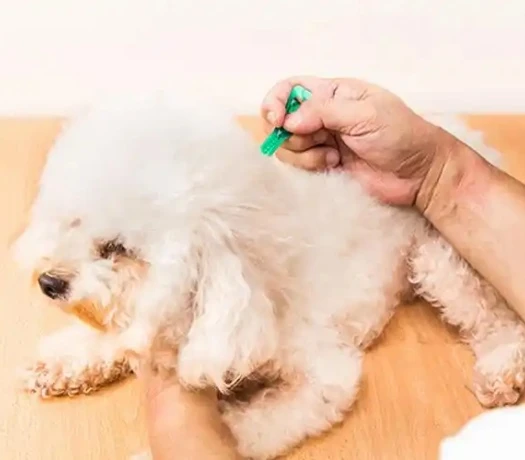
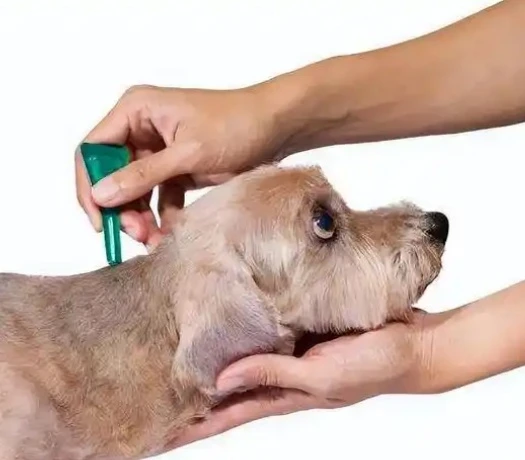
Most topical preparations depend on the natural sebaceous glands of animal skin to provide a slow-release reservoir effect. Once applied, the active ingredient is transported by the natural oils of the skin and slowly migrates over the body surface over several days. This distribution in reservoirs leads to a continuous low-level exposure to pests that contact treated skin or fur instead of one large dose. The progressive release pattern also extends the length of protection, a key selling point for topical pest control solutions designed with this delivery mechanism.
Lipophilic Properties and Skin Penetration
Fipronil is lipophilic, mostly due to the trifluoromethylsulfinyl group,
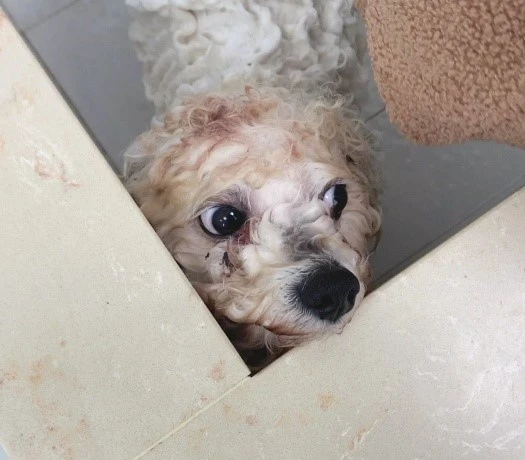
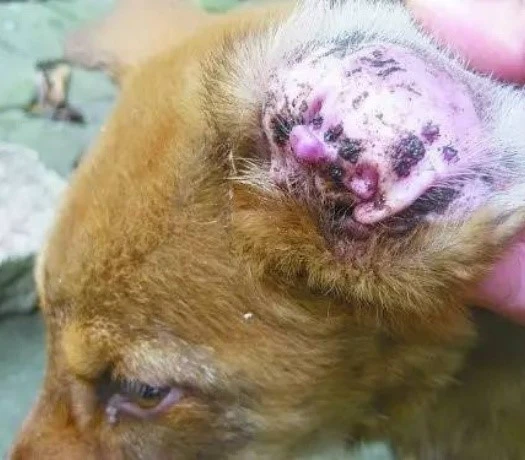
which allows it to travel through the lipid-rich layers of the skin and prevents easy wash-off with water exposure. The trait is one of "prolonged contact activity." That is, pests do not have to consume the molecule to be harmed; mere surface contact can induce the same receptor-binding mechanism described earlier. The compound's lipophilic properties mean that topical preparations are effective even in light rain or during ordinary bathing as the ingredient is not readily washed away from treated surfaces.
Contact Versus Ingestion Activity Comparison
Fipronil can function by contact and ingestion but topical delivery techniques are designed to maximise contact activity.
This is important because contact activity tends to result in more immediate knockdown effects on pests walking over treated surfaces, as opposed to the somewhat delayed reaction associated with ingestion-based exposure. Manufacturers commonly construct compound fipronil drops with optimised carrier solvents and spreading agents to improve this contact-driven process, helping the substance reach as much surface area as feasible soon after application. This optimisation directly impacts real-world performance indicators that customers care about the most.
Conclusion
The chemical mechanisms of fipronil action , including binding to GABA receptors , blockage of chloride channels and activity specific for insects , help explain why this compound is still so commonly trusted in pest control formulations . Precise targeting and delivery by flexible means including topical treatment systems for extended protection are possible due to its unique structural properties. Armed with this knowledge of the mechanisms, buyers and formulators have a firmer basis for choosing raw materials that will satisfy performance objectives. Compound fipronil drops are still demonstrating reliable effectiveness as the chemistry behind them has been improved over years of study and field testing. If a company is looking for consistent quality and transparent sourcing, working with a seasoned chemical supplier is the difference between a consistent formulation outcome and not.
Frequently Asked Questions
1. What makes fipronil effective against insects at the molecular level?
+
-
Fipronil inhibits GABA-gated chloride channels in insect nerve cells, blocking normal inhibitory signalling, and causing nerve overexcitation and paralysis.
2. Why does fipronil show selectivity toward insects over mammals?
+
-
Differences in the structure of the receptor binding pockets of insect and mammalian GABA receptors decrease the affinity of fipronil for mammalian tissue compared with insect nervous systems .
3. How long does topical fipronil formulation remain active after application?
+
-
Topical formulations often depend on the dispersion of sebaceous glands, allowing slow release throughout treated skin surfaces for extended periods following a single application.
Call to Action: Partner with Bloomtechz for Reliable Compound Fipronil Drops Supplier Solutions
Bloomtechz has spent over a decade mastering organic synthesis and fine chemical manufacturing, backed by GMP-certified production facilities recognized by US, EU, JP, and CFDA authorities. Our triple-layer quality verification process, covering factory inspection, internal QA/QC review, and third-party authority analysis, ensures every batch meets contractual specifications. As a trusted compound fipronil drops Supplier, we offer transparent pricing structures, accurate ERP-tracked lead times, and comprehensive documentation for smooth customs clearance. We serve pharmaceutical, specialty chemical, and agrochemical industries with long-term partnership terms designed around fair, fixed profit margins. Reach out today to discuss your technical requirements, request documentation, or request samples at Sales@bloomtechz.com and discover how our manufacturing expertise can support your next formulation project.
References
1. Cole, L. M., Nicholson, R. A., & Casida, J. E. (1993). Action of phenylpyrazole insecticides at the GABA-gated chloride channel. Pesticide Biochemistry and Physiology, 46(1), 47–54.
2. Narahashi, T., Zhao, X., Ikeda, T., Nagata, K., & Yeh, J. Z. (2007). Differential actions of fipronil and dieldrin insecticides on GABA-gated chloride channels in cockroach neurons. Journal of Pharmacology and Experimental Therapeutics, 323(3), 865–872.
3. Zhao, X., Yeh, J. Z., Salgado, V. L., & Narahashi, T. (2010). Glutamate-activated chloride channels: Unique fipronil targets present in insects but not in mammals. Pesticide Biochemistry and Physiology, 97(2), 149–152.
4. Ikeda, T., Nagata, K., Kono, Y., Yeh, J. Z., & Narahashi, T. (2004). Fipronil modulation of GABA\(_A\) receptor single-channel currents. Pest Management Science, 60(5), 487–492.
5. Cochet, P., Birckel, P., Bromet-Petit, M., Bromet, N., & Weil, A. (1997). Skin distribution of fipronil by microautoradiography following topical administration to the beagle dog. European Journal of Drug Metabolism and Pharmacokinetics, 22(3), 211–216.
6. Soualah, M., Taly, A., Crespin, L., Saulais, M., Henrion, D., Legendre, P., Tricoire-Leignel, H., Legros, C., & Mattei, C. (2021). GABA\(_A\) receptor subunit composition drives its sensitivity to the insecticide fipronil. Frontiers in Cellular Neuroscience.