


Pet owners want dependable flea and tick prevention, thus the question often arises: what really happens when you apply a topical treatment? Fipronil spot-on is one of the substances most investigated in veterinary parasitology. Its efficacy is due to a specific molecular interaction with the neurological systems of the flea, tick and mite. This method of action allows buyers, formulators and distributors to understand why this active ingredient continues to be a fundamental component of parasite control solutions world-wide. In this article we investigate the chemistry of fipronil, its mode of binding to certain receptors in parasites and how topical treatment can lead to efficient distribution throughout an animal's skin. For enterprises buying raw materials or finished formulations, understanding these molecular intricacies allows them to make better judgements regarding quality and position their products more strongly in a competitive marketplace.
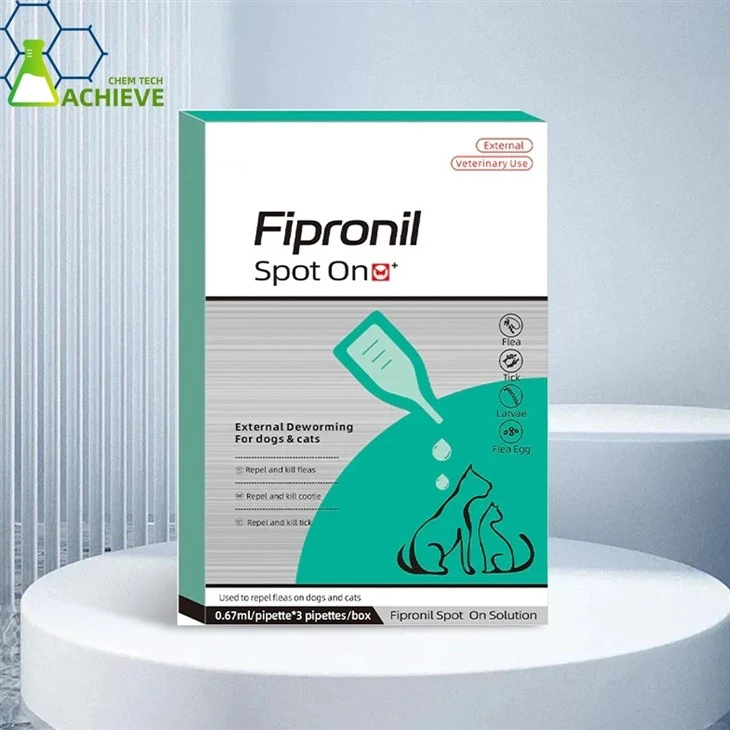
1.General Specification(in stock)
(1)API(Pure powder)
PE/Al foil bag/ paper box for Pure powder
(2)Spot-On
cat:0.5ml
dog:0.67ml:2-10kg/1.34ml:10-20kg/2.68ml:20-40kg/4.02ml:40-60kg
(3)Solution
(4)Drops
2.Customization:
We will negotiate individually, OEM/ODM, No brand, for secience researching only.
Product Code:BM-9-018
Fipronil CAS 120068-37-3
What Molecular Properties Enable Fipronil Spot-On to Interact with Parasite Chloride Channels?
Fipronil is part of a class of chemicals called phenylpyrazoles. The molecular framework of fipronil provides it a unique edge over earlier families of insecticides. The molecule has a trifluoromethylsulfinyl group and a cyano substituent, both of which increase its lipophilicity and binding affinity. These structural properties allow fipronil to penetrate the lipid-rich cuticle of insects and arachnids with considerable effectiveness.
Chemical Structure and Lipophilic Behavior
The molecule's partition coefficient puts it squarely in the lipophilic camp, which means it dissolves quickly in fats and oils, rather than water. This feature is of great importance for fipronil spot-on formulations as the active ingredient has to penetrate through sebum and skin lipids to reach target parasites. The core pyrazole ring with halogen replacements gives a stable but reactive chemical that does not easily degrade but can nevertheless efficiently interact with biological targets.

The researchers studying the structure of fipronil have observed that it is the presence of the distinctive sulfinyl group that differentiates it from the previously developed organochlorine and organophosphate compounds. This difference alleviates worries about cross - resistance as parasites that have evolved resistance to previous chemical families generally lack the enzymes required to detoxify the phenylpyrazole family.
Chloride Channel Selectivity
Parasite nervous systems depend largely on gamma-aminobutyric acid (GABA) receptors which are chloride ion channels.
These channels regulate neuronal excitability by enabling chloride ions to enter nerve cells, generating an inhibitory action that dampens neural activity. The structure of the fipronil molecule enables it to fit into these channels with a binding specificity for invertebrate receptor subtypes over mammalian receptor subtypes.
It is this selectivity that allows fipronil spot-on solutions to retain their good safety profile for dogs and cats, while being fatal to fleas and ticks.
Mammalian GABA receptors feature structural differences in the binding site that lower the affinity of fipronil, providing a natural margin of safety on which formulators rely when developing dose guidelines.
Binding Site Architecture
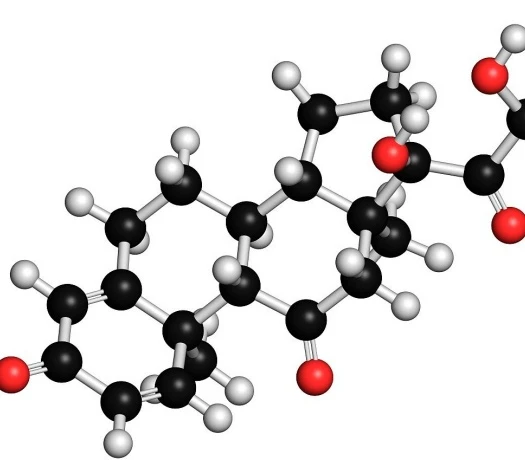
In the parasite chloride channels, the binding pocket residues are positioned to match the three-dimensional structure of fipronil. Studies employing modelling tools have demonstrated that mutations at certain residue sites, such as those found in resistant insect populations, can affect channel sensitivity. This study underlines the need of a continuous source of high purity fipronil for producers who want to make sure that their products will work against different parasite populations and in different parts of the world.
Fipronil Spot-On and Phenylpyrazole Binding: The Molecular Basis of Receptor Inhibition
Thus, to understand the inhibition of the receptor we must carefully consider how fipronil physically occupies and blocks the GABA-gated chloride channel. This is profoundly different from how chloride channels ordinarily work, and it is this distinction that makes fipronil spot-on formulations so effective against external parasites.
GABA Receptor Blockade Mechanism
Normally, the GABA molecules attach to their receptor, changing its shape, which opens the chloride channel. Then , chloride ions flood into the neurone , stabilising the resting membrane potential. This prevents excessive firing. Fipronil inhibits with this mechanism by binding close to the channel pore. It is much like a non-competitive antagonist. Fipronil does not compete with GABA for the same binding site , but rather wedges into an allosteric site and locks the channel into a closed or altered conformation.
This blocks chloride from entering the neurone. In the presence of GABA , the typical inhibitory signalling is attempted.
Downstream Neural Consequences
Blocking chloride influx stops neurones in the parasite's central nervous system from damping down excitatory messages. This results in unregulated neural activation, which presents as hyperexcitation, tremors, and eventually paralysis. The nervous system falls apart in a predictable pattern that has been thoroughly described by researchers using electrophysiological recordings of insect preparations.
Fipronil lasts for a long time because it blocks for a long time. It is not a short term or reversible interaction. Even little doses of the substance keep parasites busy at receptors for a long time, protecting the treated animals for a long time.
Comparative Binding Affinity Across Species
Studies of binding affinity comparing GABA receptors from insects, arachnids and mammals show large variances in how firmly fipronil binds to each receptor subtype. Differences in amino acids at the binding interface confer a significantly higher affinity to insect and tick receptors.
The comparative data establish the basis for the formulation of fipronil spot-on products intended for topical application to companion animals, considering that the molecule's selectivity profile intrinsically minimises the danger of systemic exposure while optimising effectiveness against parasites.
Manufacturers commonly request this type of binding affinity data when evaluating raw material sources to ensure the fipronil they are sourcing fulfils expected potency benchmarks before scaling into commercial production.
How Does Fipronil Spot-On Affect Neural Receptor Function in Fleas, Ticks and Mites?
Although the nervous system architecture differs between parasite species, fipronil is potent against fleas, ticks and mites. In this part we discuss how the substance interacts with each parasite type and why that interaction leads to consistently successful control.
Flea Nervous System Response
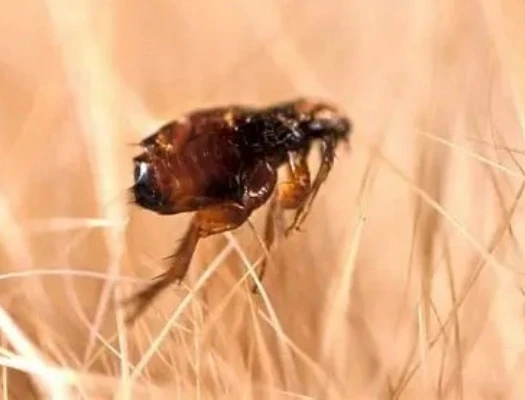
Fleas have a relatively rudimentary, but highly responsive, nervous system, utilising fast synaptic transmission for their mobility and feeding behaviour. When the molecules come into touch with the treated fur or skin and then come into contact with flea tissue, the compound rapidly crosses the flea's exoskeleton and begins to fill the GABA receptor sites in the flea's central nervous system.
This blocking of chloride channels results in initial hyperactivity of the fleas which is commonly noticed as frantic leaping or twitching, followed by paralysis.

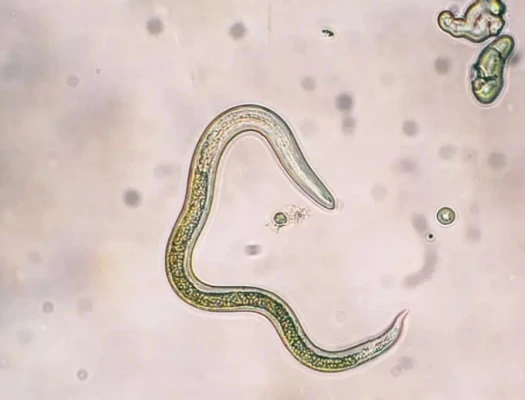
This fast action is important, because fleas that stay active longer can continue to produce eggs, prolonging infestations.
Tick Neuromuscular Effects
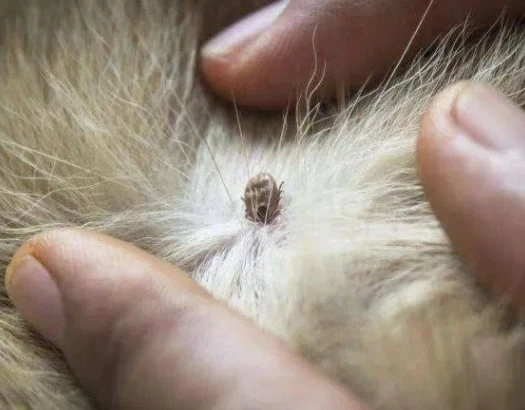
Ticks feed on blood differently from fleas. Ticks will cling to a host for extended periods of time and feed on blood. Fipronil acts on tick neural receptors via a similar blocking of chloride channels, although the physiological response is slightly different due to the differing density of tick muscle and nerve tissue. Ticks often become less mobile and less able to adhere before succumbing to the influence of the chemical.
This is therapeutically relevant because a tick that drops off before finishing a full feeding cycle decreases the probability of pathogen transfer, which is an essential factor for pet owners worried about tick-borne diseases beyond mere infestation.
Mite Susceptibility and Variation
The situation is more variable with mites, as this category comprises many species with varying sensitivity to phenylpyrazole chemicals. Some kinds of mites show high vulnerability like fleas. Some require closer touch or longer exposure before revealing obvious neurological consequences.
Studies of mite-specific receptor binding indicate that considerable variation is due to changes in receptor subunit composition among mite taxa. The variety of such results emphasises the importance of product labelling and application instructions to ensure sufficient contact duration and coverage so that even less-susceptible mite populations are exposed to sufficient active ingredient.
Resistance Monitoring Considerations
Surveillance of flea, tick and mite populations is ongoing and has identified isolated instances of reduced susceptibility to phenylpyrazole drugs in some places.
This highlights the need to obtain fipronil from providers with strict criteria for purity, as differences in the quantity of the active ingredient may unintentionally lead to inadequate parasite control and eventual resistance pressure.
Fipronil Spot-On Distribution Through Sebaceous Glands and Hair Follicles: How Does Topical Delivery Work?
The chemical mechanism of fipronil is only clinically relevant if the molecule can indeed reach parasites throughout the entire body of an animal. That's where topical delivery science comes in. By utilising the skin's built-in oil distribution network, the active ingredient may diffuse far beyond the application site.
Sebaceous Gland Reservoir Function
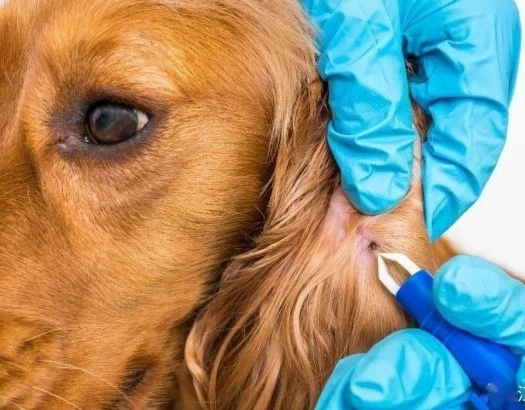
Fipronil is lipophilic and easily mixes with the sebum secreted by sebaceous glands when the spot-on solution is applied to the skin behind the neck of a pet. These glands are found all over the surface of the body, and operate as natural reservoirs, releasing the active substance slowly over time.
This reservoir effect accounts for the fact that a single topical application provides weeks of sustained protection, instead than a quick burst of activity. The sebaceous system simply converts localised application into whole-body coverage, using the skin's own oil circulation channels.

Follicular Migration Pathways
Hair follicles are conduits which help to spread fipronil away from the initial treatment area. The sebum then travels along the follicular canal to the skin surface, carrying dissolved fipronil molecules with it, depositing the compound on hair shafts and adjacent skin areas.
Cats and dogs have different follicle density, and this affects how quickly and evenly this distribution happens. Denser follicular networks often provide more equal covering.
Formulators consider these anatomical distinctions when creating dosage amounts for certain species to ensure that both thinner-coated and densely-coated animals receive enough molecular coverage.
Surface Film Formation and Persistence
Over the next few days after application, Fipronil forms a thin residual film over the skin and coat surface. Any parasite that seeks to feed on this film remains in contact. So, pests don't have to necessarily consume treated blood to be harmed. Exposure is caused by simple surface contact with treated fur.
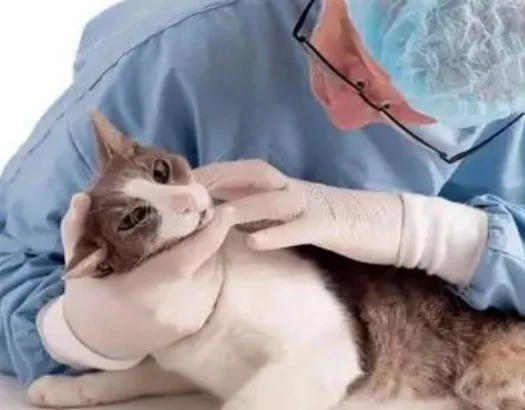
The durability of this surface coating is mostly a function of the environment, including bathing frequency and water exposure, which can slowly lower residual concentration. Pet owners are often advised to avoid frequent washing after application to maintain the sebaceous reservoir and to promote constant follicular redistribution during the treatment period.
How Does Fipronil Spot-On Provide Contact Parasite Control for Dogs and Cats?
The challenge is to take molecular mechanisms and use them in the field to control parasites. Fipronil spot-on is administered to the live animal, and the efficacy is assessed. In this part, the chemistry described above is linked to real-world results that affect the health and comfort of pets.
Contact-Based Killing Without Ingestion
One of the hallmarks of fipronil spot-on products is that they work by contact exposure, and do not require the parasite to bite or consume treated blood. The product category is different from certain systemic treatments since parasites experience neurological impairment just by walking on or resting on the treated fur.
This contact action is of great benefit to pets already parasitised at the time of treatment, since existing fleas and ticks are exposed to deadly concentrations nearly as soon as they come into contact with the animal's coat, rather than having to wait through a feeding cycle.
Species-Specific Dosing Precision
Skin thickness, number of follicles and sebum production vary significantly between dogs and cats and these parameters influence the dissemination and persistence of fipronil. Formulators handle these variances with calibrated dosing, sometimes providing a single set amount for cats but numerous weight-based tiers for dogs, from tiny to large breeds.
This tiered method guarantees that smaller animals get proportionally correct amounts, while larger canines still reach adequate skin surface concentrations for proper covering.
Getting the appropriate balance is important to avoid under-dosing, which might result in inadequate control of the parasite, and overapplication, which is unneeded.
Lifecycle Interruption Beyond Adult Parasites
To control fleas effectively you must treat more than the adult insects that you see on a pet's coat. Fipronil also transmits via contact, so that its activity extends to the larval stages present in the immediate surroundings helping to disrupt the larger reproductive cycle. Fipronil spot-on solutions have residual activity for weeks, not days, thereby preventing the reinfestation cycles that sometimes frustrate pet owners using shorter-acting alternatives.
This long disruption of the flea lifecycle is one of the most practical effects that translate directly from the molecular persistence mechanisms outlined previously in this text.
Conclusion
Fipronil spot-on is an example of focused molecular chemistry resulting in practical and reliable parasite control for companion animals. From selective binding to chloride channels in parasite nervous systems to the ingenious utilisation of sebaceous gland biology to distribute the chemical across the whole body, this substance represents an intelligently constructed solution in veterinary parasitology. An understanding of these mechanisms might be beneficial to companies using raw fipronil or final formulations as product quality has a direct impact on binding efficiency, distribution consistency and ultimately customer satisfaction. As the global pet care business continues to grow, the demand for reliable, well-documented active ingredients will only increase, and molecular transparency will become an increasingly important differentiation for serious providers.
FAQ
1. What makes fipronil different from other flea and tick treatment ingredients?
+
-
Fipronil is of the phenylpyrazole chemical family and binds primarily to invertebrate GABA receptors, rather than mammalian ones, allowing for focused parasite control and good safety margin for the pets that are treated.
2. How long does a single fipronil spot-on application remain effective?
+
-
Most preparations offer protection for several weeks; effectiveness depends on the distribution of sebum glands, frequency of washing and the concentration employed in the product recipe.
3. Does fipronil spot-on require parasites to bite the pet before working?
+
-
Fipronil is not a feeding poison. It is a contact poison and fleas and ticks will be affected neurologically just by coming into contact with the treated fur.
Work With Bloomtechz: Your Trusted Fipronil Spot-On Supplier
Bloomtechz brings over a decade of organic synthesis experience to every batch of fipronil we manufacture, backed by GMP-certified production facilities recognized by US-FDA, EU, and CFDA authorities. Our quality control process involves triple-layer verification, from in-factory testing to independent authority analysis, ensuring every shipment meets the purity standards formulators depend on. As a qualified supplier to numerous international pharmaceutical and research organizations, we understand the technical rigor that serious buyers expect. Whether you need API-grade powder, customized spot-on formulations, or OEM support for your own product line, our team provides transparent pricing and accurate lead times tracked through our ERP system. Reach out as a fipronil spot-on supplier partner today at Sales@bloomtechz.com to discuss your sourcing needs.
References
1. Tingle, C.C.D., Rother, J.A., Dewhurst, C.F., Lauer, S., King, W.J. "Fipronil: Environmental Fate, Ecotoxicology, and Human Health Concerns." Reviews of Environmental Contamination and Toxicology.
2. Zhao, X., Yeh, J.Z., Salgado, V.L., Narahashi, T. "Sulfone Metabolite of Fipronil Blocks GABA- and Glutamate-Activated Chloride Channels in Cockroach Neurons." Journal of Pharmacology and Experimental Therapeutics.
3. Cole, L.M., Nicholson, R.A., Casida, J.E. "Action of Phenylpyrazole Insecticides at the GABA-Gated Chloride Channel." Pesticide Biochemistry and Physiology.
4. Hainzl, D., Cole, L.M., Casida, J.E. "Mechanisms for Selective Toxicity of Fipronil Insecticide and Its Sulfone Metabolite and Desulfinyl Photoproduct." Chemical Research in Toxicology.
5. Gupta, R.C., Crissman, J.W. "Agricultural Chemicals and Pesticides." Haschek and Rousseaux's Handbook of Toxicologic Pathology.
6. Jeschke, P., Nauen, R. "Neonicotinoids and Phenylpyrazole Insecticides." Comprehensive Molecular Insect Science.