


Every dog owner struggles to keep fleas and ticks away. These small parasites may put dogs of all types and sizes through pain, sickness, and persistent health issues. Veterinarians and pet owners worldwide trust Compound Fipronil Drops for external parasite management. Understanding how these formulations operate, how to apply them, and what to look for helps you control parasites in your dog.
A key component of flea and tick management in modern veterinary medicine is fipronil-based formulations. When used as directed by a doctor, these topical medications target external parasites safely. This detailed explanation covers Compound Fipronil Drops' science, application techniques, and crucial factors for picking the correct medication for your dog.
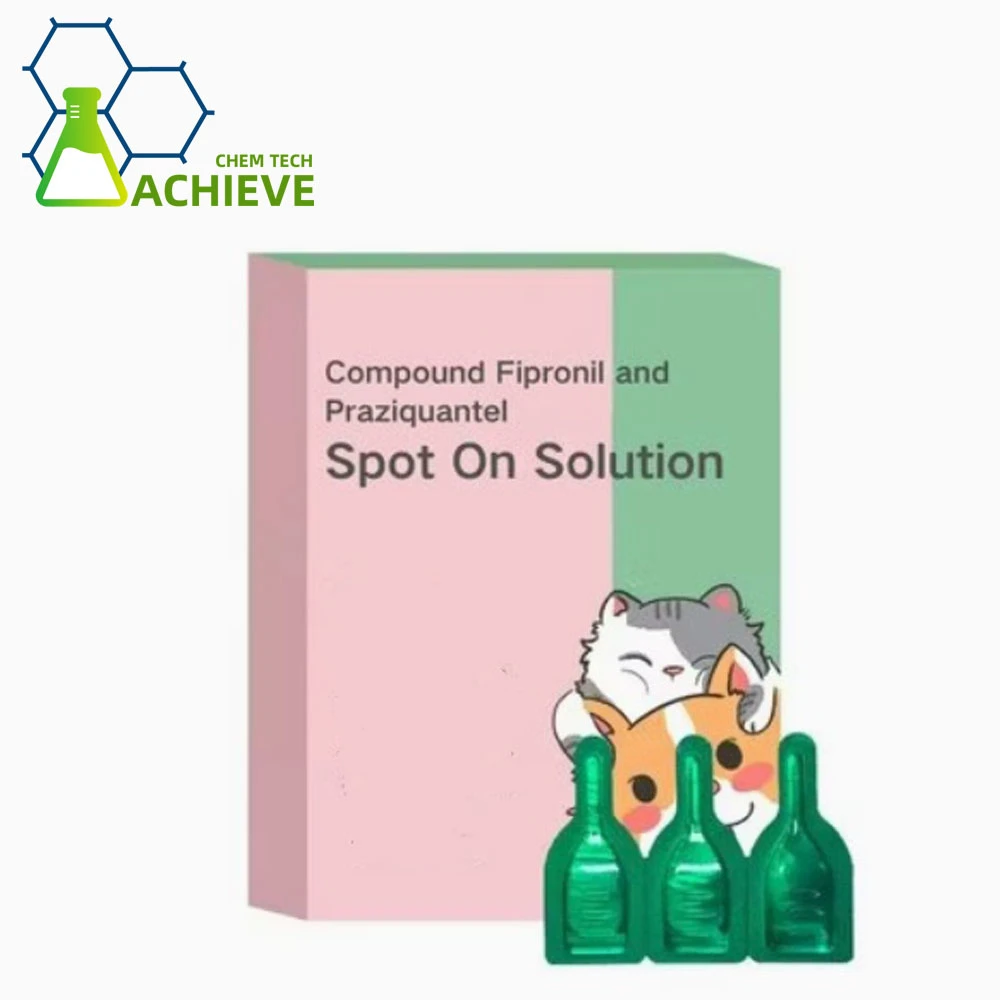
Compound Fipronil And Praziquantel Spot On Solution
1.General Specification(in stock)
(1)Solution
2.Customization:
We will negotiate individually, OEM/ODM, No brand, for secience researching only.
Internal Code: BM-9-022
Compound Fipronil and Praziquantel Spot On Solution
Main market: USA, Australia, Brazil, Japan, Germany, Indonesia, UK, New Zealand , Canada etc.
Manufacturer: BLOOM TECH Xi'an Factory
Analysis: HPLC, LC-MS, HNMR
Technology support: R&D Dept.-4
How Do Compound Fipronil Drops Work Against Fleas and Ticks on Dogs?
The Science Behind Topical Parasite Protection
Fipronil is an insecticide in the phenylpyrazole class that is intended to attack the nerve systems of parasitic invertebrates. When the active ingredient is put on a dog's skin, it moves through the sebaceous glands and hair follicles, forming a protective layer on the skin's surface. This way of spreading the medicine makes sure that fleas and ticks that touch the treated animal are always exposed to the active ingredient.
Gamma-aminobutyric acid (GABA)-gated chloride channels in parasites' nervous systems are what the chemical targets. This interaction makes neural activity out of control, which paralyzes and kills the creatures it targets.

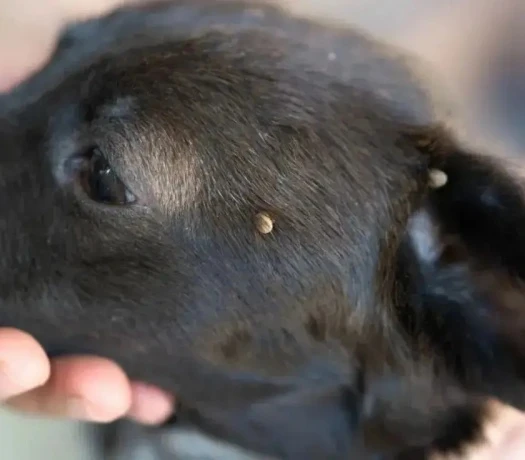
According to studies published in journals of veterinary parasitology, fipronil kills adult fleas quickly (usually within 24 hours of application) and continues to work against ticks for several weeks.
Speed of Action and Duration of Protection
Studies have shown that Compound Fipronil Drops start killing fleas 4 to 8 hours after being used, and are at their effective 24 hours after that. Tick control works in a similar way, though it may take a little longer for dog ticks, American dog ticks, and deer ticks to be gone. Fipronil stays at therapeutic levels on the skin's surface for about 30 days because it releases from stores.
This protects the skin for a month between treatments.
Targeting Multiple Life Stages
In addition to killing adult parasites, fipronil formulations change the ability of fleas that survive the first exposure to have babies. When female fleas touch treated dogs, they lay eggs that can't live. This upsets the life cycle of the fleas in the environment and stops future infestations. Because it affects more than one generation, Compound Fipronil Drops are very helpful for getting rid of flea populations that have been there for a while in the homes with multiple pets or where the environment is always dirty.

Compound Fipronil Drops Mechanism of Action for External Parasite Control in Dogs

Molecular Interaction with Parasite Nervous Systems
Due to the differences in human and arthropod nerve receptor architecture, fipronil exclusively affects the invertebrates. Fipronil strongly binds to parasite GABA-gated chloride channels, blocking inhibitory nerve impulse signals. This effective blockage overexcites nerve cells, draining the parasite energy and causing some convulsions, paralysis, or the death.The receptor of architecture and neurotransmitter pathways of animals' nervous systems vary. Thus, following the package instructions makes things safe for dogs. Skin and sebaceous fluids contain most of the chemical, which does not enter the circulation. Such consequences on the treated animal are even less probable.
Distribution and Persistence on Canine Skin
Fipronil moves across the skin's surface by physically spreading out and interacting with skin after being put on the recommended spot between shoulder blades. Using radiolabeled fipronil in studies has shown that this pattern of spread covers the whole body surface in 24 to 48 hours. Because the substance is lipophilic, it tends to gather in sebaceous glands. These glands constantly release small amounts of the active ingredient to replace what they lose through regular shedding and exposure to the environment.
Environmental Stability and Weatherproofing

Modern Compound Fipronil Drops are better at resisting water because of changes in formulation technology. This means that dogs can swim and clean without losing a lot of protection. The sebaceous storage system keeps the active ingredient from being washed away by washing or rain, so it works even for dogs that spend a lot of time outside. Lab tests show that products that are properly applied stay more than 90% effective after being exposed to water more than once, as long as the right amount of time passes before the first bath or swim.
How to Choose Compound Fipronil Drops Based on Dog Size and Parasite Protection Needs?

Weight-Based Dosing Requirements
Veterinary Compound Fipronil Drops come in various dosages for different-sized animals. Small dogs (under 10 kilograms) require smaller dosages than medium or big dogs (10–20 or 20–40 kilograms). Extra-large breeds (above 40 kg) require the most. By selecting the proper product strength, you can ensure the skin gets enough concentration without overdoing it, which might cause unwanted effects.
Correctly measuring weight is the first step in product selection. Veterinarians recommend using reliable scales instead of guessing when weighing dogs, particularly those near dosage group boundaries. Rapidly developing puppies may need to be reevaluated before each monthly treatment due to product size fluctuations.
Considering Additional Active Ingredients
Fipronil is sometimes mixed with other ingredients to help control a wider range of parasites. Products that have both fipronil and (S)-methoprene kill flea eggs, larvae, and adults, so they are better at controlling the environment as a whole. Other mixes might have ingredients that kill parasites or other ectoparasites, such as lice and mites.
Assessing Environmental Parasite Pressure
Dogs living in places with lots of fleas and ticks or that spend a lot of time in wooded areas,

tall grass, or wildlife settings are more likely to get parasites than pets that live in cities and don't spend much time outside.When veterinarians suggest ways to keep parasites away, they take these environmental factors into account. For example, they might suggest year-round protection in warm climates or seasonal use in places where parasite activity drops during certain winter months.
Compound Fipronil Drops Application Methods for Effective Flea and Tick Management

Proper Technique for Topical Administration
Effective parasite removal requires the correct procedure. Part your pet's hair between their shoulder blades to reach the skin, then use the product syringe to administer the whole contents to one location. Applying to the skin instead of the hair ensures it reaches the sebaceous glands, and keeping it out of the dog's reach prevents it from eating it while grooming.
Using medication carefully safeguards practitioner and animal. Plastic gloves protect skin from the concentrated substance, and washing your hands afterward removes any residue. Kids and pets should keep away from the product until it dries, which normally takes 2–4 hours.
Timing Applications for Optimal Protection
With monthly applications, parasites are always protected, even during high-risk times of the year. Setting a specific date on the plan for treatment helps make sure that it is done again on time, before the safety wears off. If you give your dog its first dose during a flea infestation, you may want to clean up the area around them more thoroughly to get rid of any immature flea stages that topical treatment doesn't affect right away.
Integration with Comprehensive Parasite Management

Topical treatments with fipronil work best when they are part of a larger plan to get rid of parasites.Flea eggs and larvae are taken out of the environment by regularly cleaning your home, such as by vacuuming carpets and washing pet bedding in hot water. Cross-infection between animals can be avoided by treating all dogs and cats at the same time in homes with more than one pet. Talking to veterinary pros makes sure that the right procedure is designed for each situation.
Understanding the Role of Compound Fipronil Drops in Comprehensive Dog Parasite Care

Relationship to Other Preventive Measures
Compound Fipronil Drops are great for getting rid of surface parasites, but for full health protection, you also need to take care of internal parasites. Veterinarians usually suggest two different products for controlling intestinal parasites and heartworms. This way, the dog is protected against all of the most common parasites that live in dogs. Fecal tests done once a year can find intestinal parasites that might not show any clear symptoms, allowing early treatment.
Monitoring Treatment Effectiveness
After starting fipronil treatment, dog owners should keep an eye on their dogs for signs of ongoing parasite activity.
It's normal to find a few dead or dying fleas in the first few days after treatment. This is because the product gets rid of existing parasites. If the pet keeps scratching, you can see live parasites, or flea dirt (digested blood that fleas produce) shows up after the first week, it could mean that the treatment isn't working well, was applied incorrectly, or the pet is becoming resistant, which should be checked out by a vet.
Safety Considerations and Adverse Event Management
When used as directed on the label, Compound Fipronil Drops have a very good safety record in dogs.Sometimes there are temporary responses at the application site,like swelling, itching, or hair loss,


but they usually go away on their own. More serious reactions are still very rare, but they need to be treated right away by a vet. Labels on products make it clear what the minimum age is for puppies, and dogs that are pregnant or nursing need to get permission from their vet before they can be treated.
Long-Term Health Benefits of Consistent Parasite Control
In addition to relieving itching right away, regular removal of external parasites saves dogs from getting diseases. Pathogens like those that cause Lyme disease,ehrlichiosis, anaplasmosis, and Rocky Mountain spotted fever are carried by ticks.
Fleas can give animals tapeworms and flea allergy dermatitis, which is very bad for animals with sensitive skin. Keeping up with the year-round or seasonal protection that vets recommend greatly lowers these health risks and raises the quality of life.
Conclusion
Knowing your dog's fleas and ticks and how to get rid of them is crucial. Because they operate immediately, last long, and are safe, Compound Fipronil Drops are clinically proven to eliminate external parasites. Choosing the suitable product for the dog's size, applying it correctly, and including it into a whole parasite prevention strategy will improve its performance and reduce its dangers.
Good parasite management improves dog and owner health, illness prevention, and enjoyment of life. Working with a vet lets you tailor your parasite-removal approach to your dog's requirements and adapt to changing conditions. You can keep your dog safe by checking on them and changing the regulations.
FAQ
1. What is the difference between compound fipronil drops and single-ingredient fipronil products?
Compound Fipronil Drops have fipronil as their main active ingredient, along with other chemicals that may make them work better, kill more parasites, or make the mixture better. Single-ingredient products only have fipronil in them, which kills fleas and ticks specifically. Insect growth regulators, such as methoprene, can be added to Compound Fipronil Drops to stop fleas from reproducing, or penetration boosters and stabilizers can be added to make the product last longer and reach more skin. Whether a single formulation or a compound formulation is used relies on the parasite problems that need to be solved. Compound formulations are better in high-pressure situations or when wider-spectrum control is needed.
2. How quickly do compound fipronil drops kill fleas and ticks after application?
Compound Fipronil Drops start to kill fleas 4 to 8 hours after they are applied, and most adult fleas are dead within 24 hours. Getting rid of ticks takes about the same amount of time, though based on the type and stage of life, it may take up to 48 hours to completely kill all ticks. The product needs time to spread across the skin's surface through sebaceous glands, which is why effects aren't seen right away. Pet owners may notice that their pets scratch more on the first day because parasites that are dying become more active before they die. After 48 hours, continuing to watch helps figure out if the application was successful or if there needs to be a follow-up meeting.
3. Can compound fipronil drops be used on puppies and pregnant dogs?
It is usually only okay to use Compound Fipronil Drops on puppies that are at least 8 weeks old, but this can change from product to product. The minimum age makes sure that the puppies have gained enough weight and developed their metabolism to safely process the active ingredients. Before using any parasite control product on a dog that is pregnant or feeding, it is important to talk to a vet. Even though fipronil isn't absorbed very well by the body as a whole, veterinarians still weigh each animal's risk-benefit ratios by looking at its stage of pregnancy, overall health, and risk of parasite exposure. Always carefully read product labels and do what vets tell you when dealing with groups of animals that are weak.
Partner with Bloomtechz for Quality Compound Fipronil Drops Supplier Solutions
Bloomtechz is the company you can trust to be your Compound Fipronil Drops supplier. They use pharmaceutical-grade active ingredients and have strict quality control and foreign certifications to back them up. Because our production sites are GMP-certified and meet US-FDA, EU-GMP, and CFDA standards, you can be sure that every batch is as pure and consistent as your pet formulations need them to be. We offer full technical support, detailed analytical documentation, and reliable supply chain management. We have more than 12 years of experience in organic synthesis and pharmaceutical intermediates. Our quality assurance method has three levels of checks: testing in the plant, analysis by an independent QA/QC department, and certification by a third party. This makes sure that the goods we make meet your strictest requirements. Contact our professional team at Sales@bloomtechz.com to talk about where you can get Compound Fipronil Drops and how our low prices, flexible order sizes, and expert regulatory advice can help you reach your goals for developing medicines for animals.
References
1. Dryden MW, Payne PA. Biology and control of ticks infesting dogs and cats in North America. Veterinary Therapeutics: Research in Applied Veterinary Medicine. 2004;5(2):139-154.
2. Rust MK, Dryden MW. The biology, ecology, and management of the cat flea. Annual Review of Entomology. 1997;42:451-473.
3. Jacobs DE, Hutchinson MJ, Ryan WG. Control of flea populations in a simulated home environment model using lufenuron, imidacloprid or fipronil. Medical and Veterinary Entomology. 2001;15(1):73-77.
4. Hendrix CM, Bruce HS. Feline clinical parasitology. Veterinary Clinics of North America: Small Animal Practice. 2002;32(5):1081-1102.
5. Otranto D, Wall R. New strategies for the control of arthropod vectors of disease in dogs and cats. Medical and Veterinary Entomology. 2008;22(4):291-302.
6. Beugnet F, Franc M. Insecticide and acaricide molecules and their combination in veterinary external antiparasitic drugs. Trends in Parasitology. 2012;28(7):267-274.