


Pet owners commonly use compound fipronil drops as a reliable way to fight against fleas and ticks. It's a trusted option and is suggested by vets all over the world. This topical formulation combines fipronil with supplementary active substances to provide broad-spectrum control of ectoparasites that endanger the health and well-being of animals. An understanding of this product's biological mechanisms will allow purchasers to make educated judgements when buying for their veterinary or agricultural needs. There is a scientific basis for pest management using fipronil compound drops, from the mechanism of the effect on the parasite nervous system, to the pattern of dispersion throughout skin tissue. This article covers the pharmacological basis of this commonly used formulation including its classification, receptor binding, target pest spectrum and dispersion features. Whether you are a pharmaceutical distributor, veterinary supply firm or speciality chemical buyer, this article provides practical insight into why compound fipronil drops remain a cornerstone product in parasiticide marketplaces around the world.
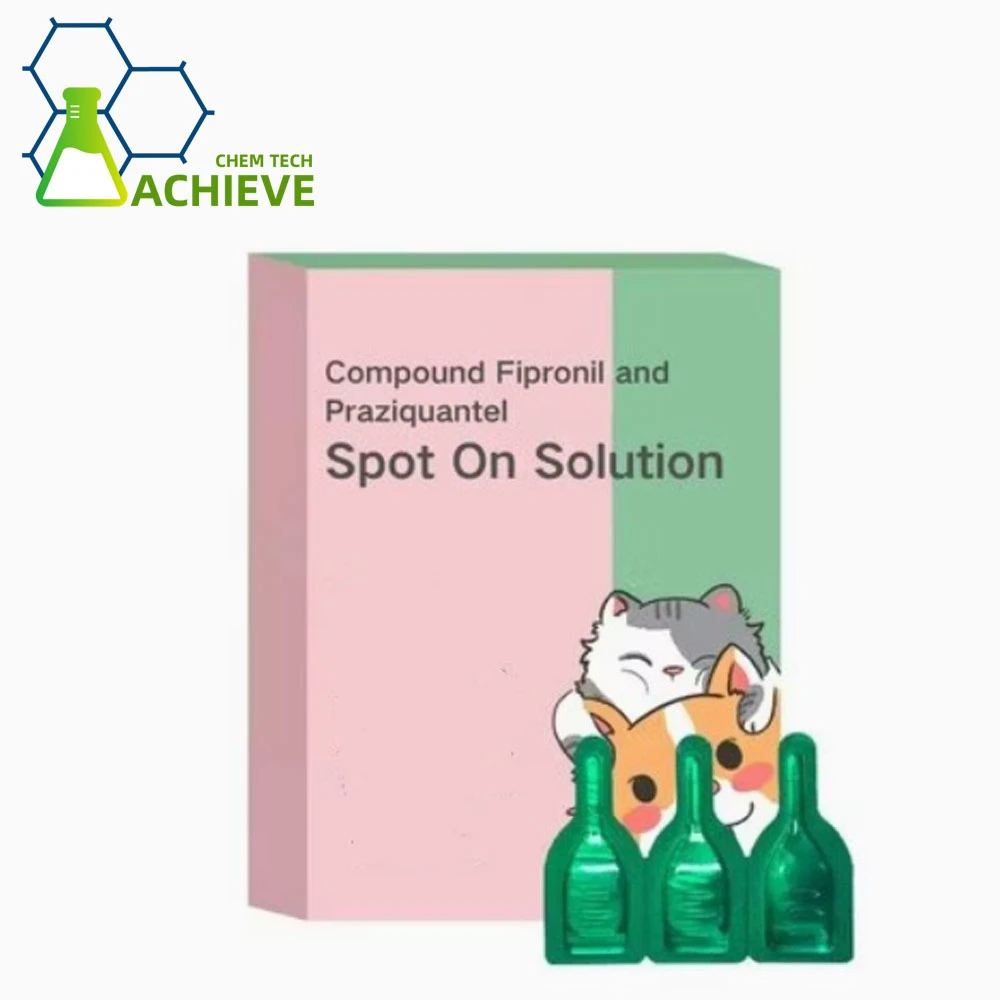
Compound Fipronil And Praziquantel Spot On Solution
1.General Specification(in stock)
(1)Solution
2.Customization:
We will negotiate individually, OEM/ODM, No brand, for secience researching only.
Internal Code: BM-9-022
Compound Fipronil and Praziquantel Spot On Solution
Main market: USA, Australia, Brazil, Japan, Germany, Indonesia, UK, New Zealand , Canada etc.
Manufacturer: BLOOM TECH Xi'an Factory
Analysis: HPLC, LC-MS, HNMR
Technology support: R&D Dept.-4
What Pharmacological Class Does Compound Fipronil Drops Belong to and How Does It Work?
Fipronil drops are a compound of insecticide belonging to the chemical class of phenylpyrazoles. This is a group of insecticides characterised by their molecular makeup and method of action. This difference distinguishes fipronil products from previous organophosphate or pyrethroid compounds, providing a different metabolic pathway for pest management, which helps to solve cross-resistance problems in target organisms.
The formulation acts by interfering with the central nervous system function of insects and arachnids. Fipronil is selectively lethal, binding predominantly to invertebrate nerve receptors rather than receptors found in dogs, cats or other treated animals, unlike neurologic drugs that target mammals. This selectivity is the basis for its safety profile in topical veterinary use.
Chemical Composition and Formulation Standards
Fipronil chemical backbone consists of a pyrazole ring linked to a trifluoromethylsulfinyl chemical group. This makes the molecule lipophilic, which means it will dissolve in oils and fats easily, but not in water. Manufacturers take use of this trait when formulating compound fipronil drops by combining fipronil with solvents that increase skin penetration and remain stable throughout storage and shipping.
Manufacturing standards of quality demand accurate measurement of the concentration of active ingredient, typically 9.7% to 10% fipronil by weight in commercial veterinary medicines. The potency of this concentration is closely related to its consistency,

and so sourcing from GMP-certified facilities is a significant concern for distributors and formulators.
Mechanism of Action at the Cellular Level
Fipronil principally acts as a non-competitive antagonist in the nervous system of the target pests. The molecule blocks the passage of chloride ions through the membranes of neurones, a procedure that is important for proper nerve impulses. Blocking this flow of chloride causes the neurones to fire too much and out of regulation, leading to hyperexcitation, paralysis and eventually death of the parasite.The mechanism differentiates compound fipronil drops from the acetylcholinesterase inhibitors of former generations of pesticides.
The specific binding characteristics of fipronil have been reported in the veterinary pharmacology literature and justify its designation as a structurally and functionally different insecticidal drug in contemporary parasiticide design.
Compound Fipronil Drops and Their Affinity for GABA-Gated Chloride Receptors
The ability of chemical fipronil drops to work pharmacologically depends on how they interact with gamma-aminobutyric acid receptors, also known as GABA receptors. These receptors control chloride ion channels in the neurological systems of insects, arachnids and other invertebrates and are thus a crucial target for the development of parasiticide.
GABA is usually an inhibitory neurotransmitter that reduces nerve cell activity by enabling the entry of chloride ions into the nerve cells. This influx stabilises the neurone and stops it from firing too much. Fipronil interferes with this natural regulation by attaching to the GABA receptor site and preventing the opening of chloride channels.
Selective Binding Properties Across Species
One of the most interesting pharmacological aspects of fipronil is its differential binding affinity. The chemical is also much more potent on insect and arachnid GABA receptors compared to mammalian GABA receptor subtypes. This discrepancy is due to differences in receptor structure between vertebrates and invertebrates.Mammalian GABA receptors including dogs and cats treated with compound fipronil drops have a distinct subunit makeup limiting the binding capacity of fipronil. This biological difference is the reason why topical administration as directed on the label can be utilised for effective pest control with an acceptable safety margin for the host animal.
Consequences of Chloride Channel Blockade
If fipronil is in the binding site of the GABA receptor, the chloride ions do not flow through the channel efficiently. GABA normally acts to block neurones in the parasite's central nervous system, but as the parasite matures, these neurones become more excitable and fire frequently without normal inhibitory checks.
Physically, this prolonged neuronal excitation appears as tremors, uncoordinated movement and paralysis in infected fleas, ticks and mites. Sufficient exposure will kill the pest within hours, depending on the type of pest and how long it has been in touch with treated fur or skin.
This chloride channel antagonism has been validated as the principal mechanism of the rapid knockdown action of fipronil against ectoparasites in laboratory experiments investigating the receptor kinetics of fipronil. Compound fipronil drops have been established as a reliable tool in integrated pest management programs .
Insecticidal and Acaricidal Properties of Compound Fipronil Drops Against Ectoparasites
Compound fipronil drops have a dual activity, being an insecticide and an acaricide. This wide range of activity allows one topical application to cover many kinds of parasites, without differentiating between insects and arachnids.
Insecticidal – The adjective for the fatal impact of fipronil on six-legged pests, such as fleas and certain species of flies that can infect treated animals. As for acaricidal qualities, they refer to the efficiency of the product against eight-legged arachnids such as ticks and other mite types. This adaptability makes fipronil drops with compounds particularly useful in complete ectoparasite treatment strategies.
Spectrum of Target Organisms
Fipronil-based formulations have shown demonstrable efficacy against a variety of ectoparasite species reported in veterinary entomology studies. The common fleas of companion animals are easily amenable to treatment, as are some tick species that transmit infections to animals and people.Mite populations, including those that cause sarcoptic and demodectic disorders in some situations, are also susceptible to fipronil exposure, but the efficacy may differ depending on the mite species and the intensity of the infestation. The vast functional arsenal is a direct consequence of the conserved nature of GABA-gated chloride channels across the diverse arthropod fauna,

suggesting that the same biochemical target is widely distributed across the ectoparasite kingdom.
Residual Activity and Persistence
One of the most remarkable differences of the fipronil drops is the long residual action after administration. Instead of washing off or deteriorating quickly, fipronil diffuses into the animal's skin lipids, producing a reservoir that releases active substance over weeks.
This virtue of prolonged release means that newly emerging fleas, or questing ticks, will be exposed to fatal doses even days after the initial therapy application. Field efficacy studies have shown protection periods up to four weeks for fleas and somewhat shorter periods for some tick species in general.
Environmental factors, such as frequency of bathing and exposure to swimming,may affect actual persistence under field conditions.
How Do Compound Fipronil Drops Interact with Fleas, Ticks and Mites?
The practical interaction of compound fipronil drops with some species of ectoparasites is the reason for the continued popularity of this formulation among veterinary specialists and pet product distributors. Each parasite type shows somewhat varied patterns of exposure and physiological responses to fipronil interaction.
Fleas are most likely to be exposed to fipronil through direct contact with the treated host animal's hair while attempting to feed. Their comparatively thin cuticle enables for speedy absorption of the chemical, and therefore a rapid beginning of the neurological symptoms outlined earlier. This fast action stops the flea life cycle before eggs can be laid, which is vital in managing household infestations.
Flea Life Cycle Disruption
Adult fleas are just one stage in a complicated life cycle that includes eggs, larvae and pupae, which typically exist in the environment, rather than on the host animal. Compound Fipronil drops kill only the adult fleas that are on the treated animals and hence reduce the number of eggs and later environmental pollution.
Some preparations combine other active substances with fipronil to address immature flea stages for a more complete control program. This two-pronged attack treats the current adult flea load and treats the entire life cycle of the environment that supports continued flea infestation in the home.


Tick Attachment and Exposure Dynamics
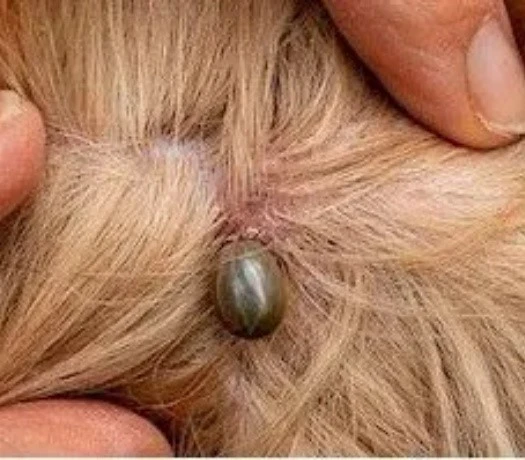
Fleas provide a bit of a different exposure situation to ticks, which normally need to attach and feed on blood to reach a significant fipronil concentration to kill them. The substance is found in skin lipids, thus ticks take up fipronil through their mouthparts and cuticle while attaching.This method explains why some ticks may die after they have attached, yet not be prevented from attaching in the first place. Veterinary experts have pointed out that the speed of fipronil's acaricidal effect is a therapeutically important feature in product performance assessments since a reduction in disease transmission risk often depends on rapid knockdown of ticks after attachment.
Mite Susceptibility Variations
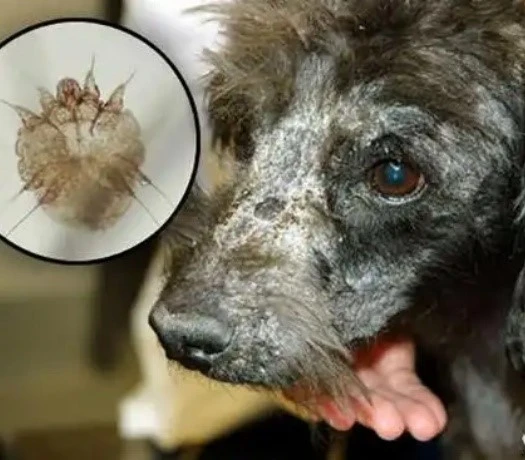
The susceptibility of mite species to the topical application of compound fipronil varies greatly and depends on their feeding behaviour, cuticle thickness and habitat choice on or within the host tissue . Mites that live on the surface seem to have more regular reaction patterns than those that burrow deeper into the epidermal layers.
In some cases successful control of some mite infestations may require combination therapy or longer treatment periods than are required for flea control alone. This finding emphasises the biological variety that exists even within this single acaricide target class.

Topical Distribution of Compound Fipronil Drops: Fipronil Accumulation in Skin Lipids and Sebaceous Glands
The manner compound fipronil drops are spread once they are put on the skin is a complex pharmacokinetic process and differs from that of systemic parasiticides. Instead of entering the bloodstream in large numbers, fipronil tends to move along the surface of the skin, using the animal's own lipid network.
Sebaceous glands in the skin secrete an oily substance called sebum that typically conditions the fur and creates a protective barrier. Compound fipronil drops leverage this already existing biological infrastructure, using sebum as a transport medium to move active ingredient away from the initial point of administration to distant areas of the body.
Lipophilic Transport Mechanisms
This is what pharmacologists call high lipophilicity. The molecular structure of fipronil is such that it dissolves better in fats and oils than in water. This property is critical for the distribution pattern of the molecule. It partitions rapidly into sebum and skin lipid reservoirs instead of systemic absorption into blood circulation.
Pharmacokinetic studies exploring fipronil distribution have demonstrated that detectable levels remain in hair follicles and sebaceous secretions for long periods following single applications . This effect, the presence of a localised reservoir, leads to a longer duration of protection, which is a feature of topical formulations compared to therapies needing more frequent reapplication.
Follicular Reservoir Formation
Hair follicles in the treated skin areas act as reservoirs for accumulated fipronil, and the substance is progressively released from the hair follicles to the skin surface during the following days and weeks. The follicular reservoir mechanism is an important factor contributing to the long residual activity described in the previous sections on the duration of ectoparasite control.Studies of skin biopsies from treated animals have confirmed measurable levels of fipronil in the hair follicles long after the initial treatment. This provides the biological rationale for the monthly re-treatment intervals that are often recommended for compound fipronil drops products.

Minimal Systemic Absorption Benefits
The low systemic absorption of correctly prepared compound fipronil drops has practical implications in terms of safety margins for the treated animals. As most of the administered product is retained in structures of skin lipids, rather than in general circulation, the potential for off-target physiological consequences is greatly reduced.
This distribution pattern is consistent with the regulatory expectations for topical parasiticide medicines where localised action on ectoparasites living on the surface and penetrating the skin meets therapeutic goals without the need for considerable medication exposure to the whole body.
The toxicology investigations behind fipronil registration have typically confirmed this favourable distribution profile as a contributing element to the compound's established safety record when taken according to labelled recommendations.
Conclusion
Compound fipronil drops are an evidence-based strategy to ectoparasite control that makes use of selective GABA receptor binding and lipid distribution features to provide long-lasting flea, tick, and mite protection. The chemical basis of phenylpyrazole provides a unique method of action relative to older classes of insecticides, and the compound's accumulation in sebaceous glands and hair follicles gives prolonged residual activity after topical administration. For companies purchasing parasiticide ingredients or finished formulations, knowledge of these pharmacological basics allows for improved procurement decisions and quality assessment procedures. When you are working with chemicals that need precise concentration control and GMP manufacturing requirements throughout the production process, it is of considerable importance to have reliable sourcing partnerships.
Frequently Asked Questions
1. Is compound fipronil drops safe for regular topical application on treated animals?
+
-
When applied according to label directions and recommended intervals, compound fipronil drops maintain an established safety profile due to selective receptor binding and limited systemic absorption into mammalian bloodstream.
2. How quickly does compound fipronil drops begin working after application?
+
-
Most formulations begin affecting flea populations within 24 to 48 hours, though complete tick and mite control may require slightly longer exposure periods depending on species and attachment behavior.
3. Can compound fipronil drops lose effectiveness with frequent bathing?
+
-
Excessive bathing or swimming can reduce the sebum reservoir carrying fipronil, potentially shortening residual protection duration, so following manufacturer guidance regarding water exposure helps maintain optimal efficacy.
Call to Action: Partner with Bloomtechz for Reliable Compound Fipronil Drops Supply
Businesses seeking a dependable compound fipronil drops supplier can rely on Bloomtechz's extensive manufacturing experience and strict quality verification processes. Our GMP-certified production facility spans 100,000 square meters and holds certifications from US-FDA, EU, JP, and CFDA authorities, ensuring consistent product quality batch after batch. With triple-layer quality analysis spanning factory inspection, internal QA/QC review, and authoritative third-party verification, Bloomtechz delivers transparency that distributors and manufacturers can trust. Our fixed-proportion pricing model supports long-term partnership value rather than one-time transactions, while our ERP-based tracking system provides accurate lead times and shipping documentation for smooth customs clearance. Reach out today at Sales@bloomtechz.com to discuss your sourcing requirements and discover why international pharmaceutical and specialty chemical buyers choose Bloomtechz as their trusted partner.
References
1. Tingle, C. C., Rother, J. A., Dewhurst, C. F., Lauer, S., & King, W. J. (2003). Fipronil: Environmental fate, ecotoxicology, and human health concerns. Reviews of Environmental Contamination and Toxicology.
2. Cole, L. M., Nicholson, R. A., & Casida, J. E. (1993). Action of phenylpyrazole insecticides at the GABA-gated chloride channel. Pesticide Biochemistry and Physiology.
3. Zhao, X., Yeh, J. Z., Salgado, V. L., & Narahashi, T. (2005). Fipronil is a potent open channel blocker of glutamate-activated chloride channels in cockroach neurons. Journal of Pharmacology and Experimental Therapeutics.
4. Jennings, K. A., Canerdy, T. D., Keller, R. J., Atieh, B. H., Doss, R. B., & Gupta, R. C. (2002). Human exposure to fipronil from dogs treated with a topical flea and tick preparation. Veterinary and Human Toxicology.
5. Dryden, M. W., Payne, P. A., & Smith, V. (2006). Efficacy of fipronil against sarcoptic mange on dogs under field conditions. Veterinary Therapeutics.
6. Hainzl, D., & Casida, J. E. (1996). Fipronil insecticide: Novel photochemical desulfinylation with retention of neurotoxicity. Proceedings of the National Academy of Sciences.