


Parasite management has made huge strides and a better grasp of the scientific basis of effective therapies allows pet owners and distributors to make smarter choices. Fipronil spot-on is unique as a topical parasiticide because of its unique mode of action, which acts on the neurological system of fleas, ticks and other external parasites. Unlike prior organophosphate therapies, this phenylpyrazole chemical interferes with a specific receptor system that governs the passage of nerve signals. In this post, we'll break down the biological mechanism of GABA receptor antagonism, investigate why it has such powerful impacts on parasite nervous systems, and show how this knowledge translates into real-world pest management solutions. If you are a veterinary distributor, pet care brand, or procurement manager seeking a manufacturing partner you can trust, this guide provides you with the technical clarity to assess fipronil-based products with confidence.
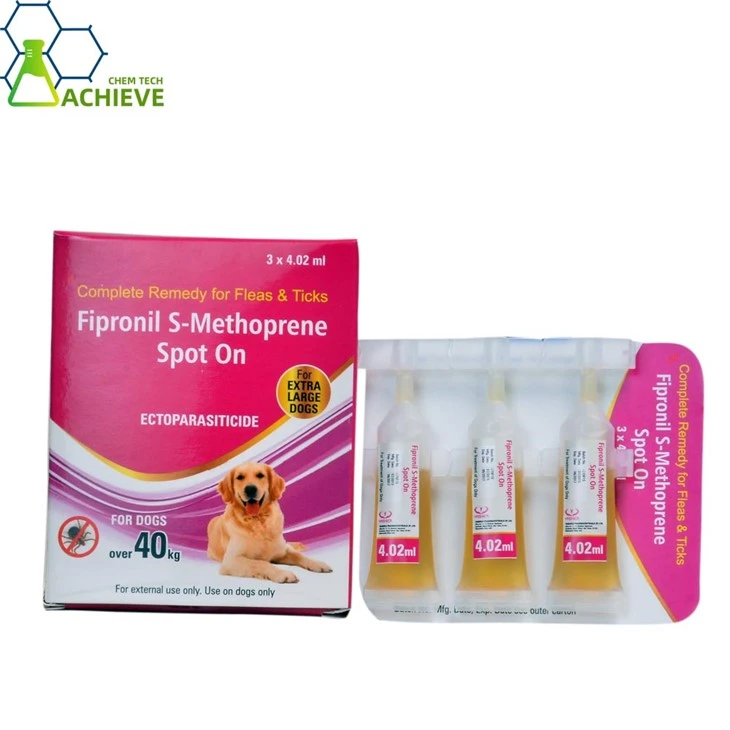
Fipronil Spot-On
1.General Specification(in stock)
(1)API(Pure powder)
PE/Al foil bag/ paper box for Pure powder
(2)Spot-On
cat:0.5ml
dog:0.67ml:2-10kg/1.34ml:10-20kg/2.68ml:20-40kg/4.02ml:40-60kg
(3)Solution
(4)Drops
2.Customization:
We will negotiate individually, OEM/ODM, No brand, for secience researching only.
Product Code:BM-9-018
Fipronil CAS 120068-37-3
Analysis: HPLC, LC-MS, HNMR
Technology support: R&D Dept.-3
How Does Fipronil Spot-On Antagonize GABA-Gated Chloride Channels in Parasites?
Insects and arachnids have gamma-aminobutyric acid (GABA) as the main inhibitory neurotransmitter in their nervous systems. When GABA binds to its receptor it opens a chloride channel and negatively charged chloride ions enter into the neurone. This flow soothes the nerve cell and stops it from over-firing. Fipronil spot-on acts by physically blocking this channel and preventing chloride ions from entering and interrupting the soothing signal on which the parasite's nervous system depends.
Binding Affinity at the Chloride Channel Site
Fipronil is a phenylpyrazole that has a peculiar form that fits snuggly into the GABA-gated chloride channel, especially in arthropod neural tissue. This is a non-competitive binding, which means that fipronil does not have to compete directly with GABA molecules for the exact same place. Instead it wedges itself into a nearby part of the channel, physically blocking the flow of ions even if GABA is there and trying to do its job. Fipronil binds to arthropod GABA receptors far more readily than it binds to mammalian GABA receptors .This has been demonstrated repeatedly in laboratory investigations of insect brain tissue .


This is part of why fipronil is quite safe to use on cats and dogs when used properly .
Selective Toxicity Across Species
One of the most important properties of this chemical class is its selective toxicity. Mammals possess GABA receptors with a slightly different structure from those in fleas, ticks and lice. This structural difference means that fipronil binds far less well to the receptors found in warm-blooded species. Studies in veterinary pharmacology have demonstrated that this selectivity gap explains why fipronil spot-on formulations can provide substantial insecticidal activity without producing considerable central nervous system disruption in affected pets when the product is administered as directed.
Why Chloride Channel Blockage Matters for Pest Control
Blocking the chloride channel may sound like a minor technicality, but its downstream effects on pest control efficacy are immense. The neurones of the parasite cannot repolarise after firing without functional chloride channels. This has a cascade effect across the neurological system, finally leading to paralysis and death of the parasite. This is a mechanism largely relied upon by manufacturers designing topical therapies, as it provides a sure, fast acting means of removing fleas and ticks that have evolved resistance to previous chemical classes such as pyrethroids or organophosphates.
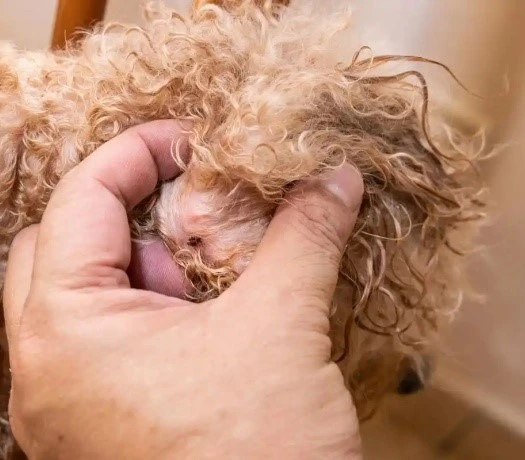
Fipronil Spot-On and the Disruption of Inhibitory Neurotransmission in Parasite Neurons
The nervous system functions via a fine balance between excitatory and inhibitory messages. Neurones need both forms of input to communicate with one another, integrate sensory information and coordinate muscle activity. GABA is the main brake pedal in this system, and when that brake pedal falls out of order, the whole communication network gets thrown into a tizzy. And this is exactly what happens when fipronil spot-on interferes with inhibitory neurotransmission in parasites.

The Role of GABA in Maintaining Neural Balance
Usually, after an action potential, the release of GABA permits the neurone to return to its resting membrane potential. This recovery interval is important as it stops the neurones from firing too often or too hard . If there is not enough inhibition, neurones want to fire all the time . This results in continual, unregulated signals to other neurones that they are connected to . In fact, in entomological research on insect physiology, this feedback inhibition loop is a vital component in the coordinated movement, sensory processing and even the most basic survival instincts of arthropods.
Consequences of Inhibitory Signal Loss
By blocking the chloride channel, fipronil virtually eliminates the inhibitory signal. Nerve cells that should be quiet keep firing, and this endless activity spreads down the nerve tracts they are attached to. Researchers researching phenylpyrazole compounds have shown that this loss of inhibitory control results in a state that resembles continuous electrical storm activity in the parasite's nerve tissue. The insect or arachnid loses the capacity to control its own movement and essential tasks such as locomotion, feeding, and reproduction become impossible.
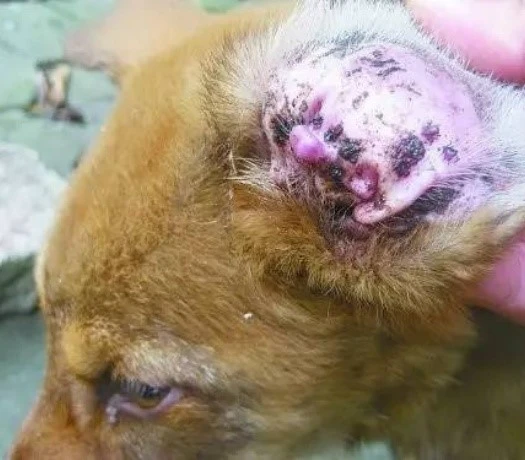
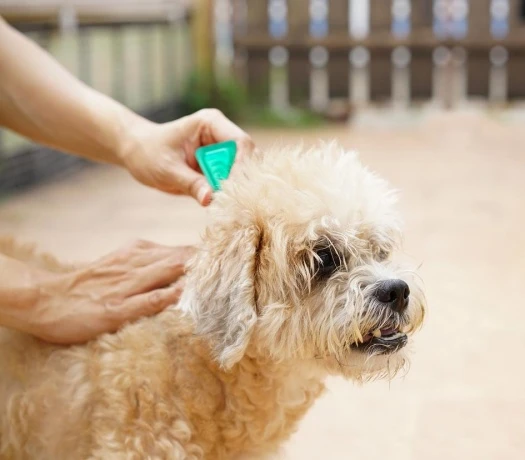
Comparing Fipronil to Other Neurotoxic Mechanisms
Many older pesticides affect sodium channels or acetylcholinesterase enzymes, resulting in distinct physiological effects. Fipronil is distinct in that it attacks a whole other element of the brain puzzle, the GABA receptor system. This distinction is practically important since parasites that have gained resistance to sodium channel blockers or acetylcholinesterase inhibitors are typically still susceptible to fipronil spot-on formulations. This lack of cross-resistance is one of the reasons why veterinary parasitologists still advocate fipronil-based medicines as part of rotational parasite control programs to assist prevent the development of multi-drug resistant flea and tick populations.
How Does Fipronil Spot-On Trigger Neuronal Hyperexcitation Through GABA Receptor Blockade?
Hyperexcited states are when neurones fire much more often and much more fiercely than normal, without the typical regulation pauses that healthy neural systems depend on. This is the key to how fipronil ultimately incapacitates and kills external parasites. If you understand the steps that lead to hyperexcitation, you may see why symptoms develop so rapidly after exposure and why the effects are usually permanent for the parasite involved.
The Transition from Blocked Channels to Overactive Neurons
When the chloride channels are blocked, the neurones can no longer undergo hyperpolarisation, the process of becoming more negative inwardly after firing. Without hyperpolarisation , the threshold for firing another action potential is dramatically lowered . This means that even the smallest incidental stimuli can cause recurrent firing events. This means that during a short time the neurones are firing over and over again and not resting . This uses up cellular energy at an unprecedented rate and sends uncontrolled impulses through the neural circuits they are attached to .


Observable Behavioral Symptoms in Affected Parasites
Entomologists have seen a pretty consistent set of behavioural alterations in fleas and ticks exposed to fipronil. The affected parasites usually demonstrate some form of strange behaviour such as twitching, uncoordinated limb movement and the repetitive attempts to groom excessively. Such behaviours are the surface expression of the brain chaos below. Ordinarily, upon hyperexcitation, parasites go from frenetic movement, to tremors, to rigid immobilisation, when their muscular systems are flooded with continual, unregulated nerve messages.
Why This Mechanism Produces Rapid Knockdown Effects
Pet owners and veterinary professionals commonly report obvious results in hours, not days, from fipronil spot-on treatments. This rapid knock-down comes straight from the rapidity of the hyperexcitation once the chloride channels start being blocked. Because the disruption involves a major regulatory system instead of a secondary metabolic pathway the time required from exposure to physical incapacitation is often less than that of insecticides that act through slower biochemical pathways. This speed is especially important when there is a high flea infestation, when a rapid reduction in parasite load reduces skin irritation and consequent consequences for the infected animal.

Fipronil Spot-On: From Chloride Ion Transport Disruption to Parasite Neuromuscular Paralysis
The last step of fipronil mechanism of action consists in moving from ionic transport disruption to complete neuromuscular paralysis. This evolution is the practical end point that makes fipronil spot-on formulations an effective therapeutic and preventative flea and tick remedy. This route from the cells to the whole-organism level explains the consistent results the product produces against a broad range of external parasites.
Ion Imbalance and Cellular Energy Depletion
Chloride ions are much more than just neuron-soothing. Their mobility assists in preserving the overall electrochemical gradient necessary for neurones to operate effectively. This transport process can get interrupted, and cells must work harder to try to restore equilibrium. Often, cells rely on energy-intensive pump mechanisms such as the sodium-potassium ATPase system to restore balance . This high demand will eventually drain the cellular energy reserves. Insect physiology study has demonstrated that ion imbalance over time will impair the structural integrity of neurones and cause a progressive loss of nerve cell activity that cannot be restored beyond a certain point.
The Neuromuscular Junction Breakdown
Muscles need to get unambiguous signals from motor neurones to contract and then relax at the right times. The signals reaching the neuromuscular junction are distorted and unreliable as the upstream neuronal circuits are overloaded with continual firing. It infects parasites and makes their muscle fibres get mixed signals to contract and twitch until they are no longer responsive to brain signals. This breakdown is indicative of paralysis observed in fleas and ticks after exposure to fipronil-based products, a sign that has been well-documented in laboratory and field studies by veterinary entomologists.
Why Paralysis Represents an Irreversible Endpoint
Once neuromuscular paralysis has been induced, the parasite has effectively lost all potential for coordinated movement, feeding or escape behaviour. This endpoint is important from the practical aspect of pest control, as it ensures that fipronil spot-on does not just stun or momentarily incapacitate parasites but has a long lasting effect preventing attempts at re-infestation. The same paralytic cascade is still in operation even when the parasites are exposed to residual drug levels on treated fur or skin, and from a product development perspective, this irreversible mechanism enables longer intervals between administrations.
GABA Antagonism and Contact Insecticidal Activity of Fipronil Spot-On Against Fleas and Ticks
But knowing the chemical mechanism of GABA receptor blockage only explains half the story. In practice, this science is demonstrated by the effectiveness of fipronil medicines against real-world flea and tick populations based on contact exposure, not ingestion.
The distinction is important for manufacturers and purchasers when considering formulation tactics and application methods.
Contact Toxicity Versus Systemic Absorption
Unlike certain parasiticides that need a parasite to bite or absorb the host's blood before they exhibit harmful effects, fipronil has most of its insecticidal impact by direct touch. The parasites pick up the compound through their exoskeleton as they walk across the treated fur or skin, and very immediately their nervous system is exposed to the GABA-blocking mechanism. This type of contact action is very useful with fleas. Since the treatment will kill the parasites before they have a chance to feed,

the risk of passing on secondary conditions such as flea allergic dermatitis or tapeworm infestation is reduced.
Persistence Through the Sebaceous Gland Reservoir System
The distribution route of fipronil spot-on formulations is mostly dependent on the sebaceous glands scattered over the skin of a pet. The substance is absorbed into the skin and then travels across the body surface by attaching to natural oils produced by these glands. This provides a depot effect with gradual release, so that the parasites are exposed continuously for a long period of time to the active substance. Research in veterinary parasitology publications has demonstrated that this sustained release mechanism is a substantial part of the extended protection time seen with correctly designed topicals.
Efficacy Against Resistant Flea and Tick Populations
In the veterinary pest control industry, resistance to parasites is an ever-growing worry. Fipronil works on a different receptor system than pyrethroid or organophosphate chemistries, and as such, is often still effective on flea and tick populations that have already acquired resistance mechanisms to other chemical classes. Flea populations in field experiments in diverse geographic areas have demonstrated that fipronil-based treatments continue to show strong knockdown and kill rates, even in areas where resistance to older classes of insecticides has become common. This resilience renders fipronil spot-on a viable tool in integrated parasite management programs,
particularly when rotated judiciously with other active ingredients to delay the establishment of new resistance patterns.
Conclusion
The GABA antagonism mechanism behind the fipronil spot-on is a really successful strategy to flea and tick control, based on interrupting a critical element of the parasite nervous system function. From chloride channel blockage to neuromuscular paralysis . This biological cascade offers guaranteed rapid acting insect extermination at every step . This technique can give producers, distributors and veterinary medication developers vital knowledge for formulation decisions, marketing claims and competitive positioning within a crowded parasiticide market. It is just as important to have a good production partner who understands this science as it is to have the chemistry itself.
Frequently Asked Questions
1. Does fipronil spot-on affect pets the same way it affects parasites?
+
-
No. The structure of mammalian GABA receptors is different from that of insects and arachnids, resulting in significantly lower binding affinity for fipronil in pets than in parasites when used properly.
2. How quickly does fipronil spot-on begin working after application?
+
-
Many formulations demonstrate significant flea knockdown effects after 24 hours and full efficacy against ticks generally develops a little later when the ingredient spreads throughout the skin surface.
3. Can fipronil spot-on help with parasites resistant to other treatments?
+
-
Yes. It often remains effective against populations resistant to other insecticide classes because it targets GABA receptors, rather than sodium channels or acetylcholinesterase enzymes.
Work With Bloomtechz - Your Trusted Fipronil Spot-On Supplier
Bloomtechz brings over a decade of organic synthesis experience and GMP-certified manufacturing to every batch of fipronil-based product we produce. Our facility holds certifications from US-FDA, EU-GMP, PMDA, and CFDA authorities, backed by a triple-layer quality analysis process that protects your supply chain from start to finish. We serve as qualified suppliers to 24 international pharmaceutical and R&D companies, offering transparent pricing, accurate lead times, and full documentation for smooth customs clearance. Whether you need bulk active ingredient, finished spot-on formulations, or custom OEM solutions, our team delivers consistent quality backed by real accountability. Reach out today to Sales@bloomtechz.com and discover why so many partners trust Bloomtechz as their dependable fipronil spot-on supplier for long-term, scalable cooperation.
References
1. Food and Agriculture Organization of the United Nations. Pesticide residue and mode of action classification reports on phenylpyrazole insecticides.
2. World Organisation for Animal Health. Technical guidelines on ectoparasite control products for companion animals.
3. Journal of Veterinary Pharmacology and Therapeutics. Studies on fipronil pharmacokinetics and topical distribution in domestic animals.
4. Insect Biochemistry and Molecular Biology. Research articles examining GABA-gated chloride channel structure and insecticide binding affinity.
5. Veterinary Parasitology. Published field studies evaluating flea and tick resistance patterns against phenylpyrazole compounds.
6. Pest Management Science. Comparative analyses of insecticide classes targeting inhibitory neurotransmission pathways in arthropods.