


Hormone therapy has come a long way, and trilostane tablets sit at the center of some of the most meaningful advances in adrenal hormone management. Whether you are a veterinary professional managing canine Cushing's disease or a researcher exploring adrenocortical regulation, understanding how this compound works at a biochemical level can sharpen your clinical decisions and deepen your confidence in its use.
This review walks through the core mechanisms, the steroid biosynthesis pathway it interrupts, cortisol regulation strategies, monitoring protocols, and practical guidance for working with this compound responsibly.
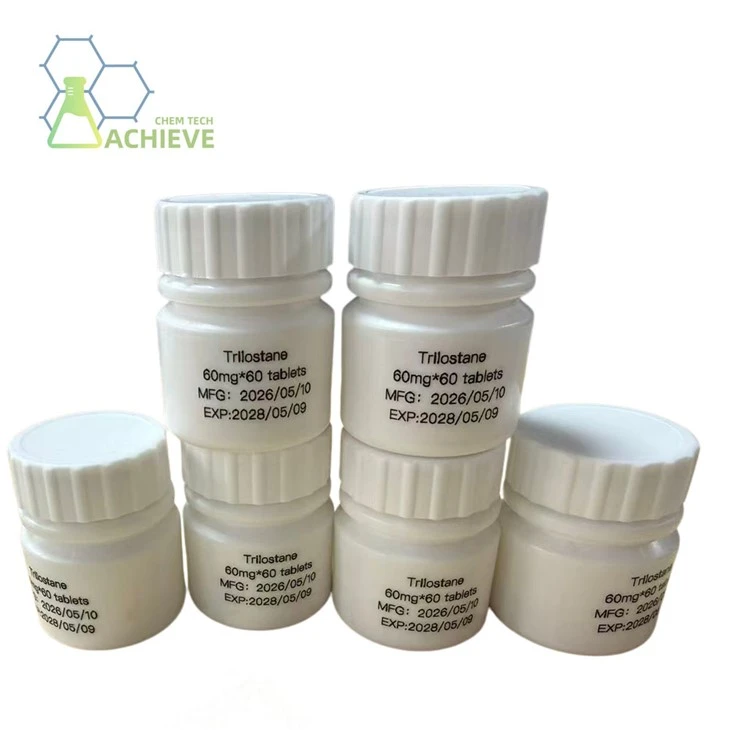
Trilostane Tablets
1.General Specification(in stock)
(1)Injection
Customizable
(2)Tablet
Customizable
(3)API(Pure powder)
PE/Al foil bag/ paper box for Pure powder
HPLC≥99.0%
2.Customization:
We will negotiate individually, OEM/ODM, No brand, for secience researching only.
Internal Code: BM-2-016
Trilostane CAS 13647-35-3
How Do Trilostane Tablets Change Adrenal Steroid Production?
The Enzyme at the Center of the Story
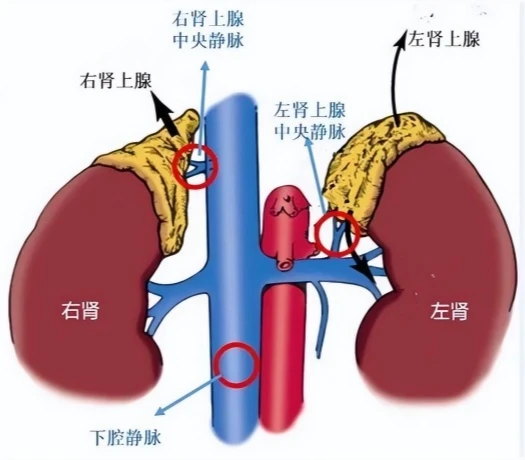
Trilostane tablets use a key enzyme in the adrenal cortex to stop 3β-hydroxysteroid dehydrogenase (3β-HSD) from working. This enzyme changes pregnenolone and other Δ5-steroids into their active Δ4-ketone cousins. These are the building blocks for cortisol and aldosterone. In a way that can be measured and depends on the amount, the whole downstream chain slows down when 3β-HSD activity goes down.
This inhibition is useful in medicine because it can be undone. Trilostane doesn't hurt the adrenal glands like some other adrenocortical suppressants do; once the drug wears off, the glands can go back to working normally. Because of this, it is the best choice in situations where the clinical goal is to carefully and easily lower hormone levels.
Why Steroid Output Drops Without Gland Destruction
Because trilostane targets an enzyme rather than the glandular tissue itself, it lowers the production of steroids in a way that can be measured. Studies that have been published in reputable endocrinology journals confirm that plasma cortisol levels drop significantly within hours of the first dose, but the structure of the adrenal glands stays the same. This difference is very important when the goal is long-term hormone management instead of ablation.
Its molecular formula is C₂₀H₂₇NO₃, and its molecular weight is 329.43. Its melting point is 264°C, and its specific optical rotation is D25 +137.4°, which shows that its structure is very precise in terms of stereochemistry.
When made into tablets to take by mouth, these physicochemical qualities help make the drug's pharmacokinetics and absorption more reliable.
Trilostane Tablets and the Pathway From Pregnenolone to Cortisol
Blocking the Biosynthetic Traffic Jam
It is easy to see how cholesterol is made inside the adrenal cortex. After changing into pregnenolone, it needs 3β-HSD and Δ5,4-isomerase to move on to progesterone, then 17-hydroxyprogesterone, and finally cortisol. Trilostane tablets put a stop to the early enzyme junction that changes pregnenolone to progesterone. This makes a bottleneck that lowers the production of cortisol without stopping it completely.
This partial blockage is important for the body. An Addisonian crisis, a hormone emergency that could kill you, would happen if your adrenal glands stopped working completely. Doctors can lower hypercortisolism to a safe level with trilostane because it inhibits it in a titrated way.


This means that the body can still fight stress even if the drug is stopped or the amount is changed.
Studies show that during treatment, plasma aldosterone also drops. This is because the drug affects mineralocorticoid production through the same enzyme route. This dual effect on adrenal steroid release can be seen by keeping an eye on both cortisol and electrolytes during treatment.
Oral Formulation and Absorption Considerations
Trilostane tablets are usually made in amounts of 5 mg, 10 mg, 20 mg, 30 mg, and 60 mg so that they can work for people of all sizes and levels of pain. The tablet is more bioavailable when taken by mouth with food.
This is something that is always mentioned in dosing guidelines for both human and animal hormones. The compound dissolves well in DMSO at concentrations of 17 mg/mL or more, and keeping it at 2–8°C keeps its chemical stability for as long as it lasts.
Understanding Cortisol Regulation During Trilostane Tablet Therapy
Calibrating Suppression Without Overcorrecting
Cortisol regulation during trilostane tablet therapy needs ongoing care. The goal of treatment is not to get rid of cortisol, but to bring it down to a normal level. Overcorrection can cause adrenal insufficiency symptoms like feeling tired, losing your appetite, and having problems with your electrolytes. Underdosing lets hypercortisolism lasts longer, which means that patients will still have symptoms and are more likely to develop problems.
Adrenocorticotropic hormone (ACTH) stimulation testing is still the best way to tell if suppression is working right.
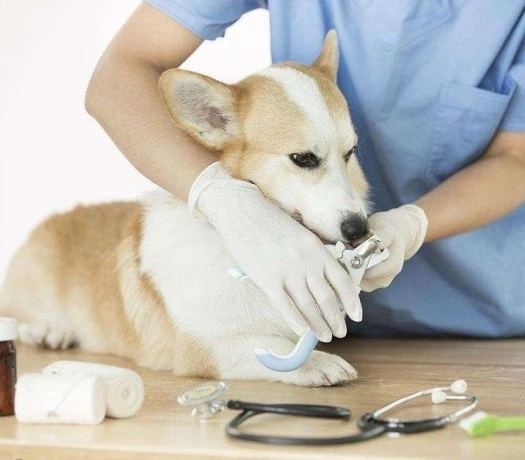
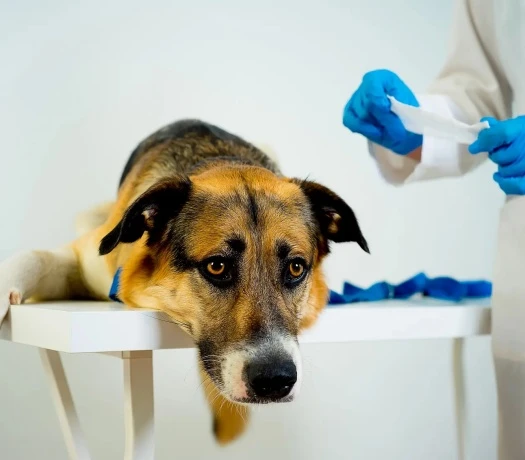
Veterinary endocrinology guidelines say that post-ACTH cortisol levels between 1.45 and 9.1 μg/dL are usually fine for dogs that are getting trilostane treatment.Instead of relying only on lab numbers, clinicians should look at these values along with other clinical signs.
Dose Timing and the Twice-Daily Approach
More and more clinical evidence supports a twice-daily dosing schedule over a once-daily schedule, especially for people whose cortisol levels rise in the late afternoon. Giving the dose every 12 hours spreads out the sedative effect over the course of the day and lowers the chance that symptoms will come back between doses. A reasonable starting point is 0.8–1 mg/kg every 12 hours with food. Changes should be made after 10–14 days of review.
How Trilostane Tablets Support Hormonal Control in Dogs With Cushing's
Clinical Outcomes in Canine Hyperadrenocorticism
One of the most common hormonal problems in middle-aged and older dogs is canine hyperadrenocorticism, also known as Cushing's disease. Trilostane tablets have become a main medical treatment choice because they work, have a reasonable safety profile, and can be reversed. Over 90% of dogs that are treated with trilostane experience significant symptom improvement, such as drinking less water, having better coat quality, and having less abdominal distension.
The drug works better than past treatments for making dogs feel better. Since it doesn't kill adrenocortical cells, the chance of lasting adrenal insufficiency is smaller than with cytotoxic drugs that were used in the past. Most veterinarians think this feature is a big clinical plus.

Managing Adverse Reactions in Canine Patients
Dogs that are given trilostane may experience side effects like being tired, losing their hunger, throwing up, or having diarrhea. Most of these side effects are mild and short-lived. Serious events, like chemical problems or adrenal necrosis, happen very rarely but need to be treated right away by a doctor. Clinicians can catch early warning signs before they get worse by keeping an eye on blood electrolytes, liver enzymes, and ACTH activation values on a regular basis and at baseline levels.
Owners should be taught to spot the signs of steroid shortage, such as weakness, shaking, or collapsing, and told to get their pets to the vet right away if these things happen.
Clear communication with clients cuts down on late arrivals and improves outcomes over the long term.
Monitoring Adrenal Response After Starting Trilostane Tablets
The Critical First 14 Days
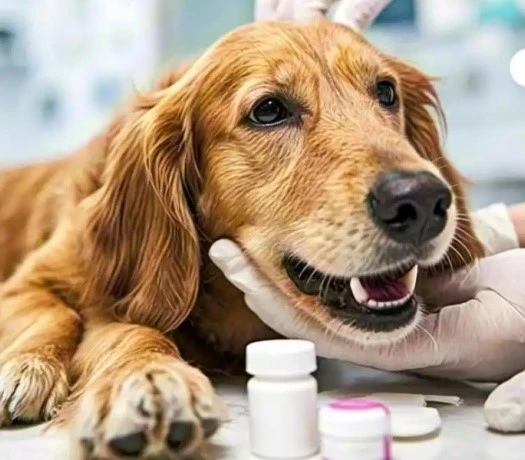
Within the first few hours of starting trilostane tablets, there is the most variation in how patients react. How sensitive a person is to 3β-HSD suppression depends on their body type, the medicines they are taking at the same time, and their adrenal reserve at the start. The first reassessment, which happens 10–14 days after starting or changing therapy, lets doctors see early suppression trends and change the course of action before problems get worse.
At this visit, ACTH stimulation tests, a clinical history from the owner, and a physical check will all help to determine whether the current dose is right, wrong, or too high. Changes, usually by 10–50% at a time, should be recorded and kept track of in a structured way.
Long-Term Surveillance Protocols
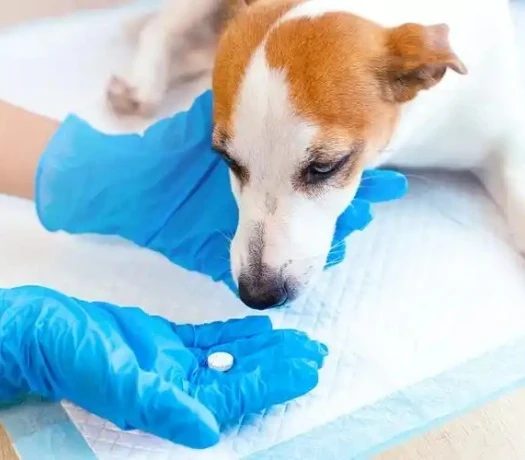
Long-term tracking continues every 30 days for the first few months of therapy. Once the patient is stable, evaluations will happen every three months. The main parts of the monitoring package are liver function screens, blood counts, and cortisol tests. If these numbers go down, the amount should be looked at again, and if needed, treatment should be stopped.
Patients who are known to have problems with their liver or kidneys need to be checked on more often because their drug clearance may change. Lowering these people's doses lowers the risk of accumulation and the toxicity that comes with it. This keeps the benefit-to-risk relationship that makes trilostane a useful tool for long-term control.
Conclusion
Trilostane tablets are a biochemically targeted, reversible, and clinically flexible way to control adrenal hormones. Their method, which is based on blocking 3β-HSD, lowers cortisol and aldosterone levels in a useful way without hurting the adrenal gland. If the dose is carefully adjusted, there is structured monitoring, and there is clear communication between the patient and the owner, trilostane can help with long-term hormonal control in a number of adrenocortical conditions. Getting pharmaceutical-grade trilostane from the right place is still important for making sure that the drug stays effective and keeps patients safe.
FAQ
Q1: What does trilostane do to cortisol levels in the body?
+
-
Trilostane changes the amount of cortisol in the body by temporarily blocking 3β-hydroxysteroid dehydrogenase, an enzyme that is needed early on in the production of cortisol. This break lowers the amount of cortisol made by the adrenal cortex without hurting the adrenal tissue forever. This means that the suppression can be changed by changing the dose.
Q2: How are trilostane tablet doses typically adjusted during therapy?
+
-
Dose changes are based on the results of an ACTH stimulation test and clinical signs, which are usually checked 10–14 days after starting or changing the dose. When suppression is still not enough, dose increases of 10–50% are frequent. On the other hand, dose decreases are used to treat signs of adrenal insufficiency.
Q3: Are trilostane tablets suitable for long-term use?
+
-
Clinical evidence supports long-term use as long as cortisol levels, liver and kidney function, and electrolyte balance are checked on a regular basis. Trilostane's mechanism can be undone, so therapy can be changed or stopped depending on how things are going in the patient's health. This means that it can be used for a long time to manage hormones over a long period of time.
Partner With Bloomtechz - Your Trusted Trilostane Tablets Supplier
Bloomtechz sells pharmaceutical-grade trilostane tablets and API powder that are backed by strict triple-link quality control. This means that the quality is checked at the plant level, by our own QA/QC department, and by a third-party authority with the right credentials. Our 100,000-square-meter GMP-certified factory has approvals from the US FDA, the EU, Japan, and China. As a qualified supplier of trilostane tablets with over 12 years of experience in organic synthesis and pharmaceutical intermediates, we offer flexible dosage forms such as 5 mg, 10 mg, 20 mg, 30 mg, and 60 mg tablets, as well as OEM/ODM options, clear pricing, and accurate lead-time commitments recorded in our ERP platform. Whether you need a large amount of API or finished tablet formulations for study, we can do it all with accuracy and dependability.
Please get in touch with us right away at Sales@bloomtechz.com.
References
1. Neiger, R., Ramsey, I., O'Connor, J., Hurley, K. J., & Mooney, C. T. (2002). Trilostane treatment of 78 dogs with pituitary-dependent hyperadrenocorticism. Veterinary Record, 150(26), 799–804.
2. Ruckstuhl, N. S., Nett, C. S., & Reusch, C. E. (2002). Results of clinical examinations, laboratory tests and ultrasonography in dogs with pituitary-dependent hyperadrenocorticism treated with trilostane. American Journal of Veterinary Research, 63(4), 506–512.
3. Feldman, E. C., Mack, R. E., & Ling, G. V. (2013). Comparison of mitotane and trilostane for treatment of canine hyperadrenocorticism. Journal of Veterinary Internal Medicine, 27(3), 537–545.
4. Sieber-Ruckstuhl, N. S., Boretti, F. S., Wenger, M., Maser-Gluth, C., & Reusch, C. E. (2006). Cortisol, aldosterone, cortisol precursor, androgen and endogenous ACTH concentrations in dogs with pituitary-dependent hyperadrenocorticism treated with trilostane. Domestic Animal Endocrinology, 31(1), 63–75.
5. Wenger, M., Sieber-Ruckstuhl, N. S., Müller, C., & Reusch, C. E. (2004). Effect of trilostane on serum concentrations of aldosterone, cortisol, and potassium in dogs with pituitary-dependent hyperadrenocorticism. American Journal of Veterinary Research, 65(9), 1245–1250.
6. Cook, A. K., & Bond, K. G. (2010). Evaluation of the use of baseline cortisol concentration as a monitoring tool for dogs receiving trilostane as a treatment for hyperadrenocorticism. Journal of the American Veterinary Medical Association, 237(7), 801–805.