


Hormones quietly govern how your body manages fluid, salt, and blood pressure. When the adrenal glands overproduce certain steroids, blood pressure climbs, fluid accumulates, and the body's internal balance shifts in ways that are hard to ignore. Trilostane tablets address this imbalance at the source - the adrenal cortex - by interrupting the enzymatic steps that drive excessive hormone production. This article explores how trilostane works within the body's hormonal architecture to support healthier fluid regulation and blood pressure control.
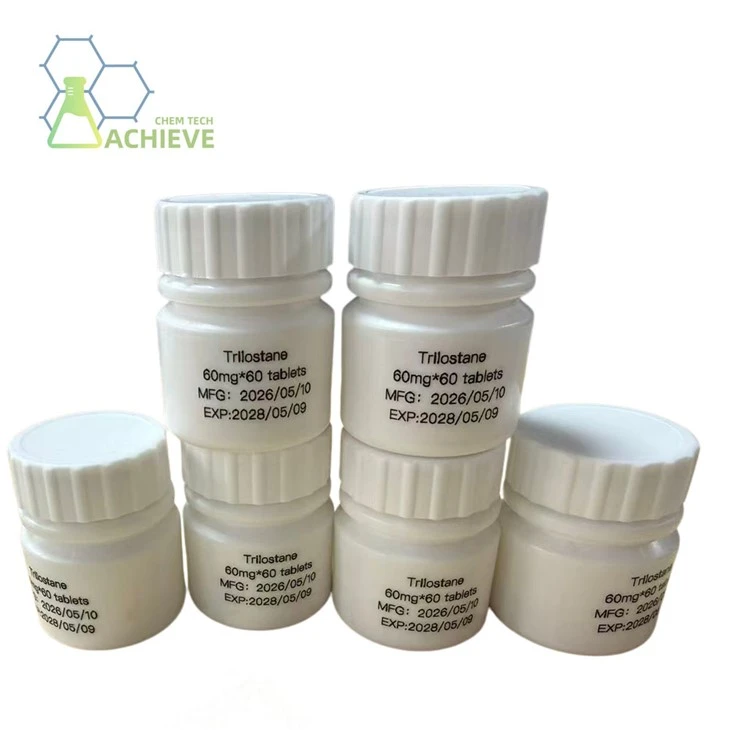
Trilostane Tablets
1.General Specification(in stock)
(1)Injection
Customizable
(2)Tablet
Customizable
(3)API(Pure powder)
PE/Al foil bag/ paper box for Pure powder
HPLC≥99.0%
2.Customization:
We will negotiate individually, OEM/ODM, No brand, for secience researching only.
Internal Code: BM-2-016
Trilostane CAS 13647-35-3
How Does Trilostane Influence Aldosterone-Driven Fluid Regulation?
It is in the adrenal cortex that mineralocorticoid hormones like aldosterone are made. To keep salt and water in the body and get rid of potassium, this is its main job. If the amount of aldosterone is too high, the kidneys hold on to too much water. There is more blood in the body, and the blood pressure goes up. This is known as primary aldosteronism, and it affects a lot of people who have high blood pressure.
The Enzymatic Block That Resets Fluid Output
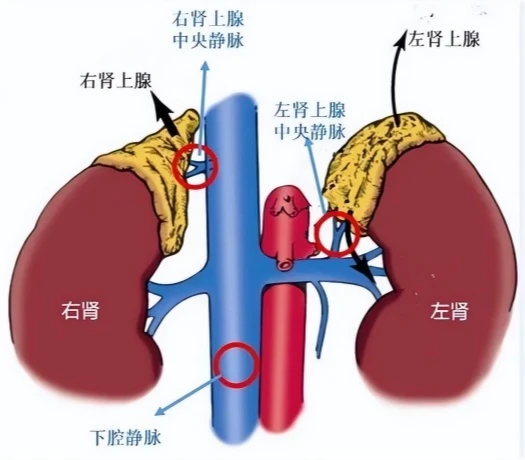
Trilostane tablets work by blocking steroid synthesis in the cortex of the adrenal gland, affecting fluid balance. The medicine competitively and reversibly inhibits the enzyme 3β-hydroxysteroid dehydrogenase (3β-HSD), an important enzyme in the manufacture of aldosterone and cortisol. Mineralocorticoid activity involves aldosterone . When you reduce aldosterone synthesis you change the hormonal signals that govern salt and fluid balance . Studies in dogs have demonstrated that treatment with trilostane may lower stimulated aldosterone concentrations, although the effects on aldosterone are less consistent than the effects on cortisol.
Measurable Shifts in Plasma Aldosterone Concentration
These are important steps in the process of making adrenal steroids. Trilostane stops these enzymes from working, which makes it harder for the body to make aldosterone. Less aldosterone in the blood means the kidneys don't get as much of a signal to hold on to salt. This makes them flush out extra water. While this effect is similar to a diuretic, it is not caused by a normal diuretic process. Instead, it is caused by changes in hormones at the adrenal level.
Trilostane Tablets and the Adrenal Pathway Behind Mineralocorticoid Control
Before we can understand how trilostane changes blood pressure, let's take a quick look at how adrenals are made. Bile acids are what all adrenal steroids are made of. Many enzymes work together to change cholesterol into pregnenolone, then progesterone, aldosterone, and finally cortisol. Every link in this chain needs a different set of enzymes to work. 3β-HSD is very important because it changes pregnenolone to progesterone, which is a requirement before mineralocorticoid production can happen.
Targeting the Upstream Bottleneck
If you block 3β-HSD early on in the process of steroidogenesis, it affects many hormones that come after it at the same time. Trilostane tablets not only stop aldosterone from doing its job, but they also lower the total output of the adrenal gland by more than one level. Because this has a big impact on the mineralocorticoid pathway, when cortisol levels change, blood pressure also drops. The vascular system gets used to the fact that the body's adrenal action is better under control.
Why This Pathway Matters for Blood Pressure
Hormones in the blood have a direct effect on blood vessel tone, which means how tight or open the walls of blood vessels are. Aldosterone changes how much water is in the body and, over time, makes the walls of blood vessels swell and get stiff. The release of aldosterone through the adrenal pathway is stopped by trilostane. This makes the blood vessels' surroundings less hostile. In clinical endocrinology, researchers have found that people with hyperaldosteronism who are treated with drugs that block enzymes have better arterial compliance, which can be seen after longer treatment times.
What Is the Connection Between Trilostane Tablets and Electrolyte Balance?
Electrolytes, mostly sodium and potassium, need to be spread out properly in the body, and aldosterone plays a big role in that. Sodium builds up in the blood when aldosterone levels are high, and potassium leaves the body through urine. Not only does this imbalance raise blood pressure, but it can also weaken muscles, make you tired, and even harm your heart.
Sodium Retention and Its Downstream Effects
Osmotic pressure pulls water into the bloodstream when the body absorbs too much salt. This increases the amount of blood in the body and stresses the heart and lungs. Trilostane tablets lower the amount of aldosterone the body makes. This means that the kidneys are less likely to store salt. Blood volume and blood pressure both go down a little as salt levels return to normal. In some ways, this works like some blood pressure drugs, but it does so through hormones instead of straight on the kidneys.
Potassium Recovery During Treatment
One important side effect of lowering aldosterone is that potassium levels go back to normal. Hypokalemia, or potassium levels that are too low, happens a lot in people with primary aldosteronism. Muscle cramps, weakness, and heartbeats that aren't regular can happen because of this. When electrolyte panels were checked on people who were getting trilostane-based treatment, potassium levels went back to normal. This meant that some people didn't need to take extra potassium. Trilostane is safe for the circulatory system in a big way because it doesn't harm potassium.
Trilostane Tablets in Hormone-Related Blood Pressure Management
When hormones are making too much blood pressure, it needs to be handled differently than when living choices are the only cause. Blood pressure medicines only treat the symptoms of high blood pressure. They don't fix the hormonal problem that makes it happen. Even though trilostane isn't a drug, it can help with medicine because it changes metabolism.
Cushing's Syndrome and the Pressure Connection
High blood pressure is caused by several things, such as the heart pumping more blood, making blood vessels more sensitive to catecholamines, and holding on to water. Too much cortisol is a sign of Cushing's syndrome. The production of cortisol and mineralocorticoids is decreased by trilostane tablets. This follows the chemicals that raise blood pressure in two different ways. It has been used to treat hyperadrenocorticism in dogs, and studies from veterinary medicine show that the blood pressure of more than 80% of the animals that were treated went back to normal. This can help us figure out how the medicine makes the heart work.
Peripheral Vasodilation as a Supporting Mechanism
Not only does trilostane affect the adrenal glands, but it has also been shown to widen blood vessels. This means that the heart doesn't have to work as hard to pump blood. Blood pressure is low in both the systolic and diastolic parts when peripheral resistance is low. Trilostane has a more complicated effect on blood pressure than a single route because it lowers fluids and has this effect as well.
Understanding Trilostane's Effects on Adrenal Hormone and Fluid Regulation
There is tight control over the link between adrenal hormones and the body's fluid balance when everything is normal. When that control breaks down, like it does in adrenal hyperfunction, the body's fluids don't move around as they should, which impacts the whole body. There are some hormonal problems that trilostane can fix by stopping the enzymes that make too many of these steroids.
The Reversible Advantage in Long-Term Management
It is important for medicine that trilostane's blocking effect can be undone. If you get trilostane, it doesn't stay in your body and affect 3β-HSD like surgery or chemical blockage does. They can carefully change doses over time and treatment as the patient's condition changes because of this trait. By regularly checking cortisol levels, usually 10 to 14 days after a dose change, doctors can make sure that hormone levels stay in a safe and useful range.
Fluid Regulation Beyond Simple Diuresis
Drugs that are known to cause diuresis always make the kidneys get rid of water and salt. Unlike other drugs, trilostane doesn't directly change how the kidney works.Instead, it normalizes the hormonal feedback that tells the kidney what to do. This difference is important because it lowers the chance that the body's defenses will be turned on in a bad way. If someone has aldosterone-related fluid overload and takes trilostane pills, their fluid balance may return more slowly and last longer than in people who take loop or thiazide diuretics.
Conclusion
Trilostane tablets help control fluid and blood pressure because they work on the biosynthesis pathway in the adrenal glands instead of the body's symptoms. These pills lower the production of aldosterone and cortisol by stopping 3²-HSD. They also help the body get rid of sodium and fluid, raise potassium levels, and make peripheral blood vessels wider. Because of this, too many adrenal chemicals can improve heart health in a complicated way. Scientists and doctors who study the link between hormones and heart health should fully understand trilostane as a biochemically accurate tool.
FAQ
Q1: What blood pressure conditions are most relevant to trilostane tablet use?
+
-
Trilostane tablets are most commonly associated with conditions involving adrenal hormone overproduction, particularly primary aldosteronism and Cushing's syndrome. Both conditions elevate blood pressure through hormonal mechanisms - excess aldosterone drives sodium and fluid retention, while excess cortisol amplifies vascular reactivity. By reducing adrenal steroid biosynthesis at the 3β-HSD enzyme level, trilostane addresses the hormonal root of these pressure elevations rather than simply masking symptoms.
Q2: How does trilostane's diuretic effect differ from conventional diuretic medications?
+
-
Conventional diuretics act directly on kidney tubules to force sodium and water excretion, often regardless of hormonal status. Trilostane's fluid-reducing effect operates upstream - it lowers aldosterone production in the adrenal cortex, which then reduces the kidney's hormonal instruction to retain sodium. The result is a more physiologically aligned correction of fluid overload, with the added benefit of supporting potassium normalization rather than depleting it, as some diuretic classes tend to do.
Q3: What monitoring is recommended for patients using trilostane tablets for blood pressure-related conditions?
+
-
Regular monitoring of plasma cortisol levels, electrolyte panels (particularly sodium and potassium), and blood pressure readings is standard practice during trilostane therapy. The first follow-up assessment is typically scheduled 10 to 14 days after initiating or adjusting the dose. Liver and kidney function tests are also recommended periodically, as these organs influence drug metabolism and excretion. Dose adjustments- ranging from 10% to 50% changes - are guided by these clinical markers.
Partner with Bloomtechz - Your Trusted Trilostane Tablets Supplier
These words don't just mean things at Bloomtechz; they're how things are done. It is okay for us to sell trilostane pills, and we've been making chemicals and pharmaceutical ingredients for over 12 years. This is where we make things. It's 100,000 m² and has GMP certification from the US FDA, the EU, Japan, and the CFDA. There are three steps to our quality assurance process: a review of the workplace, internal quality control, and proof by a third-party authority. This makes sure that each batch meets our exact requirements. Trilostane tablets are available in a variety of dosages (5 mg, 10 mg, 20 mg, 30 mg, and 60 mg), as well as API powder (HPLC 99%), special OEM/ODM formulations, and full assistance with regulatory paperwork. Our team is ready to help you with accurate pricing, clear wait times, and dedicated R&D support, no matter how many products you need or how small the sample is.
Bloomtechz can help you build your supply chain right away. Email us at Sales@bloomtechz.com
References
1. Bertagna, X., & Guignat, L. (2013). Approach to the adrenocortical insufficiency in treated Cushing's syndrome. Journal of Clinical Endocrinology & Metabolism, 98(4), 1262–1272.
2. Conn, J. W. (1955). Primary aldosteronism, a new clinical syndrome. Journal of Laboratory and Clinical Medicine, 45(1), 3–17.
3. Farquhar, C., Marjoribanks, J., & Brown, J. (2017). Gonadotrophin-releasing hormone analogues and adrenal steroid synthesis inhibitors in reproductive endocrinology. Human Reproduction Update, 23(3), 294–313.
4. Feldman, E. C., & Nelson, R. W. (2004). Canine and Feline Endocrinology and Reproduction (3rd ed.). Saunders/Elsevier.
5. Nieman, L. K., Biller, B. M. K., Findling, J. W., & Newell-Price, J. (2015). Treatment of Cushing's syndrome: An Endocrine Society clinical practice guideline. Journal of Clinical Endocrinology & Metabolism, 100(8), 2807–2831.
6. Young, W. F. (2007). Primary aldosteronism: Renaissance of a syndrome. Clinical Endocrinology, 66(5), 607–618.