


Primary aldosteronism is among the most underdiagnosed forms of secondary hypertension globally. Aldosteronism occurs when the adrenal glands create too much aldosterone, totally throwing off the body's fluid and electrolyte balance, which may raise blood pressure, deplete potassium and strain the cardiovascular system over time. The management of this problem is one of targeted therapy and trilostane tablets are a known therapeutic alternative to inhibit the hormonal cascade at source.
In this post we'll take a stroll through how trilostane tablets function in the adrenal steroidogenesis pathway, why enzyme inhibition is important for controlling aldosterone, and what this implies for patients navigating the treatment of primary aldosteronism.
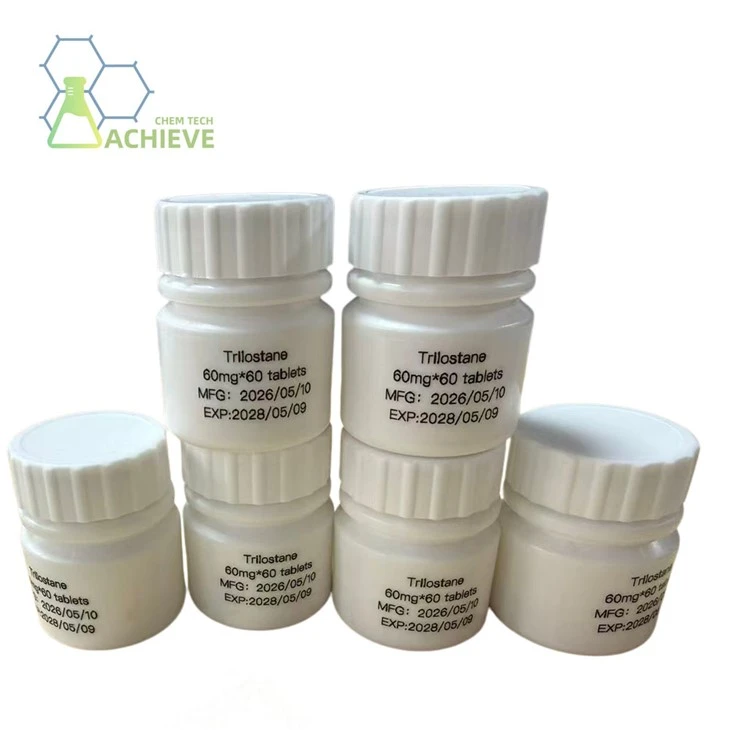
Trilostane Tablets
1.General Specification(in stock)
(1)Injection
Customizable
(2)Tablet
Customizable
(3)API(Pure powder)
PE/Al foil bag/ paper box for Pure powder
HPLC≥99.0%
2.Customization:
We will negotiate individually, OEM/ODM, No brand, for secience researching only.
Internal Code: BM-2-016
Trilostane CAS 13647-35-3
How Do Trilostane Tablets Affect Aldosterone Production?
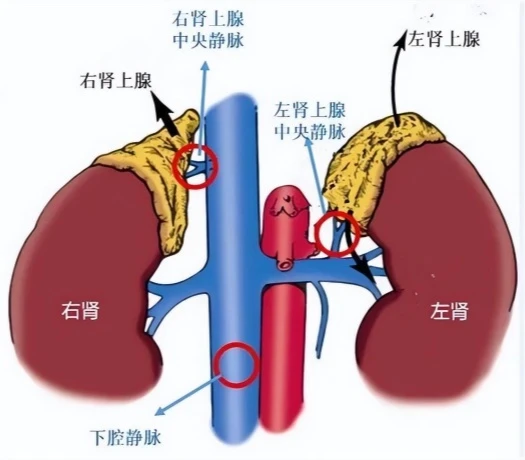
The Adrenal Cortex and Excess Aldosterone
The adrenal cortex is made up of three distinct layers. Aldosterone production is regulated by the zona glomerulosa. This zone is out of whack in primary aldosteronism from a single tumor or two foci of hyperplasia. It produces much too much aldosterone for the body to utilize.
Increased aldosterone may be associated with mineralocorticoid receptors found in renal tubules. This directs the kidneys to excrete potassium and retain sodium. This may lead to an excess of water in the body, high blood pressure, low potassium levels and, in extreme situations, damage to the heart and liver.
From a technological point of view it makes sense to tackle the issue at the adrenal level and not at a later stage.
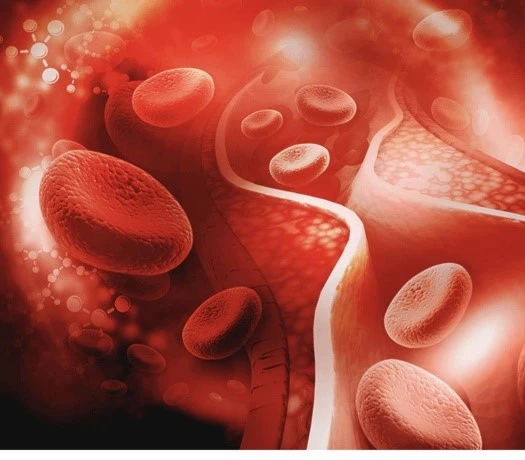
Where Trilostane Enters the Pathway
Trilostane pills temporarily inhibit 3β-hydroxysteroid dehydrogenase (3β-HSD), an enzyme that is responsible for converting pregnenolone to progesterone and dehydroepiandrosterone (DHEA) to androstenedione. If you stop 3β-HSD, you stop all the mineralocorticoids that come after it, such aldosterone, since 3β-HSD is an early enzymatic step required to create aldosterone.
This chemical is known as trilostan. Full name is 4α,5α-epoxy-2α-cyano-androst-2-ene-3β,17β-diol. Molecular formula: C 20 H 27 NO 3 Molecular weight: 329.43 It is a white to off-white powder with a melting point of around 264 °C.
Its method is reversible, an essential consideration in the therapeutic field, since this indicates that the inhibition is modifiable rather than completely removed.
Trilostane Tablets and 3β-HSD: Connecting Enzyme Inhibition to Hormone Control
What 3β-HSD Actually Does
You need an enzyme called 3β-hydroxysteroid dehydrogenase for adrenal steroidogenesis to take place. It has to work for the move from Δ5-steroids to Δ4-steroids to take place. Corticosteroids like cortisol, aldosterone, and androgens all need to go through this change in order to be made by the body.
It doesn't matter how strong signals come from angiotensin II or high plasma potassium if 3β-HSD activity is off. The adrenal gland won't be able to make as much aldosterone. In situations like primary aldosteronism, blocking 3β-HSD is a strong way to lower mineralocorticoid activity.


How Trilostane Engages the Enzyme
Trilostane inhibits the dehydrogenation process by binding to the active site of 3β-HSD and the cofactor NAD + cannot assist. This blocking may be reversed so the quantity of trilostane in the blood will correlate to the amount of enzyme halting. This allows for dosage dependent scaling.
There are considerable decreases in post-trilostane cortisol and aldosterone concentrations in dogs when administered by mouth in veterinary settings where trilostane tablets are routinely used to treat hyperadrenocorticism. Good to note that plasma aldosterone levels decline a lot after only a few hours of a dosage. This indicates how quickly the enzyme-halting process begins to act.
This pharmacological profile reveals that this can be used for persons with primary aldosteronism who have excess aldosterone.
What Happens to Mineralocorticoid Synthesis With Trilostane Tablets?
Disrupting the Aldosterone Assembly Line
Mineralocorticoid production goes from cholesterol to progesterone to 11-deoxycorticosterone to corticosterone to aldosterone in a series of steps. The adrenal gland doesn't have enough of the substance it needs to keep making aldosterone because trilostane tablets stop this process at the pregnenolone-to-progesterone change.
Blood aldosterone levels drop, the body holds on to less sodium, and the kidneys begin to recover potassium balance when this upstream blockage is active. When blood pressure was high because of aldosterone making the body hold on to salt, the body grew.
Once you start taking trilostane tablets as prescribed, your blood pressure will likely go back to normal.
Monitoring Mineralocorticoid Levels During Treatment
Regular checks should be done on the blood pressure, serum fluids, plasma aldosterone concentration, and plasma renin activity of people who are taking trilostane tablets for primary aldosteronism. It's important to get the dose just right, since too little trilostane tablets doesn't stop aldosterone from working, and too much can cause hypocortisolism, or adrenal insufficiency.
One good thing about trilostane tablets is that the process can be turned around. It's possible that you have adrenal insufficiency if you start to feel tired, have low blood pressure, or have less salt in your body. That way, your adrenals can heal without getting hurt again if you lower your dose or stop taking the drug for a short time.
Trilostane Tablets for Managing Hormonal Imbalance and Adrenal Function
Beyond Aldosterone: The Broader Hormonal Picture
Primary aldosteronism is not possible by itself. When you have too much aldosterone for a long time, it changes the balance of hormones by lowering renin, messing up cortisol feedback loops, and even changing the tone of blood vessels in ways that aren't genetic. Trilostane tablets find and stop the 3β-HSD enzyme in a bigger part of the steroidogenesis pathway. Instead of just going after aldosterone, this makes adrenal production more even.
This action of systemic enzymes can help fix the metabolic balance that is thrown off by primary aldosteronism. This can help handle blood pressure better, keep potassium in the body longer, and ease stress on the heart and blood vessels.
Tailoring Dosage to Individual Adrenal Function
The way adrenal glands work is different for each person. Some of the things that affect how someone responds to trilostane tablets are the type of aldosterone excess (adenoma versus hyperplasia), their starting cortisol reserve, the medicines they are taking at the same time, and how their liver works. Most of the time, the dose is slowly raised or reduced based on lab results and how the patient responds.
There are different amounts of trilostane tablets, including 5 mg, 10 mg, 20 mg, 30 mg, and 60 mg. This makes it easy to find the right dose for each patient. You can also get mixes that are made just for you to use for research or as medicine.
Understanding the Role of Trilostane Tablets in Aldosterone Regulation
A Mechanistically Grounded Therapeutic Approach
Trilostane pills are so simple to use, they may be used to assist in treating primary aldosteronism. Trilostane pills treat the hormonal imbalance at the biosynthetic level, as opposed to surgery to remove adrenal tissue or blocking aldosterone receptors on the exterior. It makes it an excellent medication alternative, particularly for patients who can't undergo surgery or who require medical treatment while waiting for a permanent cure.
The endocrinology literature defines reversible 3β-HSD inhibition as having clinically meaningful reductions in plasma aldosterone levels without irreversible suppression of the adrenal axis,

a profile that is highly relevant to the management needs of patients with primary aldosteronism requiring long-term therapy.

Aldosterone Regulation and Long-Term Outcomes
When you treat primary aldosteronism, you need to keep an eye on hormone balance for a long time. Unchecked production of too much aldosterone speeds up heart remodeling, promotes left ventricular growth, and raises the risk of atrial fibrillation, even if blood pressure stays the same. Trilostane tablets help keep organs working and lessen the effects of diseases linked to aldosterone by stopping the production of mineralocorticoids over time.
As time goes on, doctors can change the dose of trilostane tablets by doing things like checking the amount of aldosterone in the urine every 24 hours and doing panels of adrenal hormones.
In this way, they can keep the amount of aldosterone suppression in the treatment goal range without lowering the adrenal reserve as a whole.
Conclusion
When it comes to treating primary aldosteronism, trilostane tablets are a methodical and scientifically adaptable choice. They briefly stop 3β-HSD at the adrenal cortex. This stops the production of aldosterone where it starts, keeps the fluids in balance, and lowers the blood pressure. Endocrinologists can use them to treat too much aldosterone because they can be corrected, come in different amounts, and have a well-known chemical profile.
FAQ
1. What is the mechanism of trilostane tablets in primary aldosteronism?
+
-
Trilostane tablets work by temporarily stopping 3β-hydroxysteroid dehydrogenase (3β-HSD), an enzyme that is very important for making adrenal steroids. This blockage makes it harder for the adrenal glands to make aldosterone, which fixes the chemical imbalance that leads to primary aldosteronism.
2. How is the dosage managed when using trilostane tablets for aldosterone control?
+
-
Each person needs a different amount because it is based on their blood pressure, cortisol reserve, plasma aldosterone levels, and serum fluids. You can choose between 5 mg, 10 mg, 20 mg, 30 mg, and 60 mg. Every 10 to 14 days after starting the drug or changing the dose, the patient is checked by a doctor, and if the aldosterone suppression is still not enough, the dose is increased by 10% to 50% each time.
3. Are trilostane tablets safe for long-term use in primary aldosteronism management?
+
-
It is important for safety that trilostane tablets can be undone so that it doesn't stop enzymes from working. Trilostane tablets is different from drugs that can't be reversed because if the amount is dropped or stopped, the adrenal glands can return to normal. Anemia, kidney function, and fluids should be checked often to make sure the treatment is safe and effective for a long time.
Partner With Bloomtechz for Reliable Trilostane Tablets Supply
When sourcing a qualified trilostane tablets supplier, precision, quality assurance, and regulatory compliance are non-negotiable. At Bloomtechz, we supply pharmaceutical-grade trilostane tablets with HPLC purity ≥99.0%, verified through triple-link quality control - in-factory, QA/QC department, and third-party authority analysis. Our GMP-certified manufacturing site spans 100,000 square meters and holds certifications from US FDA, EU GMP, JP, and CFDA. With over 12 years of experience in organic synthesis and pharmaceutical intermediates, Bloomtechz serves as a trusted qualified supplier to 24 international companies across pharmaceutical, R&D, and specialty chemical sectors. We offer flexible specifications, OEM/ODM customization, and dependable lead times backed by ERP tracking. Reach out today to discuss your procurement needs.
📧 Contact us at: Sales@bloomtechz.com.
References
1. Funder, J. W., Carey, R. M., Mantero, F., Murad, M. H., Reincke, M., Shibata, H., Stowasser, M., & Young, W. F. (2016). The management of primary aldosteronism: Case detection, diagnosis, and treatment. Journal of Clinical Endocrinology & Metabolism, 101(5), 1889–1916.
2. Quinkler, M., & Stewart, P. M. (2003). Hypertension and the cortisol-cortisone shuttle. Journal of Clinical Endocrinology & Metabolism, 88(6), 2384–2392.
3. Vantyghem, M. C., Ghulam, A., Hober, C., Lescut, D., Racadot, A., Lefebvre, J., & Wémeau, J. L. (1998). Adrenal steroidogenesis inhibitors in the treatment of Cushing's syndrome and primary aldosteronism. Annales d'Endocrinologie, 59(6), 475–483.
4. Potts, G. O., Creange, J. E., Hardomg, H. R., & Schane, H. P. (1978). Trilostane, an orally active inhibitor of steroid biosynthesis. Steroids, 32(2), 257–267.
5. Oki, K., & Gomez-Sanchez, C. E. (2013). The role of 3β-hydroxysteroid dehydrogenase and other steroidogenic enzymes in aldosterone excess states. Molecular and Cellular Endocrinology, 379(1–2), 18–25.
6. Williams, T. A., Reincke, M., & Stowasser, M. (2021). Pathogenesis of primary aldosteronism: Current understanding and future perspectives. Endocrine Reviews, 42(4), 474–498.