


Fleas and ticks cause more than itching. They spread illnesses, trigger allergic reactions, and create ongoing discomfort for pets around the world. Understanding how modern antiparasitic solutions actually work helps veterinary professionals, distributors, and researchers make informed decisions about the products they source and recommend. Fluralaner stands out among isoxazoline-class insecticides because of its distinct action on glutamate receptors, a property that distinguishes it from previous compounds for parasite control. In this post we'll explain why glutamate receptors are so important to fluralaner's performance, and translate the theory into practical, easy-to-digest answers. Readers will learn how this molecule interacts with parasite nervous systems, why selectivity for insects and arachnids protects mammals and what this implications for acquiring high quality fluralaner-based formulations. Whether you are a pharmaceutical distributor, research facility or pet health producer, this handbook is full of clarity based on established pharmacological mechanisms.
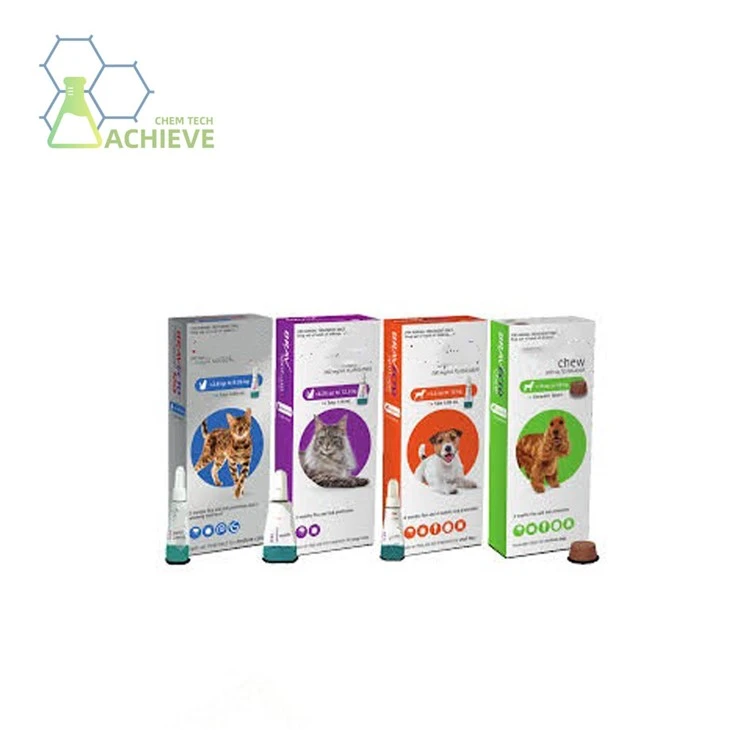
Fluralaner Tablet
1.General Specification(in stock)
(1)Injection
Customizable
(2)Tablet
Customizable
(3)API(Pure powder)
PE/Al foil bag/ paper box for Pure powder
HPLC≥99.0%
2.Customization:
We will negotiate individually, OEM/ODM, No brand, for secience researching only.
Internal Code: BM-6-010
How Does Fluralaner Act on Glutamate-Gated Chloride Channels in Parasites?
Invertebrates such as insects, arachnids and certain nematodes are the only organisms that possess glutamate-gated chloride channels, also known as GluCl channels. Mammals do not possess these unique channel architectures, which explains, in part, the safety profile of isoxazolines straight away. Fluralaner binds to these channels with high affinity, interrupting normal neurotransmission and eventually causing paralysis and death of the target organism.
The Structural Basis of GluCl Channel Binding
GluCl channels are found in the membranes of nerve and muscle cells in parasites including fleas, ticks and mites. These channels are involved in the movement of chloride ions across cell membranes to maintain the balance of neuronal activity. Under normal conditions, glutamate-an endogenous neurotransmitter-binds to these receptors, allowing chloride ions to enter the cell and provide an inhibitory signal that reduces firing of the neuron. Fluralaner interferes with this regulating process by binding to areas that are normally occupied by glutamate, resulting in irregular channel function.
Why This Mechanism Differs From Older Pesticides
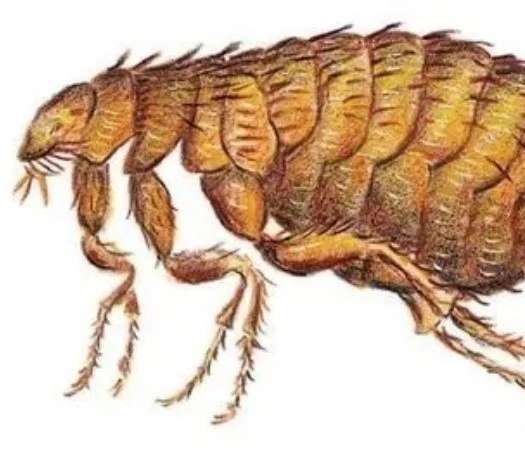
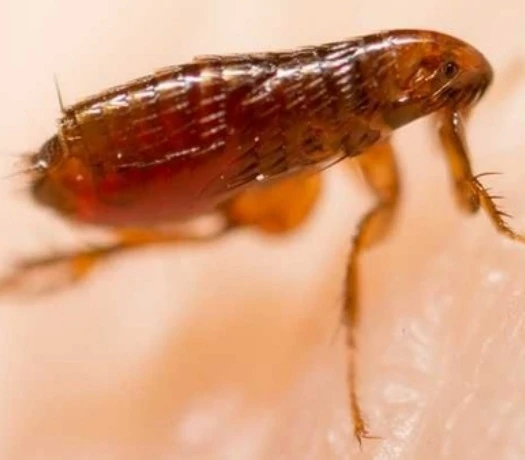
Older generations of flea and tick therapies often targeted sodium channels or acetylcholinesterase enzymes, processes that are shared by many animals, including mammals. Sometimes the overlap produced difficulties of tolerance or safety. Fluralaner targets glutamate-gated chloride channels, a more selective method that harnesses a biological trait specific to invertebrate neural systems. This selectivity is well known and the structural difference between invertebrate and vertebrate chloride channels makes cross-reactivity in mammals very unlikely.
Consequences for Parasite Mobility and Survival
Fluralaner binds to the glutamate receptor location, which prevents the parasite from normally regulating nerve signals. Chloride ion movement is blocked, causing excessive neuronal firing.
And this is no subtle impact. Fleas and ticks treated with fluralaner often lose coordinated movement within hours, and thereafter become paralyzed and die. One reason fluralaner is a favored active ingredient for firms making oral systemic companion animal parasiticides is the rapidity of this action.
Fluralaner and GluCl Receptors: Molecular Interactions in Parasite Nerve Cells
Understanding the molecular handshake between fluralaner and GluCl receptors requires a closer look at receptor architecture. These receptors are not simple on-off switches; they are complex protein assemblies with multiple binding domains, each capable of influencing how the channel opens, closes, or stays locked in an abnormal position.
Receptor Subunit Composition and Binding Affinity
GluCl receptors are usually made up of multiple protein subunits that surround a central pore via which ions pass. Fluralaner has shown high affinity binding to several allosteric locations on these subunits, i.e. it does not compete with glutamate at the main binding pocket. Rather, it alters the overall conformation of the receptor, rendering it less sensitive to normal physiological signals, while at the same time trapping chloride channels in an aberrant open state. Independent investigations of binding kinetics have shown that this allosteric interaction leads to persistent channel activation, significantly longer than the duration induced by normal glutamate transmission.
How Nerve Cell Membrane Potential Changes
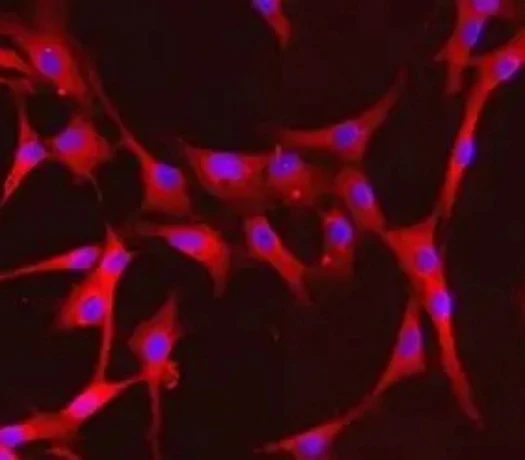
For healthy nerve cells , accurate management of the membrane potential ( the difference in electrical charge across the cell membrane ) is essential . The opening of GluCl channels by fluralaner causes a constant influx of chloride ions into the neuron, which in certain settings pushes the membrane potential toward hyperpolarization but more crucially disrupts the timing and coordination of nerve impulses. This ionic imbalance that lasts for a long time interferes with the parasite's capacity to convey coherent messages between neurons and muscle fibers.
Comparing Fluralaner's Binding Pattern to Related Compounds
Small structural changes across drugs in the isoxazoline class may translate into differences in the duration of binding and receptor selectivity. However, the molecular makeup of fluralaner has been related with sustained receptor activation, which in part explains how its effects on fleas and ticks may linger for lengthy durations following a single injection. This molecular stickiness , so to speak , implies that the substance retains its hold on the parasite 's nervous system for days , even weeks , depending on formulation and dosage , after the first dose .
How Does Fluralaner Block Glutamate-Regulated Chloride Ion Transmission?
The idea of blocking chloride ion transfer seems complex, but the practical effect is simple: parasites lose the capacity to control their own nervous system activity. This part outlines the step-by-step procedure underlying this blockage and its significance for real-world pest control applications.
The Normal Role of Chloride Ion Transmission
In a healthy parasite's neurological system, the passage of chloride ions works as a brake. Glutamate attaches to its receptor, chloride ions go in and the neuron's excitability is briefly reduced. This inhibitory feedback loop avoids over-firing of nerve cells and maintains coordinated movement, eating behavior, and reproductive function . If this regulation does not take place, the nervous system becomes disordered.
Fluralaner's Disruption of Ion Flow Patterns
Fluralaner interferes with this delicate balance by attaching to the receptor in a way that inhibits the channel from closing properly.
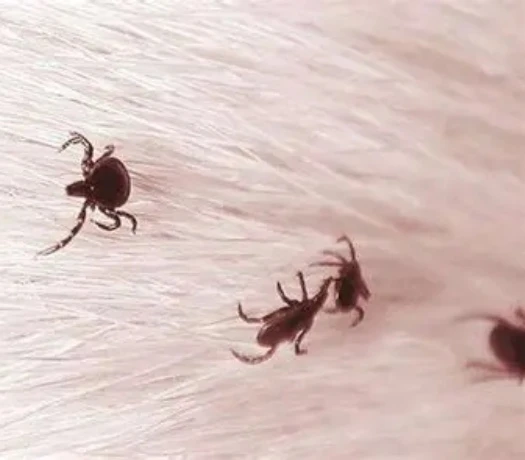
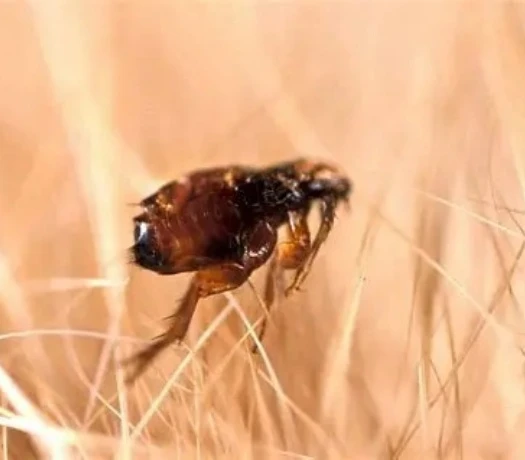
In channels impacted by fluralaner, the chloride ions do not pass through in quick, regulated pulses, instead the channels stay open for excessively extended times. This leads to a prolonged hyperpolarizing or depolarizing impact depending on the particular cell type and ionic gradient involved, leading to disorganized electrical activity throughout the parasite's nervous system. This pattern of sustained channel activation has been consistently shown in laboratory electrophysiological investigations of isoxazoline drugs in a variety of arthropod species.
Observable Physical Effects in Fleas and Ticks
The downstream ramifications of this impeded transmission become evident really fast. Fleas affected will show an erratic leaping pattern, followed by tremors and final paralysis. Additionally, ticks are less able to stay attached to host skin, so they may be knocked off before they finish a full feeding cycle.
The characteristic of detachment is of practical importance as it lowers the window when disease causing microorganisms may be transferred from tick to host. Studies in veterinary parasitology have shown that increased rapidity of detachment is associated with reduced transmission rates of various tick-borne diseases.
Why Blocking This Pathway Produces Fast-Acting Results
Glutamate-regulated chloride channels are so crucial to nervous system stability that the consequences of disrupting their normal function are both immediate and difficult for parasites to offset by simple behavioral adaptation.
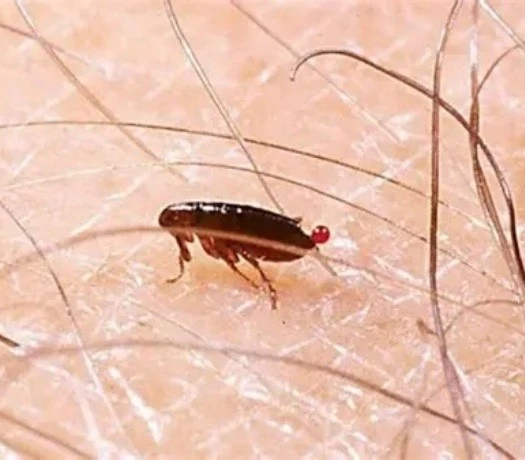
This is one of the reasons why fluralaner-based medications are often promoted with promises of rapid beginning of action against fleas and ticks, a claim well-supported by the basic mechanism of the molecule.
Fluralaner-Induced Glutamate Receptor Inhibition and Parasite Neuromuscular Dysfunction
Beyond the cellular and molecular level, glutamate receptor inhibition triggers a cascade of effects that ultimately manifest as neuromuscular dysfunction. This section connects the dots between receptor-level changes and the whole-organism symptoms that make fluralaner effective as a pest control solution.
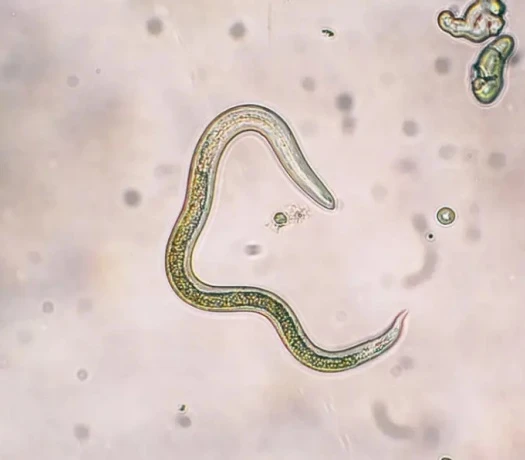
From Receptor Inhibition to Muscle Coordination Loss
Nerve cells do not work in isolation. They continually talk to muscle fibers to create organized movement. When fluralaner blocks glutamate receptor activity, the impulses from nerve to muscle are messed up. The muscles are over-stimulated or stimulated in such a way that they contract and relax out of sequence, causing the twitching and tremoring (and ultimately paralysis) seen in many of the afflicted parasites.
The Progressive Stages of Neuromuscular Breakdown
Researchers working on isoxazoline chemicals have noted a pretty similar symptom pattern after exposure. First, there is hyperexcitability, which may sometimes be seen as restless movement or confusion.
Next, the nervous system tries to sustain coordinated output, and muscular tremors begin. This is usually followed by paralysis ( within a few hours ) . Death happens when the parasite can no longer maintain essential physiological processes ( e.g. eating , breathing ) . This step-wise disintegration is indicative of increasing severity of glutamate receptor malfunction with time.
Why Neuromuscular Dysfunction Prevents Reinfestation
An often overlooked advantage of this neuromuscular disruption is the impact it has on the reproduction of the parasites.
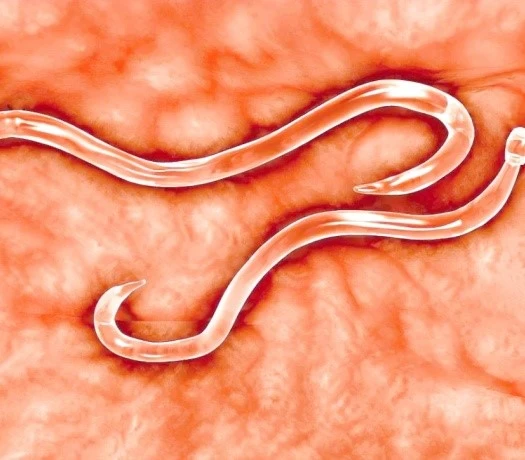
Fleas that are paralyzed and have not yet had a blood meal are usually unable to develop viable eggs, stopping the reproductive cycle that would lead to a continued infestation.
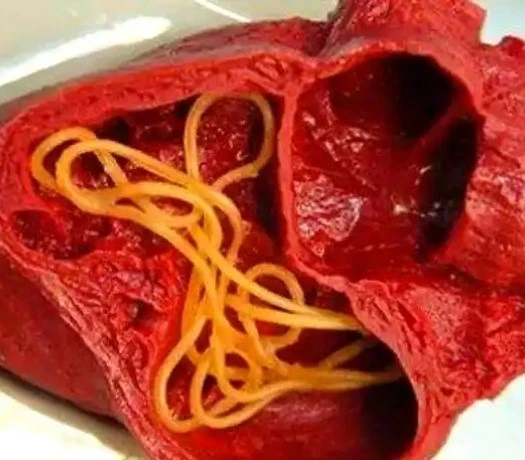
This additional function adds to the practical relevance of fluralaner beyond eliminating mature parasites and helps to manage flea populations more broadly in the domestic environment.
Clinical Observations Supporting This Mechanism
Fluralaner has been shown to rapidly kill fleas in veterinary clinical studies, with kill rates frequently surpassing 98% within the first twelve hours of dosing. These results correlate well with the underlying mechanism of neuromuscular dysfunction outlined above, thereby establishing a consistent connection between laboratory receptor research and real-world therapy effects in companion animals.
Why Does Fluralaner Target Glutamate Receptors in Fleas and Ticks?
This topic comes to the core of selective toxicity, a crucial principle in the design of contemporary parasiticides. To understand how fluralaner targets the glutamate receptors of fleas and ticks and not the host animal, we must look at both evolutionary biology and pharmacology.
Evolutionary Divergence Between Vertebrates and Invertebrates
Glutamate-gated chloride channels arose early in the evolution of invertebrates and have been maintained in insects, arachnids and certain parasitic worms. Dogs and cats, and other vertebrates, never evolved this receptor. Mammalian nervous systems use several types of receptors for inhibitory neurotransmission . These are largely GABA-A receptors that are found inside the central nervous system and are protected behind the blood-brain barrier .
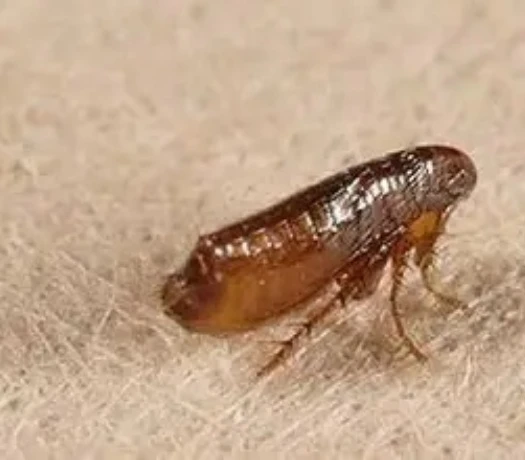
This evolutionary difference provides a natural pharmaceutical target that fluralaner exploits with remarkable accuracy.
Structural Specificity That Minimizes Host Impact
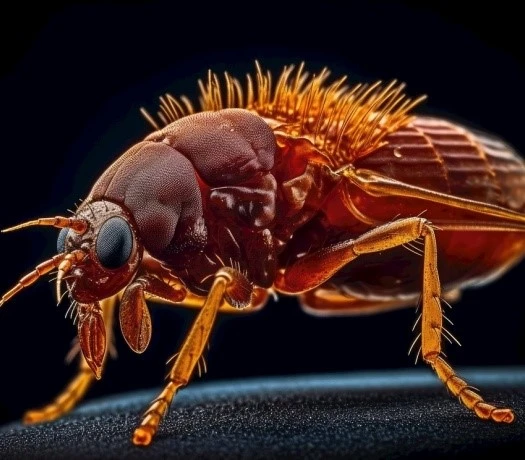
Even when considering chloride channel families in a broad sense, the structural differences between invertebrate GluCl receptors and vertebrate GABA receptors are large enough to cause a considerably lower binding affinity of fluralaner to mammalian receptor types. This selectivity is not an incidental feature, but rather the result of careful molecular design in the production of the chemical to maximize effectiveness against the target parasites and minimize off-target effects in treated animals. This selectivity profile is backed by regulatory safety studies performed by veterinary pharmaceutical authorities for authorized fluralaner formulations.
Practical Implications for Flea and Tick Control Programs
Since the mechanism of action of fluralaner relies on a receptor type that is not present in mammals, pet owners and veterinary experts may count on a broad safety margin when using goods dosed correctly.
This selectivity also accounts for fluralaner's activity against a broad spectrum of ectoparasites, including different flea species, several genera of ticks and some populations of mites, which have the basic glutamate receptor construction that makes them susceptible to this compound.
Why This Matters for Sourcing and Manufacturing Decisions?
For companies involved in pharmaceutical intermediate production or active ingredient sourcing, understanding this receptor-based selectivity offers valuable context when evaluating fluralaner suppliers.
Conclusion
The whole mode of action of fluralaner is focused on glutamate receptors, which accounts for both its efficacy against fleas and ticks and its safety for treated dogs. Fluralaner acts on glutamate-gated chloride channels, which are found only in the neurological systems of invertebrates. This breaks down the control of nerve signals, leads to neuromuscular breakdown and eventually kills parasites. It does not affect human receptors. This targeted selectivity is a significant step forward in antiparasitic technology, based on proven pharmacological research rather than marketing hype. For manufacturers, distributors and research institutes dealing with fluralaner, knowing this receptor-level science translates into improved product development, clearer client communication and more confident future sourcing selections.
FAQ
1. Does fluralaner affect glutamate receptors in mammals?
+
-
No. Mammals lack glutamate-gated chloride channels entirely, relying instead on different receptor systems protected within the central nervous system, which fluralaner does not meaningfully bind.
2. How quickly does fluralaner begin affecting parasite nervous systems?
+
-
Measurable effects on flea and tick nervous system function typically begin within hours of exposure, with significant mortality often observed within twelve to forty-eight hours depending on the parasite species involved.
3. Why is glutamate receptor targeting considered safer than older mechanisms?
+
-
Because this receptor type does not exist in vertebrate animals, the risk of unintended neurological effects in treated pets remains substantially lower compared to compounds targeting shared biological pathways.
Why Choose Bloomtechz as Your Fluralaner Supplier
Bloomtechz brings over a decade of organic synthesis experience to every batch of fluralaner produced at our GMP-certified Xi'an facility. Our manufacturing facility is certified by US-FDA, EU-GMP, PMDA and CFDA authorities and is subject to three-layer quality verification including factory testing, internal QA/QC review and third party authority analysis. Transparent pricing, reliable lead times monitored via our ERP platform, and specialized R&D assistance for specific formulation demands benefit clients sourcing active pharmaceutical ingredients. Bloomtechz is a renowned Fluralaner Supplier to pharmaceutical distributors in several continents. We provide solution, tablet, injectable, spray and drop forms as per the project needs. Reach out today at Sales@bloomtechz.com to discuss your sourcing needs and receive a detailed quotation.
References
1. Zhao, Christine, et al. "Discovery and Characterization of Fluralaner, A Novel Isoxazoline Ectoparasiticide for Dogs and Cats." Journal of Veterinary Pharmacology and Therapeutics.
2. Gassel, Martin, et al. "The Novel Isoxazoline Ectoparasiticide Fluralaner: Selective Inhibition of Arthropod Gamma-Aminobutyric Acid and L-Glutamate-Gated Chloride Channels." Insect Biochemistry and Molecular Biology.
3. Rohdich, Nina, et al. "A Randomized, Blinded, Controlled and Multi-Centered Field Study Comparing the Efficacy and Safety of Bravecto Against Frontline in Flea- and Tick-Infested Dogs." Parasites & Vectors.
4. Walther, Friederike A., et al. "Safety of Fluralaner Chewable Tablets (Bravecto) in Dogs After Oral Administration." Parasites & Vectors.
5. Weber, Thomas, and Barbara Selzer. "Isoxazolines: A Novel Chemotype Highly Effective on Ectoparasites." ChemMedChem.
6. Shoop, William L., et al. "Discovery and Mode of Action of Afoxolaner, A New Isoxazoline Parasiticide for Dogs." Veterinary Parasitology.