


Perhaps you are a pet owner searching for effective flea and tick treatments and have heard about Fluralaner and wonder what makes it so potent. At the heart of the simple pill lies a complicated molecular process involving glutamate receptors, chloride channels and targeted nerve injury. This document is written in simple language and explains the science and shows why this method is crucial for anyone purchasing anti-parasitic compounds or finished solutions for the pet health business.
Buyers, distributors and veterinary product creators may grasp the value of this active ingredient by understanding how Fluralaner interacts with the neurological systems of parasites. Bloomtechz is a producer with more than 10 years of expertise in organic chemical synthesis. We provide Fluralaner Tablet and similar formulations with numerous GMP certifications. Let's take it step by step via the mechanism.
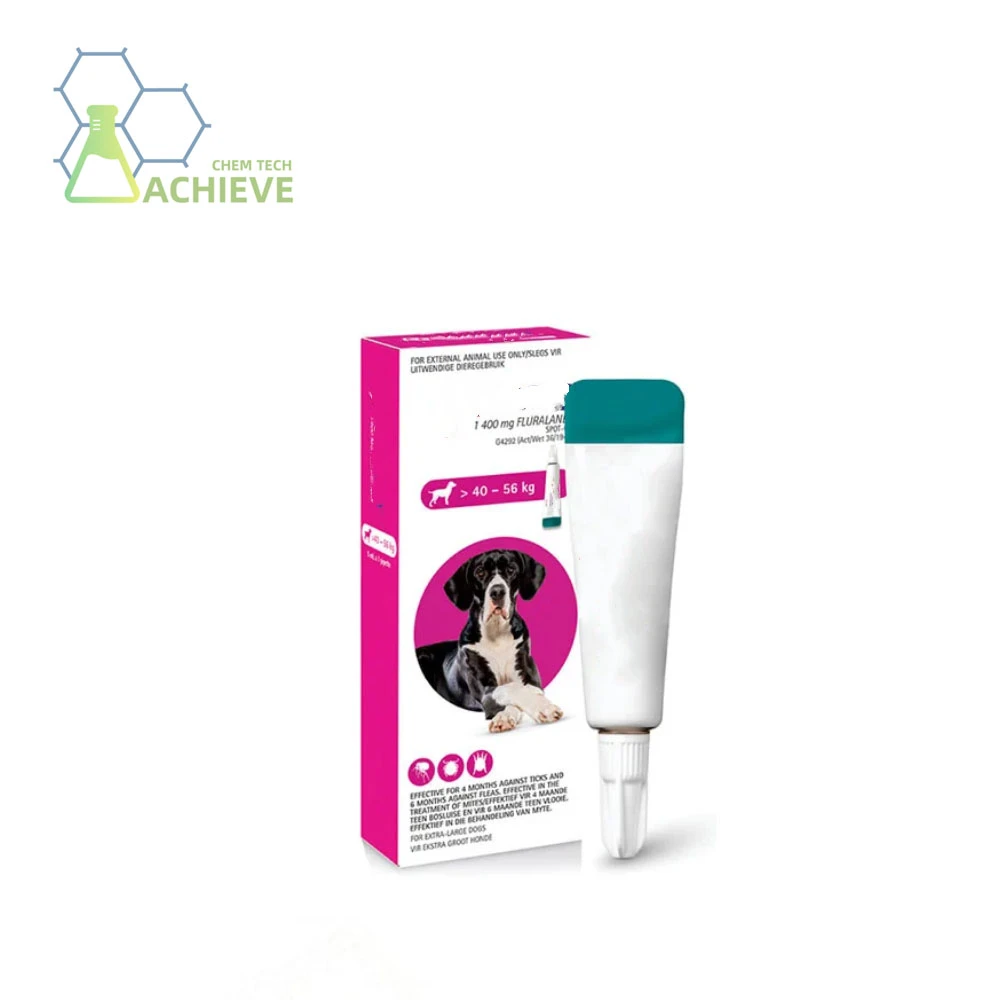
Fluralaner Drops
1.General Specification(in stock)
(1)Solution
(2)Tablet
(3)Injection
(4)Spray
(5)Drops
2.Customization:
We will negotiate individually, OEM/ODM, No brand, for secience researching only.
Internal Code:BM-9-007
Fluralaner CAS 864731-61-3
Main market: USA, Australia, Brazil, Japan, Germany, Indonesia, UK, New Zealand , Canada etc.
Manufacturer: BLOOM TECH Xi'an Factory
Analysis: HPLC, LC-MS, HNMR
Technology support: R&D Dept.-4
How Does Fluralaner Target Glutamate Receptors in Parasites?
The neural signalling pathways of fleas, ticks and mites are quite different from those of dogs, cats or humans. In invertebrates, receptors for glutamate on the surface of nerve cells control the flow of chloride ions across cell membranes. Fluralaner binds to these receptors with high affinity and causes a cascade of events resulting in the paralysis of the parasite's nervous system.
This binding action does not happen at random. The fluralaner molecules bind to particular structural properties that are exclusively seen in invertebrate glutamate receptor subtypes and thereby explain the remarkable selectivity of the chemical to parasites over mammalian hosts.
Unique Binding Site in Invertebrate Nervous Systems


Glutamate-gated chloride channels are found nearly exclusively in insects, arachnids and similar arthropods. Mammals do not have this specific receptor subtype, but use other glutamate signalling routes in the central nervous system. Fluralaner takes advantage of this biological gap, adhering to receptor sites only present in invertebrates, and are physically unlike to anything in a dog or cat.
Selectivity That Protects Mammals
Mammalian glutamate receptors are behind the blood-brain barrier and physically different from the receptors in invertebrates , hence fluralaner does not have the same neurotoxic effects in dogs .
"That selectivity is why it has a great safety profile and allows veterinarians to prescribe the compound with confidence for long-term parasite management."
Fluralaner and Glutamate-Gated Chloride Channel Activation
When Fluralaner binds to a glutamate receptor, it does much more than occupy a binding site. The substance actively pushes the chloride channel into an open state so chloride ions may rush into the nerve cell. This influx of ions throws the neuron's electrical balance out of whack, bringing it closer to a state of perpetual, runaway signalling.
Fluralaner researchers characterise this as an allosteric activation mechanism in which the substance alters the structure of the receptor protein rather than inhibiting it. This little change in structure keeps the chloride channel open far longer than it would be under normal physiological settings.
Opening the Chloride Channel Gate
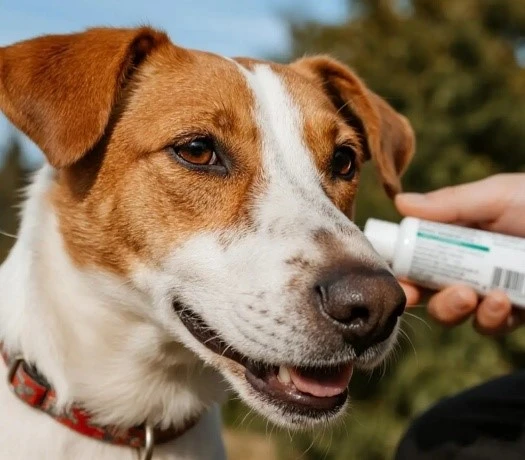

The chloride channel gate opens momentarily in response to natural glutamate signalling and then shuts again to keep things balanced. Fluralaner disrupts this rhythm by keeping the gate open and hence a continuous chloride current. This is the basis of how the substance so effectively inhibits parasite nerve cells, and it's a persistent opening.
Sustained Channel Activity and Parasite Paralysis
The prolonged input of chloride hyperpolarises the internal environment of the neurone, meaning that the cell is less able to produce the electrical impulses necessary for fundamental survival processes and muscle control. Fleas and ticks subjected to this prolonged channel activity lose coordinated movement within hours, leading to fast paralysis and death.
How Do Glutamate Receptors Disrupt Parasite Nerve Function?
The fundamental function of glutamate receptors in how fluralaner disturbs the neurological systems of fleas, ticks and mites. Once the chloride channel is locked open, the parasite's neurones can't reset itself after firing. Disruption of normal signalling rhythm triggers a chain response across the neural system, from simple reflexes to complex coordinated movement.The disturbance is not gradual enough for the parasite to adjust. But rather it rapidly overwhelms the neurological system . Visible signs arise shortly after exposure , such as irregular movement , loss of grip strength , etc .
Neuronal Overexcitation and Collapse
When the chloride channels are open all the time, neurones become, in the words of scientists, overexcited.


The nerve cell is effectively stuck in an agitated state, with no way to return to a resting baseline. This state quickly depletes the energy reserves of the cell and causes the collapse of the neurological system in the parasite.
Combined Action With GABA Receptors
Fluralaner is not dependent just on glutamate receptors. It also binds to GABA receptors which regulate a different but similar chloride channel system. Fluralaner has a dual mechanism of neurotoxicity targeting both receptor types leaving little hope for the parasite to gain resistance by a single genetic mutation. This two-pronged strategy makes the product more effective overall against a number of parasite types.
Fluralaner Activity Against Fleas, Ticks, and Mites
The practical effect of this dual receptor activity is well shown in controlled research and field observations. Fluralaner Tablet formulations have showed quick knockdown and prolonged protection against a broad spectrum of common external parasites of dogs and cats.Flea populations react very fast to treatment, while tick species that transmit dangerous infections also exhibit large decreases in their rates of attachment and survival. Mites, particularly those responsible for ear infections and skin irritation, endure a similar disturbance of their nervous system upon contact to the active substance.
Flea Elimination Timeline
Fluralaner is expected to kill more than 98 % of Ctenocephalides felis fleas on a treated animal within 12 hours post-treatment.
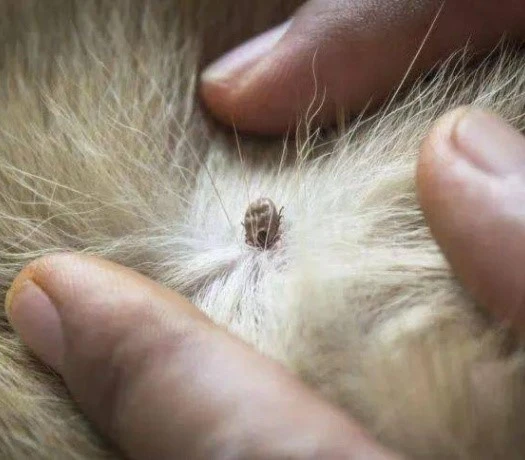
It usually takes 48 hours for complete eradication, breaking the life cycle of the flea before the eggs and larvae may reinfest the home environment. This immediate action will assist in preventing the spread of secondary illnesses associated to flea bites, such Dipylidium caninum infections and Bartonella-related sickness.
Tick Species Coverage
Fluralaner's mode of action is very effective against many types of ticks. Ixodes scapularis, the carrier of Lyme disease and Anaplasmosis, as well as Dermacentor variabilis and Rhipicephalus sanguineus, suffer high mortality after exposure. Also you reduce the probability of transmitting pathogens by reducing the time ticks attach since many tick-borne organisms need lengthy feeding times to be able to infect a host.
Mite Infestation Relief
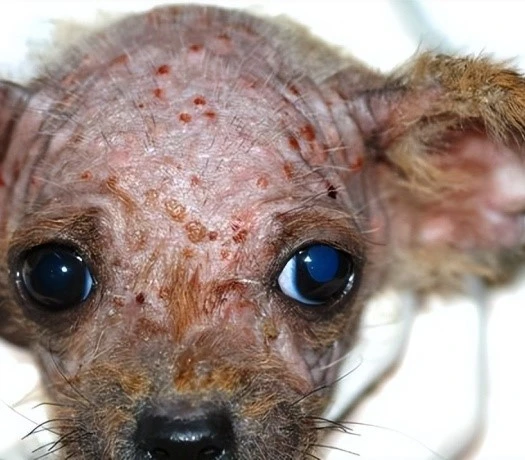
When mange mites of the species Sarcoptes bite a treated animal, they consume the compound, which paralyses and kills them. Itching scores decrease around 80 percent within two weeks after a single treatment. Ear mite infestations are the same. Studies reveal over 90 percent removal of the mites within 72 hours and 100 percent cure rates within 14 days when used properly.
What Role Do Glutamate Receptors Play in Fluralaner Parasite Control?
Fluralaner's wider parasite control method starts at glutamate receptors. Without that particular receptor contact , the molecule would not be able to target selectively . That is what makes it harmless for mammals but fatal to invertebrate pests . The receptor interaction also provides oral formulations with a prolonged period of protection.
The binding to the glutamate receptors causes such a fast and complete interruption of the parasite's nerve activity, that dogs dosed with Fluralaner be bitten fewer times overall. This in turn minimises skin irritation, allergic responses and the danger of secondary skin problems developing over time.
Long-Lasting Protection

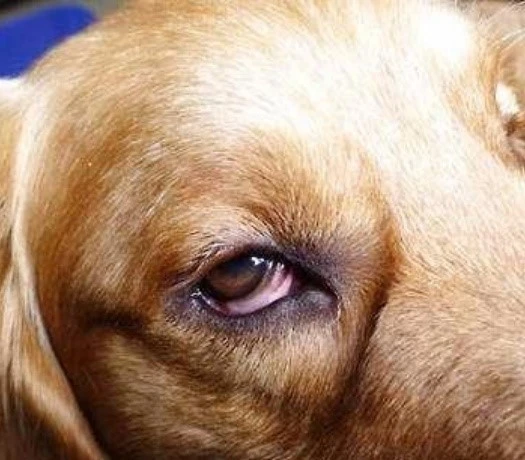
The persistence of binding of the glutamate receptor is responsible for prolonged residual activity in the blood stream of the treated animal. This means that a single dosage may effectively keep parasites under control for a longer length of time so you don't need to dose as often as you would with other earlier antiparasitic choices.
Reducing Environmental Reinfestation Risk
Glutamate receptor driven processes kill adult fleas before they can breed, helping to stop the bigger cycle of infestation in the home. There will be fewer eggs and larvae accumulating in carpets, beds and outdoor spaces, which lessens the total parasite load to which dogs are exposed during normal activities.
Conclusion
Fluralaner is a science-based method to flea, tick and mite management, targeting a specific interaction with glutamate receptors and chloride channels that are virtually exclusively found in invertebrate nervous systems. This method guarantees fast parasite eradication with a large margin of safety for dogs and cats. This receptor-mediated action is something that firms who make or sell antiparasitic agents may use to better understand why Fluralaner is a trusted option in veterinary markets across the globe.
Frequently Asked Questions
1.Does Fluralaner affect a pet's own nervous system the same way it affects parasites?
+
-
No. Mammalian neural systems lack the particular glutamate-gated chloride channels that Fluralaner targets in insects and arachnids, and the blood-brain barrier further restricts any exposure to the central nervous system in treated dogs.
2.How quickly does Fluralaner begin working after a dog or cat receives a dose?
+
-
Measurable flea reduction often occurs within hours of injection with elimination rates reaching 98 percent at twelve hours and almost total eradication by 48 hours.
3.Can Fluralaner help manage mite-related skin conditions in addition to fleas and ticks?
+
-
Yes. Fluralaner has been demonstrated to be effective against sarcoptic mange and ear mite infestations with recorded decreases in itching and significant cure rates within a few weeks of therapy.
Partner With Bloomtechz for Reliable Fluralaner Supply
Bloomtechz is a professional Fluralaner supplier with a GMP certified 100,000 square metre production facilities and recognised by US, EU, JP and CFDA regulatory bodies. We have a triple-layer verification procedure for quality assurance and a price structure that promotes long-term mutually beneficial collaborations with pharmaceutical buyers, distributors and R&D teams. If you require Fluralaner Tablet in bulk, powder or bespoke formulations, our technical team provides precise lead times and comprehensive paperwork for hassle-free customs clearance. Contact us immediately at Sales@bloomtechz.com to discuss your sourcing needs and find out why worldwide partners turn to Bloomtechz for a reliable supply of certified antiparasitic ingredients.
References
1. Chen, A. and colleagues. "Isoxazoline Compounds and Their Action on Invertebrate Chloride Channels." Journal of Veterinary Pharmacology and Therapeutics.
2. Gassel, M. and colleagues. "Fluralaner Pharmacology and Receptor Binding Characteristics in Arthropod Nervous Systems." Insect Biochemistry and Molecular Biology.
3. Rohdich, N. and colleagues. "Comparative Efficacy of Isoxazoline Antiparasitics Against Fleas and Ticks in Companion Animals." Parasites & Vectors.
4. Walther, F. and colleagues. "Glutamate-Gated Chloride Channels as Targets for Novel Antiparasitic Agents." Veterinary Parasitology.
5. Williams, H. and colleagues. "Safety and Tolerability of Fluralaner in Dogs and Cats Across Multiple Clinical Trials." American Journal of Veterinary Research.
6. Zhao, L. and colleagues. "Mechanistic Review of Isoxazoline Class Insecticides and Acaricides in Veterinary Medicine." Current Topics in Medicinal Chemistry.