


Fleas and ticks are more than a pesky itch. These minuscule parasites cause disease, trigger allergic reactions, and make life unpleasant for pets and their owners. There are so many solutions available today. Fluralaner has been a go-to alternative for doctors and pet owners alike seeking long-lasting, consistent protection. In this article we're going to discuss how Fluralaner works inside the dog's body, how it can be so accurate in finding out parasites, and why it is such a reliable alternative for flea and tick prevention. If you're a pet health professional or a company purchasing veterinary-grade active ingredients, understanding what's in Fluralaner may help you make informed decisions.
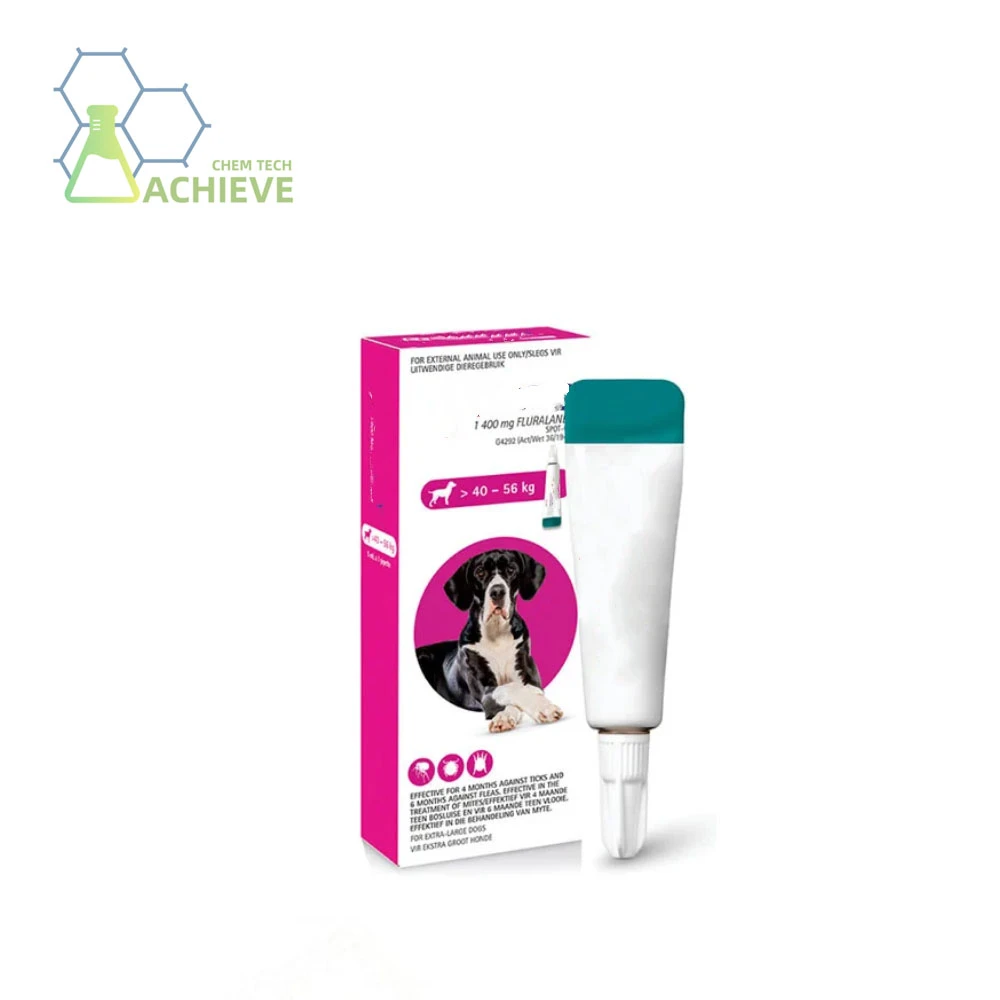
Fluralaner Drops
1.General Specification(in stock)
(1)Solution
(2)Tablet
(3)Injection
(4)Spray
(5)Drops
2.Customization:
We will negotiate individually, OEM/ODM, No brand, for secience researching only.
Internal Code:BM-9-007
Fluralaner CAS 864731-61-3
Main market: USA, Australia, Brazil, Japan, Germany, Indonesia, UK, New Zealand , Canada etc.
Manufacturer: BLOOM TECH Xi'an Factory
Analysis: HPLC, LC-MS, HNMR
Technology support: R&D Dept.-4
Why Is Fluralaner Effective for Flea and Tick Control in Dogs?
Fluralaner belongs to the isoxazoline family of chemicals, molecules developed to disturb the nervous system of insects and arachnids. Unlike earlier treatments that wash off or lose strength within days, Fluralaner stays active in a dog's circulation for long periods of time, providing ongoing flea and tick control instead of just a brief burst of protection. The way its molecules are put together enables it to connect strongly to receptors that are present exclusively in parasites, which is why it works so reliably in various climates and different types of flea or tick.
This molecule has been extremely investigated by veterinary experts, as it acts on both fleas and ticks, which is not the case for every antiparasitic treatment.
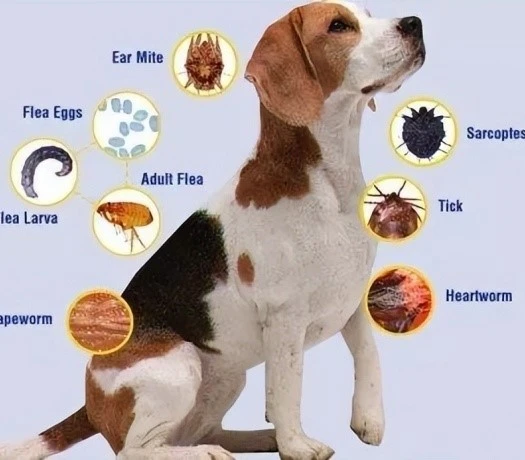
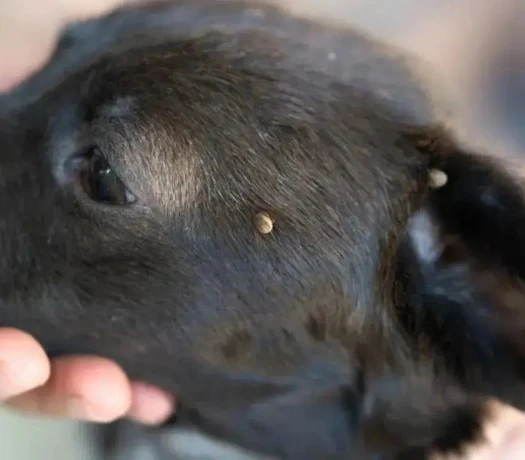
Flea activity usually decreases significantly within hours after dosage, and any ticks that do adhere to treated dogs usually die before they can transfer infections.
The Science Behind Fluralaner's Potency
Fluralaner's effectiveness comes from its molecular structure. The chemical was intended to resist breakdown by liver enzymes and hence stays active in the blood longer than many previous anti-parasitic medications. This metabolic resistance implies Fluralaner has a longer half-life, which translates into extended efficacy for weeks rather than days, say experts at pharmaceutical laboratories.
A Broad Spectrum Against Parasites
Fluralaner is not limited to one kind of flea or tick.
Laboratory and field trials have shown efficacy against the common flea Ctenocephalides felis and many species of tick including Ixodes, Dermacentor and Rhipicephalus. The extensive coverage makes the compound an important tool in areas where dogs are exposed to many parasite risks over the year.
How Does Fluralaner Become Systemically Available After Administration?
When a dog eats a Fluralaner tablet, the active ingredient is absorbed from the gut into the bloodstream and passes through the digestive system. That is what makes Fluralaner a true systemic insecticide, working from inside the body, rather than sitting on the surface of the skin like certain topical treatments. The active ingredient is absorbed into the blood stream and distributed to tissues throughout the dog's body including the layers of skin where fleas and ticks feed.
The rate of absorption may differ significantly if the dog has just eaten since the fat in the diet might increase the amount of the chemical absorbed.The veterinary advice is generally to give the pill with a meal, to maximise absorption, and ensuring the dog gets the maximum benefit of the dosage.
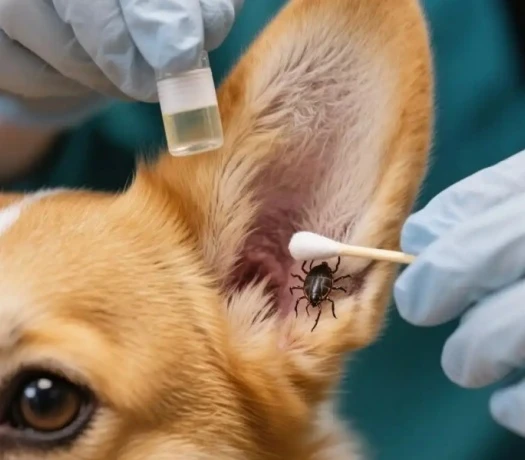
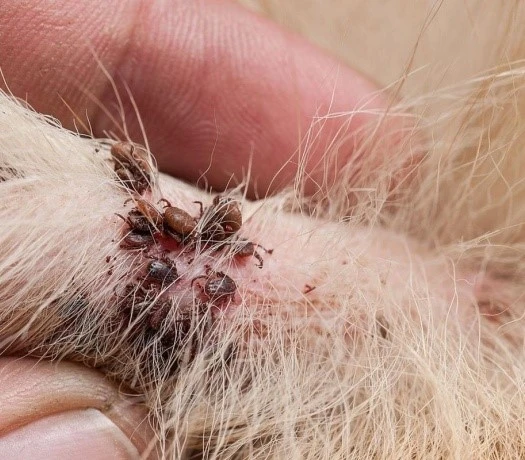
Absorption Pathway in the Canine Body
Fluralaner is absorbed from the stomach into the small intestine after oral administration and passes through the intestinal wall into systemic circulation. It then attaches to plasma proteins and is distributed throughout the tissues of the body. This mechanism permits the substance to get to the upper layers of the skin, which is precisely where fleas bite and ticks attach themselves.
Factors That Influence Bioavailability
There are a few elements that influence the amount of Fluralaner absorbed in a dog's body.
Weight, metabolic rate and food in the stomach are all involved. In dogs given a normal meal, blood concentrations of the active ingredient are usually greater than in dogs dosed on an empty stomach and this helps to achieve more consistent parasite control.
Fluralaner and the Nervous System of Fleas and Ticks
The magic of fluralaner happens when it comes into contact with the neurological systems of insects and arachnids. Fleas and ticks contain GABA receptors and glutamate-gated chloride channels that they employ to regulate neuronal signalling. Fluralaner binds to these receptors and blocks the normal transit of Cl⁻, resulting in uncontrolled nerve cell firing. The outcome is paralysis and death, often within hours after the parasite has had its fill of the treated blood.
The cleverness of this process lies in its selectivity. Mammalian neural systems (including canines) employ comparable receptor types, but they shield them behind the blood brain barrier.

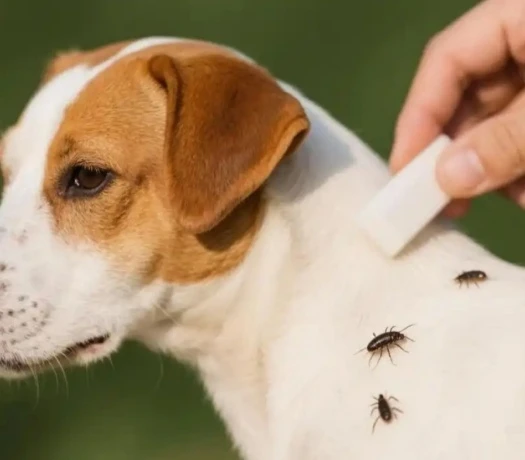
Fluralaner is not able to penetrate this barrier successfully in dogs, and hence the chemical leaves the host's neurological system intact while damaging the parasite's neuronal function.
Blocking Chloride Ion Channels
Blocking chloride ion channels affects the resting membrane potential of the nerve cells of fleas and ticks. If the flow of chloride is not properly regulated, it makes the neurones hyperexcitable and they fire wildly until the parasite's muscles seize and it can't move normally. This cascade explains why fleas that have been harmed quit eating nearly immediately after being exposed.
Why Dogs Remain Unaffected
Isoxazoline chemicals are difficult to cross the protective blood-brain barrier of mammals at regular doses. Fluralaner may therefore kill the parasites without causing equivalent neurological consequences in the host animal . This is the anatomical difference between the mammalian and arthropod nervous systems . Fluralaner is well tolerated for long term treatment .
How Does Fluralaner Control Fleas and Ticks on Dogs?
Once Fluralaner reaches therapeutic levels in a dog's circulation, it starts fighting against parasites practically immediately after they bite. Fleas feeding on treated blood often die within 12 hours and total flea eradication on the dog is commonly achieved within 48 hours of dosing. Ticks that adhere to a treated dog also absorb the substance and die before they can transfer bacteria or other germs that cause tick-borne sickness.
This speed is important since disease transmission from ticks frequently needs extended attachment. It also kills ticks rapidly, which means there's less time for pathogens to be passed along, and therefore, less danger of the diseases associated with tick bites.
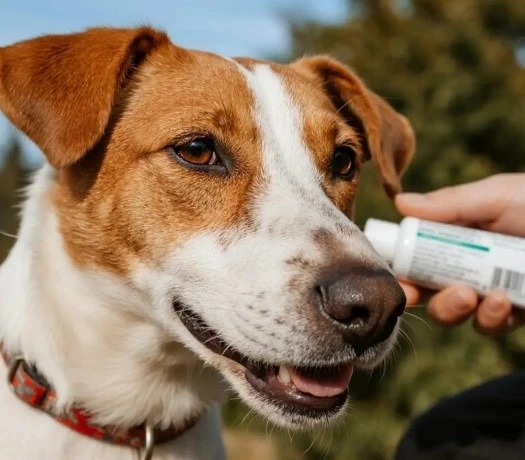
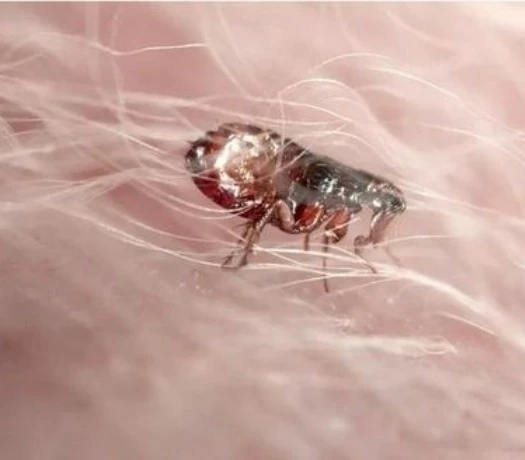
Rapid Knockdown of Fleas
Field observations demonstrate that Fluralaner will clear most of the current flea population on a dog in half a day. This fast kill also helps to break the flea life cycle since fewer adult fleas live long enough to lay eggs in the home environment.
Sustained Protection Against Ticks
Once the first knockdown occurs, fluralaner maintains protective blood concentrations for weeks on end. This sustained effect protects dogs against new tick attachments for a prolonged period after the first dose, so there is no need for regular reapplication, and owners may have peace of mind during tick season.
Fluralaner for Dogs in High-Exposure Flea and Tick Environments
Dogs who spend a lot of time outdoors on farms, on trails or in highly wooded areas are substantially more likely to be exposed to parasites than dogs that reside indoors. Dogs working on farms, dogs in search and rescue, and hunting dogs are often exposed to fleas and ticks everyday, so frequent prevention is a must, not a maybe. The lengthy duration of action of fluralaner is particularly well adapted to these high exposure lifestyles since it does not need to be reapplied daily to be effective.
How often dogs encounter ticks and fleas depends on elements including humidity, vegetation density, and the nearby animal population.
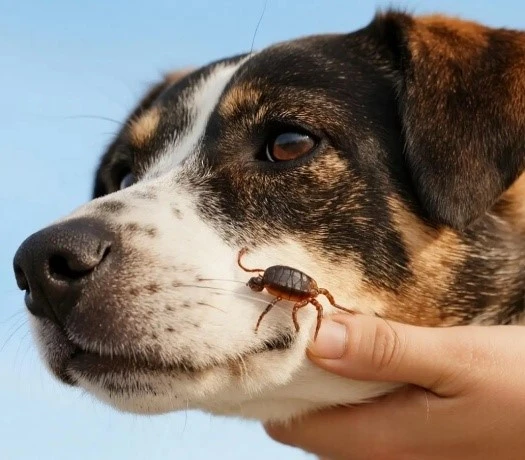

Many ticks are often found in regions with many deer or rodents, which may be a concern for dogs running loose in such locations.
Protecting Working and Outdoor Dogs
Working dogs who patrol fields, forests or rural estates are exposed to far more parasites than companion dogs that are limited to urban houses. For these animals, the practical advantage of having continuous blood levels of Fluralaner is that missed topical doses or washed-off treatments are less of a concern with an oral systemic alternative.
Seasonal and Regional Considerations
Flea and tick activity does not remain constant throughout the year.
In warmer climates there seems to be year-round parasite pressure, although in temperate environments there may be more marked seasonal peaks in the spring and summer months. Local parasite patterns may help pet owners and veterinary specialists schedule dosing regimens for best effectiveness.
Conclusion
Fluralaner is a scientifically engineered flea and tick control that delivers rapid knockdown of parasites and offers weeks of residual protection. It is selectively toxic to the nerve systems of insects and arachnids and has an excellent safety profile in dogs, making it a trusted tool in veterinary parasite treatment. To enterprises and professionals who wish to buy Fluralaner raw material or dosage forms with quality guarantee. Qualified manufacturer provides continual purity, documentation and dependable supply.
Frequently Asked Questions
1.How quickly does Fluralaner start killing fleas after a dog takes it?
+
-
Fluralaner frequently begins killing fleas within hours of therapy. Studies demonstrate over 98 percent flea kill in 12 hours and complete flea kill in 48 hours.
2.Can Fluralaner be used alongside other medications?
+
-
While the use of Fluralaner in combination with common parasite preventatives and treatments is generally recommended by veterinary guidance, always consult a veterinarian before starting any new treatment program for a dog.
3.Does Fluralaner protect against all tick species?
+
-
Fluralaner is recognised to be effective against several key tick genera including Ixodes, Dermacentor and Rhipicephalus species, however local tick populations might vary and so local veterinary advice is often necessary.
Partner With Bloomtechz for Reliable Fluralaner Supply
Bloomtechz is in business of synthesis of organic compounds and production of pharmaceutical intermediates for more than a decade. We earn the confidence of our partners with every batch of Fluralaner we make. We are a trusted supplier of Fluralaner to pharmaceutical, veterinary and speciality chemical businesses, providing triple-layer quality verification, transparent ERP-tracked lead times and GMP-certified facilities. Contact us now for bulk sourcing, customisation options or technical documentation for your next project, Sales@bloomtechz.com.
References
1. Gassel M, Wolf C, Noack S, Williams H, Ilg T. The novel isoxazoline ectoparasiticide fluralaner: Selective inhibition of arthropod γ-aminobutyric acid- and L-glutamate-gated chloride channels. Insect Biochemistry and Molecular Biology. 2014.
2. Walther FM, Allan MJ, Roepke RK, Nuernberger MC. Safety of fluralaner chewable tablets in dogs, including puppies, pregnant and lactating dogs, and breeding males. Parasites & Vectors. 2014.
3. Walther FM, Allan MJ, Roepke RK, Nuernberger MC. Pharmacokinetics of fluralaner in dogs following a single oral or intravenous administration. Parasites & Vectors. 2014.
4. Taenzler J, Liebenberg J, Roepke RK, Heckeroth AR. Prevention of transmission of Babesia canis by Dermacentor reticulatus ticks to dogs treated orally with fluralaner. Parasites & Vectors. 2015.
5. Dryden MW, Smith V, Chwala M, Jones E, Crevoiserat L, McGrady J. Efficacy of fluralaner flavored chews against flea infestations in dogs presented as veterinary clinic patients. Veterinary Parasitology. 2015.
6. European Medicines Agency Committee for Medicinal Products for Veterinary Use. Scientific discussion on fluralaner-containing veterinary medicinal products: assessment report. 2014.