


Fleas are not simply a nuisance; they may interrupt your dog's everyday comfort, cause skin responses, and infest a home before you know there's an issue. Compound fipronil drops are now the best alternative for dog owners in search of a reliable long-term flea control treatment. This topical therapy provides protection that lasts beyond a single application at the level of the skin.
Knowing how compound fipronil drops work and why they are still effective, whether you are dealing with an infestation or just preventing fleas, helps you make better choices for your pet's health.
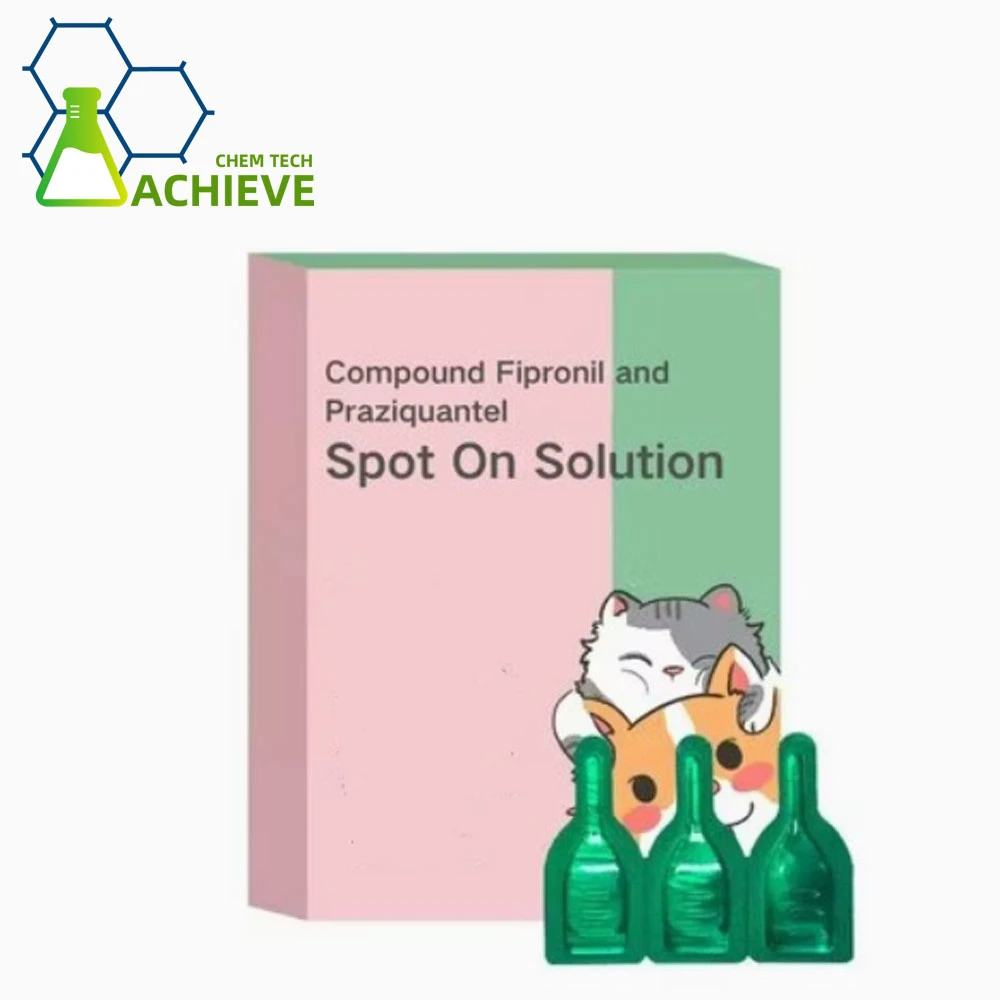
Compound Fipronil And Praziquantel Spot On Solution
1.General Specification(in stock)
(1)Solution
2.Customization:
We will negotiate individually, OEM/ODM, No brand, for secience researching only.
Internal Code: BM-9-022
Compound Fipronil and Praziquantel Spot On Solution
Main market: USA, Australia, Brazil, Japan, Germany, Indonesia, UK, New Zealand , Canada etc.
Manufacturer: BLOOM TECH Xi'an Factory
Analysis: HPLC, LC-MS, HNMR
Technology support: R&D Dept.-4
How Long Do Compound Fipronil Drops Help Protect Dogs From Fleas?
The Duration of Action After a Single Application
One of the most often queries dog owners ask is, 'How long does a single dosage of compound fipronil drops really last? The literature in veterinary parasitology indicates that fipronil-based spot-on therapies usually remain effective against fleas for a period of up to 30 days after topical administration. The active chemical is lodged in the sebaceous glands of the skin, where it is a reservoir for the continuous release of the compound on the surface coat.
What this implies is that protection isn't a one-time thing - it's there all month long. Fipronil is one of the most dependable choices in veterinary flea treatment .

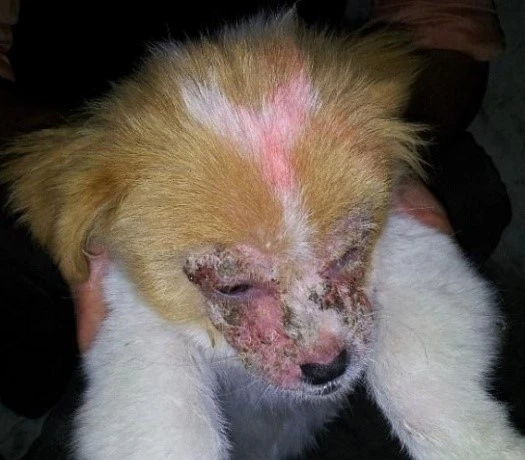
Studies have shown that fipronil retains better than 90% effectiveness against adult fleas after 24 to 48 hours of re-infestation across a whole 30 - day cycle .
What Affects the Length of Protection?
Several factors determine how long compound fipronil drops stay on a dog's coat. This also brings in body weight , which is why dosage adjustments are usually done by size category . The frequency of bathing is also important. Frequent washing with shampoos may diminish the surface concentration of fipronil over time, but the sebaceous gland reservoir helps to compensate. Environmental variables such as excessive humidity or exposure to water might have a moderate effect on residual activity.
As in the case of dogs in flea-endemic areas, veterinarian standards suggest a monthly reapplication to maintain a stable protective threshold.
Compound Fipronil Drops and Sustained Flea Protection on the Skin
How Fipronil Distributes Across the Skin Surface
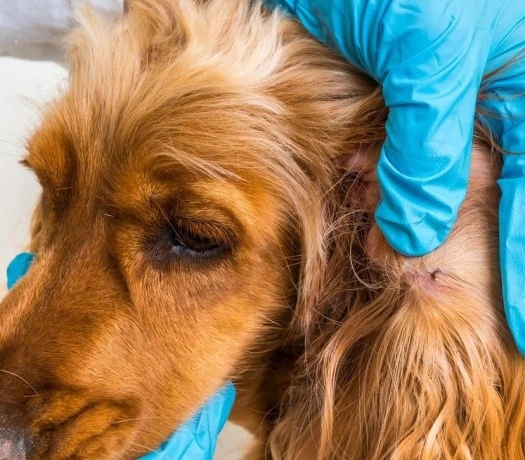
After it is applied between the shoulder blades, compound fipronil drops do not only linger at the site of application. Fipronil is applied to the surface of the skin via the lipophilic (fat soluble) layer, traveling down the hair follicles and being incorporated into the sebaceous glands. The translocation process takes around 24 h to finish on the body surface. Once disseminated, the substance stays in the glandular tissue which constantly secretes it back onto the skin and coat.
This self-replenishing mechanism is what distinguishes fipronil from ordinary contact pesticides. The dog's own skin biology is included into the delivery mechanism, maintaining an effective surface concentration against fleas throughout time.
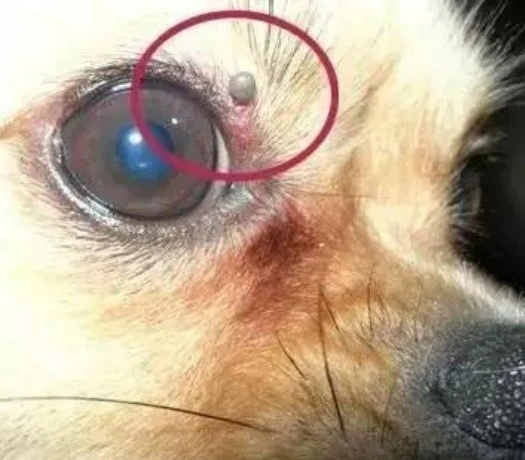

The Role of Skin Biology in Maintaining Efficacy
Fipronil is a blocker of GABA-gated chloride channels with high selectivity for the insect nervous system and a large safety margin for mammals at doses permitted for use in animals. When a flea comes into touch with the treated coat it ingests the substance which interferes with the signals being sent inside the nervous system, causing paralysis and death – usually within hours.
This way of working ensures that fleas do not have to bite the dog to be impacted, therefore there is less chance of skin irritation from flea saliva. This repeated distribution via the skin means that even if fleas leap onto the dog from the environment around, they will be exposed to fatal doses of fipronil quickly.
How Compound Fipronil Drops Help Break the Flea Life Cycle
Targeting Adult Fleas Before They Reproduce
One mature female flea may lay up to 50 eggs every single day. Any successful preventive method must be based on interruption of the chain of reproduction. Compound fipronil drops kill adult fleas very fast, frequently within hours of contact, which greatly lowers the quantity of eggs produced in the dog's bedding, carpet and surrounding surroundings.
The removal of adult fleas prior to reproduction leads to a large reduction in the environmental egg load over the course of a treatment cycle. And that's why the compounding impact of monthly treatment is so protective - every month you apply, you are adding less and fewer new fleas into the environment than the previous month.
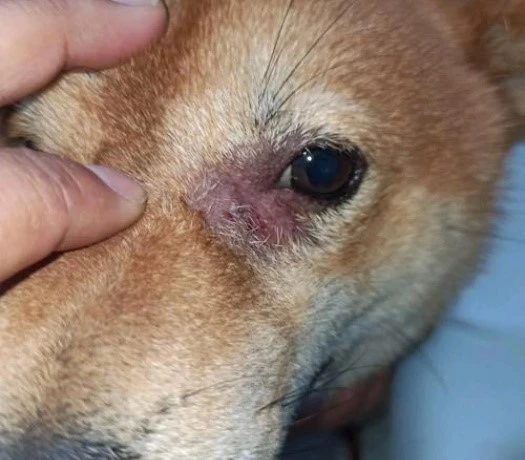
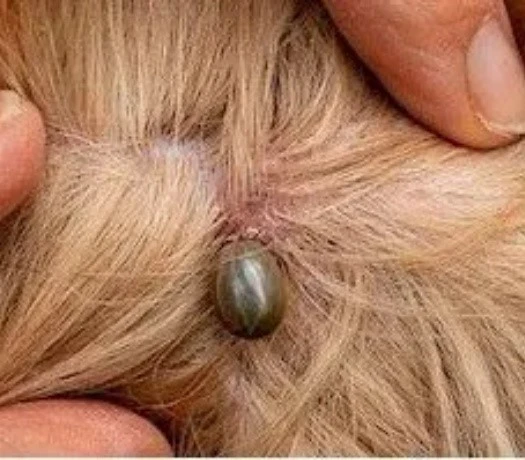
Reducing Environmental Reinfestation Pressure
And to interrupt the flea life cycle, it's important to focus on both the host animal AND its environment. Fipronil works directly on the adult flea population on the dog, but the decrease in egg shedding has a downstream impact on the larval and pupal populations in the environment. Through successive courses of therapy, the overall flea load in the home slowly declines.
Veterinary parasitologists suggest treating all the family pets at the same time to interrupt the cycle of cross-infestations – a trick that makes the fipronil treatment of any particular animal much more successful.
Using Compound Fipronil Drops as Part of a Regular Flea Prevention Routine
Building a Monthly Treatment Calendar
Long term flea prevention is built on consistency. Monthly compound fipronil drops provide continued protection at the skin level, with 30-day efficacy periods synchronized. A lot of pet owners associate applications with a certain calendar day – like the first of the month – to simplify the routine and minimize the chance of missing doses.
When you keep a log of application dates with your veterinarian records, you have a solid history of treatment, which may be very valuable in deciding if a new flea sighting is due to a lapse in treatment or an environmental reinfestation from untreated sources.
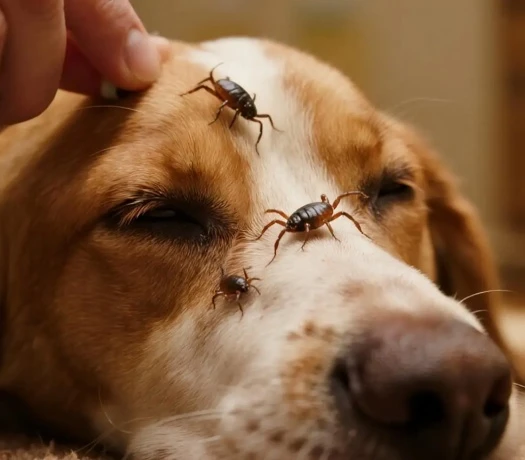
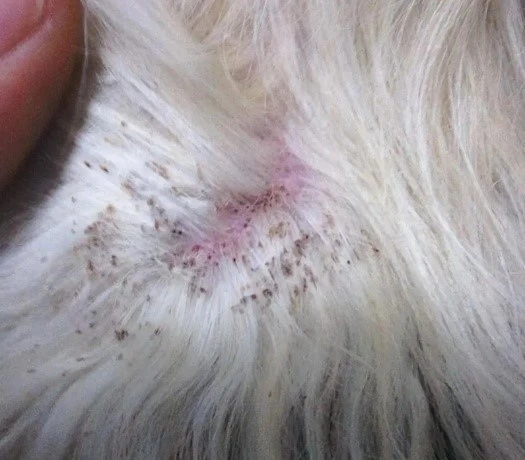
Combining Fipronil With Environmental Management
The most effective therapy for topical fipronil is in conjunction with environmental cleanliness. High temperature washing of pet bedding, frequent vacuuming of upholstered furniture and treating indoor surroundings with suitable solutions all lower the reservoir of flea larvae and pupae that constantly threaten the treated animal.
This combination method does not involve sophisticated procedures – standard home cleaning with dependable monthly administration of compound fipronil drops provides a feasible, evidence-based preventative paradigm that most dog owners can continue without substantial disturbance to everyday life.
Why Do Dog Owners Choose Compound Fipronil Drops for Ongoing Flea Control?
Convenience and Proven Reliability
Dog owners routinely say that simplicity of use is a big issue when choosing topical flea treatments. Compound fipronil drops do not need oral administration, do not require sophisticated preparation and take less than a minute to administer. The spot-on format lessens handling stress for both dog and owner.
There are decades of recorded usage of fipronil in veterinary medicine more than just convenience. Its effectiveness profile has been confirmed in many independent investigations and regulatory examinations including those of the U.S. Environmental Protection Agency (EPA) and the European Medicines Agency (EMA). This regulatory history gives a baseline of confidence that some newer substances lack.
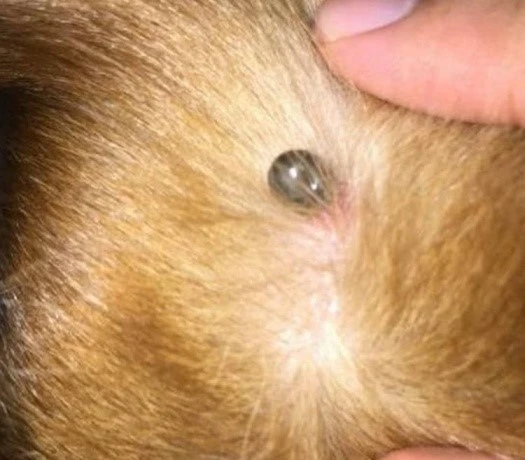
Long-Term Cost-Effectiveness for Pet Owners
Using fipronil combination drops on a regular monthly preventative schedule is a cost effective technique vs treating an existing infestation which includes veterinarian bills, environmental treatments and prolonged usage of products. It is clearly less resource-intensive to prevent infestations than to remediate them when they occur.
If you have dogs and other pets, or live in an area where fleas are a problem, buying a large amount of fipronil of good quality from a reliable provider is a vital practical consideration – both for cost management and supply dependability.
Conclusion
Compound fipronil drops are still one of the most recommended topical options for long-term flea prevention in dogs. Their mode of action - based on the skin's own biology - produces a persistent, self-renewing protective barrier that disrupts the flea life cycle at its most vital stage. Applied on a monthly basis and paired with good environmental cleanliness, it provides dog owners with a solid and reasonable foundation for long-term flea control.
Frequently Asked Questions
Q1: How often should compound fipronil drops be applied to maintain continuous flea protection?
+
-
Compound fipronil drops are typically applied every 4 weeks to maintain continuous flea protection. However, the exact interval depends on the product formulation, animal species, weight, and infestation risk. Always follow the manufacturer's labeled dosing schedule.
Q2: Are compound fipronil drops safe to use on all dog breeds?
+
-
Spot-on products containing fipronil are developed for use in all breeds of dog when used at the right dosage for the weight of the dog. Always see a veterinarian if your dog has current dermatological issues, or is at a certain life stage such as very young pups.
Q3: Can compound fipronil drops be used year-round, or only during peak flea season?
+
-
Veterinary recommendations suggest year-round usage, especially in areas where flea populations persist inside throughout the winter months. Applying monthly on a continuous basis will keep the flea population from reestablishing itself despite of seasonal swings outside.
Partner With Bloomtechz - Your Trusted Compound Fipronil Drops Supplier
At Bloomtechz, we have the accuracy and conformity requirements that serious purchasers need, offering pharmaceutical grade and exquisite chemical ingredients. We are a competent provider of compound fipronil drops. Our manufacturing plant covers an area of 100,000 m² and is GMP certified. We have obtained certifications from international regulatory organizations, including the US FDA, EU GMP, JP, and CFDA. We guaranty a complete refund and do triple-layer quality inspection to ensure every shipment matches contract parameters. With more than 12 years of organic synthesizing experience and active supply connections with 24 key worldwide firms, Bloomtechz ensures accuracy in pricing, lead times, documentation and product quality, so that your supply chain remains unbroken.
Reach out to our team at Sales@bloomtechz.com and get precise pricing, specifications, and logistics details tailored to your procurement needs.
References
1. Rust, M. K., & Dryden, M. W. (1997). The biology, ecology, and management of the cat flea. Annual Review of Entomology, 42, 451–473.
2. Cochet, P., Birckel, P., Bromet-Petit, M., Bromet, N., & Weil, A. (1997). Skin distribution of fipronil by microautoradiography following topical administration to the beagle dog. European Journal of Drug Metabolism and Pharmacokinetics, 22(3), 211–216.
3. U.S. Environmental Protection Agency. (2000). Fipronil: Revised HED Chapter of the Reregistration Eligibility Decision Document. Office of Pesticide Programs.
4. Bonneau, S., Guillet, C., Bourdoiseau, G., & Chabanne, L. (2010). Efficacy of fipronil spot-on in the control of flea infestation in dogs in a kennel environment. Veterinary Parasitology, 169(3–4), 400–403.
5. European Medicines Agency. (2013). Assessment report for fipronil-containing veterinary medicinal products for topical use in dogs and cats. Committee for Medicinal Products for Veterinary Use (CVMP).
6. Dryden, M. W., Payne, P. A., Smith, V., & Heaney, K. (2011). Efficacy of fipronil-(S)-methoprene and metaflumizone topical spot-on formulations against Ctenocephalides felis infesting dogs in a controlled laboratory study. Parasites & Vectors, 4, 102.