


If you have ever treated your pet for fleas, then you know the frustration of seeing new fleas show up just days following treatment. This experience usually means one thing most pet owners miss: the flea life cycle doesn't just stop the second you apply or give a treatment. Understanding what happens afterfluralaner treatment and how it affects each stage of the flea life cycle can lead to a complete paradigm shift in long-term parasite care.
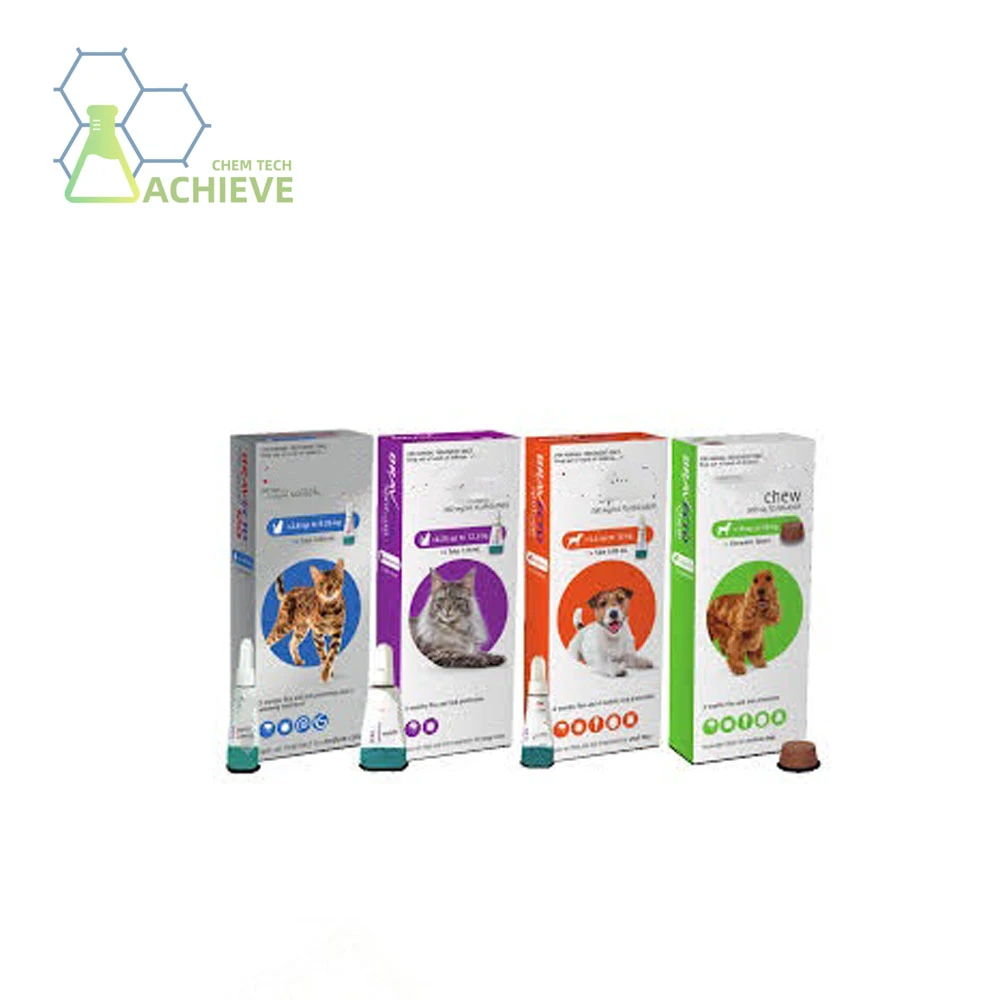
Fluralaner Tablet
1.General Specification(in stock)
(1)Solution
(2)Tablet
(3)Injection
(4)Spray
(5)Drops
2.Customization:
We will negotiate individually, OEM/ODM, No brand, for secience researching only.
Internal Code:BM-2-079
Fluralaner CAS 864731-61-3
Main market: USA, Australia, Brazil, Japan, Germany, Indonesia, UK, New Zealand , Canada etc.
Manufacturer: BLOOM TECH Xi'an Factory
Analysis: HPLC, LC-MS, HNMR
Technology support: R&D Dept.-4
How Does Fluralaner Affect Fleas After They Feed on a Treated Pet?
The Mechanism Behind the Kill
Fluralaner is a systemic insecticide/acaricide that works through the blood of the animal, not through the skin. When a flea bites a treated pet it ingests blood containing fluralaner which blocks the glutamate-gated and gamma-aminobutyric acid (GABA)-gated chloride ion channels in the flea's neurological system. This inhibition from both sides makes the neurons fire everyplace. This causes a rapid paralysis and death. Everything happens in a matter of hours after exposure.
Speed of Action Against Adult Fleas

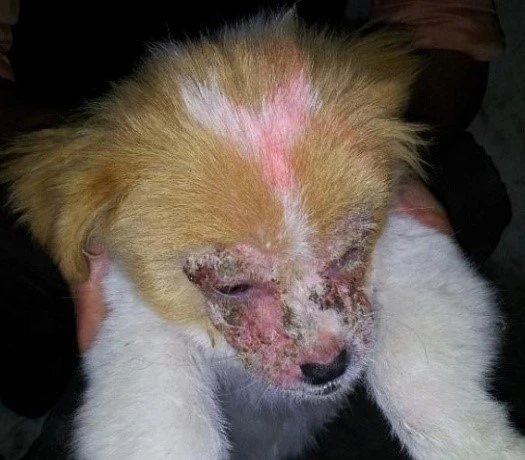
Studies in veterinary parasitology have shown that fluralaner is >98% effective against the adult Ctenocephalides felis 12 hours after the initial blood meal on a treated host.Complete elimination is achieved in 48 hours, 100% in controlled studies. Clinically this rapid kill is very important, the less time a flea lives on a host the less eggs it may lay in the environment.
Adult fleas feeding on a fluralaner-treated pet do not simply become immobilized. Before they die their reproductive output declines to zero . This is an important consideration in considering long term flea population control . A flea that dies within hours of its initial blood meal adds essentially no viable eggs to the domestic environment.
Fluralaner and the Different Stages of Flea Population Control
Why the Life Cycle Matters for Treatment Outcomes
The flea life cycle consists of four stages: egg, larva, pupa and adult. In a flea-infested home, only around 5% of the flea population is made up of adult fleas that live on a pet. The other 95% are eggs, larvae and pupae, which are found in carpets, bedding, floorboard gaps and upholstered furniture. Any successful technique for parasite control must take into consideration this environmental reservoir, and not simply the obvious adults.
Fluralaner does not have direct interaction with immature flea stages in the environment. It works indirectly by breaking the reproductive cycle at the root . It kills the adult fleas before they can produce viable eggs .
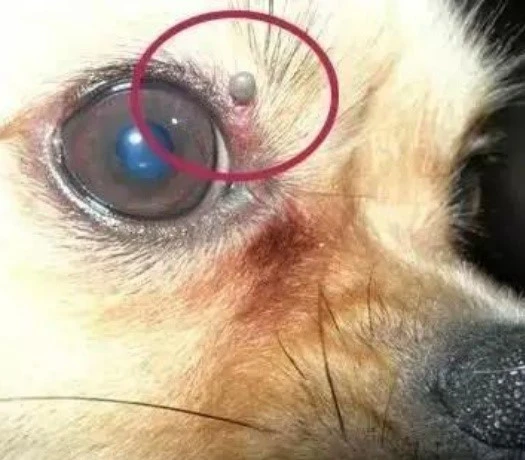
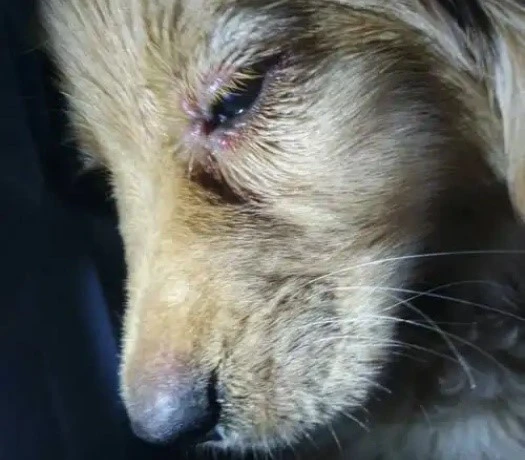
Pets treated with the substance are fed fleas repeatedly doses of the compound at deadly levels, which cuts off the flow of new eggs into the environment. The pre-existing environmental reservoir of larvae and pupae grows and exhausts itself over time, without replenishment – usually 8-12 weeks.
Population Reduction Over a Single Treatment Period
Fluralaner is a single oral dose that provide persistent systemic protection in dogs and cats for up to 12 weeks. During this time, every flea that feeds on the treated animal will be exposed to a deadly dosage of the active ingredient. There is no 'gap window' for fleas to feed, survive and reproduce uncontrolled,
as the plasma concentration of the medication remains above the effective threshold during the treatment interval.This constant pressure on the adult population is what forces the total flea infestation to gradually collapse.
What Happens to Flea Activity After Fluralaner Treatment?
In certain cases, pet owners report a transient persistence or even an increase in flea activity during the days immediately following treatment with fluralaner. This finding does not represent therapeutic failure. Any systemic treatment will have no effect on pupae already in the environment, which will still emerge as adults on their own developmental timeline. These new adults jump onto the treated pet, feed and die. If you don't know what's happening, their presence during this transitional period can be worrying.
Veterinary advice is always important to reassure this stage of emergence is normal and to be expected. After 2 to 3 weeks of initiating fluralaner treatment, the number of fleas often decreases as the environmental reservoir is reduced.
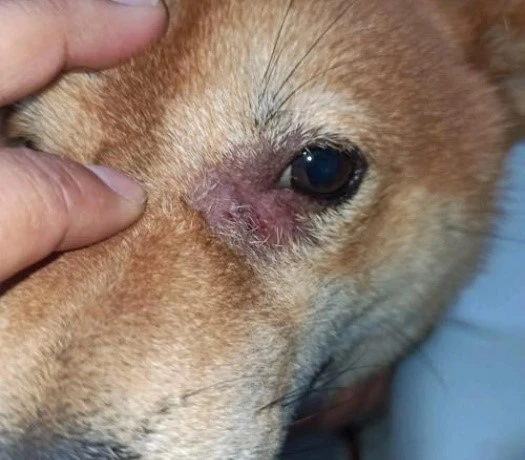
Continued care at this time such as frequent cleaning and washing of pet bedding might help to expedite the general healing.
How Fluralaner Helps Limit Flea Reinfestation in the Home Environment
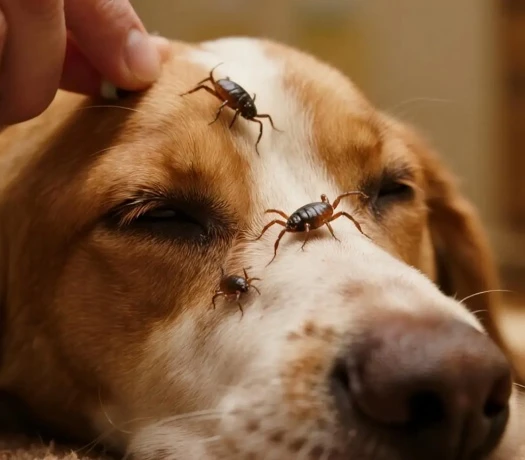
Cutting Off the Egg Supply
The greatest direct effect of fluralaner on household contamination is that treated pets are prevented from being viable egg laying platforms. In the best of conditions a female flea can lay up to 50 eggs every day. If that flea dies within 12 hours of its first meal on a treated pet, its lifetime egg output is decreased to near nothing. This restriction of reproduction has a cumulative effect on the flea population in the home over the course of a full flea season.
Protecting Multi-Pet and High-Traffic Households
Reinfestation pressure from the external environment remains a constant concern in multi-pet situations or in those with regular outside access.
The 12-week systemic protective period of fluralaner is particularly useful in these situations. Oral fluralaner provides consistent plasma-level coverage throughout the dosage interval and is not impacted by the pet's activity level or grooming behavior, unlike topical treatments that can be compromised by bathing or environmental exposure.
What Should Pet Owners Expect From Fluralaner During Continued Flea Control?
Managing Expectations During the First Treatment Cycle
Realistic expectations are the basis for successful long term flea management. In the first treatment cycle, adult fleas emerging from the environmental reservoir will continue to emerge and try to feed on the treated pet. They will die but they may cause some discomfort for a while. Although the actual flea burden is going down, the scratching activity may continue for a little time, partially because of skin irritation caused by early bites.
The Value of Consistent Dosing Schedules
The most important aspect to establishing prolonged flea control is maintaining a consistent 12-week treatment regimen without breaks.
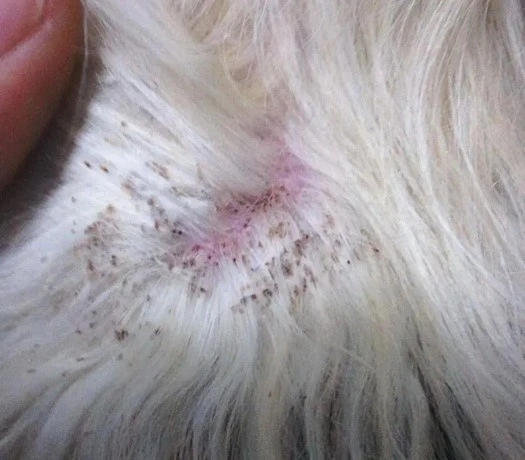
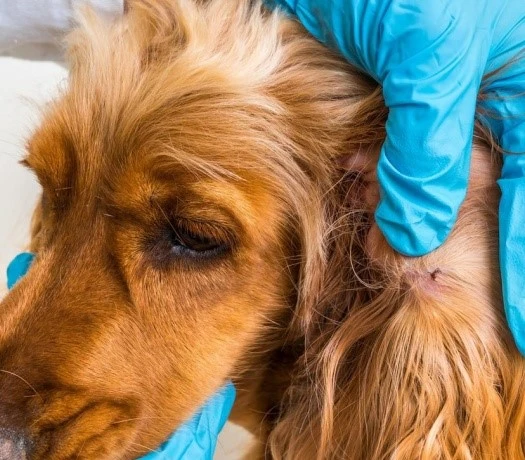
Any gap in coverage permits surviving environmental flea stages to grow, feed, and reproduce before the next dose is given. Veterinary doctors suggest treating all of the household's pets at the same time and continue the dosing cycle throughout the year in areas where fleas remain active after the regular warm season.
Fluralaner has shown consistent efficacy in peer-reviewed studies spanning numerous consecutive treatment cycles, with no evidence of loss of efficacy with time. This stability makes it a reliable choice for long-term parasite control in companion animals.
Conclusion
Fluralaner targets flea infestations at their most susceptible moment – the adult feeding stage – and its systemic, long-acting protection provides the persistent reproductive disruption necessary to collapse an established flea population over time. Pet owners who understand the life cycle of fleas can set realistic time frames, keep a regular treatment plan and combine the oral administration of fluralaner with basic environmental hygiene for best results. The chemical is one of the most structurally sound tools available in modern veterinary parasite management thanks to its dual-channel neurological mechanism, high-speed kill efficacy and extended 12-week dosage window.
Frequently Asked Questions
Q1: Does fluralaner kill flea eggs and larvae directly?
+
-
Fluralaner does not immediately kill flea eggs, larvae or pupae in the environment. Its efficacy is mediated by the adult flea feeding on the treated pet. Fluralaner kills the adult fleas before they can reproduce, therefore the source of new eggs is cut off and the population in the environment can die out over a period of weeks, without being replenished.
Q2: How long does it take to see a noticeable reduction in fleas after starting fluralaner?
+
-
The majority of pet owners and veterinary practitioners see a significant reduction in flea burden within two to three weeks of treatment initiation. The time frame varies according to the size of the environmental reservoir and severity of the current infestation. In strongly infested families, complete resolution may take six to eight weeks as the pre-existing immature stages mature and die without replacement.
Q3: Is fluralaner still effective if a pet swims or is bathed frequently?
+
-
Fluralaner is delivered orally and is systemically transported into the blood stream. 8 The efficacy of fluralaner is not impacted by bathing, swimming or water exposure. This is a big difference from topical medicines that can be physically wiped away from the surface of the skin. The chemical stays at its therapeutic plasma level over the complete 12-week dosage term irrespective of external influences.
Partner With Bloomtechz for Reliable Fluralaner Supply
At Bloomtechz we know that the backbone of any successful veterinary product line is a steady, quality supply of raw material. With GMP-certified production facilities recognized by US-FDA, EU-GMP, PMDA and CFDA, we are a seasoned fluralaner supplier providing pharmaceutical grade fluralaner that fulfills the demanding standards your formulations require. We have a triple-link quality assurance method – in-factory testing, our internal QA/QC department and third-party authority agency verification – to verify every batch meets specification. Whether you require bulk powder, custom formulations or OEM solutions, our R&D and production teams are ready to help your project from laboratory scale to commercial manufacturing. Reach out to our staff today and see why 24 prominent multinational organizations choose Bloomtechz as their qualified supplier.
Contact us: Sales@bloomtechz.com
References
1. Kilp, S., Ramirez, D., Allan, M. J., & Roepke, R. K. A. (2014). Pharmacokinetics of fluralaner in dogs following a single oral administration. Parasites & Vectors, 7, 85.
2. Taenzler, J., Wengenmayer, C., Williams, H., Fourie, J., Epe, C., & Frénais, R. (2014). Onset of action of fluralaner (Bravecto™) against Ctenocephalides felis on dogs. Parasites & Vectors, 7, 567.
3. Rust, M. K., & Dryden, M. W. (1997). The biology, ecology, and management of the cat flea. Annual Review of Entomology, 42(1), 451–473.
4. Prichard, R., Tait, A., & Geary, T. (2012). GABA-gated chloride channels as targets for broad-spectrum anthelmintics and insecticides: A structural overview. International Journal for Parasitology: Drugs and Drug Resistance, 2, 1–7.
5. Dryden, M. W., Payne, P. A., Lickfeldt, D., & Smith, V. (2013). Efficacy of a fluralaner oral formulation against cat flea infestations on naturally infested dogs in a simulated home environment. Veterinary Parasitology, 193(1–3), 260–264.
6. Mehlhorn, H., Mencke, N., & Hansen, O. (1999). Effects of imidacloprid on adult and larval stages of the flea Ctenocephalides felis after in vivo and in vitro application: A light- and electron-microscopy study. Parasitology Research, 85(8–9), 625–637.