


Parasites remain a constant threat to the health of dogs. Fleas, ticks and mites may cause considerable pain for dogs – and in some instances pass on deadly infections. These external hazards have been met with a trusted solution for pet owners and veterinary experts – Fluralaner. In this post we'll look at how fluralaner works, the parasites it targets, and why it has become a trusted staple in today's parasite control programs.

Fluralaner Tablet
1.General Specification(in stock)
(1)Solution
(2)Tablet
(3)Injection
(4)Spray
(5)Drops
2.Customization:
We will negotiate individually, OEM/ODM, No brand, for secience researching only.
Internal Code:BM-2-079
Fluralaner CAS 864731-61-3
Main market: USA, Australia, Brazil, Japan, Germany, Indonesia, UK, New Zealand , Canada etc.
Manufacturer: BLOOM TECH Xi'an Factory
Analysis: HPLC, LC-MS, HNMR
Technology support: R&D Dept.-4
How Does Fluralaner Work Against Fleas and Ticks in Dogs?
Learning about the mechanism of every antiparasitic substance enables you to understand its mode of action. Fluralaner works systemically - that is, a dog ingests the drug via the digestive tract and it passes through the bloodstream. So when the flea or tick bites the dog and takes in a blood meal it will be in close contact with a fatal quantity of the substance.
Systemic Absorption and Rapid Distribution
Fluralaner is rapidly absorbed after oral treatment, reaching peak plasma concentrations within hours and remaining at effective plasma concentrations for a prolonged length of time.


Research has revealed that fluralaner may kill over 98% of an existing flea population after 12 hours of a single dosage and has been found to be completely eliminated within 48 hours. Its quick effect is different from topical therapies that only work on the surface.
Sustained Protective Window
A key property of fluralaner is its lengthy half-life in dog plasma. A single oral dosage results in quantifiable quantities maintained for up to 12 weeks and provides ongoing protection without the need for reapplication on a monthly basis. That longer lifespan is appealing to dog owners who have busy, outdoorsy canines, such as working dogs, hunting partners or search-and-rescue breeds.
Fluralaner and Its Action on Parasite Nervous Systems
What makes fluralaner different from older-generation insecticides is its pharmacological accuracy. Rather of acting on general biological processes, it acts upon specialised receptors that are distinct in parasites and mammals.
GABA Receptor Inhibition in Insects and Ticks
Fluralaner exhibits high affinity binding to gamma-aminobutyric acid (GABA)-gated chloride ion channels on nerve cell membranes of insects and arachnids. It stops chloride ions getting into it, which are part of the regular inhibitory signalling that keeps a parasite 's neurological system in check . This causes uncontrollable neuronal stimulation and results in paralysis and death.

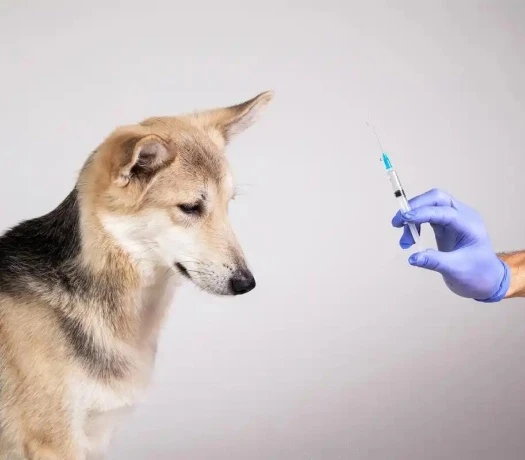
Simultaneously Fluralaner also acts on the glutamate-gated chloride channels, which increases the neurotoxicity on the parasite.
Why Dogs Remain Safe
GABA receptors are present largely in the central nervous system of mammals (dogs). At therapeutic dosages is does not reach these receptors at relevant concentrations because of the blood–brain barrier. This anatomical variation in receptor placement underpins the safety profile of fluralaner in canine patients. This selectivity is supported by a body of research that has been routinely published in peer-reviewed veterinary pharmacology literature indicating a large gap between therapeutic and adverse-effect thresholds in dogs.
Which External Parasites Can Fluralaner Help Control in Dogs?
Fluralaner is not a one-target chemical. Its receptor binding profile makes it active against many types of parasites common to dogs in different parts of the world.
Flea Species and Associated Risks
The cat flea (Ctenocephalides felis) is the most common flea species seen on dogs worldwide. Flea infestations may cause skin irritation and pruritus and can also transfer Dipylidium caninum (tapeworm) and enable Bartonella infection. Fluralaner also interrupts the flea lifecycle in the home environment, by killing adult fleas before they can reproduce, therefore minimising larval and egg contamination of bedding and carpets.
Tick Species and Disease Transmission
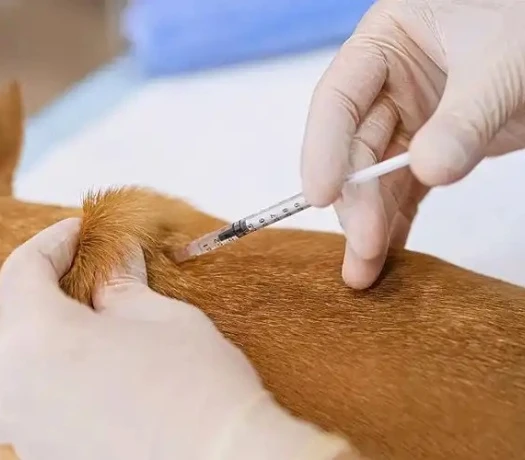
Fluralaner is efficacious against certain tick species. Lyme disease and Anaplasmosis are transmitted by Ixodes scapularis; Rocky Mountain spotted fever is vectored by Dermacentor variabilis; canine Babesiosis is carried by Rhipicephalus sanguineus. The efficacy of fluralaner against these ticks is related to its ability to kill these ticks before they complete a full feeding cycle. This is important since many tick-borne illnesses need prolonged attachment time to transmit.
Fluralaner for Flea, Tick, and Mite Management in Dogs
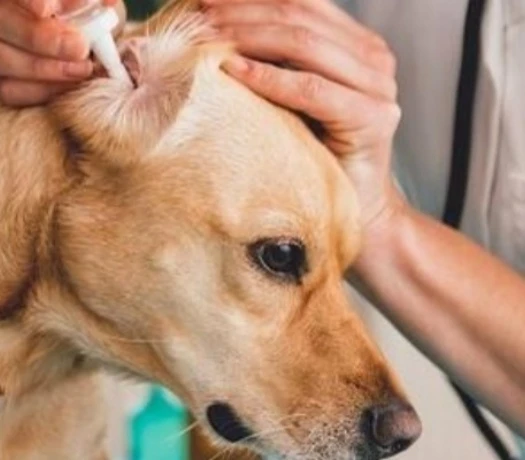
Fleas and ticks aren't the only parasites for which fluralaner is effective; it also has potent effectiveness against mite infestations, a parasitic illness that may be very difficult to treat with traditional medicines.
Sarcoptic Mange and Ear Mites
Sarcoptes scabiei (sarcoptic mange) infection is characterised by severe pruritus and increasing skin lesions in dogs. Clinical results suggest that a single oral dosage of fluralaner may result in an approximately 80% reduction in pruritus scores after two weeks, with a 95% recovery rate after four weeks. Fluralaner has showed the ability to kill >90% of Otodectes cynotis (ear mites) within 72 hours, with complete resolution within 14 days in reported instances .
Advantages Over Traditional Mite Treatments
Mange control strategies in the past generally needed many injectable ivermectin treatments or dips – procedures that many dogs don't take well. Oral administration minimises handling stress and allows for accurate dosage. This ease, along with excellent effectiveness, has made fluralaner a feasible solution for veterinary clinics and pet owners confronted with mite-related dermatological disorders.
Why Do Dog Owners Choose Fluralaner for Broader Parasite Protection?
As more pet owners choose fluralaner, it's part of a larger trend in pet health care – one where scientifically proven, easy-to-use therapies are the way to go.
Convenience of Oral Dosing
Topical spot-on products might be wiped off, spread unevenly or produce localised skin responses. An oral pill avoids these problems altogether. Fluralaner pills are absorbed whether or whether your dog is bathed or swims and are especially appropriate for water-loving breeds or dogs in humid areas.
Supporting Skin Health and Quality of Life
Flea allergic dermatitis (FAD) is one of the most common dermatologic diagnoses made in dogs.


It is caused by an excessively reactive dog reacting to proteins in flea saliva.Fluralaner is an effective and rapid treatment for flea infestations and helps to avoid additional allergen exposure. within injection, the pruritus ratings in FAD patients dropped by 70% within 72 hours, and the skin lesion healing rates were around 85% after two weeks. Fluralaner fast-acting in dogs with tick-bite inflammation inhibits the production of pro-inflammatory cytokines IL-6 and TNF-alpha to promote a faster tissue recovery
Long-Term Parasite Strategy
Veterinary guidelines are changing to integrated parasite management which includes using effective drugs in conjunction with environmental control and frequent monitoring.
Fluralaner fits nicely inside this paradigme. 12 week protection window means less frequent dosing and improved compliance for pet owners. In combination with appropriate antibiotic therapy for secondary infection or tick transmitted sickness, it may shorten the overall period of treatment by up to 30%.
Conclusion
Fluralaner is one of the most effective and scientifically proven options for controlling external parasites in dogs. The dual action on GABA- and glutamate-gated chloride channels gives rapid, broad-spectrum activity against fleas, ticks and mites, with a well-documented safety margin in dogs. Its systemic effect, extended duration of action, and convenience of oral administration make it a valid solution for pet owners and veterinary experts dedicated to maintaining canine health. As veterinary parasitology advances, fluralaner is a trusted pillar of integrated parasite control.
Frequently Asked Questions
Q1: How quickly does fluralaner start working after a dog takes it?
+
-
Fluralaner has a quick onset of action upon oral absorption. In clinical investigations it has been shown that over 98% of fleas are killed after 12 hours of injection and that they are eliminated totally within 48 hours. The tick-killing effect is also described as having a quick start and is one of the faster-acting systemic choices.
Q2: Is fluralaner safe for all dog breeds?
+
-
Fluralaner has been examined in published clinical studies across a broad variety of dog breeds and body weights. This safety profile is due to the blood-brain barrier, which prevents significant central nervous system exposure in animals. Always speak with a veterinarian before starting any new medicine, especially for extremely young pups and dogs with pre-existing health concerns.
Q3: Can fluralaner be used alongside other veterinary medications?
+
-
Current research supports concurrent use of fluralaner with widely prescribed veterinary medicines including vaccinations and regular antiparasitic treatments. Fluralaner in combination with adequate antibiotic therapy has been demonstrated to decrease the treatment time by around 30% in the treatment of tick-borne infections. Combination treatment should always be carried out under veterinary supervision.
Partner with Bloomtechz - Your Trusted Fluralaner Supplier for Professional-Grade Parasite Solutions
Bloomtechz is a pharmaceutical grade fluralaner product that follows strict quality requirements and decades of manufacturing experience. Our GMP accredited Xi'an facility has achieved on-site inspection by US FDA, PMDA, CFDA, MFDS and BGV-Hamburg Germany, so you may be certain of every batch. We provide fluralaner in a variety of dosage forms such as tablets, injections and solutions with complete OEM/ODM services. We are an experienced provider of fluralaner, serving customers in the USA, Australia, Japan, Germany, UK and other countries. Whether you need large wholesale numbers or bespoke specs, our R&D and QA teams are ready to provide. Contact us immediately and let Bloomtechz help you achieve your product development objectives.
Contact us: Sales@bloomtechz.com
References
1. Kilp, S., Ramirez, D., Allan, M. J., & Roepke, R. K. A. (2014). Pharmacokinetics of fluralaner in dogs following a single oral administration. Parasites & Vectors, 7, 85.
2. Taenzler, J., de Vos, C., Roepke, R. K. A., Heckeroth, A. R. (2014). Efficacy of fluralaner against Otodectes cynotis infestations in dogs and cats. Parasites & Vectors, 7(Suppl 1), O26.
3. Fisara, P., Shipstone, M., von Keyserlingk, M., & Ossipov, V. (2015). Efficacy of fluralaner administered as chewable tablets (Bravecto) for the treatment of generalised demodicosis in dogs. Veterinary Dermatology, 26(6), 436–438.
4. Wengenmayer, C., Williams, H., Zschiesche, E., Moritz, A., Langenstein, J., Roepke, R. K. A., & Heckeroth, A. R. (2014). The speed of kill of fluralaner (Bravecto) against Ixodes ricinus ticks on dogs. Parasites & Vectors, 7, 525.
5. Barton, L., Blundell, R., & Orr, J. (2017). Fluralaner use in veterinary dermatology: Clinical review of efficacy in mite-associated skin disorders in companion animals. Journal of Veterinary Pharmacology and Therapeutics, 40(3), 201–209.
6. Rohdich, N., Roepke, R. K. A., & Zschiesche, E. (2014). A randomized, blinded, controlled and multi-centred field study comparing the efficacy and safety of Bravecto (fluralaner) against Frontline for the treatment and prevention of tick and flea infestations in dogs. Parasites & Vectors, 7, 83.