


Fleas and ticks are more than a nuisance; they may spread dangerous illnesses to pets and even to people. Pet owners throughout the globe are seeking for a proven long-term solution that goes beyond typical spot-on treatments. Fluralaner is one of the most effective oral choices on the market, giving systemic parasite control with only one dosage. In this post, we'll discuss how fluralaner works, how it travels through a pet's body, and why it's become a trusted option for flea and tick control in dogs and cats.

Fluralaner Tablet
1.General Specification(in stock)
(1)Solution
(2)Tablet
(3)Injection
(4)Spray
(5)Drops
2.Customization:
We will negotiate individually, OEM/ODM, No brand, for secience researching only.
Internal Code:BM-2-079
Fluralaner CAS 864731-61-3
Main market: USA, Australia, Brazil, Japan, Germany, Indonesia, UK, New Zealand , Canada etc.
Manufacturer: BLOOM TECH Xi'an Factory
Analysis: HPLC, LC-MS, HNMR
Technology support: R&D Dept.-4
How Does Fluralaner Work After Oral Administration in Dogs and Cats?
The Mechanism Behind the Molecule
Fluralaner is absorbed from the gastrointestinal tract into the circulation in dogs and cats after oral administration of a fluralaner tablet. Another benefit of fluralaner is that it particularly targets the parasite's nervous system. It acts on gamma-aminobutyric acid (GABA)-gated chloride ion channels and glutamate-gated chloride ion channels in insects and arachnids. It inhibits these channels, stopping the inhibitory nerve impulses from working. This causes overexcitation of neurons, paralysis, and finally death of the parasite.
What makes fluralaner distinct from other antiparasitic medications is its dual channel inhibition. Most conventional drugs target a single receptor pathway and may become ineffective over time.
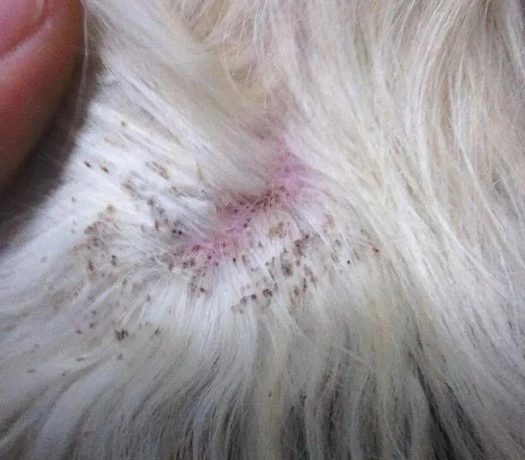

Fluralaner has a double mode of action to provide greater and more reliable kill rates against a wide variety of ectoparasites.
Why Mammals Are Not Affected
Many pet owners fear that systemic insecticides will be harmful to their dogs. It's the anatomy and pharmacology that are the key. In animals such as dogs and cats, GABA receptors reside in the central nervous system, shielded by the blood-brain barrier. Fluralaner molecules do not easily cross the barrier, and hence the drug remains in the bloodstream but does not reach the mammalian nervous system in substantial quantities. The same structural selectivity makes fluralaner a safe drug for pets, but toxic for fleas and ticks.
Fluralaner Absorption and Systemic Distribution for Parasite Control
How the Drug Moves Through the Body
After oral administration, fluralaner is absorbed from the small intestine and reaches the systemic circulation. Administration with food, especially a high-fat meal, considerably boosts bioavailability, and this is the reason most dosage recommendations suggest taking the pill with a regular mealtime. On leaving the bloodstream, the molecule is bound to plasma proteins, which function as vehicles of transport to carry it to the tissues of the body, including the skin.
This extensive spread is important to the way fluralaner works to combat parasites. The medicine doesn't just hang around in the stomach; it diffuses into the dermal tissue and subcutaneous layers to create a reservoir that lasts for quite a long time.


When a flea bites a pet and feeds on its blood, it ingests a fatal dose of the chemical, causing fast death.
Systemic Versus Topical: A Key Distinction
Topical spot-on treatments work on the surface of the body and may be washed off or broken down with bathing and swimming. Fluralaner distributes systemically throughout the body and will not be affected by external conditions. The medicine is effective in the blood and tissues if a dog swims in a lake or a cat is caught in the rain. This is particularly helpful for active dogs or those in a setting with heavy exposure.
How Quickly Does Fluralaner Kill Fleas and Ticks?
Speed of Action Against Fleas
A peer-reviewed study has provided effectiveness data suggesting fluralaner kills fleas within hours of administration. Controlled experiments showed >98% of Ctenocephalides felis (cat flea) were killed within 12 hours after the first injection. It achieved total eradication in 48 hours with 100% death rates. This prompt initiation of treatment is especially significant for animals with flea allergic dermatitis (FAD), since a decrease in the flea load may also decrease allergen exposure and consequent skin irritation.
Speed of Action Against Ticks
Fluralaner also works quickly against ticks. Research has shown that it kills Ixodes scapularis (black-legged tick),
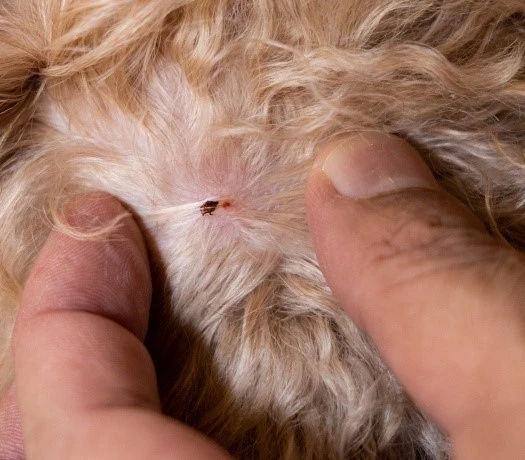
Dermacentor variabilis (American dog tick), and Rhipicephalus sanguineus (brown dog tick) within 12 hours after attachment.This speed is crucial because tick-borne viruses, such as those that cause Lyme disease, Anaplasmosis, and Rocky Mountain spotted fever, generally require long attachment periods to be transmitted. Fluralaner kills ticks quickly, reducing the window of transmission from opening prior to exposure to sickness.
Fluralaner for Pets Exposed to Fleas and Ticks in Outdoor Environments

Active Pets Face Higher Parasite Pressure
Outdoor dogs and cats, whether traveling, hunting, serving as guide animals, or simply exploring gardens, are far more likely than indoor pets to come into touch with parasites. Ticks are common in tall grass, leaf litter, and wooded areas, and pose a constant danger of re-exposure. A less potent source of protection for these animals is a topical medication that can break down with activity or wetness. And Fluralaner pills give systemic coverage that travels with the pet, wherever they go and whatever the weather.
Supporting Environmental Flea Control
Another oft-overlooked benefit of fluralaner is the indirect effect it has on reducing pollutants in the home environment.
Fleas biting a treated pet will ingest the treatment and die before they lay eggs. This disturbance to the flea's life cycle results in less build-up of flea eggs, larvae, and pupae in carpets, mattresses, and furniture. As the pet continues to be treated, fluralaner decreases the quantity of parasites in the pet's environment, which also benefits human family members.
How Long Does Fluralaner Remain Effective Against Fleas and Ticks?
Duration of Protection
One of the most important things about fluralaner in a therapeutic setting is that it works for a long time. Depending on the product and the parasite being treated, one daily dose can keep parasites away from dogs for up to 12 weeks and cats for 8 to 12 weeks. The longer delay will make it less necessary to dose more often, which will make it easier for the pet to follow the treatment plan, which is a well-known problem in veterinary medicine.
The fact that fluralaner has a long plasma half-life and a tendency to bind to proteins and stay in tissues may explain why it works for such a long time.

However, dogs that are treated once a month might be more vulnerable when their next dose is due. This is because of the way fluralaner works in the body, which means that effective blood levels stay high throughout the whole treatment period.
Maintaining Efficacy Over Repeat Dosing Cycles
Long-term safety and effectiveness data from several studies have shown that Fluralaner works the same way every time it is used. After multiple doses, there has been no clinically meaningful loss of efficacy, and there has been no resistance development in the field so far. Because it is stable, fluralaner is a good long-term choice for dogs that live in places where fleas and ticks are common.
Conclusion
The drug fluralaner is a big step forward in getting rid of bugs in animals. Because it works on two receptors, kills parasites quickly, spreads throughout the body, and lasts for a long time, it is one of the best antiparasitic tools for dogs and cats. This medicine can help with a lot of different external parasite problems, from keeping an active dog safe from diseases spread by ticks to treating flea allergic dermatitis in cats. Veterinarian distributors, research and development buyers, and procurement experts need a company that can make fluralaner tablets and has the right infrastructure, regulatory certifications, and quick service to support their supply chain. Bloomtechz has all of these things.
Frequently Asked Questions
Q1: Is fluralaner safe for use in both dogs and cats?
+
-
Yes. Fluralaner has been evaluated for safety in both species. Its selectivity for insect and arachnid GABA receptors, combined with limited ability to cross the mammalian blood-brain barrier, makes it well-tolerated in healthy adult dogs and cats when administered at recommended doses. Consult a veterinarian before use in young, pregnant, or health-compromised animals.
Q2: How does fluralaner compare to topical antiparasitic treatments?
+
-
Unlike topical treatments that may lose efficacy after bathing or swimming, fluralaner works systemically through the bloodstream. Its oral administration and long duration of action - up to 12 weeks per dose - offer a more consistent protection window, particularly for active pets or those in high-exposure environments.
Q3: Can fluralaner be used as part of an OEM or bulk supply arrangement?
+
-
Absolutely. Bloomtechz supports OEM, ODM, and bulk procurement of fluralaner tablet formulations for veterinary distributors, research institutions, and commercial buyers. Our GMP-certified facility provides full documentation, customizable specifications, and competitive lead times. Send your inquiry to Sales@bloomtechz.com to get started.
Partner With Bloomtechz - Your Trusted Fluralaner Supplier for Professional-Grade Parasite Control Solutions
If you are searching for a reliable fluralaner supplier with verified manufacturing credentials and a track record of supplying pharmaceutical and veterinary industries worldwide, Bloomtechz is the partner you need. Our Xi'an GMP-certified facility produces high-purity fluralaner tablet formulations that meet US FDA, EU GMP, JP, and CFDA standards. We support OEM and ODM arrangements, provide full analytical documentation (HPLC, LC-MS, HNMR), and offer flexible order quantities from lab-scale research to bulk commercial supply. Our QA/QC triple-check system ensures every batch meets contractual specifications - backed by a full refund guarantee if it does not. We currently serve clients across the USA, Australia, Brazil, Japan, Germany, the UK, and beyond. Reach out to our team today to discuss your requirements and receive an accurate quotation.
Contact us: Sales@bloomtechz.com
References
1. Kilp, S., Ramirez, D., Allan, M.J., Roepke, R.K.A., & Nuernberger, M.C. (2014). Pharmacokinetics of fluralaner in dogs following a single oral administration. Parasites & Vectors, 7, 85.
2. Taenzler, J., de Vos, C., Roepke, R.K.A., Heckeroth, A.R. (2014). Efficacy of fluralaner against Otodectes cynotis infestations in dogs and cats. Parasites & Vectors, 7(Suppl 1), O26.
3. Rohdich, N., Roepke, R.K.A., & Zschiesche, E. (2014). A randomized, blinded, controlled, and multi-centered field study comparing the efficacy and safety of Bravecto™ (fluralaner) against Frontline™ (fipronil) in flea- and tick-infested dogs. Parasites & Vectors, 7, 83.
4. Rust, M.K. (2020). The biology and ecology of cat fleas and advancements in their pest management: A review. Insects, 11(1), 26.
5. Pfister, K., & Armstrong, R. (2016). Systemic and topical drugs for the prevention of flea and tick infestation in dogs and cats. Veterinary Medicine: Research and Reports, 7, 45–65.
6. Fisara, P., Štefančíková, A., & Štefanič, M. (2015). Evaluation of the efficacy and safety of oral fluralaner tablets in naturally flea-infested client-owned cats in Europe. Parasites & Vectors, 8, 305.