


When veterinary medicine meets cutting-edge antiviral research, remarkable discoveries emerge. While gs-441524 powder gained recognition for treating feline infectious peritonitis (FIP), its journey doesn't end there. This nucleoside analogue holds promising potential across multiple viral challenges, from cross-species infections to emerging veterinary diseases. Understanding these expanded applications reveals why research institutions and pharmaceutical developers worldwide are increasingly interested in this compound's capabilities.
The versatility of this antiviral agent stems from its unique mechanism: interfering with RNA-dependent RNA polymerase across various viral families. As global health concerns shift toward pandemic preparedness and zoonotic disease management, compounds demonstrating broad-spectrum activity become invaluable research tools. This exploration examines how gs-441524 powder transitions from a specialised FIP treatment to a multifaceted component in modern antiviral development strategies.
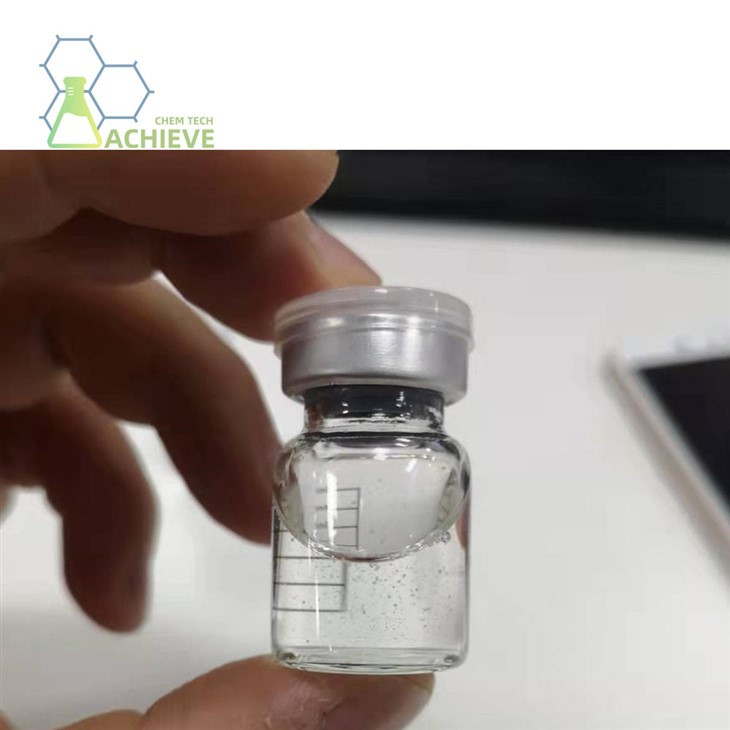
GS-441524
1.General Specification(in stock)
(1)Injection
20mg, 6ml; 30mg,8ml; 40mg,10ml
(2)Tablet
25/45/60/70mg
(3)API(Pure powder)
(4)Pill press machine
2.Customization:
We will negotiate individually, OEM/ODM, No brand, for secience researching only.
Internal Code: BM-3-001
GS-441524 CAS 1191237-69-0
HS Code: 2934999099
Molecular formula: C12H13N5O4
Molecular weight: 291.26
EINECS: 200-001-8
MDL No .: MFCD32666994
We provide gs-441524, please refer to the following website for detailed specifications and product information.
Product:https://www.bloomtechz.com/oem-odm/injection/gs-441524-injection.html

How gs-441524 Powder Expands Broad-Spectrum Antiviral Research
Mechanism Behind Multi-Viral Targeting
Because of the way its molecules are structured, gs-441524 powder can work as both a replacement substrate and a chain breaker for viral polymerases. This substance uses a basic process that all RNA virus families share, unlike narrow-spectrum antivirals that only target certain viral proteins. When it joins with growing viral RNA chains, it causes premature termination, which stops replication for all virus species involved.Scientists discovered that nucleoside analogues identical to gs-441524 powder may halt the proliferation of coronaviruses like SARS-CoV and MERS-CoV.


This cross-reactivity suggests that chemical alterations might create new forms that combat new RNA viruses better. The drug works against viruses with diverse envelope proteins and host cell receptors, making it beneficial for pandemic preparedness.
Laboratory Applications in Viral Screening
Contemporary drug research relies on screening methods that simultaneously evaluate chemical libraries against many pathogen targets. These high-throughput systems employ gs-441524 powder as a standard and building component.
It helps pharmaceutical researchers understand nucleoside analogue group structure and function to develop new antivirals.The compound's well-known chemical composition accelerates early research.Scientists exploring novel RNA viruses can swiftly determine whether nucleoside-based therapies will work by comparing viral polymerase architectures to vulnerable ones. The comparative technique saves time and money for finding excellent treatment choices during epidemics, when responding swiftly is crucial.


Related Substance Comparisons
Remdesivir, the component in gs-441524 powder, was approved for use during the COVID-19 pandemic. Comparing these compounds indicates major variations in bioavailability, metabolism stability, and tissue distribution. It takes metabolism to activate remdesivir. However, the active metabolite, gs-441524 powder, has varied physiological advantages depending on consumption.These structural distinctions may help researchers understand antiviral systems. Researchers are studying why various organs or species respond differently to chemicals to understand viral tropism and host-pathogen interactions. These concepts help scientists improve compounds for other medicinal purposes.

Cross-Species Coronavirus Applications of gs-441524 Powder
Feline to Canine Coronavirus Research
Coronaviruses can infect many types of mammals, which can lead to both veterinary health problems and the spread of diseases between animals. After the success with the feline infectious peritonitis virus, scientists started to look into whether gs-441524 powder could help other pets with coronavirus illnesses. The canine lung coronavirus and the canine enteric coronavirus are targets where there aren't many treatment choices yet.Early lab experiments on canine coronavirus-infected cell culture models demonstrated that the drug still exhibited antiviral efficacy at FIPV-like dosages.


Small-scale veterinary research on the safety and efficacy of coronavirus-afflicted dogs followed these findings. Because viruses multiply similarly in various species, cat dosing regimens may work for dogs if modified.
Swine and Livestock Viral Management
Animal herd viruses cost agriculture a lot. Pig epidemic diarrhoea virus (PEDV) and porcine deltacoronavirus kill many young pigs, affecting food supplies and farm profits. Veterinary pharmaceutical companies seeking alternatives to immunisations are interested in gs-441524 powder for pig health.
The research on how effectively the material works against cow coronaviruses considers practical problems like cost, how long it should be removed out of the system before killing the animals, and how to deliver it to several animals at once.Food-animal regulations demand greater safety checks than pet regulations. But the compound's feline safety record is encouraging and warrants additional research.
Wildlife Conservation and Exotic Species
Some endangered species initiatives must cope with virus outbreaks that put weak populations at risk.


Wild cats, bats, and marine creatures carry coronaviruses, but treatment is limited. Conservation doctors are investigating whether gs-441524 powder may be used as an emergency therapy for genetically significant animals.Animal medication use has various issues beyond pharmacology. These include capture stress, not understanding how medications operate in non-model species, and moral issues about tampering with natural populations. The compound's mechanism implies it may function on a range of mammalian hosts, making it worth investigating if present approaches fail to protect uncommon species from viral dangers.

Can gs-441524 Powder Support Emerging Veterinary Therapies?
Veterinary medicine constantly discovers novel viral infections. Climate change, pet migration, and altering wildlife-household animal borders help diseases proliferate. When novel RNA viruses appear in pets, broad-spectrum antivirals are needed to manage epidemics until species-specific medications are developed.Vets may benefit from gs-441524 powder in unclear situations. It is safe for cats and may be used for humanitarian purposes when animals have life-threatening viral diseases and no recognised therapies.


These uses are recorded by veterinary schools and specialty referral clinics, providing real-world data for controlled research investigations.The chemical is used for therapy and research to detect and characterise novel viruses. Diagnostic labs check novel viruses from ill animals for antiviral resistance. This helps categorise the condition and predict therapy efficacy. This experimental usage accelerates veterinary medicine's capacity to treat emerging health issues.
RNA Virus Research Innovations Driven by gs-441524 Powder
Modelling Viral Resistance Mechanisms
Long-term antiviral therapy requires understanding how viruses become drug-resistant. gs-441524 powder helps researchers choose immunological virus strains in the lab. They then analyse the genetic modifications that enable these variations to bypass inhibition. These investigations indicate which viral polymerase gene regions change more and whether being resistant to one nucleoside analogue makes you resistant to structurally related compounds.The outcomes of resistance studies impact clinical choices and medication development aims.


GS-441524 powder used with various antivirals might prevent resistance if polymerase alterations reduce drug efficacy. However, pinpointing common polymerase areas where alterations prevent viruses from living helps scientists develop novel medications that target genetic flaws.
Host-Pathogen Interaction Studies
Pathogen replication and host cell defences interact in a complicated manner during viral infections. To disrupt these linkages, use gs-441524 powder. Blocking just viral RNA production during infection investigations distinguishes direct viral impacts from secondary antiviral immunity responses.
Virus load, cytokine release, and cell survival vary with antiviral dosage in infected cells in cell culture. These detailed molecular investigations help us understand how viruses cause illness and identify better strategies to mix antivirals with immunomodulatory medicines. Fundamental research like this improves viral prevention and tissue damage treatments.
Pharmacokinetic Optimisation Research
Optimising medication delivery and maintaining therapeutic levels at infection sites are needed to translate lab-found antiviral activity into clinical efficacy.Pharmaceutical scientists research how modifying gs-441524 powder ingredients influences absorption, distribution, breakdown, and elimination.


Prodrug formulations, nanoparticle packing, and targeted delivery methods increase compound's therapeutic index.Researchers assess medicinal formulations based on convenience of use, solubility, and drug production. Injectables start quickly and have defined pharmacokinetics, but long-term usage is difficult. Although oral versions are more convenient, they must contend with first-pass digestion and variable gut absorption. These endeavours to generate new medications aim to make the molecule more beneficial in additional clinical circumstances and patient populations.

Future Directions for gs-441524 Powder in Antiviral Development
Integration With Combination Therapy Protocols
Modern antiviral techniques increasingly use combination approaches that target several virus lifecycle stages. gs-441524 powder inhibits polymerase, unlike other antivirals that impede virus entrance or protease. Synergistic combination researchers locate the optimal companion medications to boost antiviral effectiveness while reducing drug doses and negative effects.Combination therapy reduces the genetic mobility of viruses, reducing resistance concerns. Multiple modifications that impact distinct drug targets are needed for viruses to become resistant.


Statistics show that this unusual incident considerably prolongs therapy. Well-planned combination therapies using nucleoside compounds like gs-441524 powder help both human and veterinary medicine.
Regulatory Pathways for Expanded Indications
gs-441524 powder is permitted for many purposes, but its ambiguity. It is used in veterinary medicine without a label, but acquiring formal clearance requires expensive controlled clinical trials to prove its safety and efficacy. Pharmaceutical businesses consider market size, development cost, and rival strength when considering new development opportunities.
This helps them determine whether to seek regulatory permission for new veterinary uses.Regulations for companion and food animals vary greatly. These need extensive residue testing to ensure that treated animals don't spill drugs into food. The additional rules slow expansion and cost more, but they preserve public health. By recognising these legal difficulties, parties may establish reasonable targets for new app release dates.
Global Health Preparedness Applications
Scientists want broad-spectrum antivirals that can fight novel viruses fast to prepare for a pandemic.


GS-441524 powder, like remdesivir, fights many coronaviruses. This makes it attractive for strategic stockpiling and fast reaction planning. International health bodies consider human and animal health while assessing antiviral arsenals. They know that avoiding animal-to-human viral transmission prevents global illness.Studying gs-441524 powder improves our knowledge of nucleoside analogues, which can cure several diseases and viruses. Scientific data helps create antivirals, even if certain applications don't make it to market. This expanding understanding helps humans and animals handle the next infectious issue.
Conclusion
gs-441524 powder's transition from treating FIP to treating viruses highlights how specialised compounds may become helpful research tools and therapies. It targets RNA-dependent RNA polymerase, making it effective against several viral families. This allows application in medical settings and research. New applications for this molecule may address gaps in animal and human health as pharma firms and research organisations continue to investigate it.
We need to support research, engage regulators, and collaborate with academic scientists, veterinarians, and medical businesses to advance. Formulation, dose, and clinical assessment must be tailored to each application area due to its unique issues. Basic results showing the chemical is safe in cats justify further investigation. However, each new species and cause must be verified.
Antiviral research and animal medication development need high-quality research materials. More study on gs-441524 powder's potential requires solid supply channels for lab testing and potential clinical usage.

FAQ
1. What makes gs-441524 powder suitable for broad-spectrum antiviral research?
The substance works as a nucleoside analogue that looks like natural RNA building blocks. This lets it stop viral polymerase enzymes from working with a number of different RNA virus families. This method works against a basic viral process instead of species-specific proteins, so it can be used against viruses from different biological groups. Because its chemistry and safety profile have been well described in animal studies, it is useful as both a possible drug and a research tool for studying how viruses replicate.
2. How does gs-441524 powder help studies into cross-species coronaviruses?
Coronaviruses affect a lot of different types of mammals, and their reproduction machinery is very similar in terms of genetics and structure. Researchers who found that the substance works well against the feline coronavirus can now look into how it can be used to help other animals that have problems with the coronavirus. Comparative studies between species help find the best dose methods, show changes in pharmacokinetics based on host, and help us learn more about coronavirus biology in general. These ideas help with both veterinary care and attempts to stop the spread of zoonotic diseases.
3. What rules and regulations affect how gs-441524 powder can be used in the future?
There are big differences between the regulatory routes for pets, livestock raised for food, and possible human uses. For each recommendation, safety and effectiveness must be proven through controlled studies that meet the standards of the relevant authority. To protect the safety of the food supply, food animal uses are looked at more closely when it comes to getting rid of residues. The substance is currently not approved as a veterinary drug in many places. This means that it needs to go through official research programs that include pharmacokinetic studies, toxicology evaluations, and clinical trials before it can be sold for new purposes.
Partner With BLOOM TECH as Your Trusted gs-441524 Powder Supplier
BLOOM TECH stands ready to support your antiviral research and veterinary pharmaceutical development initiatives with premium gs-441524 powder. Our GMP-certified production facilities, meeting US, EU, JP, and CFDA standards, ensure consistent quality that satisfies the most stringent regulatory requirements. With 12 years of organic synthesis expertise and rigorous triple-layer quality control spanning factory testing, internal QA/QC verification, and independent authority certification, we guarantee materials meeting your exact specifications. Our transparent pricing model, reliable supply chain management, and one-on-one technical support provide the partnership foundation necessary for advancing complex pharmaceutical projects from laboratory research through bulk manufacturing.
Whether you're a pharmaceutical company developing broad-spectrum antivirals, a research institution investigating RNA virus mechanisms, or a CDMO serving veterinary medicine clients, BLOOM TECH delivers the quality, documentation, and regulatory compliance your projects demand. Contact our team today at Sales@bloomtechz.com to discuss your gs-441524 powder requirements and discover how our comprehensive capabilities accelerate your development timelines while maintaining the highest quality standards.

References
1. Murphy BG, Perron M, Murakami E, et al. "The nucleoside analog gs-441524 strongly inhibits feline infectious peritonitis virus in tissue culture and experimental cat infection studies." Veterinary Microbiology, 2018; 219: 226-233.
2. Pedersen NC, Perron M, Bannasch M, et al. "Efficacy and safety of the nucleoside analog gs-441524 for treatment of cats with naturally occurring feline infectious peritonitis." Journal of Feline Medicine and Surgery, 2019; 21(4): 271-281.
3. Warren TK, Jordan R, Lo MK, et al. "Therapeutic efficacy of the small molecule GS-5734 against Ebola virus in rhesus monkeys." Nature, 2016; 531(7594): 381-385.
4. Agostini ML, Andres EL, Sims AC, et al. "Coronavirus susceptibility to the antiviral remdesivir (GS-5734) is mediated by the viral polymerase and the proofreading exoribonuclease." mBio, 2018; 9(2): e00221-18.
5. Sheahan TP, Sims AC, Leist SR, et al. "Comparative therapeutic efficacy of remdesivir and combination lopinavir, ritonavir, and interferon beta against MERS-CoV." Nature Communications, 2020; 11(1): 222.
6. Gordon CJ, Tchesnokov EP, Woolner E, et al. "Remdesivir is a direct-acting antiviral that inhibits RNA-dependent RNA polymerase from severe acute respiratory syndrome coronavirus 2 with high potency." Journal of Biological Chemistry, 2020; 295(20): 6785-6797.