


When veterinarians and academics deal with difficult viral infections in animals, they need to know how antiviral drugs work at the molecular level. The GS-441524 injection has become a strong medicine, especially in animal medicine, where it works very well against some virus-causing organisms. This antiviral compound works in a complex way that targets the RNA-dependent RNA polymerase enzyme, which is at the heart of viral replication. Figuring out how this inhibitor works at the molecular level is helpful for people looking for effective ways to treat viral illnesses.
1.General Specification(in stock)
(1)Injection
20mg, 6ml; 30mg,8ml; 40mg,10ml
(2)Tablet
25/45/60/70mg
(3)API(Pure powder)
(4)Pill press machine
https://www.achievechem.com/pill-press
2.Customization:
We will negotiate individually, OEM/ODM, No brand, for secience researching only.
Internal Code: BM-3-001
GS-441524 CAS 1191237-69-0
Analysis: HPLC, LC-MS, HNMR
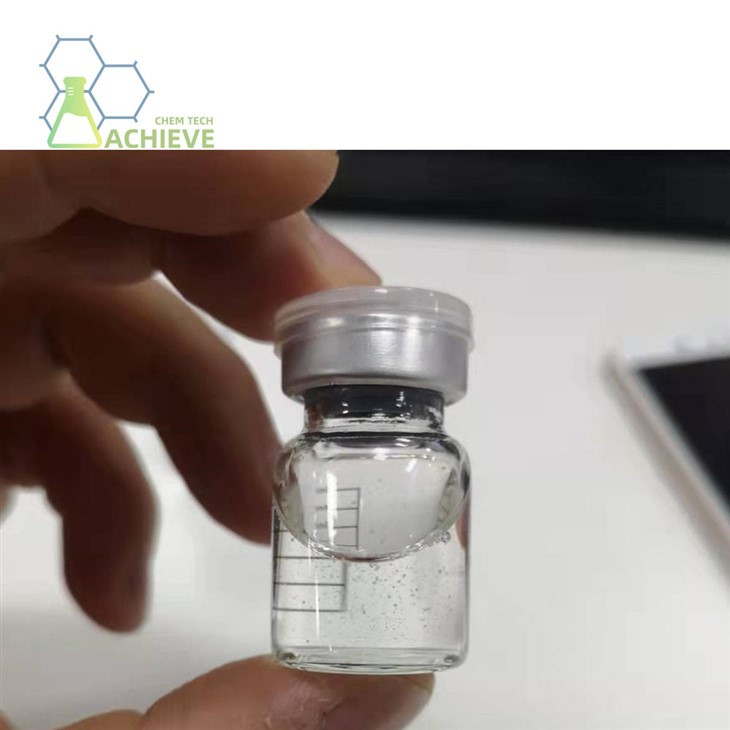
We provide GS-441524 injection, please refer to the following website for detailed specifications and product information.
Product: https://www.bloomtechz.com/oem-odm/injection/gs-441524-injection.html
There are many complicated biological processes that happen between getting a virus and being able to treat it. The GS-441524 injection is an example of a nucleotide analogue approach to antiviral treatment. It provides a tailored method that stops the replication of viruses without having a big impact on the function of host cells. Because it is selective, it is a good choice for use in animals, where minimising side effects while maximising treatment results is still very important.
How Does GS-441524 Injection Inhibit Viral RNA Polymerase Function?
The molecular structure of GS-441524 injection is very similar to natural nucleotides that viruses need to copy themselves. This is how it stops viruses from replicating. After being given, the compound is taken up by cells and goes through phosphorylation steps inside infected cells. Through these metabolic changes, the parent molecule is changed into its active triphosphate form, which lets it help the virus copy itself.

Cellular Activation and Metabolic Conversion
GS-441524 meets different kinase enzymes inside the cell, which add phosphate groups to the molecule one at a time. The nucleoside analogue changes into GS-441524 triphosphate through this phosphorylation cascade. This is the metabolically active species that stops the virus from replicating. The conversion process mostly happens in cells that are attacked by a virus. This is because the virus causes cellular reactions that accidentally turn on the antiviral compound. The active triphosphate form has structural traits that let it compete with natural adenosine triphosphate (ATP) for being added to virus RNA chains that are growing.
The viral RNA-dependent RNA polymerase can't tell the difference between the analogue and its natural substrate. This lets the fake nucleotide join the growing viral RNA strands.
Molecular Recognition by Viral Polymerase
During the replication process, viral RNA polymerase enzymes have binding pockets that normally hold natural nucleotides. The three-dimensional shape of GS-441524 triphosphate makes it very easy for it to bind to these sites. Once it is in the active site, the polymerase enzyme tries to add the analogue to the growing RNA chain. This makes it possible for replication to end.


The polymerase enzyme temporarily bonds with the analogue, setting it up to be incorporated by the enzyme as a catalyst. However, the small molecular changes between GS-441524 triphosphate and natural nucleotides make it hard for the next steps of elongation to work. Because of these changes, the polymerase can't do its job as a catalytic enzyme as well, so RNA synthesis stops or slows down.
Competitive Inhibition Dynamics
The GS-441524 injection will only work if it reaches high enough levels inside cells to beat out natural nucleotides.
Dosing plans used in clinical settings try to keep therapeutic levels that favour analogue incorporation over normal nucleotide usage. Because of this competition dynamic, treatment plans often need to be given at the same time every time so that antiviral pressure stays high during the infection.
Researchers have found that keeping plasma amounts at a healthy level is linked to better clinical results in animals that were treated. The compound's pharmacokinetic properties-such as how it is absorbed, distributed, and eliminated-affect dose plans that are meant to get the most medicinal benefit with the fewest possible side effects.


GS-441524 Injection and Enzymatic Replication Block Mechanism
The GS-441524 injection starts a replication block mechanism that attacks viral reproduction in many ways. The compound does more than just stop competition; it also builds structural barriers that make it impossible for the polymerase enzyme to make functional viral RNA. This wide-ranging inhibition makes sure that virus replication can't happen properly, even if some natural nucleotides are still available.

Chain Termination and Delayed Termination Effects
Virus polymerase adds GS-441524 triphosphate to an RNA chain that is growing. What happens next depends on where and how the addition happens. In some cases, inclusion ends the chain right away, which means that the polymerase can't add any more nucleotides. This sudden stoppage stops the finishing of full-length viral genomes, making defective viral particles that can't start new outbreaks.
Instead, the polymerase might be able to add a few more nucleotides after the analogue is added before running into problems that can't be solved. Even with this delayed termination effect, virus RNA molecules are still cut short and lack important genetic information.
The resulting incomplete genomes can't tell the production of functional viral proteins what to do, which stops the infection from spreading.
Conformational Changes in Polymerase Structure
GS-441524 can cause changes in the shape of the polymerase enzyme when it is present in the RNA strand. These changes to the structure of the enzyme make it less effective at catalysis and processivity, which makes it less able to quickly make long RNA molecules.


In cases where chain termination doesn't happen right away, the polymerase works much less efficiently, which slows virus replication enough for the host immune system to take control.
Crystallographic studies of related polymerase enzymes show that nucleotide analogues can cause small but important changes in the shape of enzymes. These changes could spread through the structure of the protein, affecting functional domains far away and lowering the overall performance of the enzyme.
Impact on Polymerase Fidelity
RNA polymerases can check for mistakes and keep replication accurate by default.
GS-441524 injection, on the other hand, can mess up these quality control systems. When the enzyme comes across the analogue in an RNA strand, its error-checking processes might get mixed up. This could cause more mistakes to be made during reproduction.
This buildup of errors leads to something called "error catastrophe," which happens when viral genomes get so many mutations that they can't make any healthy children. When chain termination and higher mistake rates work together, they have a strong mutual effect that quickly lowers the amount of viruses in animals that have been treated.


What Happens When RNA Polymerase Is Suppressed by GS-441524 Injection?
Stopping the activity of viral RNA polymerase starts a chain of effects that lasts for the whole life cycle of the virus. Knowing about these effects helps explain the clinical changes seen in animals that were given GS-441524 injection treatment. The immediate changes in polymerase function lead to bigger changes in the fitness and pathogenicity of viruses.

Reduction in Viral Genome Synthesis
Polymerase inhibition has the most direct effect of lowering the production of full viral genomes. Viruses can't make new spreading particles efficiently if they don't have enough functional RNA molecules. Cells that would normally make thousands of copies of the virus instead make mostly broken bits that lack the genetic information needed for more infections.
In humans, this lower level of genome synthesis shows up as lower viral loads in blood, tissues, and other parts of the body. Monitoring in the lab often shows that virus RNA levels are going down within days of starting treatment, which is concrete proof that the treatment is working.
The rate at which the viral load drops is related to the amount of drug exposure and how bad the infection was to begin with.
Disruption of Viral Protein Production
Viral genomes are used as guides to make viral proteins that are needed for particle assembly and infection of cells. When the GS-441524 injection stops the production of genomes, protein synthesis must also stop. It gets harder to find structural proteins that make viral capsids, envelope glycoproteins that help cells enter, and non-structural proteins that help replication.


This lack of protein stops the formation of virus particles that can do their job. Even if some intact genomes get past the blocking effects, they still can't be packaged into infectious virions because they don't have enough structural proteins. When genomic and protein components are not balanced, it leads to assembly errors that make the virus even less productive.
Cellular Stress Response Modulation
Cells often respond to viral infections with stress reactions that can make the sickness worse.
GS-441524 injection indirectly eases these stress situations by stopping the growth of viruses. Cells that are infected have lower metabolic demands and make fewer inflammatory mediators, which leads to more than just viral suppression in the clinic.
When cell function returns to normal, tissues can start the healing processes that were slowed down by the ongoing replication of viruses. This return to homeostasis is what makes it possible for clinical signs to get better before virus loads become invisible. This is because tissues get back to their normal physiological functions.

Viral Enzyme Activity Interference via GS-441524 Injection
GS-441524 injection makes interference patterns that are more complex than just substrate competition. The chemical changes different parts of how polymerase enzymes work, which makes it harder for viruses to copy themselves. These different interference mechanisms work together to make antivirals more effective.

Binding Kinetics and Residence Time
GS-441524 triphosphate has certain kinetic qualities that change how well it blocks polymerase when it binds to the active site. The binding affinity tells us how easily the molecule binds to natural nucleotides, and the residence time tells us how long the enzyme stays in one place. Longer dwell times mean that compounds have longer-lasting inhibitory effects, even when plasma concentrations change between doses. Studying binding rates helps make dosing plans that keep beneficial drug levels steady over the course of treatment more effective.
Figuring out how these molecules interact helps with making new formulations that are more bioavailable and have longer-lasting pharmacological effects.
Allosteric Effects on Enzyme Function
GS-441524 injection metabolites may have effects on polymerase function that go beyond direct competition for active sites. Protein conformational networks let binding at one spot change the activity of enzymes in faraway places. These indirect effects strengthen the main mechanism that stops the virus from spreading, making the antiviral more effective overall.


Allosteric modulation can change polymerase processivity, which is the enzyme's ability to make long RNA molecules without breaking away from the template. When processivity goes down, the enzyme has to start production all over again, which takes time and resources and makes mostly short, non-functional RNA pieces.
Resistance Barrier Considerations
The molecular mechanisms that GS-441524 injection uses make it very hard for resistance to grow.
When viruses change in ways that make it harder for analogues to join, they often make it harder for normal nucleotides to be recognised, which lowers the virus's fitness. This restriction limits the evolutionary paths that escape mutants can take, which helps treatments work better for longer periods of time.
In clinical settings, keeping an eye out for the development of resistance is still important, especially during long treatment plans. Surveillance methods that notice when therapeutic responses are decreasing allow treatment plans to be changed quickly, keeping antiviral pressure high throughout the infection course.

GS-441524 Injection and Replication Machinery Shutdown
The main purpose of the GS-441524 injection treatment is to stop viruses from replicating in any way possible. In addition to affecting individual polymerase molecules, the compound stops the virus from replicating across the whole system, which ends the infection for good. This multi-level interference makes sure that the antiviral effects are strong against a wide range of viral strains and infection situations.

Coordination with Host Antiviral Responses
GS-441524 injection stops viral polymerase directly, but it also lets the host immune system build a strong antiviral reaction at the same time. As virus replication slows down, immune cells have more chances to get rid of sick cells and build up immunological memory. This coordination between drug action and cellular defence systems improves the results of therapy.
During treatment, the virus load often goes down at the same time that the immune system recovers. As viral replication slows down, lab tests like lymphocyte counts and inflammatory markers usually return to normal.
This means that immune homeostasis has been restored. In addition to the short-term antiviral benefits, this immune system recovery helps the disease go away in the long run.
Prevention of Viral Dissemination
By stopping the replication machinery in infected cells, GS-441524 injection stops the virus from spreading to tissues that were not infected before. This control effect stops diseases from spreading and lowers the organism's total pathological load.


It protects organs that could get infected otherwise, so they can keep working normally. Some of the ways this control shows up in the body are by stopping the disease from getting worse and slowly getting better. When animals get treatment quickly, they often avoid the serious problems that come with spreading viruses. This is good for both the short- and long-term outlook.
Long-term Viral Suppression Strategies
Giving GS-441524 injections over a long period of time keeps the pressure on the machinery that copies viruses throughout treatment courses.
This long-lasting suppression stops viral rebound that could happen when therapy is interrupted. Treatment plans usually last for weeks to months, which ensures that all viruses are gone and lowers the risk of return.
How long therapy lasts depends on how bad the disease was to begin with, how much virus is in the body, and how well the patient responds. Regular tracking helps decide how long to treat someone, weighing the advantages of continuing therapy against real issues like how much it costs and how to run the treatment.


Conclusion
The molecular mechanisms that make GS-441524 injection work show a complex antiviral strategy that goes after viral RNA polymerase through several complementary pathways. This compound is very good at stopping viruses from replicating. It does this by competitively inhibiting the virus, ending the chain, and stopping all of its replication machinery. When doctors understand these processes, they can come up with the best ways to treat patients and make predictions about how well those treatments will work.
RNA polymerase inhibitors like GS-441524 injection have been used successfully in veterinary medicine. This shows how important it is to understand how medicines work in order to make better ones. As more study is done to figure out exactly how this substance interacts with the viruses it targets at the molecular level, chances open up for bettering treatment methods and expanding therapeutic uses. Antiviral strategies that are based on solid mechanistic principles are always changing, which means that treating difficult viral infections will keep getting better.
FAQ
Q: How quickly does the GS-441524 injection start to stop the virus RNA polymerase from working after it is given?
A: GS-441524 is taken up by cells and phosphorylated within hours of being given. Its antiviral activity can usually be measured within 24 to 48 hours. Before the chemical can compete with natural nucleotides at the polymerase active site, it needs to be metabolically activated to its triphosphate form. As viral loads drop and tissues start to heal from infection-related damage, patients often start to feel better within a few days.
Q: Can viruses become resistant to GS-441524 injection by changing the polymerase?
A: Resistance is still potentially possible, but the way GS-441524 works at the molecular level makes it very hard for resistance to form. Mutations that make it harder for analogues to bind usually make it harder for natural nucleotides to be recognised, which is very bad for the fitness of the virus. Based on clinical experience with similar substances, resistance development is not common and usually needs a long time of contact at lower than ideal drug concentrations. Using the right dosing protocols lowers the risk of resistance.
Q: What quality factors should businesses think about when they need to get GS-441524 injection for medical or study purposes?
A: Chemical purity (usually ≥98%), the lack of impurities or degradation products, accurate potency proof, and full analysis data are some of the most important quality factors. Suppliers should give you certificates of analysis that include HPLC chromatograms, mass spectrometry data, and information about how stable the product is. GMP certification makes sure that the manufacturing processes meet pharmaceutical standards, and regulatory documentation makes sure that the products are made in line with the rules for veterinary pharmaceutical uses.
Why Choose BLOOM TECH for Your GS-441524 Injection Supplier Needs?
Working with experienced makers to get pharmaceutical-grade antiviral compounds is the best way to make sure the quality of the product and that it meets all legal requirements. BLOOM TECH is a qualified GS-441524 injection supplier that has been making organic compounds and pharmaceutical intermediates for more than 12 years. Our 100,000-square-meter GMP-certified facilities meet the standards of the US, EU, Japan, and the CFDA. This means that we can promise the highest levels of purity and consistent batch quality that pharmaceutical businesses and study groups need.
We offer full technical support, thorough analytical documentation with HPLC and MS data, and competitive pricing structures that are made for long-term partnerships. Our full-refund promise and three-layer quality assurance system make sure that every package meets the terms of the contract. Our professional team offers a one-stop service with clear pricing and reliable supply chain management, whether you need small amounts for research or large amounts for production. Get in touch with our knowledgeable staff at Sales@bloomtechz.com to talk about your GS-441524 injection needs and find out how BLOOM TECH can help you reach your research or production goals in an honest and excellent way.
References
1. Murphy BG, Perron M, Murakami E, et al. The nucleoside analog GS-441524 strongly inhibits feline infectious peritonitis virus in tissue culture and experimental cat infection studies. Veterinary Microbiology. 2018;219:226-233.
2. Pedersen NC, Perron M, Bannasch M, et al. Efficacy and safety of the nucleoside analog GS-441524 for treatment of cats with naturally occurring feline infectious peritonitis. Journal of Feline Medicine and Surgery. 2019;21(4):271-281.
3. Warren TK, Jordan R, Lo MK, et al. Therapeutic efficacy of the small molecule GS-5734 against Ebola virus in rhesus monkeys. Nature. 2016;531(7594):381-385.
4. Siegel D, Hui HC, Doerffler E, et al. Discovery and synthesis of a phosphoramidate prodrug of a pyrrolo[2,1-f][triazin-4-amino] adenine C-nucleoside (GS-5734) for the treatment of Ebola and emerging viruses. Journal of Medicinal Chemistry. 2017;60(5):1648-1661.
5. Agostini ML, Andres EL, Sims AC, et al. Coronavirus susceptibility to the antiviral remdesivir is mediated by the viral polymerase and the proofreading exoribonuclease. mBio. 2018;9(2):e00221-18.
6. Gordon CJ, Tchesnokov EP, Woolner E, et al. Remdesivir is a direct-acting antiviral that inhibits RNA-dependent RNA polymerase from severe acute respiratory syndrome coronavirus 2 with high potency. Journal of Biological Chemistry. 2020;295(20):6785-6797.