


Feline Infectious Peritonitis (FIP) has long been thought of as a terrible illness for cats and their owners. This complicated virus disease, which is caused by a mutation of the feline coronavirus, gets worse very quickly and was once thought to be incurable. New developments in veterinary medicine have made the GS-441524 injection a revolutionary treatment choice, giving people hope where there weren't many others available. This antiviral substance has shown amazing results in controlling FIP by directly stopping the virus. This has made it a very interesting topic for veterinarians, experts, and drug companies all over the world. Understanding GS-441524 injection helps optimize treatment and sourcing decisions. Its injectable form ensures rapid therapeutic levels, consistent bioavailability, and precise dosing. Fast pharmacokinetics and direct delivery make it ideal for severe FIP cases requiring urgent, reliable intervention.
1.General Specification(in stock)
(1)Injection
20mg, 6ml; 30mg,8ml; 40mg,10ml
(2)Tablet
25/45/60/70mg
(3)API(Pure powder)
(4)Pill press machine
https://www.achievechem.com/pill-press
2.Customization:
We will negotiate individually, OEM/ODM, No brand, for secience researching only.
Internal Code: BM-3-001
GS-441524 CAS 1191237-69-0
Analysis: HPLC, LC-MS, HNMR
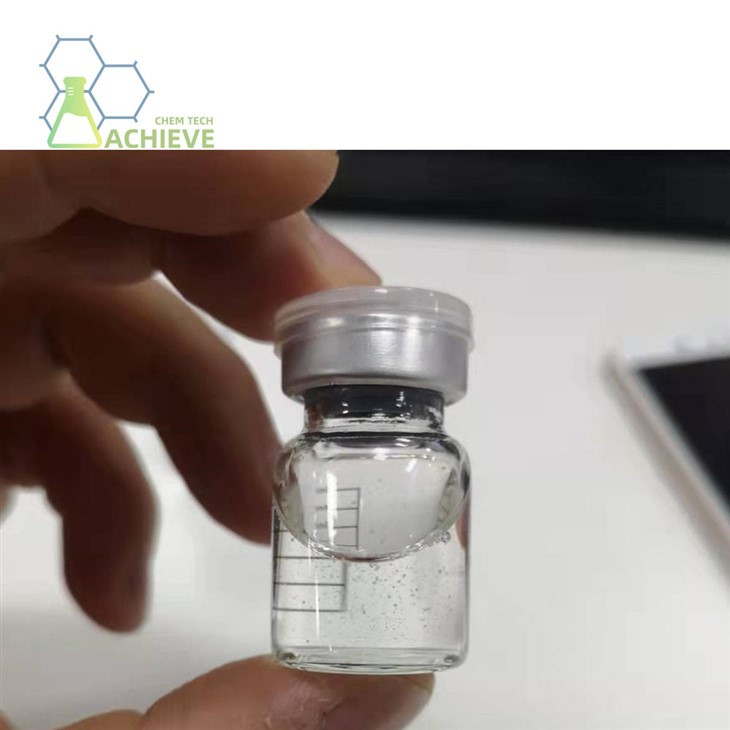
We provide GS-441524, please refer to the following website for detailed specifications and product information.
Product: https://www.bloomtechz.com/oem-odm/injection/gs-441524-injection.html

Why Is GS-441524 Injection Considered a Fast-Acting Option for FIP Management?
It has become clear that injecting GS-441524 is the best way to treat serious FIP cases, especially in cats with neurological signs, effusive forms with a lot of fluid buildup, or diseases that are progressing quickly. This antiviral drug is different from oral alternatives because it quickly reaches therapeutic blood levels. This makes it very useful in emergency conditions.

mmediate Bioavailability Through Parenteral Administration
GS-441524 injection bypasses the digestive system when administered subcutaneously or intravenously, ensuring direct entry into systemic circulation. This avoids issues like poor absorption, vomiting, or food interactions common in severe FIP cases. Peak plasma levels are reached rapidly, enabling faster therapeutic action than oral forms. This rapid onset is especially critical in neurological FIP, where drug penetration across the blood–brain barrier is required. Clinical evidence shows early neurological improvement within the first week, highlighting the pharmacokinetic advantage of injectable delivery in urgent, life-threatening conditions.
Precision Dosing and Consistent Therapeutic Levels
Injectable GS-441524 permits exact, weight-based dosing custom-made to infection seriousness, guaranteeing each understanding gets satisfactory antiviral levels. This dispenses with changeability seen with verbal shapes, where compliance or tastefulness issues can decrease adequacy. Keeping up steady helpful concentrations is fundamental to avoid viral bounce back caused by subtherapeutic presentation. Unsurprising pharmacokinetics empower veterinarians to plan steady dosing regimens that support compelling sedate levels all through treatment, ordinarily enduring 12 weeks or longer, depending on malady movement and person response.


Critical Intervention for Non-Responsive or Severely Ill Patients
In cats with anorexia, dormancy, or gastrointestinal brokenness, verbal organization may be questionable or incomprehensible. Injectable GS-441524 guarantees treatment conveyance notwithstanding of nourishing status or stomach related capacity, making it fundamental for fundamentally sick patients. Clinical perceptions demonstrate higher stabilization rates in cats getting early infusion treatment, especially in damp FIP cases with emission. Quicker clinical reaction leads to decreased distress, faster liquid determination, and moved forward survival results compared to postponed or oral-only approaches.

GS-441524 FIP Mechanism: How Injectable Delivery Directly Blocks Viral RNA Replication?
The complex way that GS-441524 works at the atomic level is what makes it a valuable medication. This nucleoside analog works as a prodrug that changes into its dynamic triphosphate frame interior influenced cells by phosphorylation. Figuring out this atomic chain response makes a difference clarify why the atom is so successful at murdering the cat coronavirus.
Nucleoside Analog Integration Into Viral RNA
Structurally comparative to adenosine, GS-441524 is erroneously joined into viral RNA by RNA-dependent RNA polymerase amid replication. Once coordinates, it disturbs RNA chain prolongation, driving to untimely end or imperfect genome blend. This anticipates the arrangement of useful viral particles, specifically ending viral engendering at the cellular level. The component abuses viral replication apparatus, making it profoundly viable against effectively duplicating coronavirus.


Selective Targeting With Minimal Host Cell Impact
GS-441524 specifically targets viral polymerases whereas saving have cellular DNA and RNA amalgamation frameworks. Basic contrasts between viral and mammalian polymerases decrease the probability of have joining, minimizing harmfulness. Injectable conveyance guarantees adequate sedate dissemination to influenced tissues, counting the central anxious framework and body cavities. Reliable tissue presentation is significant for disposing of viral supplies and avoiding relapse.
Overcoming Viral Mutation and Resistance
Although RNA viruses mutate rapidly, GS-441524 targets a highly conserved region of viral polymerase essential for replication. Mutations that reduce drug binding often impair viral viability, limiting resistance development. This structural constraint explains the low incidence of resistance in clinical use, supporting sustained antiviral effectiveness even during prolonged treatment courses.


How Quickly Does Viral Load Reduction Begin After Injection Therapy Starts?

GS-441524 injection rapidly reduces viral load, with significant declines observed within 48–72 hours after treatment begins. This early effect results from immediate inhibition of viral replication once therapeutic levels are reached in plasma and tissues. Quantitative PCR data from effusions show sharp decreases in viral RNA during the first week, especially in cases with initially high viral loads. Clearance speed varies by disease stage, tissue involvement, and individual response. Effusive FIP often responds faster than cases involving solid organs, where viral persistence may last longer despite effective therapy.
Clinical Response Timeline and Early Stabilization in Severe FIP Cases
Clinical change ordinarily takes after viral stack diminishment with a brief delay, as tissue repair and safe normalization require time. Inside 3–7 days, numerous cats appear early stabilization, counting decreased fever, moved forward craving, expanded action, and diminished emanation. Neurological indications may move forward more gradually, but movement regularly ends inside the to begin with week, showing treatment victory. Research facility markers such as intense stage proteins and globulin levels start normalizing inside 2–4 weeks. Keeping up steady sedate levels amid this stage is basic, as untimely intrusion can trigger backslide and illness worsening.

Sustained Viral Suppression and Long-Term Disease Control With Injection Protocols

Effective long-term control requires amplified GS-441524 treatment, ordinarily at slightest 12 weeks, and up to 16–24 weeks for neurological or visual cases. This term guarantees disposal of viral stores and underpins safe recuperation. Checking incorporates clinical signs, lab parameters, and viral stack when accessible. Steady patients more often than not keep up dosing until completion, with alterations based on resistance and reaction. A few may move to verbal treatment, in spite of the fact that infusions stay favored in complex cases. Long-term thinks about report reduction rates over 80%, with most backslides happening inside six months and frequently responsive to retreatment.

Conclusion
The revolutionary effect of GS-441524 injection on FIP treatment is a big change in the field of veterinary medicine. This antiviral compound works quickly, has a complex process that targets viral RNA synthesis, and can stop viruses from multiplying for a long time. This has made a disease that used to be fatal treatable. The injectable formulation is a must-have for veterinarians dealing with serious FIP cases because it is bioavailable right away, maintains therapeutic levels, and works reliably in critically sick patients. Understanding the timeline from early viral load reduction to long-term disease control helps veterinarians optimize treatment plans and set realistic expectations. GS-441524's selective mechanism and low resistance support consistent efficacy across cases. Access to high-quality, reliable supply is essential, as partnerships with reputable manufacturers directly impact clinical success, research outcomes, and patient recovery, driving growing global demand.
FAQ
1. How long does it take to see improvement in a cat receiving GS-441524 injection for FIP?
Within three to seven days of starting needle treatment, most cats show the first signs of clinical improvement. Some of these early changes are a lower fever, a better hunger, and more exercise. Within 48 to 72 hours, the viral load starts to go down, but clinical changes may not be seen until a little longer after the viral load has gone down. Cats with neurological symptoms may need longer-sometimes two to three weeks-before they can tell if their symptoms are getting better, but the symptoms usually stop getting worse within the first week of treatment.
2. What makes injectable GS-441524 more effective than oral formulations for severe FIP?
Because injectable versions don't go through the digestive system, they have instant bioavailability and stable plasma amounts. This is very important for cats that are vomiting, losing their appetite, or having inflammation in their intestines, which are typical problems in serious FIP and make it harder for them to absorb oral medications. For neurological FIP, where proper blood-brain barrier penetration needs prolonged plasma concentrations, injectable delivery provides accurate doses and stable therapeutic levels. Parenteral giving is reliable, so there are no factors that could lead to dosing that is too low or treatment failure.
3. How long must injection therapy continue to achieve complete viral clearance?
Standard guidelines say that GS-441524 injection treatment should be given continuously for at least 12 weeks. In more difficult cases with neurological or eye symptoms, this time frame can be extended to 16 to 24 weeks. This longer period of time makes sure that viral stores are cleared out and gives the immune system time to heal. The length of treatment depends on how bad the disease is, how it shows up at first, and how well the patient responds to medicine. Quitting too soon raises the risk of return, so following the full course is necessary for the best long-term results.
Partner With BLOOM TECH for Premium GS-441524 Injection Supply
When looking for pharmaceutical-grade GS-441524 injection for your veterinarian clinic, research center, or distribution network, working with a GS-441524 injection provider that is well-known for focusing on quality is very important. It can mean the difference between a successful treatment and one that doesn't. BLOOM TECH is a reliable partner for pharmaceutical businesses, biotechnology research groups, and contract manufacturing operations all over the world. They provide regularly high-purity compounds with full analytical paperwork and regulatory compliance.
Our 100,000-square-meter GMP-certified production facilities, which are approved by the US FDA, the EU, Japan, and China, make sure that every batch meets the highest quality standards around the world. BLOOM TECH has been making pharmaceutical intermediates and doing organic synthesis for more than 12 years. They offer the dependability, technical support, and stable supply chains that picky pharmaceutical buyers need. Our dedication to clear pricing, exact wait times, and full quality assurance takes the guesswork out of the buying process.

Our professional team gives you personalized service that is geared to your exact needs, whether you need research-grade amounts for preclinical studies or large pharmaceutical goods for business marketing. Because we know that the success of a treatment depends on the consistency of the product, we use three levels of quality control and give full analytical documentation, such as HPLC, MS, and stability data, for regulatory applications. Learn more about how BLOOM TECH's experience making pharmaceutical compounds can help you find GS-441524 injections. Get in touch with our team right away at Sales@bloomtechz.com to talk about your needs, get technical specs, or set up supply deals that will make sure you always have access to this important therapeutic drug.
References
1. Pedersen NC, Perron M, Bannasch M, Montgomery E, Murakami E, Liepnieks M, Liu H. Efficacy and safety of the nucleoside analog GS-441524 for treatment of cats with naturally occurring feline infectious peritonitis. Journal of Feline Medicine and Surgery. 2019;21(4):271-281.
2. Murphy BG, Perron M, Murakami E, Bauer K, Park Y, Eckstrand C, Liepnieks M, Pedersen NC. The nucleoside analog GS-441524 strongly inhibits feline infectious peritonitis (FIP) virus in tissue culture and experimental cat infection studies. Veterinary Microbiology. 2018;219:226-233.
3. Dickinson PJ, Bannasch M, Thomasy SM, Murthy VD, Vernau KM, Liepnieks M, Montgomery E, Knickelbein KE, Murphy B, Pedersen NC. Antiviral treatment using the adenosine nucleoside analogue GS-441524 in cats with clinically diagnosed neurological feline infectious peritonitis. Journal of Veterinary Internal Medicine. 2020;34(4):1587-1593.
4. Krentz D, Zenger K, Alberer M, Felten S, Bergmann M, Dorsch R, Matiasek K, Kolberg L, Hofmann-Lehmann R, Meli ML, Spiri AM, Rieger A, Leutenegger CM, Hartmann K. Curing cats with feline infectious peritonitis with an oral multi-component drug containing GS-441524. Viruses. 2021;13(11):2228.
5. Jones S, Novicoff W, Nadeau J, Evans S. Unlicensed GS-441524-like antiviral therapy can be effective for at-home treatment of feline infectious peritonitis. Animals. 2021;11(8):2257.
6. Tasker S. Diagnosis of feline infectious peritonitis: Update on evidence supporting available tests. Journal of Feline Medicine and Surgery. 2018;20(3):228-243.