


Cats with FIP, or Feline Infectious Peritonitis, have one of the hardest times getting better. People have known this for a long time. When their cats act up in strange ways, cat owners often feel lost and uncertain. It can be less scary and easier to deal with a diagnosis if you know what to look for, how to treat them, and what to expect during your recovery. Veterinarians and pet owners changed how they treated a disease that used to be fatal when they found the GS-441524 fip treatment. People had real hope when they didn't have much before. In order to spot the first signs of FIP, you need to know about both the wet and dry types. When it comes to cats, symptoms can get worse quickly or slowly. They might not be too bad at first.
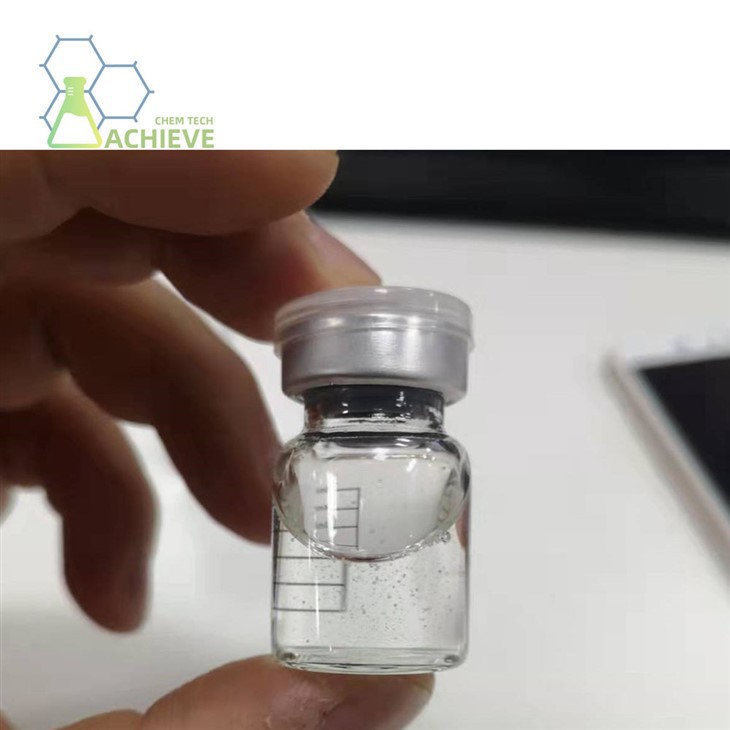
GS-441524 Fip
1.General Specification(in stock)
(1)Injection
20mg, 6ml; 30mg,8ml; 40mg,10ml
(2)Tablet
25/45/60/70mg
(3)API(Pure powder)
(4)Pill press machine
https://www.achievechem.com/pill-press
2.Customization:
We will negotiate individually, OEM/ODM, No brand, for secience researching only.
Internal Code: BM-1-001
GS-441524 CAS 1191237-69-0
Main market: USA, Australia, Brazil, Japan, Germany, Indonesia, UK, New Zealand , Canada etc.
Analysis: HPLC, LC-MS, HNMR
Technology support: R&D Dept.-4
We provide GS-441524 Fip, please refer to the following website for detailed specifications and product information.
Product:https://www.bloomtechz.com/synthetic-chemical/api-researching-only/gs-441524-fip.html

What Are the Earliest Clinical Signs of FIP in Cats?
It is very helpful for treatment to find FIP symptoms early on. Many cat owners don't notice the first signs of trouble because they look like everyday illnesses or aren't too bad. There are two main types of this sickness: wet (effusive) and dry (non-effusive). Each one has its own set of signs.
Wet FIP: Fluid Accumulation and Associated Symptoms
In the early stage of wet FIP, fluid buildup in the abdomen or chest is one of the most noticeable signs. Cats may develop a swollen belly, labored breathing, or reduced activity due to internal pressure. Fever that does not respond to antibiotics, loss of appetite, and weight loss are also common. These symptoms often progress quickly, making early recognition critical for timely GS-441524 FIP treatment.
Dry FIP: Inflammatory Lesions and Systemic Effects
At to begin with, it's harder to discover since the dry frame develops more gradually. There are incendiary knobs in the eyes, brain, kidneys, and liver, among other places. Neurological signs may appear up if the brain is harmed. These may be tilting of the head, seizures, or changes in behavior. If the iris changes color or the understudies aren't circular, you can see changes. The eye may too be cloudy. It's a exceptionally terrible sign when you have a low-grade fever that won't go absent indeed after taking anti-microbials. Since the infection is getting more regrettable and organs are halting to work, weight misfortune is slow.
Common Early Indicators Across Both Forms
Early signs of FIP in cats incorporate determined fever (103–106°F), laziness, diminished action, and craving misfortune. These side effects reflect resistant brokenness and systemic irritation influencing digestion system. Youthful cats between six months and two a long time are more vulnerable, in spite of the fact that any age can be influenced. Unpleasant circumstances, such as movement or shield selection, can trigger transformation of cat coronavirus into FIP. Multi-cat situations assist increment chance. Recognizing these early markers is basic, as convenient veterinary intercession altogether progresses results and anticipates malady progression.
GS-441524 FIP Mechanism: How It Targets Viral Replication and Disease Progression?
When you know how the GS-441524 fip treatment works, you can be sure it will help people. These nucleoside analogs are a big step forward in the fight against viruses. When it comes to RNA viruses, like the coronavirus that causes FIP, it works really well.

Reduction of Viral Load and Inflammatory Response
GS-441524 regulates the immune system by reducing viral replication and burden. Overreactive immune responses, not viral damage, underlie FIP symptoms. As virus levels drop, immunological overactivation decreases, lowering inflammation and tissue damage. Healing begins when harmful immune cells and antibodies decrease. Clinical improvement follows this decline, although full recovery takes time. Virus suppression must be maintained to avoid relapse and stabilize long-term.
Selective Targeting and Minimal Host Cell Impact
Instead of host cell enzymes, GS-441524 targets viral RNA polymerases. Due to their structure, viral polymerases may incorporate drugs more easily than human enzymes. Selectivity reduces harm to healthy cells while preserving significant antiviral action. Thus, the medication reaches therapeutic tissue concentrations without excessive toxicity. To treat cats for weeks or months as they recover from inflammation and tissue damage, effectiveness and safety must be balanced.


Molecular Interference With Viral Replication
GS-441524 works by imitating adenosine, a key RNA component. Viral RNA polymerase mistakenly incorporates it into the growing RNA chain. However, due to its altered structure, RNA synthesis cannot continue, causing premature termination. This prevents formation of complete viral genomes, blocking production of infectious particles. Without functional RNA, the virus cannot generate proteins necessary for survival and replication. This targeted disruption effectively halts viral proliferation at a molecular level, making GS-441524 highly effective against RNA viruses like FIP coronavirus.

How Quickly Does Symptom Improvement Begin After Starting Treatment?
After starting treatment for Feline Infectious Peritonitis, most cats show improvement within the first week, though response varies by severity and type. Cats with wet FIP often gain energy and reduce fever within three to seven days.
Fluid buildup resolves more slowly, typically over two to three weeks. In dry FIP, eye inflammation may improve within two weeks, while neurological recovery can take up to six weeks. Laboratory markers such as globulin and albumin ratios begin normalizing within two to four weeks, often before visible clinical improvement appears.For many people, these kinds of biochemical changes happen before their symptoms get better. This shows that the medicine is helping, even if your symptoms don't go away.

Stage-by-Stage Recovery Timeline From Initial Response to Stabilization
Getting better takes time and goes through different stages. Each stage has its own goals and things that should be done. When owners know about this progression, it helps them deal with the tough feelings that come with long-term treatment.

Acute Stabilization Phase (Weeks 1-4)
The main goals of the first month are to get rid of the worst symptoms and keep the disease from getting worse. Cats usually get their hunger back in the first two weeks and can eat normally again. Cats start to want to play and hang out with other cats as time goes on. Most people no longer have fevers after three weeks. There is already fluid in wet FIP, and it drains away over time. However, it doesn't come back up. Don't change your doses during this time; it's very important not to let the virus come back.
Consolidation Phase (Weeks 5-12)
During the second and third months, the body fixes damage that has been done over time and bugs are kept away. It's easy to tell that someone has gained weight once their metabolism gets back to normal and they eat normally again. There will be less and less inflammatory markers until they are back to normal. Over time, tests show that your cat's liver or kidneys will get better if it has them. There is almost as much exercise as there used to be, but some cats are still not as strong as they used to be. During this phase, the animal is being watched by the vets to see if there are any problems or if the animal is not responding to the treatment. If there are, the dose needs to be changed.


Maintenance and Monitoring Phase (Weeks 13+)
If you get treatment for more than three months, the virus will be gone for good and won't come back. It should be done for at least 12 weeks, but some vets may do it for 16 or even 20 weeks if the animal does really well. For now, people who own cats may wonder if they really need to keep treating their cats since they seem and act fine. If treatment is stopped too soon, there is a much higher chance of relapse because the virus may still be in the tissues after the person has felt better.

Long-Term Health Monitoring and Stability After FIP Treatment Completion
There will still be vet work to do after the treatment plan is over. Careful follow-up after treatment can help find any relapses early, when they are still easy to handle.
Immediate Post-Treatment Surveillance (Months 1-3)
The three months after the end of GS-441524 fip therapy are the most likely times to have another attack. Vets check on the animal once a month to make sure it is healthy and look for any new signs. Fluid levels, signs of inflammation, and the health of your organs are all checked when you get blood work. Value changes that were not normal before need to be looked at right away. Be aware of your pet's energy level, hunger, and body temperature when you're not with them. Tell your vet right away if you see any changes that don't seem right.


Extended Follow-Up Period (Months 4-12)
You should still be careful after the first three months, even though the chance of relapsing drops a lot. It's possible that you'll take your pet to the vet more often during this phase, every two to three months. Make sure there are no hidden symptoms by checking your whole body. Once or twice a year, blood work should be done on a cat that has been healed to find new low points. You can be sure that a cat is no longer sick if it stays healthy for six months after treatment. But in the future, knowing a cat's history of FIP should help plan how to care for it.
Quality of Life Considerations and Prognosis
If you treat FIP in cats, you should be able to enjoy good health for a long time. People who started treatment before organ damage that can't be fixed rarely have body issues. This cat's breed and age should make it last about this long. The cats that have major issues with their eyes or brains may always have these problems, though. Things stay the same; they don't get worse. It doesn't take long for cats to forget that they're sick because their minds are very strong. They also quickly get used to treatment plans.

Conclusion
The FIP world has changed a lot since the GS-441524 fip treatment was found. It has changed a diagnosis that used to mean death into one that can be treated and has a good chance of living. To be sure of success, it's best to notice clinical signs early, start treatment quickly, and follow all treatment plans to the letter. They take months to heal, not weeks, so people who own them need to be patient and dedicated. Following people in treatment helps make sure they don't slip back into old habits and remain stable over time. Many people believe that GS-441524 can help treat illnesses because they know that it stops viruses from spreading. With the step-by-step plan, pet owners can see that their animal is getting better and know what to expect. Most of the time, cats can't get sick again after treatment, so the time and money were well spent. To make protocols better, we need to do more research and have more clinical experience. This might make it easier for people to get treatment and cut down on the time it takes. When vets and cat owners deal with FIP, they have more power when they know more. It's up to them to make choices, keep their hope alive during treatment, and celebrate the amazing gains made possible by modern chemotherapy.
FAQ
1. How long does a typical GS-441524 FIP treatment course last?
Everyone who needs treatment knows that GS-441524 therapy needs to be done every day for at least 12 weeks. But some vets treat the animal for 16–20 weeks, depending on how bad the disease is and how well it responds. Cats often take longer to get better when they have problems with their eyes or nerves. There is a very high chance of relapse if you stop taking the drug too soon, so you must follow the full protocol for remission to last.
2. Can cats with advanced FIP still respond to GS-441524 treatment?
Treatment can still help cats who are very sick, but it works less well the more organ damage there is. Things go a lot better if you start treatment right away; more than 80% of cats who are treated before they get really sick live. It's possible for cats with really bad symptoms to get better. They might not get better as quickly, and they might have problems that will never go away. One of the best ways to figure out what to do for your pet and whether treatment is possible is to talk to an experienced vet.
3. What factors influence the likelihood of FIP relapse after treatment completion?
How often you take your medicine, how long you've been on treatment, and how bad your disease was when you were first diagnosed all affect your chance of relapsing. You're more likely to treat your cat again if you do it faster (in less than 12 weeks). The virus can stay alive if the dose isn't always the same during treatment. This makes it more likely that the person will get sick again. A virus is likely to be more aggressive when it makes you very sick and needs stronger medicines or longer treatment. People who stop going to therapy should be watched for three months afterward, since that's when most people go back to using drugs or alcohol. The disease is probably gone for good if the cat stays healthy for six months after treatment.

Partner With BLOOM TECH: Your Trusted GS-441524 FIP Supplier for Research and Development
Work together with Bloom Tech, the GS-441524 fip provider you can trust for research and creation. The company BLOOM TECH is a qualified supplier that has worked in organic synthesis and pharmaceutical intermediates for more than 12 years. The factories we use are GMP-certified, which means that the US, the EU, Japan, and the CFDA have all given their approval. The purity level must be at least 98% for this to be pharmaceutical-grade. A lot of analytical data, such as data from HPLC and MS, supports this. Around the world, pharmaceutical companies, biotechnology research groups, CDMOs, and specialized labs depend on us for a steady supply of bulk goods, consistent batches, and full support with regulatory compliance. No matter what you need help with, our professional team can do it. Pricing is always clear, packaging is always flexible, and we offer technical support at all times. We'll give you all of your money back if you buy something from us and it doesn't work for you. This is always true, whether you need materials for research purposes to do experiments or to make things on a large scale for your business. Email Sales@bloomtechz.com right away to talk to our experts about your requirements. There is a good international company that wants to improve veterinary medicine that you will work for.
References
1. Pedersen NC, et al. "Efficacy of GS-441524 for Treatment of Cats with Naturally Occurring Feline Infectious Peritonitis." Journal of Feline Medicine and Surgery, 2019.
2. Murphy BG, et al. "The Nucleoside Analog GS-441524 Strongly Inhibits Feline Infectious Peritonitis Virus in Tissue Culture and Experimental Cat Infection Studies." Veterinary Microbiology, 2018.
3. Dickinson PJ, et al. "Antiviral Treatment Using the Adenosine Nucleoside Analogue GS-441524 in Cats with Clinically Diagnosed Neurological Feline Infectious Peritonitis." Journal of Veterinary Internal Medicine, 2020.
4. Addie DD, et al. "Feline Infectious Peritonitis: European Advisory Board on Cat Diseases Guidelines." Viruses, 2021.
5. Jones S, et al. "Long-term Survival and Quality of Life Outcomes in Cats Treated for Feline Infectious Peritonitis with GS-441524." Veterinary Sciences, 2022.
6. Tasker S. "Diagnosis and Management of Feline Infectious Peritonitis: Current Perspectives and Emerging Therapies." Veterinary Record, 2020.