


Pet owners struggle emotionally with a lovable cat with FIP in its eyes. Many think the eyes are soul portals. However, inflammation, haemorrhage, and eye structural changes may impair vision. Ocular FIP, one of the most painful and lethal types of FIP, affecting 30–40% of neurological dry FIP cats. The gs-4441524 injection has transformed treatment, giving patients hope. In ocular FIP, anterior uveitis has watery flare, keratic precipitates, hypopyon, hyphema, and anterior chamber fibrin clots. Rear-eyed cats may acquire chorioretinitis, retinal detachment, or optic neuritis. These symptoms may accompany widespread FIP or be primary. This complicated treatment needs doctors and cat owners to understand how the gs-4441524 injection treats eye diseases. The manual details utilising this antiviral nucleoside analogue for ocular FIP. Cat owners and veterinarians may use this information for treatment expectations.
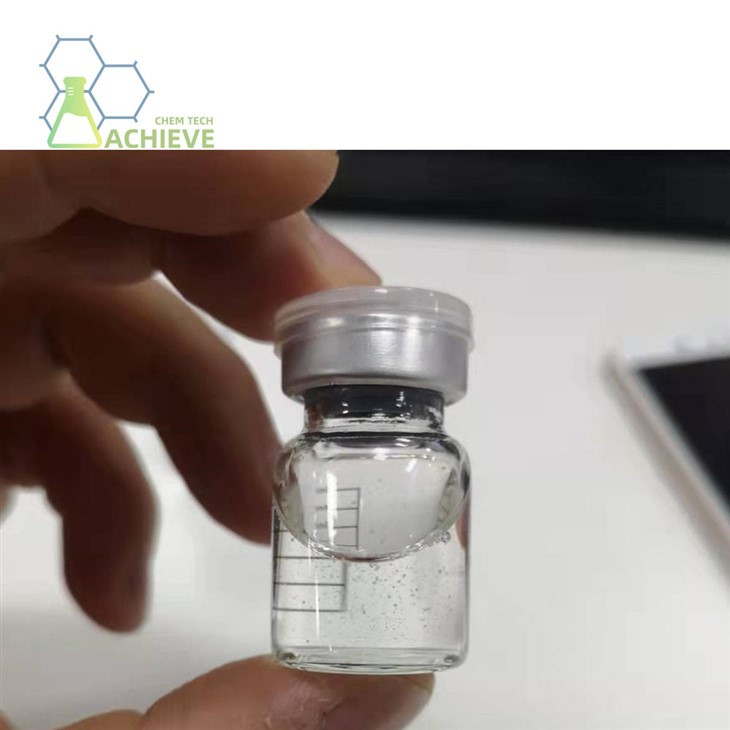
GS-441524 Injection
1.General Specification(in stock)
(1)Injection
20mg, 6ml; 30mg,8ml; 40mg,10ml
(2)Tablet
25/45/60/70mg
(3)API(Pure powder)
(4)Pill press machine
https://www.achievechem.com/pill-press
2.Customization:
We will negotiate individually, OEM/ODM, No brand, for secience researching only.
Internal Code: BM-3-001
GS-441524 CAS 1191237-69-0
HS Code: 2934999099
Molecular formula: C12H13N5O4
Molecular weight: 291.26
EINECS: 200-001-8
MDL No .: MFCD32666994
We provide gs-441524 injection, please refer to the following website for detailed specifications and product information.
Product:https://www.bloomtechz.com/oem-odm/injection/gs-441524-injection.html

How gs-4441524 Injection Helps Control Ocular FIP Progression?
GS-4441524 injection works to treat eye FIP by starting at the molecular level. The substance goes all over the body after being injected under the skin. It even gets to inflamed eye cells by crossing the blood-ocular barrier. Inside infected cells, gs-4441524 injection is phosphorylated to become its active triphosphate form. This then blocks the viral RNA-dependent RNA polymerase (RdRp) as a ribonucleotide analog.This enzyme is part of the virus that causes FIP in cats called the feline coronavirus.
By joining the forming viral RNA chain, the active metabolite stops the chain from terminating early, which stops viral replication. This process is especially important in eye tissues, where the changed feline coronavirus sets up a long-lasting infection in macrophages and monocytes that move into the uveal tube and retina.
Penetration and Distribution in Ocular Tissues
A major advantage of gs-4441524 injection is its ability to achieve therapeutic concentrations within ocular tissues. Clinical observations show that ocular inflammation often begins improving within weeks of treatment. Signs such as redness, hypopyon, and aqueous flare frequently decrease within 7–14 days. Despite the selective nature of ocular barriers, the compound reaches aqueous humor effectively. Its physicochemical properties support penetration into inflamed tissues, allowing suppression of viral populations that persist within immune-privileged ocular structures.


Dose Considerations for Ocular Manifestations
Ocular FIP generally requires higher doses of gs-4441524 injection than uncomplicated forms of the disease. Recommended doses often range from 6–8 mg/kg daily compared with 4–5 mg/kg for standard FIP cases. Higher exposure is necessary because ocular tissues are protected sites where viral clearance is more difficult. Clinical reports suggest that inadequate initial dosing is associated with incomplete lesion resolution and relapse. Extended treatment durations beyond 12 weeks are frequently recommended to achieve complete viral suppression.
Viral Suppression Strategies in Ocular FIP Management
To effectively treat ocular FIP, you need a plan that includes both direct antiviral treatment and supporting steps that deal with the inflammatory cascade. To effectively stop the virus, gs-4441524 injection at the right doses are used as the main treatment, but full care includes more than just antiviral medicine.In the first part of treatment, the goal is to quickly stop the virus from replicating so that more tissue damage doesn't happen.
During the first two weeks, vets closely watch cats to see how well the treatment is working by looking at the inflammation in the eyes, measuring acute phase proteins, and checking the body's overall health. Less inflammation in the anterior chamber, less discharge from the eyes, a better appetite, and more exercise levels are all signs of successful viral control.
Monitoring Viral Load Response
Although direct viral load testing in ocular fluids remains largely a research tool, indirect markers provide valuable guidance. Alpha-1-acid glycoprotein (AGP) levels are commonly monitored because they reflect systemic inflammation associated with ongoing viral activity. Persistent elevation or failure to decline may suggest inadequate treatment response. While RT-PCR testing of aqueous humor can detect viral RNA, its invasive nature limits routine use. Clinical ophthalmic improvement remains the most practical indicator of treatment success.


Adjusting Treatment Protocols Based on Response
Treatment protocols may require modification when response is incomplete. Adjustments can include dose increases, extended treatment duration, or addressing factors affecting drug exposure. Cats with severe ocular disease often require 16–20 weeks of therapy. Because gs-4441524 injection dosing is weight-based, recalculations are necessary as cats gain weight during recovery. This flexibility allows precise therapeutic management and helps maintain adequate drug levels throughout treatment, contributing to improved outcomes and reduced relapse risk.

Can gs-4441524 Injection Improve Vision-Related FIP Symptoms?
GS-4441524 injection can significantly improve vision-related symptoms by reducing inflammation and halting disease progression. The extent of recovery depends on the severity and duration of ocular damage before treatment. Conditions such as anterior uveitis, aqueous flare, and retinal swelling often improve substantially, restoring useful vision in many cats. However, permanent structural damage may limit full recovery. The drug effectively controls active disease but cannot reverse irreversible changes already present within ocular tissues.
Factors Influencing Visual Outcomes
Visual outcomes depend heavily on how quickly treatment begins after symptoms appear. Cats treated soon after the onset of ocular signs generally experience better recovery. Mild to moderate inflammation often resolves completely, whereas severe inflammation may leave permanent complications such as posterior synechia, iris bombé, or lens damage. Individual factors including immune response, viral burden, and genetic influences may also affect recovery speed and treatment success, highlighting the need for individualized monitoring.


Realistic Expectations for Vision Recovery
Setting realistic expectations is important for owners managing ocular FIP. Early treatment offers the best chance of restoring normal vision, while many mild cases recover functional eyesight. In more severe situations, only partial recovery may occur due to permanent structural injury. Some cats may remain blind despite successful viral control. Nevertheless, treatment remains valuable because it preserves life and quality of life, and many blind cats adapt remarkably well to their environments.
Immune and Inflammatory Balance During gs-4441524 Injection Therapy
FIP involves both viral replication and harmful immune-mediated inflammation. GS-4441524 injection addresses the underlying infection, allowing inflammatory processes to gradually resolve. As viral antigen levels decline, immune complex formation, complement activation, and inflammatory tissue damage decrease. Because these changes occur gradually, clinical improvement often lags behind viral suppression. Understanding this relationship helps explain why successful treatment may require weeks before significant clinical recovery becomes fully apparent.
Role of Adjunctive Anti-Inflammatory Therapy played?
The use of anti-inflammatory therapy alongside gs-4441524 injection remains debated among veterinarians. Many specialists support topical corticosteroids for severe anterior uveitis because they reduce inflammation and help prevent complications. However, systemic corticosteroids are generally used cautiously because they may interfere with immune-mediated viral clearance. Non-steroidal anti-inflammatory medications may provide additional support. Topical atropine is commonly recommended to relieve pain, maintain pupil dilation, and reduce the risk of posterior synechia formation.


Monitoring Immune Recovery During Treatment
Laboratory markers provide important information about immune recovery during gs-4441524 injection therapy. Lymphocyte counts often normalize as disease control improves. The albumin-to-globulin ratio, commonly reduced during active FIP, gradually returns toward normal as inflammation resolves and protein balance improves. These trends support clinical observations and help determine appropriate treatment duration. Persistent abnormalities may indicate the need for extended therapy, reinforcing the importance of continued monitoring throughout recovery.
Managing Rebound Inflammation After Treatment Cessation
Some cats develop temporary inflammation after completing gs-4441524 injection therapy without experiencing true viral relapse. This response is believed to reflect continued immune processing of viral debris and damaged tissues. Such inflammation often responds to anti-inflammatory treatment and resolves without restarting antiviral therapy. Careful monitoring remains essential to distinguish immune-mediated reactions from genuine disease recurrence, ensuring that appropriate treatment decisions are made during the recovery period.


Long-Term Recovery Monitoring in Cats With Ocular FIP Receiving gs-4441524 Injection

The treatment process doesn't end when the first gs-4441524 injection procedure is done. Long-term tracking is very important for making sure that remission lasts, finding possible relapses early, and taking care of any side effects from the illness or treatment. Comprehensive care after treatment is based on structured follow-up practices.Initial post-treatment tracking usually includes a veterinary exam every two weeks for the first month after treatment ends. After that, exams are done once a month for a few months, and then every three months as trust in long-term remission grows. A complete eye test is part of these checks to see if the uveitis comes back or if other problems like glaucoma or cataracts start to show up.
Laboratory Monitoring Protocols
Serial testing in the lab gives factual information that goes along with clinical evaluation. When treatment is over, measuring AGP levels sets a standard that can be used for comparison during follow-up. AGP levels that rise after treatment may be a sign of return before clinical signs show up, which lets help start sooner. Full blood counts and serum chemistry tests check for other health problems and make sure that readings that were normalized during treatment stay that way.


Some veterinary experts say that blood samples should be tested with RT-PCR after treatment, but it takes a lot of knowledge to figure out what the results mean. Finding low levels of viral RNA doesn't always mean that the disease is ongoing or that it will come back, because residual viral genetic material may stay around even if it doesn't reflect a replication-competent virus. Clinical association is still very important for figuring out what any good results mean.
Recognizing and Managing Relapse
About 5–10% of cats who finish normal treatment plans will relapse. This number is higher for cats with neurological or eye problems, those who were treated at lower doses, or those whose treatment courses were cut short.
Early signs of rebound may include feeling tired or hungry again, getting a fever, or having redness return to eyes that were previously affected.Most relapses can be treated successfully by recognizing them right away and starting gs-4441524 injection treatment again, usually at higher doses and for longer periods of time. Cats that are relapsing often need 16–20 week retreatment rounds to stay in remission. The fact that relapse is so depressing for owners makes it even more important to finish full original treatment courses at the right doses to lower this risk.


Long-Term Ocular Complications and Management
Even when FIP treatment works, some cats still have long-term eye problems that need to be managed on a regular basis. Changes that happen over time because of serious anterior uveitis can include posterior synechia, iris bombé, pigment dispersion, or opacification of the lens capsule. These changes in the structure of the eye can make someone more likely to get secondary glaucoma.
If this happens, the intraocular pressure will need to be checked every day for the rest of their life, and if it rises, medical or surgery treatment may be needed.Another long-term problem that could happen is cataract formation, which could be caused by the inflammatory disease itself or by using topical corticosteroids for a long time during treatment.Cats with cataracts may have trouble seeing, but many of them can handle losing their sight over time. If both eyes are seriously affected, treatment may be an option for some cats.


Conclusion
The gs-4441524 injection has changed the outlook for cats with eye FIP. It has turned a disease that always killed the cats into a treatable condition that gives them a real chance of keeping their sight and living a long time. Treatment success relies on many things, such as early diagnosis, the right dose at higher levels for eye involvement, the right length of treatment, and close tracking during and after therapy.
Not all cats get their vision back completely, but most that are treated quickly and according to the right steps are able to stay alive and have a good quality of life. When given the chance to beat this terrible disease, cats do amazingly well, even those who will always have trouble seeing. This shows how strong cats are.
Our understanding of eye FIP keeps getting better as we learn more about the best ways to treat it, how the virus stays active, and how to stop it from happening again. As we learn more, the results will probably keep getting better, giving cats and their loving owners even more hope as they deal with this difficult news.
The fact that effective antiviral treatment is now available is a big deal for vets and cat owners who have to deal with eye FIP. They need to be committed, have money, and be able to handle their feelings, but seeing a loved one survive and get better makes the travel useful.
FAQ
1. Q: How quickly do ocular symptoms improve after starting gs-4441524 injection treatment?
A: Most cats start to feel better within 7 to 14 days of starting the right treatment. There is less redness in the anterior chamber, less fluid from the eyes, and more comfort. Usually, continued treatment for 4 to 8 weeks is needed for inflammatory symptoms to go away completely, but this depends on how bad they were when they were first noticed. Cats with weak to moderate anterior uveitis usually get better faster than cats with serious inflammation or involvement of the posterior segment. It's still important to be patient, because the increase in vision may not happen until the inflammation goes down and the structure heals.
2. Q: Does every cat with ocular FIP need the higher 6-8 mg/kg dose of gs-4441524 injection?
A: Veterinarians highly advise giving 6–8 mg/kg of medication every day to all cats with proven ocular involvement, no matter how bad the symptoms seem. The eyes have a weak immune system, so getting rid of viruses there is harder. It takes higher drug amounts to reach therapeutic levels in the eye tissues. Starting at lower doses risks incomplete viral suppression, potentially allowing progression of eye damage and increasing relapse likelihood. Higher dosing is worth the small extra cost because it leads to much better results and lower total treatment failure rates.
3. Q: Can cats relapse specifically in the eyes after completing treatment for ocular FIP?
A: Ocular relapse is a known problem, especially in cats that were given lower-than-recommended amounts or shorter treatment sessions. About 10 to 15 percent of cats who have ocular involvement have some kind of return. This can happen in the form of uveitis coming back in eyes that were already affected or involvement of a new eye. This risk is greatly lowered by following the treatment plan for the full suggested time, which is at least 12 weeks at the right amounts. It is usually possible to stop a relapse with more intensive treatment during a retreatment, but protection through good original therapy is still the best option.

Why Choose BLOOM TECH as Your gs-4441524 Injection Supplier
When treating valuable cats with ocular FIP, the treatment results are directly affected by how well and how often the gs-4441524 injection is given. You can trust BLOOM TECH as your gs-4441524 injection provider. They make pharmaceutical-grade chemicals in GMP-certified facilities that meet FDA, EU, PMDA, and CFDA standards. Our dedication to quality includes three levels of analysis: testing in the factory, review by our QA/QC department, and confirmation by approved third-party agencies. This makes sure that every batch meets the highest purity standards needed to treat this dangerous condition.With more than 12 years of experience in organic synthesis and pharmaceutical intermediates, BLOOM TECH offers reasonable prices, clear profit margins, a stable supply chain, and full technical support to meet the needs of animal pharmaceutical uses all over the world. For all of your clinical or study needs, our skilled team can help you with thorough analytical data, proof of batch consistency, and legal advice.BLOOM TECH gives your business the quality control, legal compliance, and customer support it needs, whether you're a biotechnology research organization, compounding pharmacy, distribution network, or animal pharmaceutical company. Get in touch with our team right away at Sales@bloomtechz.com to talk about your needs and find out how our knowledge can help you in your quest to improve the health of cats.
References
1. Pedersen NC, Perron M, Bannasch M, Montgomery E, Murakami E, Liepnieks M, Liu H. Efficacy and safety of the nucleoside analog gs-4441524 for treatment of cats with naturally occurring feline infectious peritonitis. Journal of Feline Medicine and Surgery. 2019;21(4):271-281.
2. Dickinson PJ, Bannasch M, Thomasy SM, Murthy VD, Vernau KM, Liepnieks M, Montgomery E, Knickelbein KE, Murphy B, Pedersen NC. Antiviral treatment using the adenosine nucleoside analogue gs-4441524 in cats with clinically diagnosed neurological feline infectious peritonitis. Journal of Veterinary Internal Medicine. 2020;34(4):1587-1593.
3. Murphy BG, Perron M, Murakami E, Bauer K, Park Y, Pandey K, Kato D, Pedersen NC. The nucleoside analog gs-4441524 strongly inhibits feline infectious peritonitis virus in tissue culture and experimental cat infection studies. Veterinary Microbiology. 2018;219:226-233.
4. Jones S, Novicoff W, Nadeau J, Evans S. Unlicensed gs-4441524-like antiviral therapy can be effective for at-home treatment of feline infectious peritonitis. Animals. 2021;11(8):2257.
5. Krentz D, Zenger K, Alberer M, Felten S, Bergmann M, Dorsch R, Matiasek K, Kolberg L, Hofmann-Lehmann R, Meli ML, Spiri AM, Boretti FS, Hartmann K. Curing cats with feline infectious peritonitis with an oral multi-component drug containing gs-4441524. Viruses. 2021;13(11):2228.
6. Addie D, Belák S, Boucraut-Baralon C, Egberink H, Frymus T, Gruffydd-Jones T, Hartmann K, Hosie MJ, Lloret A, Lutz H, Marsilio F, Pennisi MG, Radford AD, Thiry E, Truyen U, Horzinek MC. Feline infectious peritonitis: ABCD guidelines on prevention and management. Journal of Feline Medicine and Surgery. 2009;11(7):594-604.