


Scientists are always looking for new substances that affect how cells make energy, because metabolic health has become one of the most important topics in modern wellness research. 5 amino 1mq peptide injection is one of these new chemicals that has gotten a lot of attention because of the unique way it interacts with certain metabolic enzymes. Figuring out how this peptide works at the cellular level tells us a lot about how our metabolism and energy are controlled. The molecule works because it interacts with nicotinamide N-methyltransferase, a biochemical enzyme that is very important for how cells use their energy. Scientists have seen that this enzyme can mess up regular metabolic processes when it's overloaded, which could affect the balance of energy and the way cells work. Because of this link, people are interested in substances that might change the function of these enzymes. Understanding the intricate workings of peptide-based treatments is useful for people who work in metabolic science, biotechnology research, or drug creation. This knowledge helps in figuring out possible uses, judging quality standards, and making smart choices about where to find trustworthy chemicals for study and development.

1.General Specification(in stock)
(1)API(Pure powder)
(2)Tablets
(3)Injection
(4)Capsules
(5)Oral Drops
2.Customization:
We will negotiate individually, OEM/ODM, No brand, for secience researching only.
5-amino-1MQ\NNMTi\5-amino-1-methylquinolinium\5-Amino-1-methylquinolinium chloride CAS 42464-96-0
Main market: USA, Australia, Brazil, Japan, Germany, Indonesia, UK, New Zealand , Canada etc.
We provide 5-amino-1mq injection, please refer to the following website for detailed specifications and product information.
Product:https://www.bloomtechz.com/oem-odm/injection/5-amino-1mq-injection.html

What Is the NNMT Pathway Targeted by 5 Amino-1MQ Peptide Injection
The Role of NNMT in Cellular Metabolism
NNMT stands for nicotinamide N-methyltransferase. It is a metabolic enzyme that is mostly found in fat cells, liver cells, and skeletal muscle. The methylation of nicotinamide by this enzyme turns it into 1-methylnicotinamide. This process may not seem like a big deal in terms of biochemistry, but it has huge effects on how cells use energy. As a methyl donor, S-adenosylmethionine is used by the enzyme, which uses up this important cellular resource while it works.

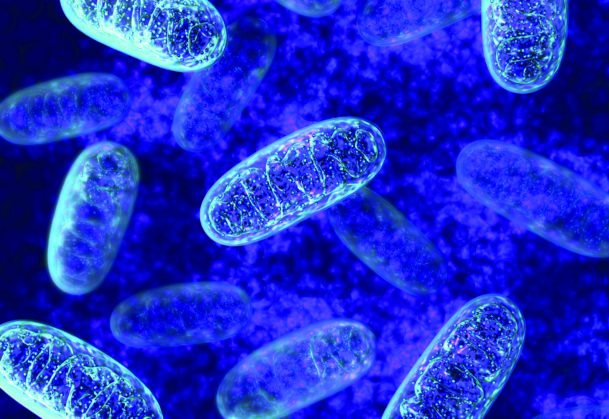
Researchers have found that the amounts of NNMT expression vary a lot between people and can rise when certain metabolic situations happen. NNMT activity goes above and beyond normal levels, which speeds up the breakdown of nicotinamide, a building block for NAD+ production. This speeding up of the enzymes causes a biochemical bottleneck that can affect the processes that make energy further down the line. The activity of the enzyme directly affects the supply of substrates needed to keep optimal NAD+ levels. These levels are necessary for mitochondria to work and for cells to make energy.
How NNMT Connects to Energy Storage
NNMT and energy storage processes are linked, as shown by many studies. Studies show that 5 amino 1mq peptide injection into fat tissue with higher amounts of NNMT has different metabolism features compared to tissue with lower enzyme levels. This enzyme changes how cells use and store energy molecules, which changes the balance between using energy and storing it. When NNMT levels are high, it helps with hormonal changes that can affect how adipocytes work and how fats are broken down.


The activity of the enzyme changes the ability of cells to methylate, which in turn changes the way genes are expressed in ways that control metabolism. This series of molecular events links the function of NNMT to metabolic health in a wider sense. By understanding this route, researchers can find possible intervention places where a 5-amino-1-methylquinoline peptide injection could improve metabolism balance.

How 5 Amino 1MQ Peptide Injection Regulates NNMT Activity in Cells
Molecular Interaction Between 5 Amino-1MQ and NNMT
The 5-amino-1-methylquinolinium peptide injection works by interacting with the NNMT enzyme in a certain way. As a competitive inhibitor, this small molecule chemical tries to bind to the enzyme's active site but can't beat the natural substrate.
Because of its shape, 5 amino 1mq peptide injection can fit into the catalytic area of NNMT. This makes it harder for the enzyme to break down nicotinamide molecules.
Biochemical studies have looked at this compound's binding affinity and blocking rates, which has given us more information about how it works. The structure of the peptide lets it associate only with NNMT, causing little to no damage to other enzymes in cells.
Selectivity is an important trait because it lets metabolic changes happen only where they are needed without messing up many other molecular processes. By stopping the methylation process, the molecule makes sure that there is enough nicotinamide for the SOD reaction.
Cellular Response to NNMT Inhibition
NNMT blockage through 5-aminomethyl-1-methylquinone peptide injection causes biochemical changes in cells that show the enzyme's lower activity.
Lower production of 1-methylnicotinamide and lower consumption of S-adenosylmethionine are the direct molecular effects. This change keeps the ability of cells to methylate for other important biochemical processes that need this methyl source.
Studies on cells have shown that when NNMT is blocked, metabolic gene expression patterns change. These changes in transcription show that cells change their metabolic programming to adapt to the new enzyme context.
Scientists have seen changes in processes that control the metabolism of lipids, the use of energy, and the activity of mitochondria.
The cell reaction seems to be organized, with several metabolic pathways working together to make the best use of energy in the new conditions that NNMT inhibition creates.

5 Amino 1MQ Peptide Injection Mechanism in NAD+ Metabolic Balance
NAD+ Biosynthesis and Cellular Energy
Nicotinamide adenine dinucleotide, or NAD+, is an important molecule in the production of energy in cells. This molecule is involved in a huge number of biochemical processes, mostly those that take energy from food. As an electron carrier in mitochondrial respiration, NAD+ makes it easier for food molecules to be turned into energy for cells. The abundance of NAD+ has a direct effect on how well metabolism works and how healthy cells are. A lot of different biosynthetic processes keep NAD+ levels stable in cells. In human tissues, the salvage pathway is the main one. Through a number of enzyme steps, this route recycles nicotinamide and turns it back into NAD+.


When NNMT activity rises, it changes nicotinamide into 1-methylnicotinamide, 5 amino 1mq peptide injection which can't be returned to NAD+. This keeps nicotinamide from going through the salvage route. This distraction can use up NAD+ stores, which could change the energy level of cells. This metabolic problem is fixed by the 5-amino-1-methylquinoline peptide injection, which stops NNMT and keeps nicotinamide available for making NAD+. The molecule helps keep NAD+ levels high by stopping the enzyme change that takes nicotinamide out of the salvage pathway. This protection of NAD+ pools helps mitochondria work and make energy, which is good for metabolic health at the cellular level.
Impact on Methylation Metabolism
NNMT reduction changes more than just the amount of NAD+ in the cell. It also changes the cellular methylation metabolism, which is a network of biochemical events that control gene expression, protein function, and metabolic processes. During its catalytic cycle, NNMT uses up S-adenosylmethionine, and too much NNMT activity can run out of this universal methyl source. Because S-adenosylmethionine is needed for many methylation processes to happen inside cells, it is very important that cells have enough of it.


It saves S-adenosylmethionine for other important methylation reactions when 5 amino 1mq peptide injection lowers NNMT activity. This protection helps the processes of DNA methylation, histone modification, and protein methylation, which control how genes are expressed. Keeping the right amount of methylation capacity has been linked to good metabolic function and cellular balance. The substance may also help digestive health by protecting methylation resources, which is another way it may work.

Why NNMT Inhibition Matters in Metabolic Energy Regulation
Mitochondrial Function and Energy Production
Cells' powerhouses are mitochondria, which make most of the energy they need through oxidative phosphorylation. This process depends very much on having enough NAD+ available, since this coenzyme helps move electrons around the respiratory chain.
When NNMT activity gets too high and NAD+ levels drop, mitochondrial performance can go down, which could affect how much energy cells make and how they work.
By blocking NNMT with a 5-amino-1-mq peptide injection, mitochondrial health is supported by keeping the NAD+ stores that are needed for proper respiratory activity.
Studies that looked at mitochondrial factors after NNMT inhibition found that breathing ability and energy production efficiency improved. These effects of mitochondria lead to higher cellular energy levels, which support many molecular processes that need enough energy.
One important link between NNMT activity, NAD+ levels, and mitochondrial function is that they all affect each other. This is why NNMT has become a target for metabolic treatment.
Mitochondrial failure can lead to a number of metabolic problems. Strategies that support mitochondrial health by keeping NAD+ levels high may be helpful. The compound's importance in metabolic studies is shown by its power to change this basic part of cellular metabolism.
Adipose Tissue Metabolism
Adipose tissue does more than just store energy; it is also an active metabolic organ that affects the energy balance of the whole body. The amount of NNMT in fatty tissue is connected to metabolic factors that change how energy is stored and used.
Researchers have shown that adipocytes with higher levels of NNMT have different metabolic profiles than those with lower levels of this enzyme. If you stop NNMT from working in fatty tissue, it might change how these cells use and store energy molecules.
Researchers have looked into what happens to adipocytes' metabolism when NNMT is blocked. They have seen changes in how lipids are used, how much energy is used, and how metabolic genes are expressed.
These effects on specific tissues add to the compound's total effect on controlling metabolism. Figuring out how the 5 amino 1mq peptide injection affects the metabolism of fat tissue helps explain how it might help maintain a healthy body makeup and metabolic function.

Molecular Pathways Activated by 5 Amino-1MQ Peptide Injection
Sirtuin Activation and Metabolic Regulation
Sirtuins are a group of NAD+-dependent enzymes that control many metabolic processes, such as how energy is used, how cells respond to stress, and how long cells live. These enzymes need NAD+ as a cofactor, which means that they can only work if there is enough NAD+ available. When NNMT activity lowers NAD+ stores, sirtuin function may be harmed, which could affect the metabolism pathways they control.
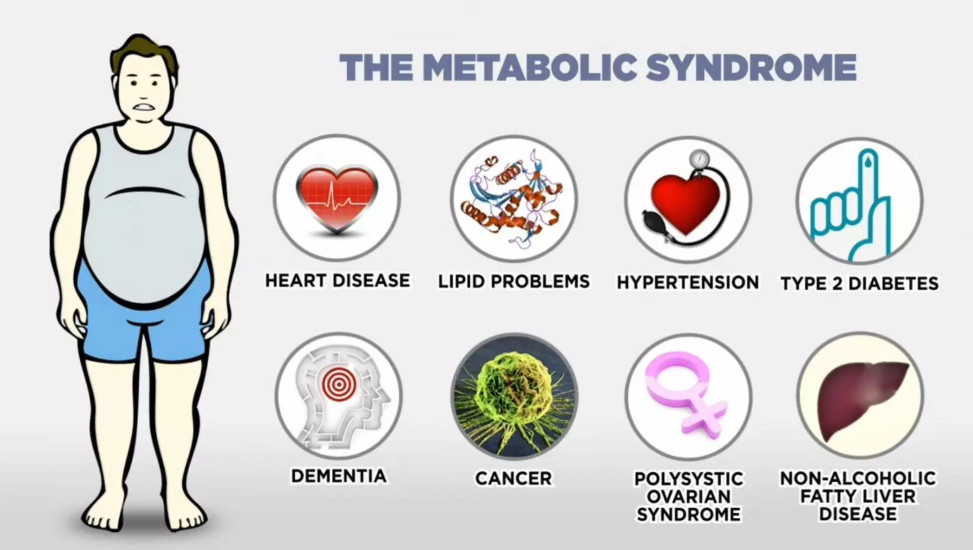
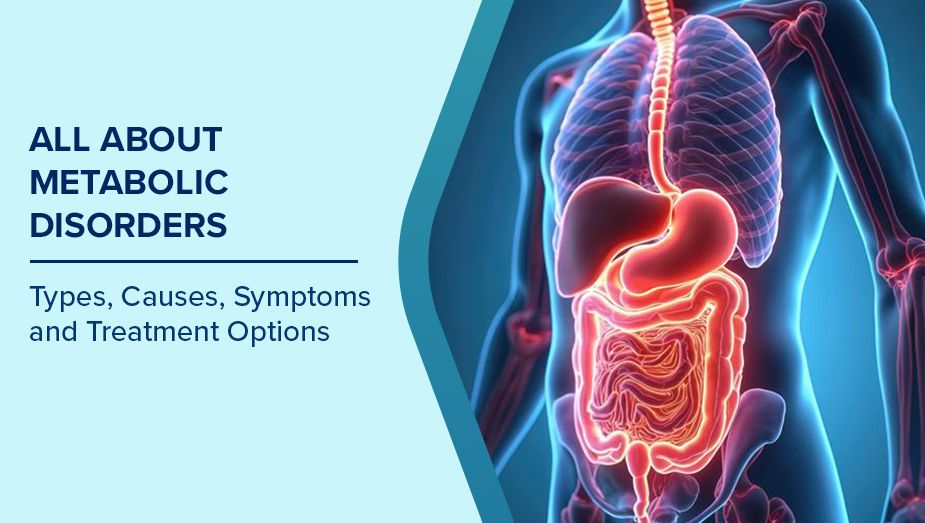
5-amino-1-mq peptide injection may indirectly help sirtuin function by keeping NAD+ levels steady by blocking NNMT. Researchers have looked into the link between NAD+ availability and sirtuin function and found that keeping NAD+ pools strong improves sirtuin-mediated metabolic control. These enzymes have an effect on metabolic gene translation, oxidative stress tolerance, and mitochondrial biogenesis. All of these things work together to keep the metabolism healthy.
NNMT inhibition, NAD+ protection, and sirtuin activation are all connected in a way that shows how specific enzyme inhibition can cause positive effects further down the line. The way these molecular events are linked shows how metabolic pathways are related and how changing one enzyme can have an effect on many control systems. Siltuin pathways can be changed by the chemical, which is an important part of how it affects metabolism.

AMPK Pathway Interactions

AMP-activated protein kinase (AMPK) is a cell energy monitor that reacts to changes in energy levels. When cellular energy levels drop, this enzyme is active. This sets off biochemical changes that bring energy balance back to normal. AMPK affects the processes of glucose uptake, fatty acid oxidation, and mitochondrial formation, all of which improve how cells make and use energy. Researchers have looked into possible links between blocking NNMT and AMPK signals, seeing if changes in NAD+ metabolism affect this energy-sensing system. Studies show that keeping NAD+ may affect AMPK signaling pathways, which may lead to better mitochondrial activity and higher energy levels.
These interactions may help explain the metabolic effects seen after NNMT reduction, adding another level to how the drug works. Figuring out how 5-amino-1-methylquinoline peptide injection might affect AMPK-related pathways helps explain the compound's overall metabolic effect. The complicated networks that control the balance of energy in cells are shown by the possible relationship between NAD+ metabolism and energy-sensing pathways. These molecular links help us understand how specific treatments can cause coordinated metabolic responses.


Conclusion
We can see a complex way to change metabolism by blocking specific enzymes in the way that 5 amino 1mq peptide injection works. This compound protects important metabolic resources like NAD+ and S-adenosylmethionine by stopping NNMT action. This helps cells make the most energy and keep their metabolic flexibility. In this case, the action changes many molecular processes, from directly blocking enzymes to having effects on mitochondrial function, sirtuin activation, and metabolic gene expression. Researchers, drug companies, and groups that work in metabolic science can learn a lot from understanding these processes. Targeted peptide treatments have the potential to help metabolic research because the molecule can change several metabolic pathways that are all linked through a single molecular target. Scientists are still learning more about how NNMT works and what effects it has on metabolism in general. Compounds that change this enzyme route are likely to stay very interesting to researchers. More and more data show that blocking NNMT has metabolic effects. This shows how important this enzyme is as a control point in how cells use energy. It doesn't matter if 5 amino 1mq peptide injection is used in basic research, drug development, or specialized applications that need highly pure metabolic chemicals; knowing how it works in detail is necessary to make smart choices about its possible uses and settings for use.
FAQ
What makes 5 amino 1mq peptide injection different from other metabolic compounds?
+
-
The compound is unique because it blocks NNMT specifically, instead of having broad metabolic effects through non-specific pathways. This selectivity lets researchers target NAD+ metabolism without messing up other cellular processes. The compound's small-molecule structure allows for efficient cellular uptake and direct enzyme interaction, making it a useful tool for studying NNMT-related metabolic processes. Its well-characterized inhibition kinetics and dose-response profile give researchers predictable results and repeatable experimental outcomes.
How important is the purity level when sourcing 5 amino 1mq peptide injection for research applications?
+
-
Purity is an important quality factor that has a direct effect on how well a study can be repeated and how reliable the data is. High-purity chemicals (≥99%) make sure that experimental results aren't changed by other chemicals, and they also make sure that cells stay healthy during the study. Professional sources give you detailed analytical reports that show how pure and what a compound is. This is important for meeting regulatory standards and keeping the research's integrity. When it comes to pharmaceutical development, using compounds that meet GMP standards is necessary to make sure they are consistent and follow foreign quality rules.
What storage and handling considerations apply to 5-amino-1-mq peptide injection compounds?
+
-
For long-term stability, the compound should be kept in tightly sealed containers away from light, moisture, and temperature changes. For long-term stability, the recommended storage temperatures range from -20°C to -80°C, though working solutions may be able to be stored in the fridge for shorter periods of time depending on their solvent composition. When handling the compound, it should be kept away from air and moisture as much as possible, and reconstitution should be done in the right solvents under controlled conditions. For detailed stability data and handling protocols, you should get them from qualified suppliers to make sure the compound works well throughout your research timeline.
Partner with BLOOM TECH for Premium 5 Amino 1MQ Peptide Injection Supplier Solutions
Quality, dependability, and following the rules are the most important things to think about when looking for 5 amino 1mq peptide injection supplier materials for your study or development projects. You can trust BLOOM TECH to be your partner. They offer pharmaceutical-grade metabolic chemicals that are backed by full quality assurance and international GMP certification. Our 100,000-square-meter factories are up to US, EU, JP, and CFDA GMP standards, which means that the products we make are the purest possible.
BLOOM TECH has 12 years of experience in organic synthesis and fine chemical manufacturing. They provide all the analytical documentation, such as HPLC, MS characterization, and stability data, that you need for your CMC filings and regulatory submissions. Our technical support team offers one-on-one service, clear pricing structures, and flexible supply arrangements that are tailored to your specific project needs, from small research quantities to large manufacturing volumes.
Contact our skilled team at Sales@bloomtechz.com right away to talk about your 5 amino 1mq peptide injection requirements, get detailed product specifications, or find out how our integrated supply chain solutions can speed up your metabolic research programs. We work with research institutions, biotechnology companies, pharmaceutical companies, and biotechnology companies all over the world, and our high-quality standards and excellent customer service have made us qualified suppliers to 24 international industry leaders.
References
1. Kraus D, Yang Q, Kong D, et al. Nicotinamide N-methyltransferase knockdown protects against diet-induced obesity. Nature. 2014;508(7495):258-262.
2. Ullmark T, Montano G, Jarvstrat L, et al. Anti-apoptotic quinolinate phosphoribosyltransferase (QPRT) is a target gene of Wilms' tumor gene 1 (WT1) protein in leukemic cells. Biochemical and Biophysical Research Communications. 2017;482(4):802-807.
3. Kannt A, Rajagopal S, Kadnur SV, et al. A small molecule inhibitor of Nicotinamide N-methyltransferase for the treatment of metabolic disorders. Scientific Reports. 2018;8(1):3660.
4. Hong S, Moreno-Navarrete JM, Wei X, et al. Nicotinamide N-methyltransferase regulates hepatic nutrient metabolism through Sirt1 protein stabilization. Nature Medicine. 2015;21(8):887-894.
5. Roberti A, Fernandez AF, Fraga MF. Nicotinamide N-methyltransferase: At the crossroads between cellular metabolism and epigenetic regulation. Molecular Metabolism. 2021;45:101165.
6. Campagna R, Vignini A. NAD+ Homeostasis and NAD+-Consuming Enzymes: Implications for Vascular Health. Antioxidants. 2023;12(2):376.