


An imbalance in the adrenal hormones can subtly upset the whole body's metabolic cycle. In human medicine or in veterinary care, the management of excess steroid production is a major therapeutic concern. Trilostane capsule has now become a reliable pharmacological instrument to perfectly meet this purpose-interruption of hyperactive adrenal hormone synthesis at the enzymatic level. This page explains exactly how it works, why it matters and what makes it such a valuable molecule in modern endocrine control.
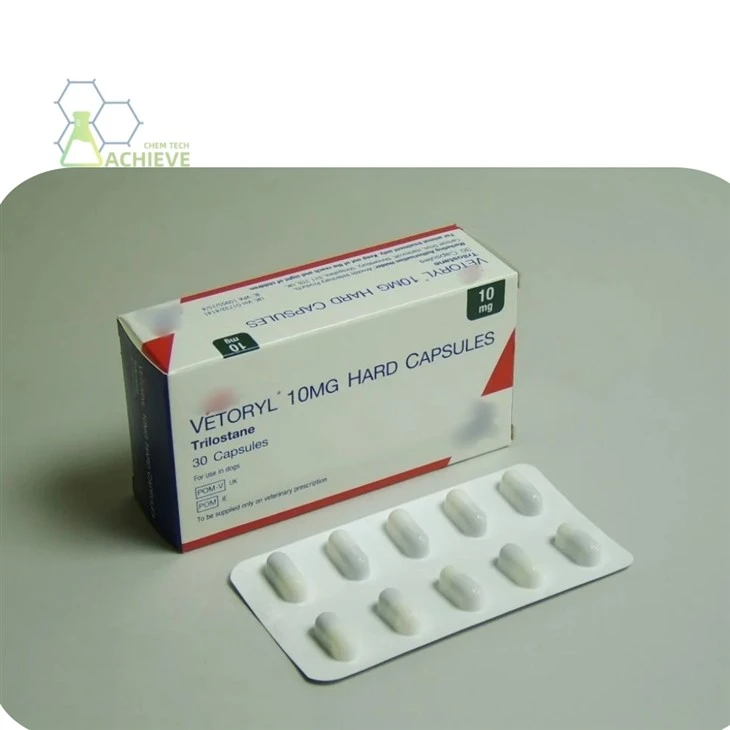
Trilostane Capsule
1.General Specification(in stock)
(1)Injection
Customizable
(2)Tablet
Customizable
(3)API(Pure powder)
PE/Al foil bag/ paper box for Pure powder
HPLC≥99.0%
2.Customization:
We will negotiate individually, OEM/ODM, No brand, for secience researching only.
Internal Code: BM-6-010
Trilostane CAS 13647-35-3
How Does Trilostane Capsule Reduce Adrenal Cortisol Production?
The Enzyme Trilostane Targets
The mechanism of action of trilostane is based on a single, essential enzyme: 3β-hydroxysteroid dehydrogenase (3β-HSD). The enzyme is located at a critical branch point in the pathway of adrenal steroidogenesis. Without it , the conversion of pregnanolone into progesterone and therefore into cortisol is stopped at an early stage .
Trilostane capsule is a competitive inhibitor of 3β-HSD. This implies it fills the active site of the enzyme, but it doesn't permanently disable it, which makes the drug manageable and dose-dependent. Enzyme inhibition can be measured as a reduction in the downstream production of cortisol, aldosterone, and other glucocorticoids.
This inhibition is reversible , as shown by research published in endocrinology literature . This provides for safer long term treatment than irreversible blockers .
What Happens to Cortisol Levels?
With the action of 3β-HSD inhibited, the adrenal cortex makes far less cortisol. In clinical practice, especially in hyperadrenocorticism, this lowering directly alleviate symptoms associated with chronically high glucocorticoid levels, such as aberrant fat distribution, muscle atrophy and fragile skin. The dose of the trilostane capsule is carefully titrated to get the cortisol into a therapeutic level, not to eliminate it completely, as some cortisol is still physiologically necessary.
Trilostane Capsule and the Adrenal Steroidogenesis Pathway
A Look at the Full Steroid Cascade
Adrenal steroidogenesis is a multistep biological system. It starts with cholesterol and evolves through a sequence of enzymatic transformations to make mineralocorticoids, glucocorticoids and androgens. It branches at a lot of different sites and 3β-HSD is implicated in several of those branches. The trilostane capsule, instead of merely reducing cortisol, inhibits this enzyme to regulate the entire upstream-downstream balance of adrenal steroid output.
The pathway becomes stuck, pregnenolone accumulates, and progesterone, 17-hydroxyprogesterone, and, ultimately, cortisol and aldosterone decrease.
This upstream accumulation produces a feedback signal which is sensed by the adrenal glands, but pituitary ACTH may increase transiently in response.
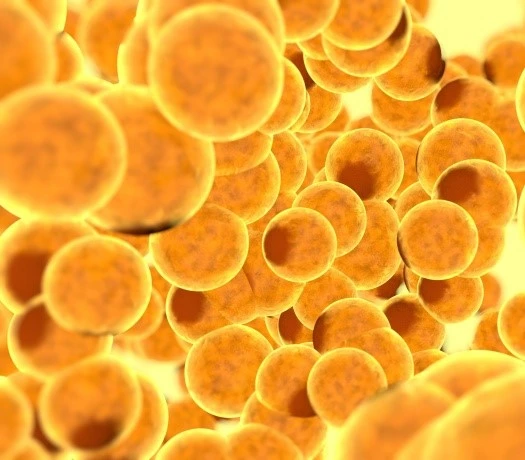
This compensatory surge of ACTH is anticipated and generally does not override the enzymatic block at therapeutic levels of trilostane.
Selectivity Within the Pathway
Another reason trilostane is still the favored agent over broader adrenal suppressants is its relative specificity. It does not influence the cytochrome P450 enzymes (such as CYP11A1 or CYP11B1) that carry out other metabolic processes . This selectivity decreases the danger of disruption of off-target hormones. Studies have demonstrated that the inhibitory profile of trilostane is directed at the 3β-HSD isoforms found in the adrenal tissue, giving it a level of specificity that cannot be achieved by more general inhibitors.
How Trilostane Capsule Changes the Production of Adrenal Steroid Hormones
Mineralocorticoids and Glucocorticoids Both Shift
The trilostane capsule does more than merely impact cortisol, because 3β-HSD is also involved in the manufacture of both glucocorticoids and mineralocorticoids. Trilostane treatment also decreases aldosterone production. In certain cases this lowering is of clinical benefit particularly when there is a pathological increase in both cortisol and aldosterone. During treatment, the levels of electrolytes are monitored by practitioners to prevent any imbalance of sodium and potassium management due to aldosterone suppression.
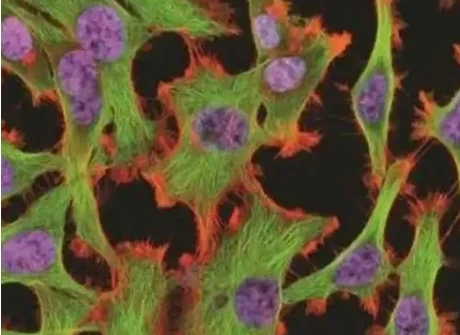
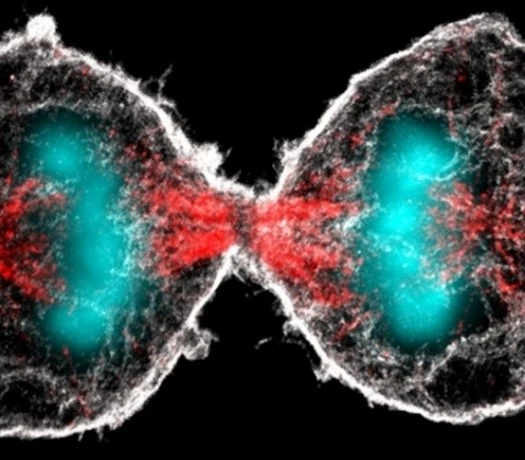
The hormonal footprint is wider than expected from one enzyme mechanism, as it affects both glucocorticoid and mineralocorticoid pathways. This range makes extremely necessary accuracy in dosing.
Androgen Precursors and Downstream Effects
Trilostane therapy causes some inhibition of the adrenal androgen arm of steroidogenesis. DHEA and androstenedione, both products of 3β-HSD-dependent processes, may decrease moderately This is an acceptable side effect for most therapeutic purposes. Androgen metabolite monitoring during treatment can provide useful insight into the extent of total adrenal suppression.
Trilostane Capsule and Hormonal Control in Dogs With Hyperadrenocorticism
Hyperadrenocorticism in Canines
Hyperadrenocorticism, or Cushing's syndrome as it is known in dogs, is one of the most prevalent endocrinopathies recognized in canine medicine . It is caused by persistent overproduction of cortisol usually by a pituitary microadenoma (PDH), or less often an adrenal tumor. Typical symptoms of this disease include a pot-bellied look, hair loss, increased thirst and urination, and skin alterations.
The first line medical treatment for this illness has become Trilostane capsule. Regulatory agencies in several countries, including the US FDA (licensed for veterinary use under a brand-name product), have acknowledged the efficacy of the compound in the management of canine hyperadrenocorticism.
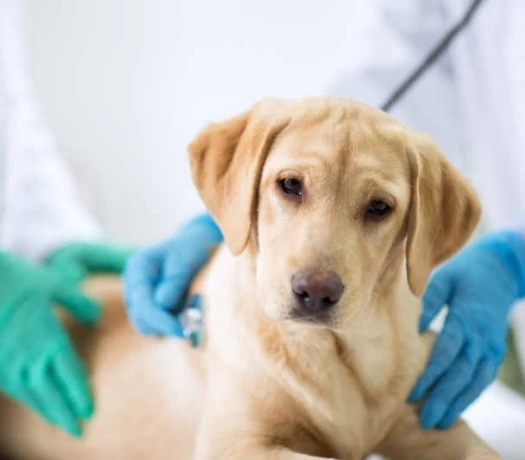
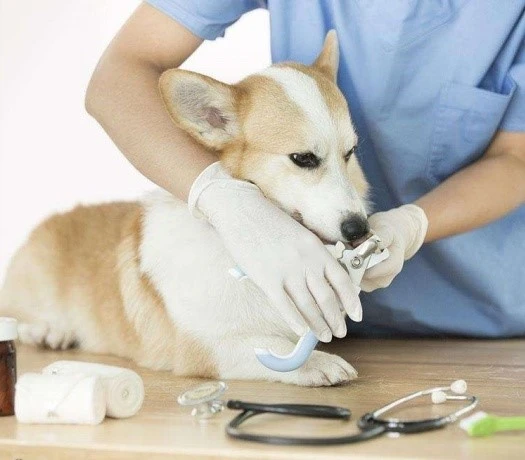
Studies have demonstrated that about 70-80% of dogs treated with trilostane have a meaningful clinical improvement in the first month of medication.
Dosing and Monitoring in Veterinary Practice
Trilostane pill vet dose is based on body weight and individual cortisol response. Monitoring tool : Standard is the ACTH stimulation test . This measures post - ACTH cortisol levels to demonstrate appropriate suppression without over suppression . Initial dosages of 1 to 2.2 mg/kg (0.45 to 1 mg/lb) once daily are typical, with titration depending on follow-up tests at 10 to 14 days, then at 4 weeks, and periodically thereafter. Such a planned regimen decreases the likelihood of adrenal insufficiency, one of the most serious potential adverse effects.
Why Do Veterinarians Use Trilostane Capsule to Manage Excess Cortisol?
Clinical Evidence Behind the Choice
There is a substantial body of evidence to support the use of trilostane in veterinary endocrinology. There are several peer-reviewed studies that have compared trilostane capsule to previous therapy methods, and the results consistently show good outcomes in terms of symptom relief and tolerability. Trilostane has a reversible inhibitory profile therefore is safer to change the dose. Mitotane however damages the adrenocortical cells, and has a higher risk of irreversible adrenal necrosis.
Veterinarians like trilostane because of its predictable pharmacokinetics. Peak plasma levels are reached approximately 1.5 hours after oral dosing.
It has a half-life which allows for a once or twice daily dose regimen and thus enhances owner compliance,a practical consideration which directly impacts the outcome of long term treatment.
Safety Profile and Side Effect Management
Every medicine has risks, and trilostane is no different. The most clinically significant worry is excessive adrenal suppression which can present as lethargy, vomiting, weakness or in severe situations addisonian crisis. Routine electrolyte testing and ACTH stimulation testing can help veterinarians detect early signs of over-suppression before it progresses. Trilostane has a similar safety profile to other adrenal suppressants when taken under defined dose parameters.
Conclusion
The trilostane capsule acts by selectively blocking 3β-hydroxysteroid dehydrogenase, which in a regulated and reversible manner interrupts adrenal steroid synthesis. This process results in reduced secretion of cortisol and aldosterone and this makes it a trusted therapeutic drug in both contexts of endocrine medicine. Its specific well-documented role in the management of canine hyperadrenocorticism indicates both its efficacy and tolerability when appropriately dosed and monitored. With ongoing study, the use of trilostane in the regulation of hormones remains scientifically supported and clinically useful.
FAQ
Q1: What is the primary mechanism of action of trilostane capsule in reducing adrenal hormone output?
+
-
Trilostane is a competitive inhibitor of the enzyme 3β-hydroxysteroid dehydrogenase (3β-HSD) which is necessary for the conversion of pregnenolone to progesterone in the adrenal cortex . This inhibitor decreases reversibly the synthesis of cortisol, aldosterone and related hormones in a dose-dependent manner.
Q2: Is trilostane capsule safe for long-term use in dogs with hyperadrenocorticism?
+
-
Trilostane has a lengthy history of safety in long-term care of canine hyperadrenocorticism when used in the proper dose range and with routine ACTH stimulation tests and electrolyte monitoring. Reversible enzyme inhibition offers a significant safety benefit over previous, cell-destructive approaches.
Q3: Can trilostane capsule affect hormones other than cortisol?
+
-
Yes. Trilostane also inhibits the production of aldosterone and somewhat decreases the adrenal androgen precursors DHEA and androstenedione . This is because 3β-HSD is involved in several pathways of adrenal steroidogenesis . Monitoring of these markers during therapy allows practitioners to maintain an ideal hormonal balance.
Partner With Bloomtechz - Your Trusted Trilostane Capsule Supplier
At Bloomtechz, we know obtaining high-purity active pharmaceutical ingredients isn't just a catalog listing, it's about confirmed quality, transparent pricing and a partner you can trust. We are an experienced trilostane capsule supplier, providing HPLC purity ≥ 99.0%, GMP-certified manufacture with US FDA, EU GMP and CFDA certifications and full documentation support for customs clearance. From API powder to capsule formulations to custom OEM manufacturing, our R&D and QA/QC teams can help your project from lab scale to bulk production.
At Bloomtechz, every detail is logged and every commitment is met, so send your query immediately and get an accurate price with exact lead time.
📧 Contact us: Sales@bloomtechz.com
References
1. Neiger, R., Ramsey, I., O'Connor, J., Hurley, K. J., & Mooney, C. T. (2002). Trilostane treatment of 78 dogs with pituitary-dependent hyperadrenocorticism. Veterinary Record, 150(26), 799–804.
2. Vaughan, M. A., Feldman, E. C., Hoar, B. R., & Nelson, R. W. (2008). Evaluation of twice-daily, low-dose trilostane treatment administered orally in dogs with naturally occurring hyperadrenocorticism. Journal of the American Veterinary Medical Association, 232(9), 1321–1328.
3. Ruckstuhl, N. S., Nett, C. S., & Reusch, C. E. (2002). Results of clinical examinations, laboratory tests, and ultrasonography in dogs with pituitary-dependent hyperadrenocorticism treated with trilostane. American Journal of Veterinary Research, 63(4), 506–512.
4. Sieber-Ruckstuhl, N. S., Boretti, F. S., Wenger, M., Maser-Gluth, C., & Reusch, C. E. (2006). Cortisol, aldosterone, cortisol precursor, androgen and endogenous ACTH concentrations in dogs with pituitary-dependent hyperadrenocorticism treated with trilostane. Domestic Animal Endocrinology, 31(1), 63–75.
5. Bell, R., Neiger, R., McGrotty, Y., & Ramsey, I. K. (2006). Study of the effects of once daily doses of trilostane on cortisol concentrations and responsiveness to adrenocorticotrophic hormone in hyperadrenocorticoid dogs. Veterinary Record, 159(9), 277–281.
6. Wenger, M., Sieber-Ruckstuhl, N. S., Müller, C., Reusch, C. E., & Boretti, F. S. (2004). Effect of trilostane on serum concentrations of aldosterone, cortisol, and potassium in dogs with pituitary-dependent hyperadrenocorticism. American Journal of Veterinary Research, 65(9), 1245–1250.