


As new research on Slu-PP-332 Peptide compounds that target cellular energy routes comes out, the world of exercise and performance improvement keeps changing. Among these changes, Slu-PP-332 Peptide has caught the attention of experts and exercise professionals who are looking for ways to speed up metabolism. This chemical works with estrogen-related receptors (ERRs), which control how mitochondria work and how much energy cells make. Fitness fans, experts, and pros can look at possible uses in endurance training, recovery routines, and metabolic health optimization by understanding how it works. Traditional training methods are still important for physical growth, but compounds like Slu-PP-332 Peptide show that biochemical techniques for performance improvement are becoming more popular. This study looks at how this research peptide can be used in fitness and what effects it has on aerobic ability, mitochondrial adaptation, fat metabolism, and the energy systems in cells. The knowledge about the science behind this peptide and where to get good materials for legal research purposes will be useful for athletes, teachers, and research schools that need to find reliable sources for high-purity research compounds.
How Does Slu-PP-332 Peptide Support Endurance and Aerobic Performance?
Understanding Aerobic Capacity Enhancement Mechanisms
A lot of an athlete's endurance rests on how well their body can get oxygen to moving muscles and make ATP through aerobic routes. The Slu-PP-332 Peptide works by binding to estrogen-related receptors, mainly ERRα and ERRγ.
These receptors control oxidative metabolism in a very important way. When these receptors are active, they start regulatory programs that make mitochondria grow.
This is the process by which new energy-producing parts of cells are made. Studies show that activating ERR can increase the production of genes involved in oxidative phosphorylation, which is the main process that makes energy during long-term aerobic activity.
This means that cells are better able to use air to make ATP when they are active for a long time. Endurance athletes who do long-distance running, riding, or swimming may benefit from having more mitochondria.
This is because more mitochondria mean muscles can keep producing energy for longer amounts of time without getting tired too quickly.
Recovery Between High-Intensity Intervals
Slu-PP-332 Peptide may affect the ability to recover between high-intensity tasks in addition to steady-state endurance work. When mitochondria work better, PCr (phosphocreatine) resynthesis and lactate clearance between busy periods happen faster.
This metabolic efficiency lets players keep up the quality of their work during interval training sessions, which could lead to better training changes over time.
When making interval plans for middle-distance runners or team sports players, coaches might want to think about how increased aerobic ability impacts work-to-rest ratios.
Athletes with better aerobic recovery mechanisms can handle harder workouts or shorter breaks while still keeping their power output. This leads to bigger Slu-PP-332 Peptide changes in both the aerobic and anaerobic energy systems.

ERR Activation and Mitochondrial Energy Adaptation With Slu-PP-332 Peptide
Molecular Pathways of Mitochondrial Biogenesis
The estrogen-related receptor family controls genes that work with mitochondria and metabolism, which is a key part of keeping cellular energy levels stable. The Slu-PP-332 Peptide hits these nuclear receptors specifically, setting off a chain of chemical events that improve the mitochondrial capacity. The drug raises the production of PGC-1α (peroxisome proliferator-activated receptor gamma coactivator 1-alpha), which is a key regulator of mitochondrial biogenesis, when it binds to ERRs.


This chemical activity causes the production of more mitochondrial proteins, the network of mitochondria to grow, and the respiratory chain to work better. In muscle cells, this means that they can make more ATP through oxidative phosphorylation, which is the most efficient way for them to make energy. Researchers and exercise professionals can better understand why ERR agonists like Slu-PP-332 Peptide are interesting as metabolic regulators in sports performance settings by understanding how these mechanisms work.
Cellular Energy Substrate Utilization
The health of mitochondria directly affects which fuel sources cells choose to use when they are working out at different levels. When mitochondrial networks are well-adapted, they can process fatty acids more efficiently, freeing up limited glucose stores for harder work. The activation of ERR by Slu-PP-332 Peptide increases the production of enzymes that help break down fats. This could change the metabolism of cells so that they use fats more efficiently.


This metabolic flexibility comes in very handy during long-distance endurance events, where choosing the right food substrate decides how long a person can keep up their performance. Athletes who can effectively burn fat while keeping mild exercise levels keep valuable glycogen stores for crucial race times when they need to use more power. Compounds like Slu-PP-332 Peptide may help improve mitochondrial function, which may make this energy efficiency even better.

Why Is Slu-PP-332 Peptide Called an Exercise-Mimetic Compound in Fitness Research?
Replicating Exercise-Induced Molecular Signals
"Exercise mimetic" refers to chemicals that turn on biological processes that are usually activated by working out. This is what Slu-PP-332 Peptide is called because it works on many of the same chemical processes that exercise does naturally.
During exercise, when muscles tighten, they send signals that turn on transcription factors such as PGC-1α and nuclear receptors such as ERRs. In the end, these messages lead to changes that are good for the cell, like more mitochondria, better oxidative ability, and more metabolic flexibility.
The peptide gets around the physical stress of exercise while still starting adaptive reactions at the cell level by activating ERRs directly.
This doesn't mean that the substance can be used instead of training. Instead, it may boost the changes that training causes or help keep the metabolism healthy when regular training isn't possible.
Researchers who study metabolic diseases, fitness loss linked to getting older, or accident healing are especially interested in how substances that work like exercise might keep or improve metabolic function.
Research Applications and Performance Context
Slu-PP-332 Peptide is useful for studying metabolic control and adaptation processes because it can act like exercise. Researchers trying to figure out how exercise is good for you can use these substances to focus on specific processes and see how they contribute to adaptation as a whole.
With this study method, scientists have a better idea of which molecular messages cause certain training results. A performance-based study has looked into whether mixing exercise-imimetic compounds with real training has benefits that are stronger than either one alone.
Early research suggests that activating the ERR may improve training responses when timed correctly in relation to workout sessions. However, there is still not a lot of research on human athletes.
Athletes and teachers who want to improve their ability based on evidence should keep an eye on new studies and be realistic about Slu-PP-332 Peptide what they don't know yet.

Slu-PP-332 Peptide for Fat Oxidation, Recovery, and Metabolic Flexibility
Enhanced Lipid Metabolism During Exercise
The body's fat metabolism ability tells us how well it can use stored triglycerides as fuel during long workouts. This process is changed by Slu-PP-332 Peptide, which changes how mitochondria work and how metabolic enzymes are expressed. When ERR activity goes up, genes that make proteins that help with fatty acid transport, beta-oxidation, and oxidative phosphorylation get turned on. These are all very important steps in turning stored fat into energy that the body can use. Optimizing fat metabolism is helpful for athletes who want to change their body makeup or build up their fitness.


When working out at submaximal rates, like during long workouts or ultra-endurance events, getting energy from fat stores becomes impossible, which hurts performance. People who are good at burning fat can keep working out for long amounts of time while still keeping their calorie stores low. The changes in metabolism that Slu-PP-332 Peptide causes may help this adaptation, especially when used with the right diet and workout plans.
Developing Metabolic Flexibility
Metabolic flexibility is the ability to switch between burning carbs and fats efficiently based on the amount of food available and the volume of exercise. People who don't do much usually don't have as much metabolic flexibility as well-trained athletes. This change lets the body choose the right food for each type of exercise, using mostly fat for low-intensity work and easily using carbohydrates for higher-intensity work. According to research, activating ERR makes the metabolism more flexible by improving both the glycolytic and oxidative enzyme systems.
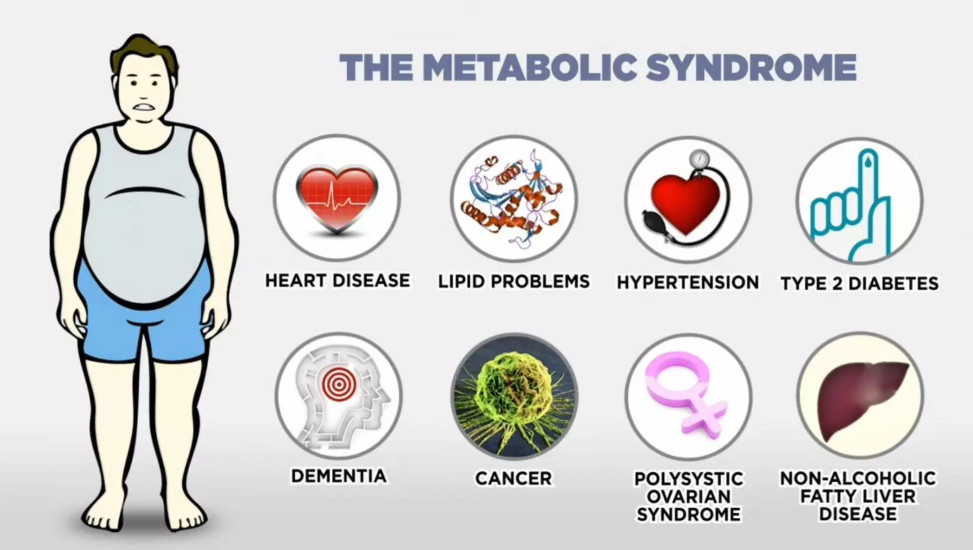

Because the peptide affects mitochondrial plasticity, it may help athletes build the metabolic flexibility they need for sports with different levels of energy or endurance events that last for several hours. Fasted sessions, low-intensity volume, and smart carbohydrate management are common parts of training plans that aim to make the metabolism more flexible. Using these kinds of training methods with chemicals like Slu-PP-332 Peptide might speed up the growth of adaptations.

Long-Term Fitness Optimization and Cellular Energy Support With Slu-PP-332 Peptide
Sustaining Performance Across Training Cycles
Periodized training cycles help competitive athletes improve different aspects of their ability, Slu-PP-332 Peptide, over the course of the year. Base phases focus on aerobic fitness and work ability.
Build phases raise the intensity and amount of training, and peak phases finetune specific performance traits before a challenge. Each phase has its own biological needs that can be met by cells with better energy systems.
Slu-PP-332 Peptide might help at certain times during periodized exercise routines. During base-building stages that focus on aerobic growth, increased mitochondrial biogenesis could speed up gains in oxidative capacity.
During high-volume build stages, athletes may be able to handle harder exercise loads if they can recover faster. A growing area of sports science research is figuring out how to carefully use metabolic optimization chemicals during different training sessions.
Integration With Comprehensive Training Programs
For the best sports growth, you need to pay attention to many aspects of your training, such as technical skill, tactical knowledge, physical fitness, mental preparation, and managing your recovery.
Optimization of metabolism with substances such as Slu-PP-332 Peptide is only one part of this larger picture. When added to well-thought-out training plans that address all performance-related factors, the peptide's benefits are felt the strongest.
Coaches and players who are thinking about using metabolic support compounds should be realistic about how much they will help improve total performance.
Improved mitochondrial function and metabolic flexibility are helpful, but they can't make up for bad training, bad diet, not enough recovery, or technological flaws.
The best way to do things is to see these chemicals as tools that help people adapt to good training, not as quick fixes that replace important work on performance development.

Conclusion
The Slu-PP-332 Peptide is a new and interesting discovery in the field of metabolic improvement for exercise and performance. This chemical affects mitochondrial biogenesis, oxidative ability, fat metabolism, and cellular energy systems by turning on estrogen-related receptors. These are all important factors that determine metabolic health and physical performance. Even though the study is still going on, what we know so far suggests that it might be useful for helping to build aerobic capacity, speeding up the healing process, and making the metabolism more flexible. Athletes, teachers, and researchers who want to improve performance based on evidence should keep an eye on new studies and be skeptical of claims. They should also keep sensible expectations about the effects of any one action. The compound's exercise-imimetic qualities make it useful for study. However, for it to be used in sports, current data, the right protocols, and integration into complete training programs must all be carefully thought through. Getting high-purity materials from reputable sources is important for legal research uses and making sure accurate results, just like with any other research compound.
FAQ
What makes Slu-PP-332 Peptide different from traditional endurance supplements?
Slu-PP-332 Peptide is not like other supplements that give you energy substrates or cofactors. Instead, it works as a molecular signaling agent that turns on nuclear receptors that control the production of metabolic genes. Instead of giving fuel directly or helping enzymes do their job, it starts cellular programs that improve mitochondrial capacity and oxygen metabolism at the DNA level. It works in a way that is different from supplements like electrolytes, carbs, or even substances like creatine, which work in different ways.
How long does it take to observe metabolic adaptations from Slu-PP-332 Peptide?
Usually, it takes a few weeks for metabolic changes and mitochondrial production to become noticeable. Molecular changes happen within days of activating ERR, but practical gains in exercise ability, fat oxidation, or healing usually don't show up until 4–8 weeks of constant use along with the right training. Responses are different for each person depending on their genetics, training state, dosing methods, and the design of their training program. In research settings, results are usually looked at over several weeks to get a good picture of how people change.
Can Slu-PP-332 Peptide replace regular endurance training?
No, this peptide can't take the place of real exercise. While it does trigger some molecular pathways that exercise does, full training adaptations need a lot of different inputs that exercise offers, such as mechanical force, neural stimulation, hormonal reactions, and different metabolic stresses. The compound might improve the effects of training or help keep the metabolism working during breaks in training, but exercise is still necessary for full physical growth. According to research, these substances could be used to supplement exercise programs rather than taking their place.
Partner With a Trusted Slu-PP-332 Peptide Supplier for Your Research Needs
When you need high-purity research compounds for fitness studies, product creation, or studies of athletic performance, you need to work with an expert Slu-PP-332 Peptide provider. Bloom Tech has been working with pharmaceutical businesses, biotechnology study groups, and specialized labs around the world for more than 12 years, helping them with organic synthesis and pharmaceutical intermediates. Our production sites are GMP-certified and meet the standards of the US-FDA, EU-GMP, PMDA, and CFDA. This makes sure that your study gets the quality and regulatory compliance it needs. We offer research-grade Slu-PP-332 Peptide with full analytical documentation, such as HPLC and mass spectrometry data, to support your study methods. Our technical team will work with you one-on-one throughout the whole buying process, from the first question you ask to delivery and help after delivery. Our flexible supply chains and quality control measures make sure that the quality of our products always stays high and that they are delivered on time, whether you need small amounts for study or a lot of them for bigger projects. Contact our team today at Sales@bloomtechz.com to discuss your Slu-PP-332 Peptide requirements. We provide transparent pricing, detailed product specifications, and regulatory documentation to support your research objectives. Let BLOOM TECH become your trusted partner in advancing fitness research and metabolic optimization investigations.
References
1. Audet-Walsh É, Giguère V. The multiple universes of estrogen-related receptor α and γ in metabolic control and related diseases. Acta Pharmacologica Sinica, 2015, 36(1): 51-61.
2. Fan W, Evans R. PPARs and ERRs: molecular mediators of mitochondrial metabolism. Current Opinion in Cell Biology, 2015, 33: 49-54.
3. Giguère V. Transcriptional control of energy homeostasis by the estrogen-related receptors. Endocrine Reviews, 2008, 29(6): 677-696.
4. Huss JM, Kopp RP, Kelly DP. Peroxisome proliferator-activated receptor coactivator-1α (PGC-1α) coactivates the cardiac-enriched nuclear receptors estrogen-related receptor-α and -γ. Journal of Biological Chemistry, 2002, 277(43): 40265-40274.
5. Narkar VA, Downes M, Yu RT, et al. AMPK and PPARδ agonists are exercise mimetics. Cell, 2008, 134(3): 405-415.
6. Schreiber SN, Emter R, Hock MB, et al. The estrogen-related receptor α (ERRα) functions in PPARγ coactivator 1α (PGC-1α)-induced mitochondrial biogenesis. Proceedings of the National Academy of Sciences, 2004, 101(17): 6472-6477.