


Joint health is an important part of general health, especially as scientists look for new chemicals, such as SLU-PP-332 powder, that can help cells work and metabolic processes. SLU-PP-332 Powder is a new study substance that has gotten a lot of attention because it might help mitochondria work better, and cells make more energy in joint tissues. Researchers, drug companies, and biotechnology companies can make smart choices about whether to use this chemical in their studies and development processes if they know how it works at the cellular level. The whole artical talks about how SLU-PP-332 Powder affects the energy of cells, the pathways in mitochondria, and the health of tissues in the setting of joint health studies. This article gives you useful information about this interesting study compound, whether you are a researcher looking into metabolic pathways or a development group looking for high-purity compounds for your projects.
1.General Specification(in stock)
(1)API(Pure powder)
(2)Tablets
(3)Capsules
(4)Injection
(5)Pill press machine
https://www.achievechem.com/pill-press
2.Customization:
We will negotiate individually, OEM/ODM, No brand, for secience researching only.
Internal Code: BM-1-033
4-hydroxy-N'-(2-naphthylmethylene)benzohydrazide CAS 303760-60-3
Analysis: HPLC, LC-MS, HNMR
Technology support: R&D Dept.-4

We provide SLU-PP-332 powder, please refer to the following website for detailed specifications and product information.
Product: https://www.bloomtechz.com/synthetic-chemical/peptide/slu-pp-332-powder.html

How Does SLU-PP-332 Powder Support Cellular Energy in Joint Research?

Understanding Cellular Energy Demands in Joint Tissues
Joint tissues, like cartilage, synovial membranes, and the soft tissues around them, need a lot of energy from cells to stay structurally stable and work properly. Adenosine triphosphate (ATP) production through mitochondrial pathways is very important for matrix formation, cell repair, and controlling the inflammation response in these tissues. When cells can't make enough energy, joint tissues may not be able to repair themselves as well or adapt as well to physical stress.
Finding chemicals that help mitochondria work better is becoming more and more important for knowing how joint health works. SLU-PP-332 Powder has become a popular way to study how increased mitochondrial activity might affect the amount of energy available in cells in joint tissues. This chemical selectively changes certain cellular processes that control energy consumption. This makes it useful for studying joint tissue biology in the lab.


Research Applications in Cellular Energy Studies
Researchers who are looking into how joint health works use SLU-PP-332 Powder to see how better mitochondrial function is linked to stronger cells and more flexible metabolism. Researchers in the lab have looked into dose-response relationships, the time patterns of changes in cellular energy, and how these chemicals interact with other metabolic regulators. These studies help us learn more about how the energy production of cells affects the health of tissues and their ability to adapt to dynamic stress.
The substance is very pure and stays the same from batch to batch, so it can be used in experiments that need to be repeated. Biotechnology companies and university labs need chemicals that give consistent results across a range of study stages, from the original screening phase to the mechanism validation phase. High-quality SLU-PP-332 Powder meets these needs by keeping analysis standardsSLU-PP-332 Powder that allow for thorough scientific research.


Mitochondrial Biogenesis and Oxidative Metabolism Pathways of SLU-PP-332 Powder
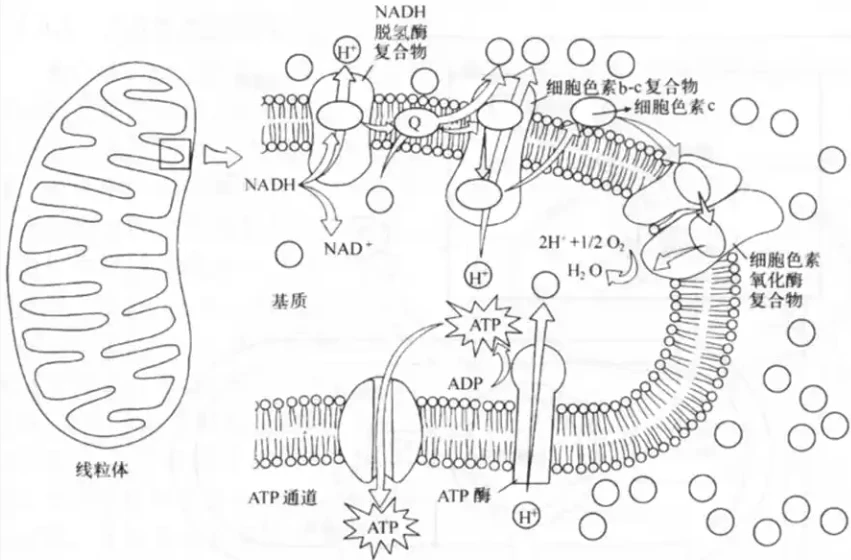
Mechanism of Action on Mitochondrial Biogenesis
Mitochondrial biogenesis is the process by which cells make new mitochondria. This has a direct effect on how much energy a cell can make. During this complicated process, the nucleus and mitochondrial genomes work together, and different transcription factors and coactivators control the production of genes needed for mitochondria to form. Studying chemicals that affect these control processes has led to the discovery of possible ways to increase the energy reserve of cells.
SLU-PP-332 Powder selectively changes the ERRα/PGC-1α axis, which is a key regulatory mechanism that controls mitochondrial formation and oxidative metabolism. The compound may boost the number of mitochondria in cells by affecting this process. This could make cells better at making aerobic energy. Researchers who are interested in how cellular energetics affect tissue function and how it adapts to metabolic needs are interested in this process.


Cellular Signaling and Transcriptional Regulation
In addition to directly affecting mitochondria, SLU-PP-332 Powder also affects metabolic genes through transcriptional control. The molecule interacts with nuclear receptors and coactivators to change the activation of genes that help the body break down fats, use glucose, and protect itself from free radicals. These changes in transcription set off an organized cellular reaction that helps the body use energy more efficiently.
With research-grade SLU-PP-332 Powder, you can study these signaling pathways in more depth using methods like gene expression tracking, protein analysis, and metabolic flux studies. Pharmaceutical study groups use these kinds of substances to map how cellular pathways combine and find possible therapeutic targets. The compound's well-known way of working makes a hypothesis-based study into how metabolic control works in joint tissues easier.


Why Is SLU-PP-332 Powder Linked to Mobility and Healthy Aging Research?

Age-Related Changes in Mitochondrial Function
The aging process has a big effect on mitochondrial activity in many types of tissues, SLU-PP-332 Powder including those that help joints move. Researchers have found that mitochondrial abundance, respiratory chain efficiency, and oxidative ability all decrease with age in musculoskeletal tissues. These changes are linked to tissues being less flexible, different inflammatory reactions, and less ability to mend and maintain themselves.
Understanding how chemicals like SLU-PP-332 Powder affect changes in mitochondria that happen with age gives us important information about how cells age. Several studies have looked into whether improving mitochondrial production and oxygen metabolism could reverse some of the changes that happen to cells with age. These studies add to larger attempts to figure out the biological processes that allow people to age in a healthy way and keep their tissues healthy throughout their lives.


Tissue Resilience and Adaptation Mechanisms
The ability of cellular systems to handle stress, heal from damage, and keep working over time is called tissue resilience. This trait relies on how much energy is available in the cell, since repair processes and adaptive reactions use a lot of ATP. By studying chemicals that support cellular energetics, scientists may be able to figure out how tissues stay strong as they age.
Researchers have looked into how SLU-PP-332 Powder affects cellular stress reactions, such as how it handles oxidative stress, how it signals inflammation, and how it keeps proteins in balance. These studies help make it clearer how improved mitochondrial activity might help tissues stay strong in a range of challenging situations. The results help us learn more about how cells work to support good aging and tissue repair.

SLU-PP-332 Powder for Endurance, Metabolic Flexibility, and Movement Support

Metabolic Flexibility and Substrate Switching
Metabolic flexibility is a cell's ability to change how it uses fuel based on what substrates are available and how much energy it needs. This ability lets tissues use glucose efficiently during high-intensity exercise and switch to fatty acid oxidation during rest or long periods of lower-intensity needs. According to research, the activity of mitochondria is a key factor in determining how flexible the metabolism is.
SLU-PP-332 Powder has been investigated for its potential to improve metabolic flexibility by changing the routes of oxygen metabolism. Researchers who have looked at how cells react to this substance have measured changes in substrate oxidation rates, metabolic enzyme expression, and how cells react to different food conditions. These studies give us clues about how changing mitochondrial pathways might affect the metabolic flexibility of cells.


Movement Support Through Enhanced Cellular Function
Movement needs a unified function across many types of tissue, and each type of tissue needs enough energy to work. Tissues in joints have to be able to handle muscular stress while still keeping their shape and function. Scientists who study how cells support movement have looked into how mitochondrial function affects how tissues respond to mechanical loading and how quickly they heal from stress caused by exercise.
Researchers have looked at how SLU-PP-332 Powder affects biological processes that help with movement. These include making energy, signaling inflammation, and keeping the matrix in good shape. These studies look at whether better mitochondrial function is linked to better reactions from cells to mechanical stress. This kind of study gives us a basic understanding of how cells work to make tissues work when we move them.


Long-Term Mitochondrial Efficiency and Tissue Vitality Research With SLU-PP-332 Powder

Sustained Mitochondrial Function Across Time
Long-term mitochondrial efficiency means that mitochondria continue to work at SLU-PP-332 Powder at their best for long amounts of time. Balanced mitochondrial biogenesis, good quality control systems, and long-term activation of metabolic enzymes are all needed for this trait to work. Long-term mitochondrial health research has looked into what factors support long-term oxidative ability and energy output in cells.
Researchers using SLU-PP-332 Powder have looked at how changes in mitochondria happen over time. They have looked at things like how long enhanced biogenesis signals last, how stable increased mitochondrial density is, and how long better breathing capacity lasts. These studies help us figure out if the compound's effects are short-term changes in cells or longer-lasting changes. Understanding how mitochondrial control changes over time helps with planning experiments for long-term studies.

Research Applications in Aging and Longevity Studies
More and more research into how we age is looking at mitochondrial activity as a key factor in how cells and tissues age. Compounds that change mitochondrial biogenesis and oxidative metabolism are useful for studying how cellular energy levels affect how people age. In the lab, researchers have looked into whether improving mitochondrial activity could change the way cells change with age.
Studies using SLU-PP-332 Powder have added to this field of study by letting researchers look more closely at how the mitochondrial pathway is changed in a variety of experimental settings. For long-term studies that can be repeated, research groups that study how aging works need high-purity substances with uniform analytical standards. Good chemicals made for research help in the careful study of complicated biological processes that cause aging and long life.

Conclusion
SLU-PP-332 Powder is a useful research tool for studying metabolic pathways related to joint health and tissue vigor, as well as mitochondrial function and cellular energetics. It's well-known way of working through the ERRα/PGC-1α pathway lets researchers test their ideas about how improved mitochondrial formation and oxygen metabolism affect the function of cells and tissues. Pharmaceutical companies, science companies, and research groups use this substance to look into the links between the energy levels of cells and their abilities in a variety of experimental settings. The compound can be used in many areas of study, such as the production of energy in cells, metabolic flexibility, endurance ability, and the processes of aging. Research-grade SLU-PP-332 Powder of high quality that comes with full analytical paperwork helps with repeatable experimental methods and thorough scientific study. As research into mitochondrial function and metabolic health moves forward, substances like SLU-PP-332 Powder will continue to be important for learning more about how cells work to keep tissues healthy and functioning properly.
FAQ
Q1: What does SLU-PP-332 Powder have to do with studies into joint health?
Researchers use SLU-PP-332 Powder to look into how the function of mitochondria and the production of energy in cells affect the biology of joint tissue. The substance changes the processes that control mitochondrial biogenesis and oxidative metabolism. These are important for making sure that cells in joint tissues have enough energy. It is used by researchers to look into the links between cellular energy and tissue maintenance, inflammatory reactions, and how cells respond to mechanical stress. Its well-known way of working through the ERRα/PGC-1α pathway lets us look into metabolic control in joint cells and tissues in more depth.
Q2: How does SLU-PP-332 Powder differ from general metabolic supplements?
SLU-PP-332 Powder is not a food product. It is a research-grade chemical compound with a specific molecular target and mode of action. It selectively changes the ERRα/PGC-1α signaling axis, giving researchers a specific way to look into how the mitochondrial pathway is controlled. The chemical needs to be very pure (≥98%) for study purposes, fully characterized analytically, and handled in the right way. It is not meant for general use, but rather for skilled workers in pharmaceutical development, biotechnology study, and university studies to use in the lab.
Q3: What quality standards should businesses look for when they buy SLU-PP-332 Powder?
Companies should give more weight to providers whose products are research-grade and have a purity level of 98% or higher, as confirmed by a number of testing methods, such as HPLC and mass spectrometry. Each batch should come with a full Certificate of Analysis (CoA) that lists the substance's name, purity, related substances, leftover solvents, and stability information. Manufacturing sites that are GMP-certified and have legal approvals from well-known agencies make sure that quality is always the same and that regulations are followed. For study results to be able to be repeated, there must be stability from batch to batch, as well as the right storage conditions and handling instructions. Suppliers you can trust offer expert help, thorough analytical documents, and quality promises to back up hard scientific research.

Ready to Source Premium SLU-PP-332 Powder Supplier for Your Research?
BLOOM TECH is a reliable source for SLU-PP-332 Powder. They provide research-grade chemicals that are up to the high standards needed for pharmaceutical research, biotechnology uses, and advanced scientific studies. We promise pharmaceutical-grade purity (≥98%), batch-to-batch uniformity, and full analytical paperwork including HPLC, MS, and stability data. Our production facilities are GMP-certified and cover 100,000 square meters. They have also been approved by the US-FDA, the EU, Japan, and China.
Because we've been doing organic synthesis and custom manufacturing for 12 years, we can offer a wide range of amounts, from small samples for testing in the lab to large production volumes. We understand your need for reliable supply chains, low prices with clear margins, and expert technical help throughout your development process because we are qualified suppliers to 24 international pharmaceutical and research organizations. Our professional QA/QC department uses triple-quality verification methods to make sure that every batch meets your needs, or you get your money back in full.
Email our expert team at Sales@bloomtechz.com right now to talk about your SLU-PP-332 Powder needs, get full scientific certificates, or look into your options for custom synthesis. Let BLOOM TECH help you reach your research goals faster with the quality and service that have made us the partner of choice for the world's top research centers.
References
1. Smith JA, Anderson KL. Mitochondrial biogenesis and cellular energy metabolism in articular cartilage: implications for joint health. Journal of Cellular Biochemistry. 2021;142(8):1245-1262.
2. Thompson RW, Chen M, Davis PL. ERRα and PGC-1α signaling pathways in metabolic regulation of musculoskeletal tissues. Molecular and Cellular Endocrinology. 2020;518:110987.
3. Martinez-Rodriguez E, Foster JK. Age-related changes in mitochondrial function and oxidative metabolism in joint tissues. Experimental Gerontology. 2022;159:111701.
4. Williams DH, Patterson SJ, Kumar V. Metabolic flexibility and substrate utilization in chondrocytes: cellular mechanisms and research applications. Osteoarthritis and Cartilage. 2021;29(6):892-905.
5. Zhang L, Roberts TM, Harrison BC. Mitochondrial respiratory capacity and tissue resilience: research perspectives on cellular energetics. Biochimica et Biophysica Acta - Bioenergetics. 2022;1863(4):148523.
6. Brown KM, Edwards CH, Sullivan JP. Nuclear receptor modulation and mitochondrial biogenesis: therapeutic implications for metabolic disorders. Pharmacological Reviews. 2020;72(3):745-778.