


Fleas are not only a nuisance – they are persistent, robust and physiologically complicated. One adult flea may lay up to 50 eggs a day, and a moderate infestation can quickly become a house-wide issue in a matter of weeks. Simply treating the adult stage of fleas is not enough to remove them. The best way to go is to hit every stage in the life cycle of the flea and that is where compound fipronil drops have really come into their own.
This guide explains how fipronil spot-on treatments work at each biological step, how they spread over the pet's body and when to use them for optimal long-term effect.
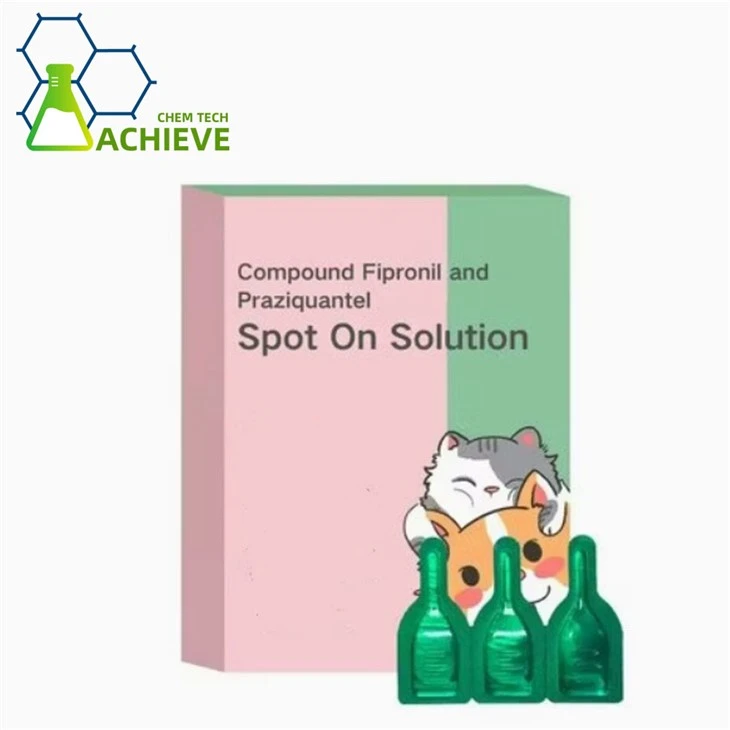
Compound Fipronil And Praziquantel Spot On Solution
1.General Specification(in stock)
(1)Solution
2.Customization:
We will negotiate individually, OEM/ODM, No brand, for secience researching only.
Internal Code: BM-9-022
Compound Fipronil and Praziquantel Spot On Solution
Main market: USA, Australia, Brazil, Japan, Germany, Indonesia, UK, New Zealand , Canada etc.
Manufacturer: BLOOM TECH Xi'an Factory
Analysis: HPLC, LC-MS, HNMR
Technology support: R&D Dept.-4
How Do Compound Fipronil Drops Interrupt Different Stages of the Flea Lifecycle?
The Four Flea Lifecycle Stages and Their Vulnerabilities
The flea goes through a four-stage cycle: egg, larva, pupa and adult. Each stage is distinct and reacts differently to therapy. Adult fleas are the most obvious and the most instantly impacted by compound fipronil drops, although it is the earlier stages where infestations tend to remain.
Fipronil is part of the phenylpyrazole chemical family. It blocks GABA-gated chloride channels in the central nervous system of insects, which leads to uncontrolled neurological activity, and death. The method is very selective for invertebrates, and hence effective against fleas with little harm to mammals at allowed doses.
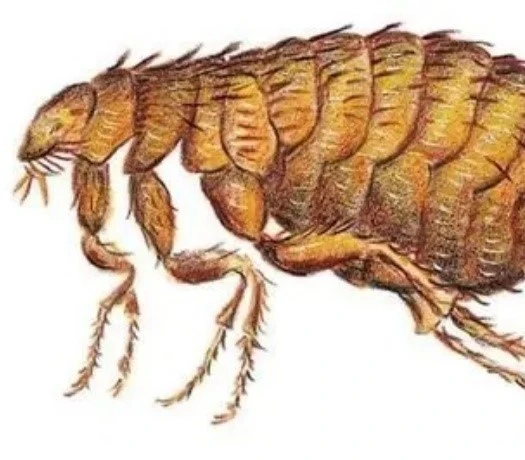
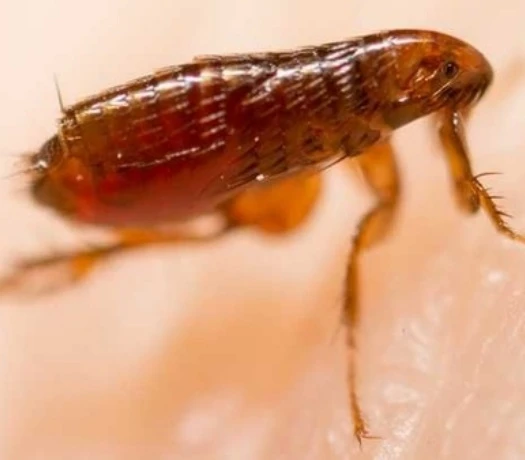
Why Adult Fleas Are the Primary Target - and Why That Is Not Enough
Adult fleas pounce on the victim, suck blood and breed fast. Fipronil compound drops kill adult fleas after 24 to 48 hours of administration. Studies reported in the veterinary parasitology literature have shown that fipronil has better than 95% efficiency against adult fleas during this timeframe.
The problem is that mature fleas make up just approximately 5 percent of the flea population in an affected area. Eggs, larvae and pupae occur in carpets, bedding and dirt. A therapy technique that kills just adults leaves the other 95% of the lifetime untouched.
Topical fipronil, in combination with environmental remediation techniques, provides a more comprehensive barrier.
Compound Fipronil Drops and Their Role in Breaking Flea Reproduction Cycles
Stopping Egg Production Before It Starts
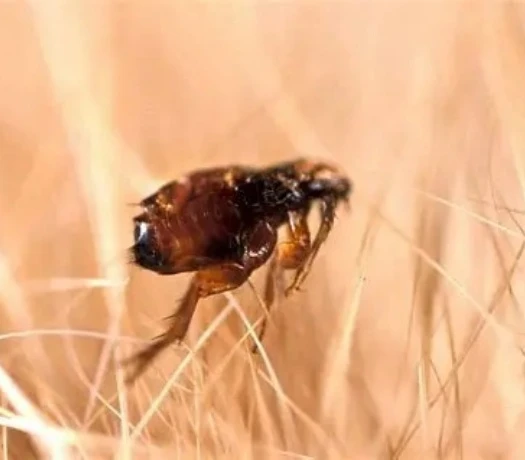
Absorption of compound fipronil drops occurs via the epidermis and is disseminated via the lipid layer over the coat. The fleas jumping onto a treated animal are exposed to the active ingredient practically instantly. By killing adult fleas before they can finish a full feeding and reproductive cycle, fipronil effectively lowers the quantity of eggs produced in the environment.
Fipronil does not destroy flea eggs outright. In compound formulations, fipronil is sometimes combined with (S)-methoprene, an insect growth regulator (IGR). Methoprene mimics juvenile hormone in insects and stops eggs and larvae from maturing to reproductive adults.
This combination causes a dual-action reproductive blockade.
How the Interruption Compounds Over Time
Consistent use of compound fipronil drops weekly eventually reduces the ambient flea reservoir. In each treatment cycle, new adults are killed before they reproduce and the IGR component acts on immature stages. Data from veterinary clinical studies demonstrates that flea populations in controlled surroundings dropped more than 90% following 3 consecutive monthly treatments.
This gradual suppression is the reason veterinary doctors propose a regular treatment plan rather of using fipronil just when fleas are evident. It will need persistent pressure over generations to break the pattern.
Understanding the Distribution Mechanism of Compound Fipronil Drops Across Pet Skin and Hair
How Fipronil Travels Across the Coat
When applied to one place (usually between the shoulder blades), the drops of compound fipronil do not remain localised. The active ingredient is incorporated into the sebaceous glands and the lipid layer of the skin and then slowly redistributes across the whole coat via natural oil flow. This technique, known as translocation via lipid matrix, allows fipronil to migrate to locations far away from the original site of administration within 24 to 72 hours.
This distribution mechanism implies that even fleas jumping to the less treated portions of the pet's body still meet fatal quantities of fipronil.
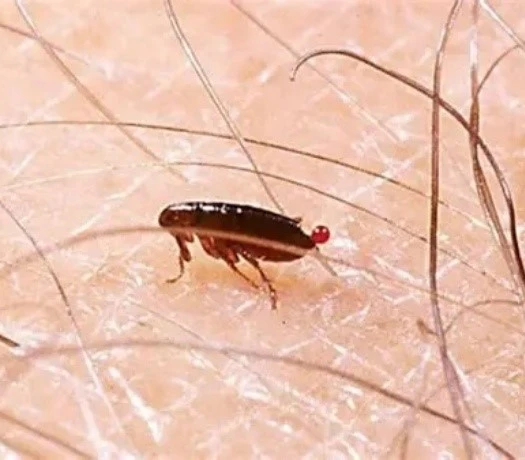
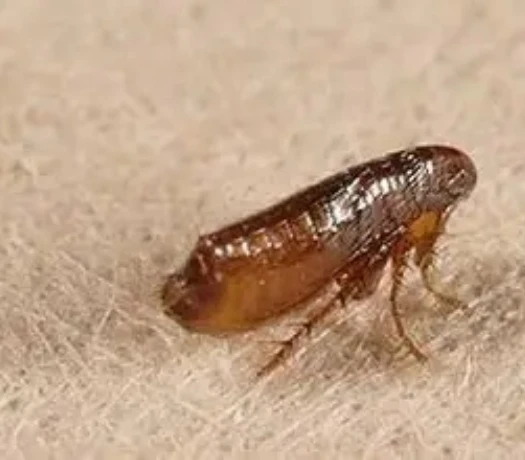
The depot effect in the sebaceous glands also adds to the duration of action – usually four weeks for fleas in most authorised products.
Factors That Influence Distribution Efficiency
Several factors impact the thoroughness of fipronil distribution. Bathing the pet within 48 hours after application may interfere with the first absorption phase. Pets with extremely thick or dense coats may be a little slower in dispersion. The right dose also depends on the body weight, that is why compound fipronil drops come in weight-specific volumes to provide optimal skin covering and constant effectiveness.
Compound Fipronil Drops for Comprehensive Flea Management in Multi-Pet Environments
Treating All Animals Simultaneously
Having more than one pet and treating just one means the other animals are left untreated and act as reservoirs for the flea lifecycle to continue. Adult fleas may hop from host to host at will and an untreated dog or cat can release eggs to the environment again and over. This gap in protection is closed by simultaneous treatment of all vulnerable animals with compound fipronil drops.
Veterinary recommendations always emphasise that concurrent treatment is a fundamental step in multi-pet flea control. Even dogs who never go outside should be included since fleas may enter a house on clothes,
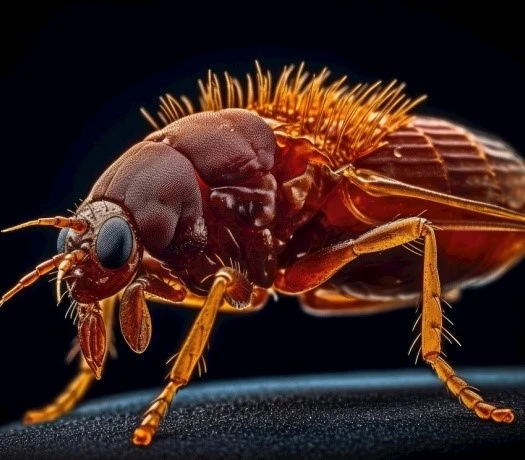
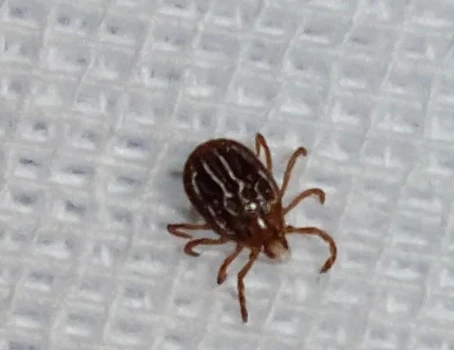
shoes or via short outdoor contact.
Environmental Considerations Alongside Pet Treatment
Topical fipronil targets the on-animal population, while most flea eggs, larvae and pupae survive off the host. A more thorough approach to managing this issue would be to regularly hoover, wash pet bedding at high temperatures, and use a suitable home pesticide along with compound fipronil drops. The treatment of the animal and the surroundings caused a significant increase in the rate of decrease of overall flea burden.
When to Use Compound Fipronil Drops for Long-Term Flea Lifecycle Control
Seasonal Timing vs. Year-Round Application
Fleas are most active in warm, humid circumstances, but indoor facilities, especially those with central heating, may support flea populations year round. "Relying on seasonal treatment leaves a window of vulnerability. Consistent suppression of the chemical fipronil drops administered monthly throughout the year, independent of ambient temperature swings.
In temperate areas, initiating treatment in early spring, before the height of flea season, establishes a population barrier that stops the initial increase. Veterinary parasitologists generally recommend continual treatment as the most successful strategy for houses with a known history of fleas.
Recognizing When Treatment Needs Reassessment
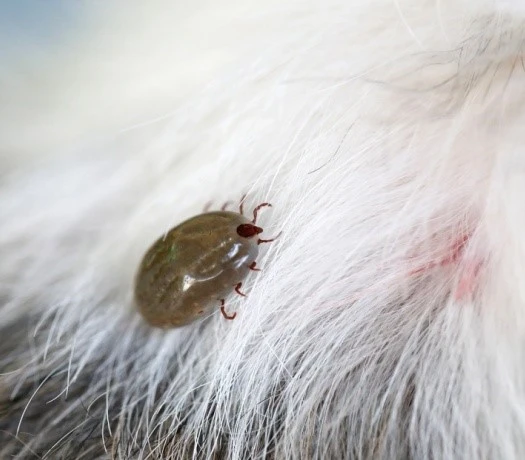
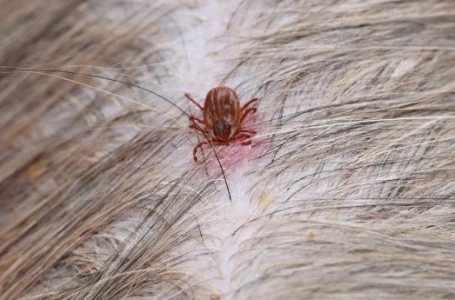
Even with constant usage, therapeutic failures are occasional. Signs such as prolonged scratching, visible flea filth or sightings of fleas more than two weeks after administration may be due to inappropriate dose, product misapplication or a very severe environmental load. In these circumstances the suggested procedures are to re-evaluate application method, provide weight appropriate dose and increase environmental treatment before the product is considered useless.
Conclusion
Fleas thrive because their life cycle is designed for survival. However, a treatment plan that exclusively targets adult fleas allows the remaining 95% of the population to recover. Compound fipronil drops, particularly those with added complimentary IGR components, target the lifecycle at several stages – killing adults quickly, decreasing the number of eggs laid in the environment, and inhibiting larval development over time. The use of topical fipronil remains one of the most well-supported methods for long-term flea lifecycle control when administered consistently.
FAQ
1.How quickly do compound fipronil drops start working after application?
+
-
Fipronil begins affecting adult fleas within a few hours of contact with a treated animal. Most formulations achieve greater than 95% adult flea kill within 24 to 48 hours of application, based on published veterinary efficacy studies.
2.Can compound fipronil drops be used on both dogs and cats?
+
-
Fipronil is approved for use in both dogs and cats in most markets, but formulations differ by species and body weight. Always confirm that the specific product is labeled for the target species, as concentration and volume requirements vary.
3.Do compound fipronil drops require a prescription?
+
-
This depends on the country and specific formulation. Many over-the-counter versions are available in retail settings, while higher-concentration or combination-formula products may require veterinary authorization. Check local regulatory requirements before purchasing or supplying.
Partner with Bloomtechz - Your Reliable Compound Fipronil Drops Supplier
At Bloomtechz, we supply high-purity active pharmaceutical and fine chemical ingredients to businesses that demand consistent quality and traceable sourcing. As a trusted compound fipronil drops supplier, we operate from a 100,000 m² GMP-certified production site that has passed on-site inspections by the US FDA, CFDA, PMDA, and BGV-Hamburg Germany. Our triple-link quality assurance process - in-factory testing, internal QA/QC review, and third-party authority verification - ensures that every batch meets international standards. With over 12 years of experience in organic synthesis and pharmaceutical intermediates, Bloomtechz serves 24 qualified international clients across the pharmaceutical, specialty chemicals, and agrochemical sectors. If your business requires a verified, compliant source for compound fipronil drops or related active ingredients, reach out to our team directly at Sales@bloomtechz.com.
References
1. Dryden, M. W., Payne, P. A., & Smith, V. (2005). Efficacy of fipronil-(S)-methoprene spot-on and imidacloprid spot-on against flea populations in naturally infested dogs and cats. Veterinary Parasitology, 133(2–3), 127–136.
2. Hink, W. F., Drought, D. C., & Barnett, S. (1994). Effect of an experimental systemic compound, CGA-184699, on life stages of the cat flea, Ctenocephalides felis. Journal of Medical Entomology, 31(5), 773–777.
3. Postal, J. M., Guaguère, E., & Devauchelle, G. (1995). Efficacy of fipronil in the treatment and prevention of flea infestations on dogs and cats. Pratique Médicale et Chirurgicale de l'Animal de Compagnie, 30(5), 391–400.
4. Rust, M. K., & Dryden, M. W. (1997). The biology, ecology, and management of the cat flea. Annual Review of Entomology, 42, 451–473.
5. Beugnet, F., & Chardonnet, L. (1995). Tick resistance to pyrethroids in France. Veterinary Parasitology, 56(1–3), 169–179.
6. Mehlhorn, H., Mencke, N., & Hansen, O. (1999). Effects of imidacloprid and fipronil on adult and larval stages of the flea Ctenocephalides felis after in vivo and in vitro treatment. Parasitology Research, 85(8–9), 625–637.