


Parasites are a constant headache for pet owners, vets, and livestock management. Whether it's fleas lurking in a dog's coat or ticks digging into the skin, these critters are a great nuisance and may spread illness. Compound fipronil drops have become one of the most dependable topical remedies on the market. It combines powerful active ingredients with a simple application technique. In this post, we'll see how fipronil works at a molecular scale, how compound formulations increase its efficiency, and which parasitic issues these drops are most suited to handle.
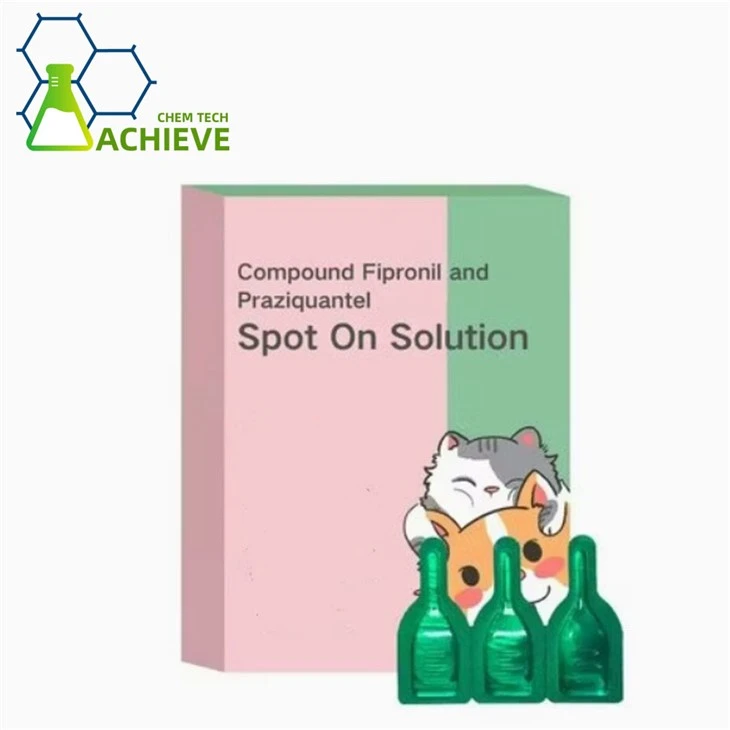
Compound Fipronil And Praziquantel Spot On Solution
1.General Specification(in stock)
(1)Solution
2.Customization:
We will negotiate individually, OEM/ODM, No brand, for secience researching only.
Internal Code: BM-9-022
Compound Fipronil and Praziquantel Spot On Solution
Main market: USA, Australia, Brazil, Japan, Germany, Indonesia, UK, New Zealand , Canada etc.
Manufacturer: BLOOM TECH Xi'an Factory
Analysis: HPLC, LC-MS, HNMR
Technology support: R&D Dept.-4
How Does Fipronil Work in Compound Fipronil Drops?
The Mechanism Behind Fipronil's Insecticidal Action
Fipronil is a member of the phenylpyrazole chemical family that affects the central nervous system of insects and arachnids. It operates by inhibiting the nerve cell gamma-aminobutyric acid (GABA)-gated chloride channels and glutamate-gated chloride channels. When these channels are blocked, chloride ions cannot pass freely, leading to uncontrolled neuronal hyperexcitation. The infected parasite will suffer involuntary muscular spasms, paralysis, and death, usually within 24 to 48 hours after exposure.
The specific toxicity of fipronil is what makes it so effective. Dogs and cats, like other vertebrates, have GABA receptors that are structurally different from those of invertebrates; therefore,
fipronil binds far more tightly to insect receptors than to mammalian ones. This structure selectivity underlies the safety of compound fipronil drops in the recommended usage.
Why Topical Delivery Amplifies Performance
In a spot-on or drop formulation of fipronil, it is distributed throughout the skin surface by the animal's sebaceous glands and coat oils. This mode of distribution permits reaching sites far from the place of application by the active substance. Studies reported in veterinary parasitology literature demonstrate that fipronil reaches systemic skin distribution within 24 h after topical treatment, with residual action for weeks depending on the concentration of the formulation.
Compound Fipronil Drops: How Combined Active Ingredients Target Parasites
The Role of Synergistic Compounds in Formulation
The term compound in compound fipronil drops has a scientifically valid meaning. The most modern formulations include a second active substance, often S-methoprene, pyriproxyfen or (S)-methoprene, in combination with fipronil, which intervenes at a different stage of the parasite's life cycle. Fipronil kills the adult parasites upon contact, but the other chemicals are known as insect growth regulators (IGRs), which stop flea eggs and larvae from maturing into adult, reproductive fleas.
This dual-action method addresses a key unmet need of single-ingredient therapies – adult kill alone does not interrupt the reproduction cycle.
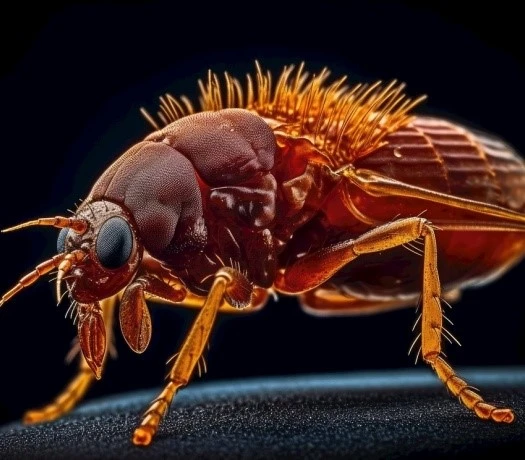
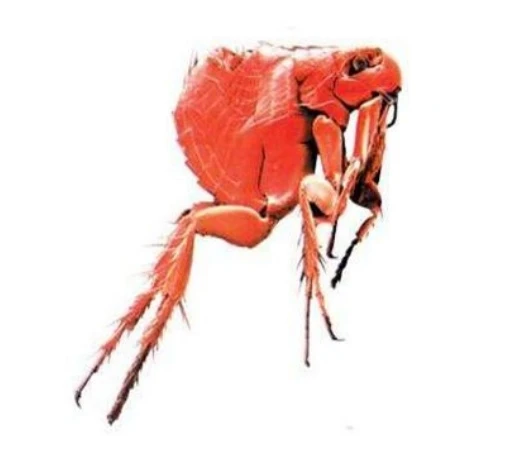
According to research from the Companion Animal Parasite Council, up to 95% of a flea infection occurs in the environment as eggs, larvae, and pupae, and not on the host animal itself. A chemical formulation targets simultaneously the visible adult population and the hidden developmental phases.
Formulation Chemistry and Stability Considerations
Exact pharmaceutical chemistry is needed to create a stable chemical formulation. The active components should be chemically compatible with the carrier solvent, potent for the specified shelf life, and should be able to permeate effectively through the lipid layer of the skin.
The solvent systems utilized in compound fipronil drops are alcohol-based or oil-based carriers that are designed to maximize transdermal absorption of the compound and minimize skin irritation. The quality of raw fipronil active pharmaceutical ingredient (API) used significantly impacts the bioavailability and performance of the finished product. Hence, the importance of sourcing from a certified GMP-compliant source is huge.
Which Parasites Can Compound Fipronil Drops Help Control?
Fleas: The Most Common Target
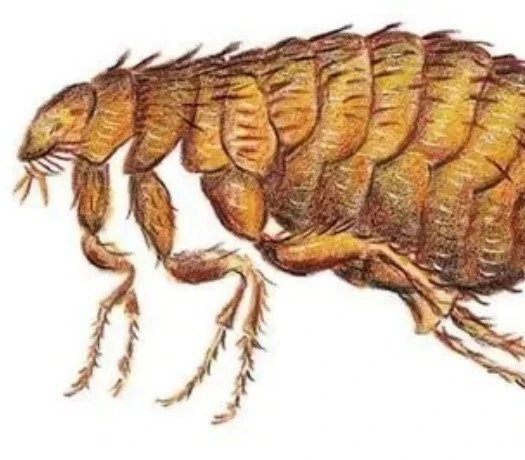
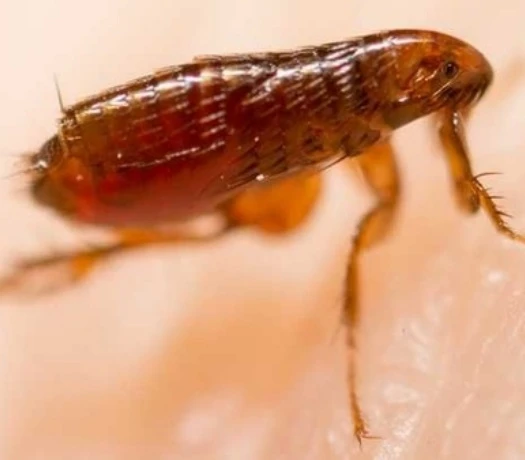
The principal indication for the use of compound fipronil drops in companion animal medicine is still fleas. The two species most often found in the home are Ctenocephalides felis, the cat flea, and Ctenocephalides canis, the dog flea. Fipronil kills adult fleas within 24 to 48 hours, and the IGR component stops eggs from developing for a long time. Clinical experiments have shown that therapy with the chemical drops reduces flea populations by more than 90% within one month of treatment in afflicted animals.
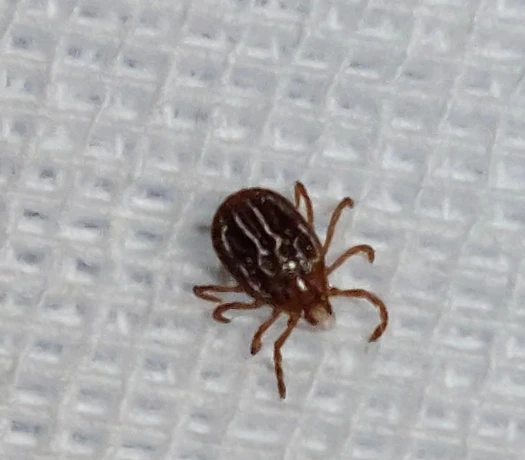
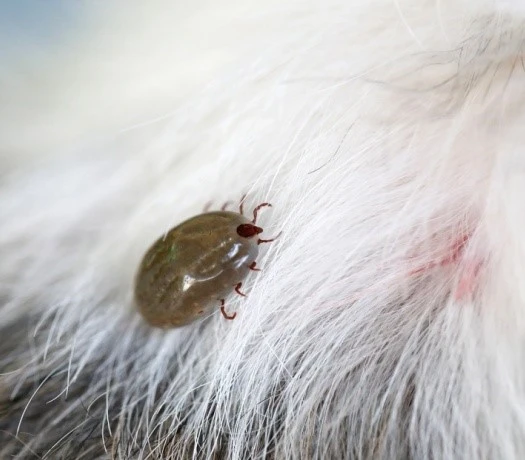
Ticks and Chewing Lice
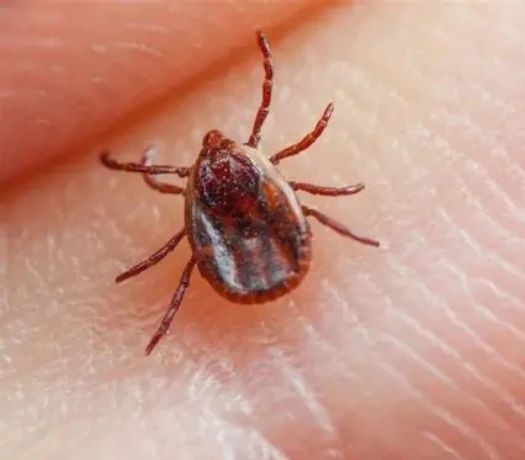
In addition to fleas, fipronil combination drops have extensive effectiveness against various species of ticks, including Ixodes scapularis, Rhipicephalus sanguineus and Dermacentor variabilis, which are vectors of Lyme disease, Rocky Mountain spotted fever and ehrlichiosis. Fipronil is lipophilic and readily accumulates in the oils of the skin where ticks feed and may be successfully delivered in fatal amounts in contact. Topical administration of fipronil-based products is also effective in the treatment of chewing lice infestations in dogs and cats, with studies indicating 100% eradication within two treatment cycles.
Choosing Compound Fipronil Drops for Specific Pet Parasite Concerns
Matching Formulation Strength to Animal Size and Species
Not all compound fipronil drops have the same concentration. Formulations are tailored to the weight range of a particular animal and species – dogs, cats, rabbits, and ferrets all have different physiological tolerances. Formulation selection is species-specific and non-negotiable. Cats, for example, do not possess certain hepatic enzymes that degrade permethrin quickly. Veterinarian recommendation enables the selected product to correspond to the animal's weight category and health condition, avoiding under-dosing (which leads to treatment failure) or over-application.
Evaluating Product Quality Indicators
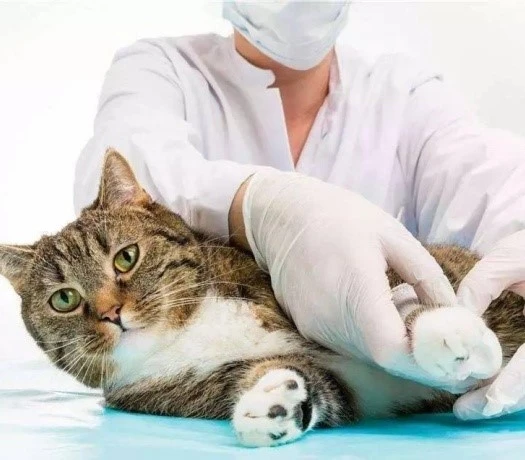
The essential parameters for choosing fipronil compound drops for professional or commercial usage are the purity of the formulation and the quality of the API. The active ingredient, fipronil, is a high-purity grade manufactured under GMP-certified settings for consistency of efficacy from batch to batch. Buyers who want to source for veterinary product manufacturing or distribution channels should inquire for certificates of analysis, residual solvent data, and third-party laboratory verification to ensure specifications are compliant with regulatory requirements.
How to Assess the Effectiveness of Compound Fipronil Drops in Parasite Control
Monitoring Protocols After Application
The effectiveness test starts during the first 48 hours after application. You may see for yourself that scratching behavior has decreased or that flea combing or visual tick inspections have been positive. A practical timeframe to evaluate flea infestations is four to eight weeks, based on the growth period from egg to adult. Concurrent environmental cleansing (vacuuming, washing bedding at high temperatures) should be done alongside topical therapy to avoid reinfestation from domestic reservoirs.
Recognizing Signs of Treatment Success or Resistance
Persistent parasite activity after two consecutive treatment cycles needs further research. Documented geographic pockets of fipronil resistance in flea populations are present in the peer-reviewed literature, especially in areas with heavy historical product use. Resistance indicators are decreased kill speed and survival of treated adults. This difficulty may be addressed by switching to a formulation that includes a mechanistically different secondary ingredient, or by visiting a veterinary parasitologist. The data basis for these treatment choices is accurate recording of dates of application and results observed.
Conclusion
Compound fipronil drops are a scientifically sound way to control parasites. Fipronil acts quickly with a neurotoxic effect, and other active ingredients are added to interfere with parasite multiplication. These products may be used to treat a broad range of ectoparasite problems in companion animals, ranging from fleas and ticks to chewing lice. The efficacy depends on the quality of formulation, accurate species-specific application, and regular monitoring measures. For formulators, distributors, and manufacturers who rely on high-purity fipronil API and compound intermediates, supply chain quality is just as crucial as chemistry.
FAQ
1. What is the primary active ingredient in compound fipronil drops, and how does it differ from standard fipronil products?
+
-
Fipronil is the core active ingredient in compound formulations, but compound versions pair it with a secondary compound such as S-methoprene or pyriproxyfen. Standard single-ingredient fipronil products only eliminate adult parasites, whereas compound formulations additionally disrupt egg and larval development, providing more comprehensive parasite lifecycle control.
2. How long do compound fipronil drops remain effective after application?
+
-
Most compound fipronil drops maintain adulticidal activity for four weeks against fleas and up to one month against common tick species, depending on the product concentration and the animal's bathing frequency. The IGR components typically provide ovicidal and larvicidal protection for a comparable or longer duration within the application cycle.
3. Can compound fipronil drops be used in manufacturing veterinary pharmaceutical products?
+
-
Yes. Fipronil API is a key raw material in the production of topical veterinary antiparasitic formulations. Manufacturers sourcing fipronil for compound drop production require pharmaceutical-grade material with documented purity, stability data, and GMP manufacturing credentials to meet regulatory submission requirements across markets including the US, EU, and Asia-Pacific.
Partner with Bloomtechz for Your Compound Fipronil Drops Supply
Are you searching for a trusted compound fipronil drops supplier who delivers consistent quality at competitive value? Bloomtechz has served 24 prominent international clients across pharmaceutical, specialty chemical, and new materials sectors since 2008, backed by a 100,000-square-meter GMP-certified production facility holding US FDA, EU GMP, JP, and CFDA certifications. Our triple-layer quality verification process - in-factory, in-house QA/QC, and independent authority agency review - ensures every batch meets your specifications. With over 250,000 chemical categories available and full documentation support for customs clearance, Bloomtechz makes sourcing fipronil API and compound intermediates straightforward and reliable. Reach out today to discuss your requirements:
References
1. Dryden, M. W., Payne, P. A., & Smith, V. (2005). Efficacy of fipronil-(S)-methoprene combination spot-on against fleas and ticks on dogs and cats. Veterinary Parasitology, 132(1–2), 149–155.
2. Rust, M. K., & Dryden, M. W. (1997). The biology, ecology, and management of the cat flea. Annual Review of Entomology, 42, 451–473.
3. Sture, G. H., & Lloyd, S. (2002). Advances in flea control: The role of insect growth regulators in integrated pest management for companion animals. Veterinary Dermatology, 13(4), 201–210.
4. Eugnet, F., & Marié, J. L. (2009). Emerging arthropod-borne diseases of companion animals in Europe. Veterinary Parasitology, 163(4), 298–305.
5. Companion Animal Parasite Council. (2021). Ectoparasite management guidelines for companion animals. CAPC Veterinary Parasitology Guidelines, North American Edition.
6. World Health Organization. (2009). Fipronil in drinking-water: Background document for development of WHO guidelines for drinking-water quality. WHO/SDE/WSH/09.01/4.