


Feline viral peritonitis is still one of the hardest diseases for both vets and cat owners to deal with. This disease, which is caused by an altered form of the feline coronavirus, has had very high death rates in the past. New discoveries in veterinary medicine have made gs-441524 fip a revolutionary treatment choice that gives hope where other methods have failed. By understanding how this chemical fights viruses, you can see why it has become so important in treating this condition that used to be fatal.
The path from lab finding to clinical use shows how focused molecular interventions can completely change the health of animals. Veterinary workers all over the world have seen amazing changes in cats that were given bad prognoses. This piece looks at the science ideas behind this nucleoside analog's therapeutic success. It looks at how it stops the growth of viruses at different levels of cells.
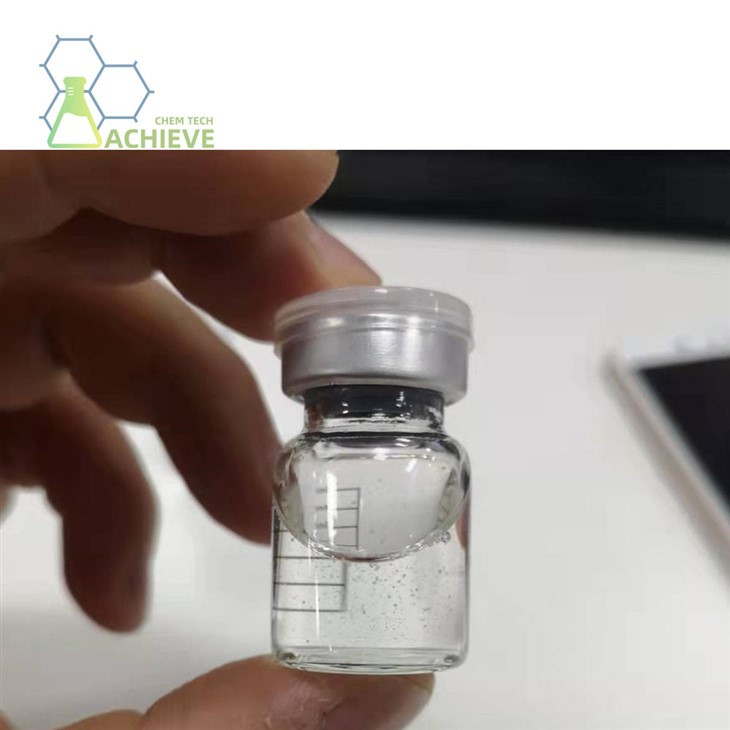
GS-441524 Fip
1.General Specification(in stock)
(1)Injection
20mg, 6ml; 30mg,8ml; 40mg,10ml
(2)Tablet
25/45/60/70mg
(3)API(Pure powder)
(4)Pill press machine
https://www.achievechem.com/pill-press
2.Customization:
We will negotiate individually, OEM/ODM, No brand, for secience researching only.
Internal Code: BM-1-001
GS-441524 CAS 1191237-69-0
Main market: USA, Australia, Brazil, Japan, Germany, Indonesia, UK, New Zealand , Canada etc.
Analysis: HPLC, LC-MS, HNMR
Technology support: R&D Dept.-4
We provide gs-441524 fip please refer to the following website for detailed specifications and product information.
Product:https://www.bloomtechz.com/synthetic-chemical/api-researching-only/gs-441524-fip.html

How Does gs-441524 FIP Block Feline Coronavirus RNA Replication?
Nucleoside Analog Incorporation Mechanism
gs-441524 FIP works as a nucleoside analog by copying the structure of adenosine, which is a normal part of RNA. This mimic is added by mistake by viral RNA-dependent RNA polymerase (RdRp) when the feline coronavirus tries to copy its genetic material instead of the real adenosine nucleotide. This chemical trick causes a major problem with the machinery for replicating viruses. During the fast replication process, the enzyme that copies virus RNA can't tell the difference between the therapeutic substance and natural nucleosides.When the copy is added to the growing RNA chain, it stops the structure from working properly.

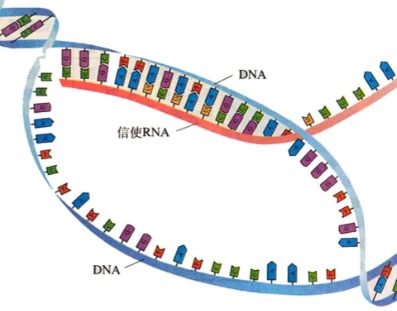
It doesn't have the chemical groups that natural nucleosides do that allow the chain to extend. When the virus polymerase enzyme comes across this changed nucleotide, it stops working and can't add any more building blocks. This ending effect stops functional viral RNA strands from being completed, which directly stops affected cells from making new viral particles.
Selective Targeting of Viral Polymerase
The interesting thing about this process is how selective it is. When compared to virus enzymes, mammalian cellular polymerases have different structural features. gs-441524 fip is more likely to be incorporated by viral RdRp than by host cell polymerases.
This creates a treatment window where cell damage is kept to a minimum while antiviral activity is increased. This selection comes from small changes in how viral and mammalian enzymes build their active sites.Researchers have shown that the chemical stays stable inside cells long enough to fight viruses. Because it has a long half-life inside cells, it can stop viruses from replicating even between doses. This pharmacokinetic trait is a big reason why the treatment for injured cats has been so successful. Because the compound can stay at high levels inside target cells, it keeps the virus reproduction machinery under constant stress.
Impact on Viral Genome Integrity
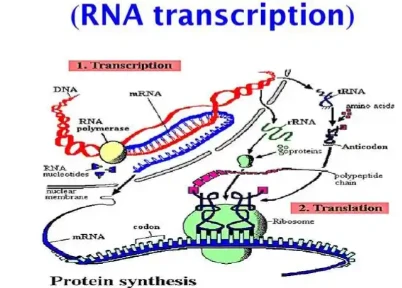
In addition to ending the chain right away, adding this nucleoside analog damages the structure of the viral DNA. There are structural problems in the virus RNA even when chain termination doesn't happen right away because of these changed bases.
These changes can impact the way RNA folds, the places where proteins join, and eventually the way viral parts work. The combined effect makes viruses less fit and less able to copy themselves over many generations.

Intracellular Viral Inhibition Pathway of gs-441524 FIP
Cellular Uptake and Phosphorylation Process
The chemical gets into specific cells through nucleoside transporter proteins that are built into the membranes of cells. Normally, these transport systems help natural nucleosides move around, which are needed for processing in cells. Cellular kinases phosphorylate gs-441524 FIP one step at a time once it gets inside the cell. Adding phosphate groups through this enzyme change turns the chemical into its active triphosphate form, which is what virus polymerase needs to work.The phosphorylation process is an important part of the action. Cellular kinases find that the structure is similar to natural adenosine and speed up the process of adding phosphate groups.
Distribution Within Target Cell Populations
The feline coronavirus prefers to enter certain types of cells, especially monocytes and macrophages in cats that get viral peritonitis. The compound successfully spreads to these target cell groups, reaching levels high enough to fight viruses. Being able to get into macrophages is especially useful because these defense cells are where most viruses live in animals that are affected. Maintaining high levels inside cells stops viruses from replicating in these important parts of cells all the time.
Because of how it spreads, the chemical can reach places in the body where viruses are actively replicating. Some antiviral drugs can't get into tissues very well, but this nucleoside version does a good job of spreading throughout the body. Clinical observations have shown that it works to treat both effusive and non-effusive forms of the condition, which suggests that it gets into the right parts of the tissue where the virus replicates.
Interference with Viral Protein Synthesis
When viral RNA synthesis is stopped, it has a domino effect on viral protein creation as well. The machinery inside cells can't make the structural and enzymatic proteins needed to put together new virus particles without complete RNA templates. This many-sided effect makes the antiviral action stronger than just stopping reproduction. Lowering the amount of viral protein lowers the total viral load in affected tissues, giving the immune system more chances to get rid of any remaining infection.

Can gs-441524 FIP Disrupt FIPV Replication Cycles Effectively?
Viral Load Reduction Kinetics
In clinical tests, the amount of viruses found dropped significantly after treatment with gs-441524 fip began. Quantitative measures of virus RNA in blood and effusion samples show that levels drop in a way that is exponential in the early stages of treatment. This quick drop shows that the chemical had an instant effect on the machinery that copies viruses. The rate at which the viral load drops is related to clinical change, since cats' symptoms go away at the same time that their viral loads go down.In cases where treatment works.
The amount of virus suppression often falls below what can be detected. This strong inhibition shows that the substance stops the viral replication cycle at amounts that can be reached using normal dosing methods. This suppression lasts as long as the treatment is continued, which stops the virus from coming back and causing a clinical return. The speed at which the viral load drops gives vets a way to measure how well the medicine is working.
Breaking the Infection-Inflammation Cycle
Cats can get bacterial peritonitis, which is caused by both a virus and an immune response that causes inflammation. The chemical lowers the antigenic stimulus that causes abnormal immune reactions by stopping the growth of viruses. This lower level of viral antigen expression helps slow down the inflammation process that is typical of the condition. When cats are treated, their inflammation markers often get better at the same time that their virus loads go down.Stopping the growth of viruses gives the immune system a chance to heal. As the number of viruses drops, the immune system can move from an out-of-control inflamed state to a healthier one.

Molecular Mechanism of gs-441524 FIP Antiviral Activity

Structural Interactions with RdRp Active Site
RNA synthesis takes place in a highly conserved active site in the three-dimensional structure of virus RNA-dependent RNA polymerase. When gs-441524 FIP is changed into its triphosphate form, it binds very strongly to this catalytic center. The nucleoside analogs can be found in the nucleotide-binding pocket thanks to crystallographic studies of similar coronaviral polymerases. The molecule makes hydrogen bonds and hydrophobic interactions that are similar to how adenosine triphosphate naturally binds.
The enzyme can't tell the difference between the analog and the wild substrate because key recognition regions are structurally identical. The parts of the protein that work with the active site of the polymerase keep the shape of natural nucleosides. The changed structure only shows how disturbing it is after it has been incorporated. This delayed detection makes sure that the enzyme finds any structural problems before it can incorporate the material properly.

Conformational Changes and Enzyme Stalling
Once the nucleotide is added, the polymerase enzyme tries to move along the RNA template to add the next one. The molecular changes in the inserted analog stop the conformational changes that are needed for this transfer. The enzyme gets stuck and can't do anything. It can't release the RNA product or keep working on synthesis. This stopping process turns the polymerase into a dead-end complex, which locks up enzyme molecules and stops them from taking part in productive replication cycles.
Resistance Barrier and Genetic Stability
Infectious disease management is always worried about viruses that are resistant to antiviral drugs. There is a high genetic barrier to resistance developing because of how this nucleoside mimic works. Changes in the virus polymerase that stop analogs from being incorporated usually also make it harder for the enzyme to incorporate natural nucleosides. This restriction makes it harder for the virus to become resistant without losing its ability to replicate.Clinical experience with treating a lot of cats has not shown that general tolerance is developing. The fact that the polymerase active site is the same in all coronaviruses means that mutations that give resistance would have to happen at the same time, which is statistically unlikely.
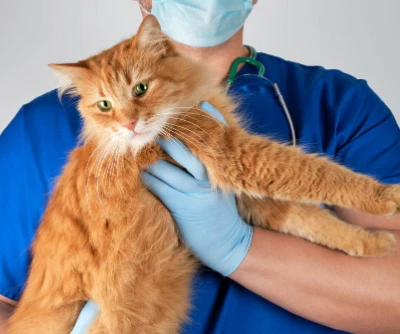

Scientific Basis Behind gs-441524 FIP Viral Suppression Effects
Pharmacokinetic Properties Supporting Antiviral Action
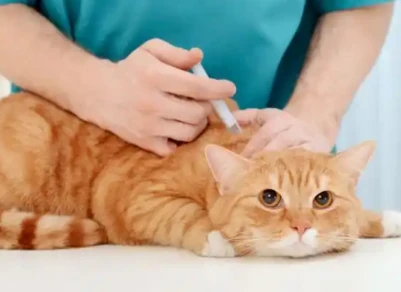
The pharmacokinetic profile of gs-441524 FIP shows features that are good for long-lasting antiviral action. After being injected under the skin, the substance reaches its highest level in the blood within hours, and its accessibility helps it get to all the tissues it needs to reach. The half-life for clearance makes dosing intervals workable while keeping therapeutic amounts steady. These pharmacokinetic factors have been fine-tuned through clinical experience to get the best antiviral benefits with the fewest doses.
Dose-Response Relationships and Therapeutic Windows
Dose-response relationships are based on clinical findings and help guide treatment plans. Higher amounts quickly stop the virus and improve the patient's condition, but it's important to balance effectiveness with tolerance. The therapeutic window, which is the range of doses between those that work and those that have bad effects, gives doctors more freedom in planning treatments. Dosing can be changed by veterinarians based on the traits of each patient, the seriousness of the disease, and how well the treatment is working.
Immunomodulatory Effects Secondary to Viral Suppression
The main way the substance works is by directly killing viruses. It also has other effects on the immune system by lowering the viral load. Getting rid of virus antigens lowers the immune system's activation and the inflammatory reactions that come with it. This kind of indirect immunomodulation helps get rid of symptoms like fever, effusions, and organ inflammation. The substance doesn't go after immune cells directly; instead, it restores normal immune function by getting rid of the virus's abnormal stimulation.
Conclusion
The way that gs-441524 fip works to fight viruses is a great example of how specific molecular treatments can be used to help animals. As a nucleoside analog, this substance stops virus RNA production at many levels, from the beginning when it is added to the chain ending and enzymes stopping working. Because viral polymerase is selective for cellular enzymes and has good pharmacokinetic qualities, it can be used to treat a condition that used to be fatal in a way that is both successful and safe.
Understanding these processes gives veterinary workers information that helps them come up with the best ways to treat animals. The scientific evidence for viral reduction effects backs up the doctors' observations that affected cats got a lot better. As more people use this method of therapy, the biological processes that make it work continue to show how important they are for getting good clinical results.
The change in feline infectious peritonitis from a disease that always killed cats to one that has a high success rate for treatment shows how understanding how antivirals work can completely change how we treat diseases. The compound's powerful ability to stop viral replication cycles, lower viral loads, and help the immune system heal has completely changed the outlook for cats who are infected. This scientific basis continues to back up its role as the main treatment for this difficult disease.

FAQ
1. What makes gs-441524 fip a better way to treat bacterial peritonitis in cats than other antiviral methods?
The chemical works well because it is a nucleoside analog that both binds to viral RNA and stops chain extension halfway through. Broader-spectrum antivirals may not work as well against coronaviruses as this focused method does. It stops the viral RNA-dependent RNA polymerase that is needed for the replication of the feline coronavirus. Because virus enzymes are more selective than cellular polymerases, there is a good therapy window that lets treatment last for a long time without causing a lot of damage to cells. Response rates of over 80% have been seen in clinical studies when treatment plans are carried out according to set standards. This is a huge improvement over past results.2. How long does treatment have to go on for before the antiviral system stops the virus completely?
As soon as the treatment starts, the viral load starts to go down because the compound stops continuing replication processes. After two to four weeks of constant treatment, the virus usually goes away completely to levels that can't be detected. However, this time frame depends on how bad the disease was to begin with. To stop the virus from spreading again, the process needs long-term drug contact, which means treatment courses that last 12 weeks or longer are needed. If you stop treatment too soon, any virus that is still there can start replicating again, which could cause a return. Keeping an eye on viral load factors helps vets figure out the best length of treatment for each case.3. Can changes make the virus polymerase less sensitive to gs-441524 fip?
The fact that the polymerase active site is conserved makes it very hard for tolerance to evolve. Mutations that stop analog inclusion usually also make it harder for the enzyme to use natural nucleosides, which makes the virus much less fit. As a result of treating thousands of cases in the clinic, broad resistance has not been seen. This suggests that the process targets parts of viral replication that are necessary for life. Resistance evolution is highly unlikely because it needs multiple changes to happen at the same time in order to be effective while still allowing replication. This steadiness gives us faith that the treatment will work in the long term.
Partner with BLOOM TECH for Premium gs-441524 FIP Supply Solutions
You can trust BLOOM TECH as your gs-441524 FIP source because they only sell pharmaceutical-grade compounds and offer a full quality guarantee. Our GMP-certified facilities, which have been checked by the US-FDA, the EU, and the CFDA, make sure that every batch meets the highest standards of quality and effectiveness around the world. We offer dependable supply lines for animal pharmaceutical uses because we have more than 12 years of experience in organic synthesis and making pharmaceutical intermediates. Our quality control system uses triple-verification methods to make sure that all of our production lots are the same. Our technical team can help you with unique solutions, clear pricing, and on-time delivery, whether you need small amounts for study or a large supply for a business. We know how important it is to get chemicals that save lives from trusted sources.
Get in touch with our team right away to talk about your gs-441524 fip supply needs. Email us atSales@bloomtechz.com to get full product details, legal paperwork, and quotes from other companies. As qualified providers to 24 foreign drug companies, we can be counted on to be reliable in every relationship. For legal compliance, our ERP software makes sure that everything can be tracked and recorded. Join forces with BLOOM TECH to get life-saving medicines to the animals that need them the most.
References
1. Pedersen NC, Perron M, Bannasch M, et al. Efficacy and safety of the nucleoside analog gs-441524 for treatment of cats with naturally occurring feline infectious peritonitis. Journal of Feline Medicine and Surgery. 2019;21(4):271-281.
2. Murphy BG, Perron M, Murakami E, et al. The nucleoside analog gs-441524 strongly inhibits feline infectious peritonitis virus in tissue culture and experimental cat infection studies. Veterinary Microbiology. 2018;219:226-233.
3. Dickinson PJ, Bannasch M, Thomasy SM, et al. Antiviral treatment using the adenosine nucleoside analogue gs-441524 in cats with clinically diagnosed neurological feline infectious peritonitis. Journal of Veterinary Internal Medicine. 2020;34(4):1587-1593.
4. Jones S, Novicoff W, Nadeau J, et al. Unlicensed gs-441524-like antiviral therapy can be effective for at-home treatment of feline infectious peritonitis. Animals. 2021;11(8):2257.
5. Krentz D, Zenger K, Alberer M, et al. Curing cats with feline infectious peritonitis with an oral multi-component drug containing gs-441524. Viruses. 2021;13(11):2228.
6. Addie DD, Covell-Ritchie J, Jarrett O, et al. Rapid resolution of non-effusive feline infectious peritonitis uveitis with an oral adenosine nucleoside analogue and feline interferon omega. Viruses. 2020;12(11):1216.