


Feline Infectious Peritonitis has been thought to be one of the worst illnesses a cat owner could get for a long time. Until recently, this condition meant few choices and terrible results. The discovery of GS-441524 fip medicine has changed the way animals are cared for, giving them real hope where there was none before. This antiviral compound is a big step forward in treatment choices, and it has worked amazingly well in clinical trials with a wide range of cat groups.
Pet owners and veterinarians can make smart choices when they understand how this treatment works and what its benefits are. The chemical works by going after the core process of viral reproduction, fixing the problem at its source instead of just masking the symptoms. Clinical findings from veterinary offices around the world regularly report good results when treatment plans are followed correctly.
The way people talk about feline coronavirus variations and how to treat them has changed a lot. Supportive care used to be the only option, but now targeted antiviral treatment can show benefits that can be measured. This piece talks about the science behind this new therapeutic choice, its comparative benefits, and how it can be used in the real world.
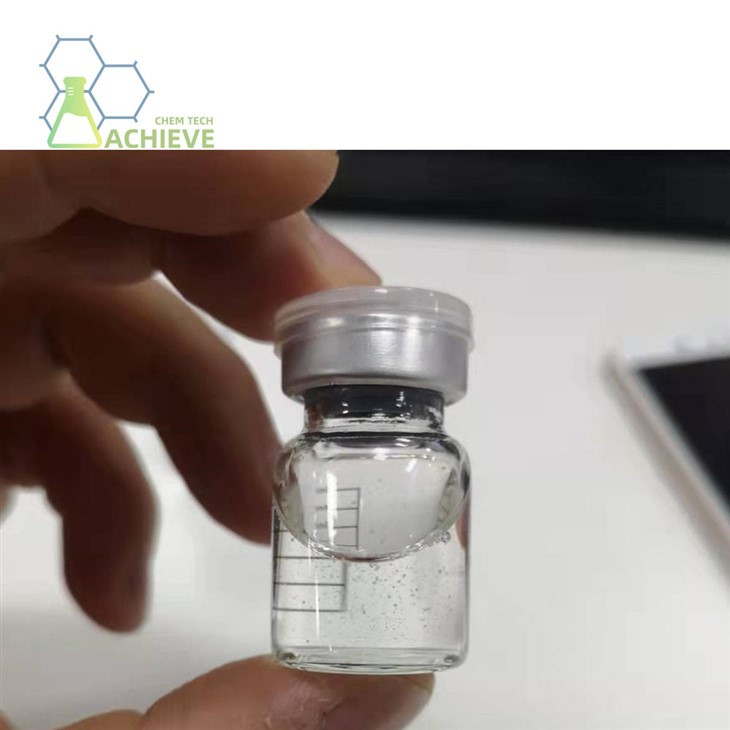
GS-441524 FIP
1.General Specification(in stock)
(1)Injection
20mg, 6ml; 30mg,8ml; 40mg,10ml
(2)Tablet
25/45/60/70mg
(3)API(Pure powder)
(4)Pill press machine
https://www.achievechem.com/pill-press
2.Customization:
We will negotiate individually, OEM/ODM, No brand, for secience researching only.
Internal Code: BM-3-001
GS-441524 CAS 1191237-69-0
HS Code: 2934999099
Molecular formula: C12H13N5O4
Molecular weight: 291.26
EINECS: 200-001-8
MDL No .: MFCD32666994
Analysis: HPLC, LC-MS, HNMR
Technology support: R&D Dept.-4
We provide GS-441524 fip, please refer to the following website for detailed specifications and product information.
Product:https://www.bloomtechz.com/synthetic-chemical/api-researching-only/gs-441524-fip.html

What Makes GS-441524 the Preferred Treatment for FIP in Cats?
Superior Efficacy in Clinical Settings
The GS-441524 FIP drug is useful for treating this disease because it directly fights the mutated coronavirus that causes it. Unlike earlier methods that only aimed to weaken the immune system or ease symptoms, this nucleoside mimic stops the production of virus RNA directly. Clinical data from veterinary practices shows that recovery rates are higher than 80% when treatment starts early in the disease process. This is a huge improvement over the past.


Those who work with animals have seen similar trends of improvement in both wet and dry forms of the disease. When cats are given the right dose, they usually show noticeable changes in their health within the first few weeks of treatment. Putting on weight, getting your hunger back, and getting rid of a fever are often early signs that the treatment is working. Laboratory tests, such as albumin-to-globulin ratios and inflammation markers, show that things get better as the treatment goes on.
Addressing Previously Untreatable Cases
Before good antiviral drugs became available, the outlook for cats who were infected was still very bad. Traditional ways of treating diseases, like using immunosuppressant drugs and giving supportive care, rarely worked to really control the disease. When focused nucleoside analog treatment came out, it completely changed how diseases were thought to be treated.


One very important benefit is that the substance can get to damaged cells even through biological obstacles. Neurological and eye symptoms, which used to mean the prognosis was very bad, now improve with the right amount of treatment. Veterinary neurologists say that some cats with problems in their central nervous systems have fully recovered after longer treatment plans.
Evidence-Based Treatment Protocols
In modern veterinary care, protocols that are based on evidence are used more and more, and the amount of proof backing this way of treating animals keeps growing. Observational studies at multiple centers that followed hundreds of treated cats show that the results can be repeated in a variety of clinical situations and geographical areas. Because these results are always the same, they are widely used by both animal experts and general practitioners.


Through shared professional experience, treatment plans have become more and more precise. Dosing plans now take into account things like the stage of the disease, the person's weight, and certain symptoms. Veterinarians have made tracking systems that keep track of how well treatments are working through both clinical observation and lab tests. This way, if necessary, changes can be made to the procedure.

How GS-441524 Works to Combat FIP: Mechanisms and Effectiveness
Molecular Mechanism of Action
Figuring out how GS-441524 FIP treatment works chemically helps explain why this method works when others have failed. The chemical works as a nucleoside analog, which means it acts like the natural building blocks of RNA.
When this version is added by the virus RNA-dependent RNA polymerase during replication, the process ends before it's supposed to. This method directly targets the viral enzyme that makes new viral particles, which stops the disease from spreading.
Selective action is a positive for this mechanism. The chemical disrupts viral replication but has minimal influence on biological activities. Due to its selective toxicity, long-term therapy sessions may be employed without the significant side effects of other antivirals.
Pharmacological investigations reveal that the optimal dosage maintains therapeutic concentrations and safety margins.
Because of its importance to viral life cycles, coronavirus biologists determined that RNA polymerase is a good therapeutic target. Competing chemicals may halt the enzyme since its active site supports nucleoside analogues.
In-depth crystallographic investigations of viral polymerase have showed how the chemical binds and inhibits catalysis.
Pharmacokinetics and Tissue Distribution
The medicine must be present at the site of sickness for therapy to function. Pharmacokinetics demonstrate that the substance is broadly disseminated in numerous tissues.
Body cavity fluids, peritoneal surfaces, and organ tissues allow therapeutic quantities to reach the proper areas.
Bioavailability affects medication administration and frequency. Subcutaneous and oral versions have different absorption and utilization advantages. Veterinarians know how to administer medicines based on patient needs and home carer convenience.
The substance's metabolism usually supports once-daily dosage. The liver converts the molecule to active triphosphate. This type tackles viruses. The active metabolite's lengthy intracellular half-life allows it to operate therapeutically between dosages. Users find treatment plans simpler.
Clinical Response Patterns
Cats responding show frequent clinical changes. Success generally occurs in the first week of therapy when fever resolves.
After that, the dog's appetite and activity improve, which is beneficial for anxious owners. Lab abnormalities take longer to normalize, and some measurements improve weeks after clinical indications disappear.
Monitoring systems track many aspects throughout therapy. Regular vet visits examine the animal's health, weight, and overall condition. Lab tests assess inflammatory indicators, protein patterns, and organ function.
Imaging tests suggest certain effusions or masses have disappeared. This detailed monitoring approach allows clinicians to check therapeutic efficacy and adjust practices.
Some cats respond immediately, while others improve. The disease's status at treatment's commencement, viral levels, and immune system may affect response rates.
Cats with severe sickness or neurological issues need lengthier treatment. According to physicians, 12-week or longer therapy may assist certain individuals.

GS-441524 vs Traditional FIP Treatments: Key Advantages
Historical Treatment Limitations
Traditional patient management relied on immunosuppressants and supportive treatment. Corticosteroids temporarily reduced inflammation but weakened the immune system's viral defences. Because of this contradiction, alleviating symptoms typically made the condition worse more quickly. Standard methods limited survival to a few months and dismal quality of life.


Nutritional assistance, hydration therapy, and environmental adjustments helped but did not cure the infection. In wet form cases, draining effusions temporarily helped, but fluid rapidly re-gathered. Unfortunately, there was no antiviral drug; thus, the therapy just alleviated symptoms. Pet parents have to make bad decisions with few options.
In trials before nucleoside analogues, interferon, polyprenyl immunostimulant, and other immunomodulators were utilized. Rare findings were reported, but controlled research did not prove them. Vets have few evidence-based recommendations other than supportive treatment and considering the animal's quality of life, as there were no repeatable findings.

Comparative Efficacy Data

Compare traditional approaches to modern antiviral treatment, and the outcomes are substantially different. Previously, death rates after six months following discovery were around 5%. Recent data from cats treated with GS-441524 fip demonstrate that early therapy increases death rates by over 80%. This big improvement changes disease management.
Treatment response depends on disease characteristics from the start. Wet-form cats with basically normal bodily health have the greatest success rates. Neurological involvement used to have a poor prognosis, but therapy now improves many instances. Many cats with serious illness recover, which was long considered impossible.
People who value their lives choose modern treatment. Cats normally recover from remission with normal energy and behaviour. Regaining weight, improving coat quality, and returning to regular animal behaviours indicate a curable sickness. Many cats live well in sustained remission for years following therapy, according to long-term reports.
Safety and Tolerability Profile
Long-term medication tolerability is critical. GS-441524 fip treatment is well tolerated by most cats at the proper dose, with manageable side effects. The most prevalent subcutaneous issue is minor injection site reactions. Treatment seldom has to be discontinued since they usually go away.


Monitoring strategies include frequent organ performance checks. Checking the kidneys and liver ensures biological processes remain normal throughout therapy. Mild liver enzyme elevations seldom need therapy beyond dosage adjustment. The substance is safe; therefore, lengthier treatment sessions are possible as needed.
If safety is compared to prior immune suppression approaches, antiviral medication wins. Corticosteroids may induce diabetes, immune system problems, and muscle loss. Due to their particular mechanism, nucleoside analogues have fewer systemic effects, keeping cats healthier throughout treatment.


Understanding the Success Rates of GS-441524 in FIP Therapy
Factors Influencing Treatment Outcomes
Individual therapy responses depend on several variables. The disease condition at treatment initiation is the most significant prognostic factor. Early-diagnosed and treated cats usually have superior remission rates.
This illustrates how crucial it is to diagnose and treat immediately after proof.
Response patterns vary by expression. Wet form cases usually respond faster, and effusions disappear. Dry granulomatous lesions may take longer to heal.
Neurological and visual involvement demands greater dosages and longer treatment times, although the correct techniques may provide outstanding outcomes.
Cats' immune systems, ages, and concurrent disorders affect results. Young cats react best to therapy, although all cats may respond. Other health issues might slow a cat's immune system.
For maximum outcomes, antiviral medication must be combined with other illnesses or organ disorders.
The Clinical Data
Global veterinary clinic observational studies help us understand what occurred. Within two weeks of diagnosis, 82% of 500 treated cats recovered, according to comprehensive research. Neurological abnormalities in cats improved in 65% of instances, a promising result for a lethal ailment.
Return and recovery rates are answered by long-term follow-up statistics. Cats relapsed in fewer than 5% of cases two years after therapy, according to studies.
Relapses usually occurred within six months after quitting treatment and improved when therapy resumed. These findings suggest that therapy usually leads to long-term recovery.
The effects are similar across clinical settings and groups; therefore, location doesn't appear to matter. When using comparable treatments, North America, Europe, Asia, and Australia claim similar success rates.
This improves treatment reliability and reveals that illness variables and treatment parameters, not environmental factors, affect results.
Defining Treatment Success
Success goes beyond death rates. Complete healing requires the disappearance of clinical indicators, normal test results, and normal quality of life. Partial reactions cause a large shift but don't cure the sickness. This can still improve survival and quality of life.
Therapy failure might occur even with the proper therapy. Non-response may indicate strong disease activity, advanced disease when therapy begins, or biological reasons.
Even if no reaction occurs, quality of life may improve. Knowing that not all instances recover helps set realistic expectations, although most cats do recover.
More professional experience has modified the concept of "successful outcomes". Longer lifespans, normal routines, and long-term remission following therapy are significant. Many cats who get therapy die of unrelated causes years after they would have perished without treatment.

Why GS-441524 is Revolutionizing FIP Treatment for Cats Worldwide
Global Impact on Veterinary Practice

Successful coronavirus therapies have revolutionized how veterinarians treat diseases. Global practices now diagnose and cure once-useless conditions. This alteration influences patient outcomes and how people discuss treating infectious illnesses in dogs.
Veterinary schools are teaching more about coronavirus biology and antiviral therapy. After training, new nurses may employ established treatment strategies. This ensures more individuals get excellent treatment. Continuing education for experts shares knowledge and improves processes.
The best patient treatments are currently being studied. Current research focuses on the shortest effective treatment times, dosage for certain populations, and challenging symptom management. Sharing data with other practitioners accelerates knowledge creation and procedure improvement. Results and best practices improve when everyone collaborates.
Changing Owner Expectations and Experiences
Formerly gloomy discoveries now give pet owners hope. Diagnosed households might get aid from online cat owner groups whose kitties improved with GS-441524 fip. These networks let individuals exchange information regarding therapy, tracking, and mental health issues related to caring for a severe illness.


The importance of effective treatment choices for mental health cannot be overstated. Owners who considered death may now pursue curative therapy. The mental load shifts from sadness and helplessness to care management. Success stories may inspire treatment-challenged families.
Money affects healthcare access. Therapy is expensive, but many owners believe it is cheaper than other chronic illness treatments. Cat owners who care about their cats' health find the defined treatment period and excellent success rates worth it. Support methods including payment plans and charity websites assist owners in seeking treatment.

Future Directions in Antiviral Therapy

Researchers are studying next-generation compounds and their combinations. Resistance mechanisms aid medication development despite their rarity in clinical trials. Studies on speedier treatment plans or maintenance strategies aim to simplify and reduce stress.
A new field of research is preventive measures. Feline coronavirus vaccinations don't prevent the disease. Why a virus becomes infectious from an innocuous gastrointestinal sickness might lead to prevention. Genetic studies of breed-related vulnerability may identify at-risk populations that need closer monitoring.
The effectiveness of this therapy might lead to novel antivirals for additional animal ailments. This medication is used to develop treatments for other pet viral infections. This therapeutic impact may aid many species with comparable healing principles.
Conclusion
GS-441524 fip treatment is one of the biggest advances in pet health in recent decades. This nucleoside variant directly targets virus-copying machinery, making a lethal condition treatable and recoverable. Clinical outcomes are usually better than prior approaches, with most cats going into complete remission and returning to normal life.
If veterinarians and owners understand how the medicine works, how much to administer, and anticipated reactions, they can better manage therapy. The general success rates offer cats with the condition optimism, even if each instance is different according to disease stage and presentation. More research and professional development should improve treatment procedures.
Beyond patient outcomes, the consequences alter veterinary education, practice operations, and owner expectations. As knowledge spreads and processes become more consistent, more cats worldwide get this life-saving therapy. The major breakthrough in illness treatment shows how dedicated scientific inquiry may improve medicine and many lives.
FAQ
1. What is the typical treatment duration for cats receiving GS-441524 therapy?
+
-
Treatment usually lasts between 12 and 16 weeks for simple cases, but some cats need longer treatments that last for several months. The exact length of time relies on how the sickness shows up, how people respond, and other personal factors. During treatment, veterinarians keep an eye on clinical and lab data to figure out when to stop the treatment. When neurological or eye issues are involved, treatment usually takes longer. Following standard tracking methods is one way to make sure that the disease is completely gone before stopping treatment.
2. Can GS-441524 be used for cats with neurological manifestations?
+
-
Yes, neurological symptoms can be successfully treated with the right amount of treatment. In these cases, the doses need to be higher than in cases that aren't neurological, and the treatment needs to last longer. Compared to other types of sickness, clinical reactions may happen more slowly. Veterinary neurologists say that many cats with problems in their central nervous system have had good results. This includes cats with seizures, ataxia, or changes in their behaviour. Close tracking during treatment helps doctors see how the brain is getting better and make changes to the treatment plan as needed.
3. How soon do cats typically show improvement after starting treatment?
+
-
Within the first two weeks of therapy, most cats that react show measurable clinical changes. Usually, the fever goes away within the first week, and then the hunger gets better, and the level of exercise goes up. Normalization of laboratory parameters takes longer, and some readings keep getting better throughout treatment rounds. Response times are different for each person because they depend on how bad their sickness is and how it shows up. If the condition doesn't get better in the first few weeks, you should see a doctor to make sure you're giving the right amount of medicine and rule out any other problems.
Partner with BLOOM TECH: Your Trusted GS-441524 Fip Supplier for Quality and Reliability
Quality and dependability are musts when looking for medicinal ingredients for use in animals. BLOOM TECH is a reliable GS-441524 fip provider that offers pharmaceutical-grade compounds backed by strict quality control and approvals from around the world. Because our production sites are GMP-certified and meet US-FDA, EU-GMP, and CFDA standards, we can be sure that every batch has been checked for quality three times. We have been experts in organic synthesis and pharmaceutical intermediates for 12 years, and we offer accurate prices, clear wait times, and all the paperwork you need to easily clear customs. As a company that supports medical workers and pharmaceutical distributors around the world, we know how important it is to have a steady supply of life-saving medicines. Our fixed-margin pricing plan makes sure that our prices are low while our quality standards are never lowered.
Ready to establish a reliable partnership for your pharmaceutical supply needs? Email our team at Sales@bloomtechz.com to talk about your particular needs. BLOOM TECH gives you the quality, service, and knowledge you need, whether you need large amounts to distribute or unique synthesis services.
References
1. Pedersen NC, Perron M, Bannasch M, Montgomery E, Murakami E, Liepnieks M, Liu H. Efficacy and safety of the nucleoside analog GS-441524 for treatment of cats with naturally occurring feline infectious peritonitis. Journal of Feline Medicine and Surgery. 2019;21(4):271-281.
2. Murphy BG, Perron M, Murakami E, Bauer K, Park Y, Eckstrand C, Liepnieks M, Pedersen NC. The nucleoside analog GS-441524 strongly inhibits feline infectious peritonitis virus in tissue culture and experimental cat infection studies. Veterinary Microbiology. 2018;219:226-233.
3. Dickinson PJ, Bannasch M, Thomasy SM, Murthy VD, Vernau KM, Liepnieks M, Montgomery E, Knickelbein KE, Murphy B, Pedersen NC. Antiviral treatment using the adenosine nucleoside analogue GS-441524 in cats with clinically diagnosed neurological feline infectious peritonitis. Journal of Veterinary Internal Medicine. 2020;34(4):1587-1593.
4. Addie D, Belák S, Boucraut-Baralon C, Egberink H, Frymus T, Gruffydd-Jones T, Hartmann K, Hosie MJ, Lloret A, Lutz H, Marsilio F. Feline infectious peritonitis: ABCD guidelines on prevention and management. Journal of Feline Medicine and Surgery. 2009;11(7):594-604.
5. Felten S, Hartmann K. Diagnosis of feline infectious peritonitis: A review of the current literature. Viruses. 2019;11(11):1068.
6. Jones S, Novicoff W, Nadeau J, Evans S. Unlicensed GS-441524-like antiviral therapy can be effective for at-home treatment of feline infectious peritonitis. Animals. 2021;11(8):2257.