


Fluralaner has become one of the most studied isoxazoline compounds in modern parasitology and veterinary pharmacology. Its remarkable potency against ectoparasites - ticks, fleas, and other arthropods - stems from a precise molecular mechanism involving inhibitory neurotransmitter receptors in the arthropod nervous system. Understanding how fluralaner interacts with GABA receptors opens a window into why this molecule works so effectively and why it holds such promise for continued research and commercial development.
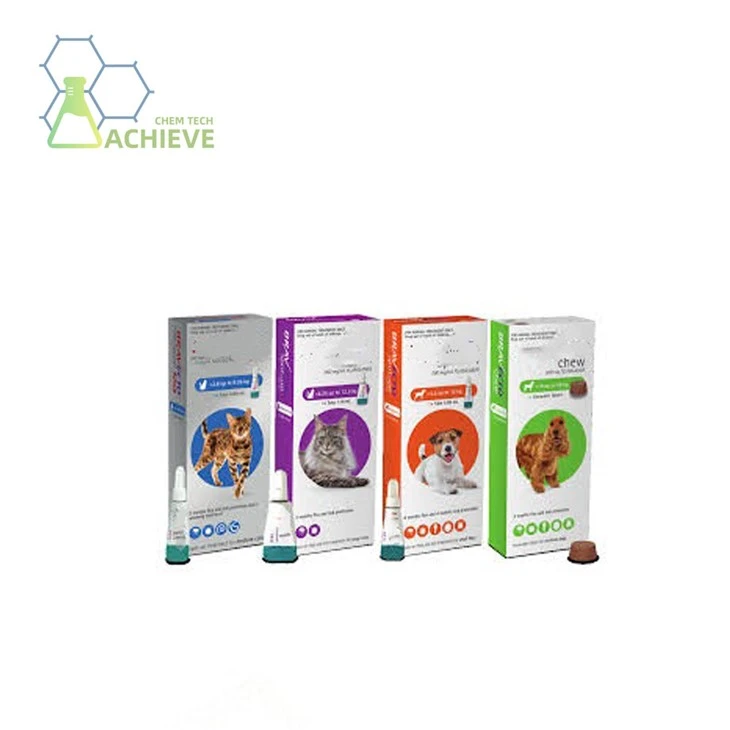
Fluralaner Tablet
1.General Specification(in stock)
(1)Solution
(2)Tablet
(3)Injection
(4)Spray
(5)Drops
2.Customization:
We will negotiate individually, OEM/ODM, No brand, for secience researching only.
Internal Code:BM-2-079
Fluralaner CAS 864731-61-3
Main market: USA, Australia, Brazil, Japan, Germany, Indonesia, UK, New Zealand , Canada etc.
How Does Fluralaner Bind to Arthropod GABA Receptors?
The Structural Basis of Selective Binding
Fluralaner is an isoxazoline compound, which is known for its strong ability to bind to ligand-gated ion channels in invertebrates. The molecule has an aromatic scaffold that is trifluoromethyl-substituted and fits very well into an allosteric binding spot in the transmembrane domain of crustacean GABA-gated chloride channels. This pocket is physically separate from the GABA recognition site. It is sometimes called the TBOB (t-butylbicyclophosphorothionate) binding site or the noncompetitive antagonist site. This means that fluralaner does not compete with GABA for the same spot.
Electrophysiology studies on Drosophila melanogaster and Musca domestica GABA receptors have confirmed that fluralaner can reach nanomolar-range inhibitory concentrations (IC₉₀ values often reported below 10 nM in arthropod preparations), which is very different from how little it binds to GABA-A receptors in mammals. The molecule is selective because the sequences of arthropod and vertebrate receptor subunits are different, especially in the M2 and M3 transmembrane helices.
This gives a molecular explanation for why it is safe for non-target species.
Receptor Subunit Selectivity in Arthropods
Fluralaner does not work the same way on all GABA receptor subtypes. Scientists have found that receptors with the RDL (Resistance to Dieldrin) subunit have the strongest ability to bind. This is because the RDL subunit is the main inhibitory subunit found in most insect species, from the black-legged tick to the cat flea. The RDL subunit's hydrophobic transmembrane pocket fits perfectly with fluralaner's lipophilic side chains, keeping the drug–receptor complex stable and blocking the channel for longer.
Fluralaner and the Transmembrane Interface of GABA-Gated Channels
Architecture of the Channel Pore Region
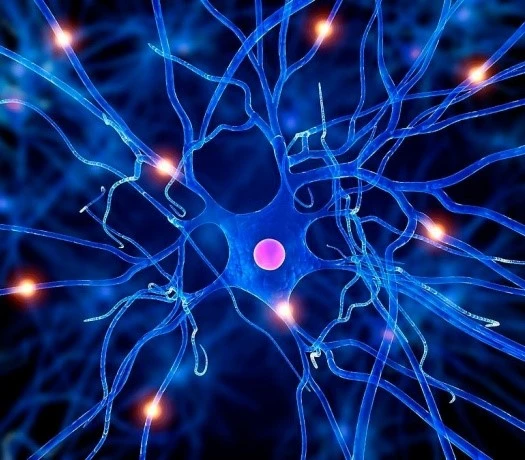
Chloride channels that are activated by GABA are part of the Cys-loop receptor superfamily. Each working receptor is made up of five subunits grouped symmetrically around a central ion-conducting pore. Each subunit has four helices in its transmembrane domain (M1–M4). The M2 helix from each subunit lines the channel pore. The noncompetitive antagonist binding site is at the meeting point of two nearby M2 and M3 helices, deep inside the lipid-facing transmembrane interface. This is exactly where fluralaner sticks to the cell membrane.
This interaction has been mapped out in great detail using computational docking studies and radioligand displacement assays.

With conserved leucine and threonine residues in the M2 helix, the isoxazoline ring of fluralaner makes crucial hydrophobic bonds. At the same time, the compound's fluorinated aryl group wedges into a water-repellent space formed at the point where M1 and M2 meet. The two contact points make a stable, high-affinity complex that stops the flow of chloride ions through the channel.
Consequences of Transmembrane Blockade
The conductance of chloride drops greatly when the transmembrane pore is physically blocked. In healthy arthropod neurons, GABA-gated chloride inflow is the main thing that stops neurons from acting out of control.
It does this by making the membrane more charged and hyperpolarized.The transmembrane contact is where fluralaner lodges, which completely eliminates this brake. The outcome is a chain reaction of uncontrolled neuronal depolarization that causes movement failure, seizures, and finally paralysis in arthropods that are affected. Published patch-clamp recordings from Rhipicephalus microplus neurons have shown that all channels are blocked at levels that are similar to therapeutic plasma exposures after the drug is taken by mouth or applied topically.
Why Does GABA Receptor Activation Matter for Fluralaner Activity?
The Role of Channel Gating State
At first look, it may not make sense, but activating GABA receptors makes fluralaner's inhibiting effect stronger. This is because the noncompetitive antagonist binding site in the transmembrane domain is easier to get to when the channel changes from its resting (closed) shape to its open (desensitized) shape. When the protein is at rest, hydrophobic residues partially block the binding pocket, making it harder for drugs to get in. Endogenous GABA release sets off channel gating, which changes the shape of the M2 helix. This makes the pocket wider and greatly speeds up the rate at which fluralaner binds.

This "open-channel block" effect is well-known in the field of Cys-loop receptor pharmacology. It means that fluralaner works by connecting to GABA activity in the nervous system of arthropods. So, active synapses become the best places for drugs to build up.
State-Dependent GABA Receptor Inhibition by Fluralaner
Kinetic Profiling of Drug–Receptor Interaction
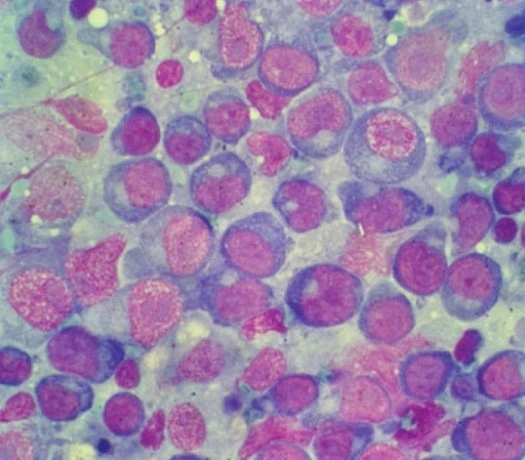
State-dependent inhibition is when a molecule binds to a target protein more strongly when it is in certain conformational states. For fluralaner, studies using eggs from Xenopus laevis that produce recombinant arthropod RDL subunits have shown that the open and desensitized receptor states have much higher association constants than the resting state. In contrast, the rate of separation stays slow no matter what shape the channel is in. This means that the molecules stay in the transmembrane pocket for a long time on average.
This dynamic trait is useful in real life. Because fluralaner basically gets stuck in the open or relaxed channel,
repeated GABA release at arthropod neuromuscular junctions builds up more drug at the receptor, making the blockage stronger over time. This process may help explain why the drug's effects last so long in the lab-weeks to months of controlling ectoparasites after just one dose.
Implications for Resistance Mechanisms
Understanding resistance is also helped by knowing how state-dependent binding works. Point mutations in the RDL subunit, especially the A301S/G substitution in the M2 helix, have been found in many populations of Drosophila, mosquitoes, and mites. These mutations make it harder for fluralaner to bind by messing up the geometric complementarity of the transmembrane pocket.
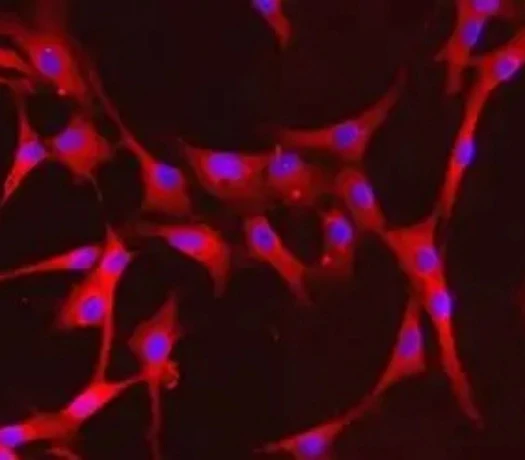
Arthropods that have these changes and are resistant to drugs have much higher IC₉₀ values. This is because the drug–receptor complexes are less stable. For long-term management of isoxazoline-class drugs, it is still important to keep an eye on RDL genes in target pest populations.
From GABA Receptor Binding to Chloride Channel Dysfunction
Disruption of Inhibitory Neurotransmission
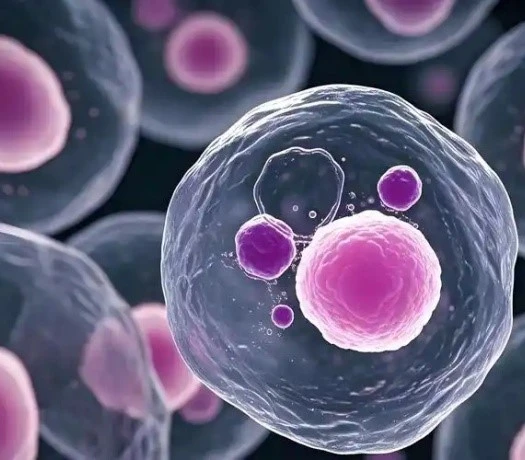
Chloride channel failure is the closest physiological event that connects molecular binding to harmful effects on living things. In healthy situations, chloride entering through GABA-gated channels keeps the membrane potential negative in crustacean neurons and motor nerve endings. The ionic balance is shifted toward sustained membrane depolarization when fluralaner-induced blockade stops this influx. When neurons are damaged, they go into a state called tonic firing, which is when they send out action potentials all the time without being controlled. This uses up all the synaptic resources and makes motor output unstable.
Electromyographic recordings of tick leg muscles exposed to isoxazoline amounts similar to those found in the body caught this change in real time, showing that the muscles went from rhythmic motor bursts to sustained tetanic contractions within minutes of drug exposure.
Chloride Conductance and Arthropod Lethality
There is a clear link between chloride conductance loss and the death of arthropods. Researchers who measured the flow of chloride through nerves and muscles of arthropods found that cutting GABA-gated chloride conductance by more than 70% consistently causes movement failure that can't be fixed.
Standard dosing of fluralaner results in concentrations that block chloride conductance well above this level in arthropod species that are sensitive.This is especially important for developing medicinal intermediates because this process works the same way in different types of arthropods, like hard ticks, soft ticks, fleas, and lice, even though these groups have very different genomes. Because the RDL subunit transmembrane region stays the same, fluralaner can be used as a scaffold for a lot of different kinds of parasite study and growth.
Conclusion
Additionally, Fluralaner has strong antiparasitic effects that come from blocking crustacean GABA-gated chloride channels on multiple molecular levels. It causes a chain reaction of neuronal hyperexcitation that kills arthropods that are vulnerable at nanomolar concentrations by binding to the transmembrane interface of RDL-containing receptors, taking advantage of state-dependent accessibility, and persistently blocking chloride conductance. It is safe because it only binds to certain types of arthropod receptors and not to mammalian receptors. As research into isoxazoline chemistry moves forward, fluralaner will continue to be used in business and as a model for designing new antiparasitic molecules.
FAQ
Q1: What makes fluralaner selective for arthropod GABA receptors over mammalian receptors?
+
-
The selectivity comes from differences in the structure of the transmembrane domain of GABA-gated chloride channels. Arthropod receptors that have the RDL subunit have a hydrophobic binding pocket with special geometric and electrostatic qualities that make fluralaner's trifluoromethyl-substituted scaffold stick to them very well. Different mammalian GABA-A receptor subunits have different residues at the same transmembrane positions. This makes it much harder for drugs and receptors to bind and work together.
Q2: How does state-dependent inhibition prolong fluralaner's duration of action?
+
-
The open and sensitive states of GABA-gated chloride channels are where fluralaner binds most frequently. Because it takes a long time to break apart, once it's inside the transmembrane pocket, the molecule stays there through many gating cycles. At arthropod synapses, repeated GABA-mediated channel openings keep reloading the drug into the binding site. This keeps the chloride channel blocked long after plasma drug concentrations start to drop.
Q3: Can mutations in the RDL subunit confer resistance to fluralaner?
+
-
Point changes, like A301S/G in the M2 helix of the RDL subunit, have been shown to lower the affinity of fluralaner for binding by changing the shape of the transmembrane pocket. Field monitoring has found these mutations in a number of insect species, which are linked to higher IC values and lower effectiveness in living organisms. For long-lasting ectoparasite control programs, it is suggested to keep an eye on resistance allele rates and switch up compound classes when needed.
Partner with Bloomtechz for Premium Fluralaner Supply
At Bloomtechz, we have over 12 years of experience in organic synthesis and a 100,000-square-meter production facility that is GMP-certified and meets the standards of the US FDA, the EU, Japan, and China. As a reliable fluralaner provider, we offer pharmaceutical-grade intermediates that have been rigorously checked for quality three times: in the plant, by our own QA/QC team, and by a third-party authority. Our ERP-managed logistics make sure that wait times are correct, prices are clear, and customs paperwork goes smoothly. Bloomtechz offers a reliable, fairly priced supply that is backed by real responsibility, whether you need small amounts for a lab or large amounts for a business.
Reach our team directly at Sales@bloomtechz.com to discuss your sourcing requirements.
References
1. Ozoe, Y., Asahi, M., Ozoe, F., Nakahira, K., & Mita, T. (2010). The antiparasitic isoxazoline A1443 is a potent blocker of insect ligand-gated chloride channels. Biochemical and Biophysical Research Communications, 391(1), 744–749.
2. Gassel, M., Wolf, C., Noack, S., Williams, H., & Ilg, T. (2014). The novel isoxazoline ectoparasiticide fluralaner: selective inhibition of arthropod γ-aminobutyric acid- and glutamate-gated chloride channels and insecticidal/acaricidal activity. Insect Biochemistry and Molecular Biology, 45, 111–124.
3. Nakao, T., Banba, S., Nomura, M., & Hirase, K. (2013). Meta-diamide insecticides acting on distinct sites of the RDL GABA receptor from those of conventional noncompetitive antagonists. Insect Biochemistry and Molecular Biology, 43(4), 366–375.
4. Ihara, M., Buckingham, S. D., Matsuda, K., & Sattelle, D. B. (2017). Inhibitors of GABA-gated chloride channels: mode of action and resistance. Pesticide Biochemistry and Physiology, 137, 37–47.
5. Rufener, L., Danelli, V., Bertrand, D., & Sager, H. (2017). The novel isoxazoline ectoparasiticide lotilaner (Credelio™): a non-competitive antagonist specific to invertebrates' γ-aminobutyric acid-gated chloride channels (GABACls). Parasites & Vectors, 10(1), 1–12.
6. Casida, J. E., & Durkin, K. A. (2015). Novel GABA receptor pesticide targets. Pesticide Biochemistry and Physiology, 121, 22–30.