


When a dog scratches relentlessly or shakes its head in discomfort, fleas are often the culprit. Pet owners across the globe have turned to compound fipronil drops as a reliable, science-backed solution for flea and tick control. But what makes this topical treatment so effective - and why do so many dog owners keep coming back to it?
This article walks through the biology behind how compound fipronil drops work on dogs, from skin absorption to flea nerve disruption, giving you a clearer picture of why this product has become a staple in pet care routines worldwide.
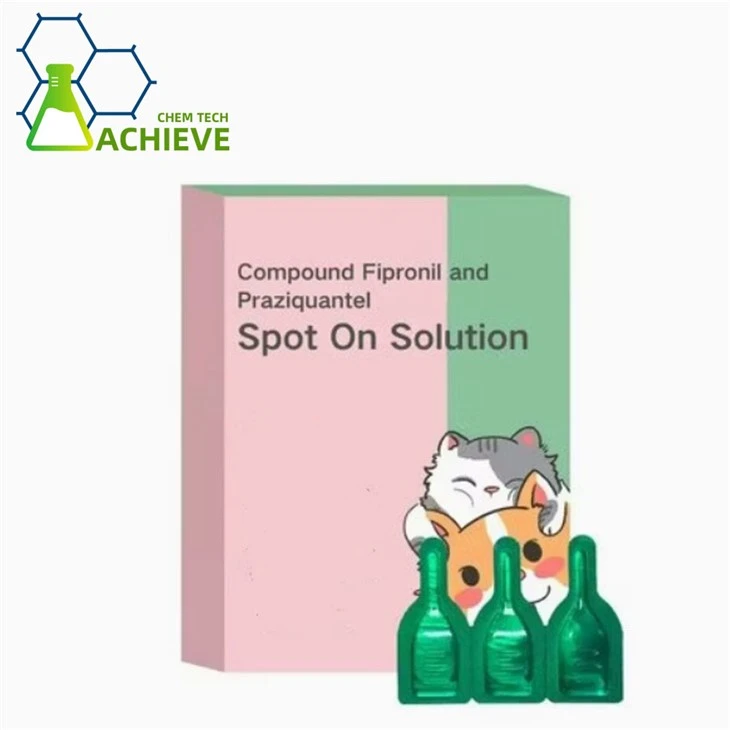
Compound Fipronil And Praziquantel Spot On Solution
1.General Specification(in stock)
(1)Solution
2.Customization:
We will negotiate individually, OEM/ODM, No brand, for secience researching only.
Internal Code: BM-9-022
Compound Fipronil and Praziquantel Spot On Solution
Main market: USA, Australia, Brazil, Japan, Germany, Indonesia, UK, New Zealand , Canada etc.
Manufacturer: BLOOM TECH Xi'an Factory
Analysis: HPLC, LC-MS, HNMR
Technology support: R&D Dept.-4
How Do Compound Fipronil Drops Reach Fleas Through a Dog's Skin and Coat?
The Topical Application Pathway
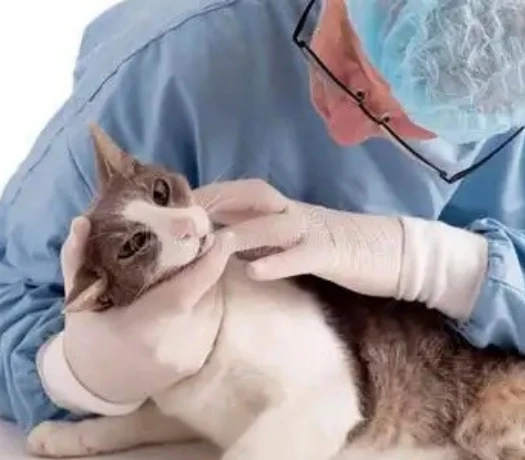
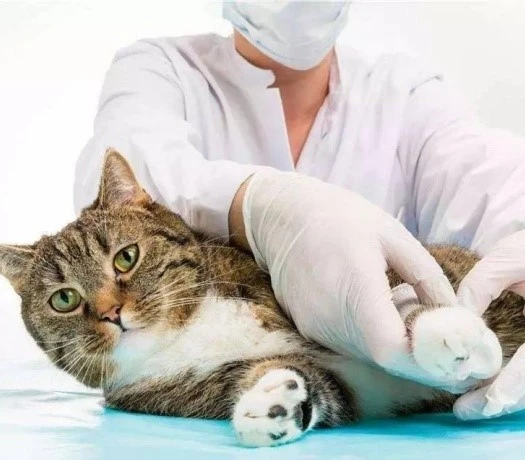
When you put compound fipronil drops on a dog's skin, usually at the base of the neck or between the shoulder blades, the active ingredient starts a very specific biological process. Fipronil doesn't just float on top of the skin. It gets through the stratum corneum, the top layer of skin, and starts to spread out across the body's surface through the skin's natural lipid pathways.
Published research in the journal of veterinary pharmacology shows that fipronil is spread throughout a dog's hair over the course of 24 to 48 hours by sebaceous gland secretions. This treatment's ability to spread itself is one of the main reasons pet owners trust it-one dose covers the whole animal without having to rub it all over.
Why the Coat Amplifies Protection
Fipronil can be stored in a dog's coat. The chemical sticks strongly to skin oils and hair cells, and it stays active for up to 30 days afterward. Studies have shown that significant amounts can still be found in the skin and fur after a bath. This long-lasting quality makes it easier to reapply it less often, which pet owners really like. The coat acts like a slow-release delivery system, putting any flea that tries to feed or even just walks through the fur in contact with enough of the active ingredient to kill it.
Compound Fipronil Drops and the Topical Distribution of Fipronil on Dogs
Movement Through the Lipid Layer
If you want to know more about fipronil, it is a phenylpyrazole herbicide that dissolves easily in fats and oils. If you put fipronil drops on a dog's skin, fipronil sticks to the sebum (the sticky fluid that skin cells make) and moves with it as it moves across the body. Studies with radiolabeled fipronil have shown that this is what happens. The compounds move from where they are applied to faraway parts of the body within 48 hours.
Sustained Concentration at the Skin Interface
Additionally, one important benefit of compound fipronil drops is that fipronil does not enter the bloodstream deeply when used topically in large amounts.

Instead, it focuses on the skin-to-fur link, which is where fleas actually touch the dog.A study from 2001 in the journal Veterinary Parasitology showed that fipronil levels on the skin stayed above the level needed to kill a cat flea for at least 28 days after treatment. Because the compound stays in one place for a long time, fleas come into contact with it before they even finish a blood meal. This effectively breaks the cycle of infestation.
How Does Fipronil From Compound Fipronil Drops Move Across the Skin Surface?

Lateral Diffusion Through Sebaceous Secretions
The ability of compound fipronil drops to spread to other areas of the body depends on the dog's skin continuously making sebum. It carries broken-down fipronil with it as it flows from sebaceous glands to the skin's surface and hair shaft. Because of this lateral diffusion process, protective amounts are felt even in places that are far from the application site. Instead of having to be spread out by hand like some external treatments, fipronil uses the dog's own body to get it all over.
Retention on Hair Shafts and Follicles
Keratin is the protein that makes up hair and fur, and fipronil sticks to it very well. Once the substance is attached to hair shafts, it can't be washed off by light rain or regular washing. Dermatological studies of how applied insecticides work show that keratin binding is a key part of how long they work. Because of this property, compound fipronil drops keep dogs safe even if they swim a lot or live in humid places outside. This makes them a good choice for a wide range of climates and lifestyles.
Compound Fipronil Drops and Fipronil Accumulation in Skin Lipids
Why Lipid Binding Matters for Efficacy
Fipronil prefers to stay in the skin's lipid-rich layers instead of being washed away or broken down quickly because it is lipophilic. This buildup creates a sustained depot effect, which is a storage area from which fipronil keeps releasing biologically active amounts for weeks at a time. Veterinary pharmacokinetic studies show that the amount of fipronil in the skin stays above the lowest level needed to kill most flea species for at least 30 days after a single application of compound fipronil drops.
Implications for Residual Flea Control

The protective window of compound fipronil drops lasts a long time after the first application because fipronil builds up in skin lipids instead of being quickly reduced or removed. This long-lasting leftover action directly stops fleas from living in your home. Pet owners say that applying flea medicine once a month is enough to keep their pets safe and prevent re-infestation from flea populations in the environment. Because of how it builds up, the compound stays effective even as the dog's skin cells naturally shed and grow new ones. This is because new sebum keeps the active surface layer full.
How Does Topical Exposure to Compound Fipronil Drops Lead to Flea Neural Disruption?
Fipronil's Mechanism at the GABA Receptor
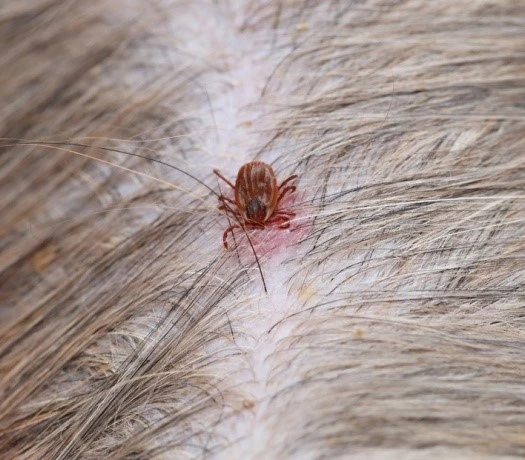
To do its job, fipronil blocks chloride channels in insect nerve cells that are controlled by gamma-aminobutyric acid (GABA). If a flea comes into contact with fipronil drops on a dog's skin or fur, the compound gets through the flea's exoskeleton and into its nervous system. It only binds to insect GABA receptors once it gets there, stopping chloride ions from getting into the nerve cell. Without this regulation of ion movement, the nerve fires and fires out of control, making the flea overexcited, paralyzed, and dead within hours.
Selectivity Between Insects and Mammals
The fact that fipronil binds to different things differently is an important scientific fact about how it works. When used as directed, fipronil binds much more strongly to insect GABA receptors than to human ones. This is why the chemical is deadly to fleas at levels that are not dangerous to dogs. The U.S. Environmental Protection Agency (EPA) has done a lot of research on fipronil, and regulatory bodies like the European Medicines Agency (EMA) have given their approval to fipronil-based veterinary products because they have a good selectivity profile. One important reason why veterinarians recommend compound fipronil drops as part of integrated flea management programs is that they are so good at precisely targeting nerve cells.
Conclusion
Compound fipronil drops work through a well-known, multi-step biological process that includes spreading across the skin and building up lipids, as well as specifically damaging the neural pathways of insects. People who own pets choose this treatment because it works every month, is easy to use, and has been proven to work by science. When you know how the product works, you can be sure that your investment in flea protection is based on real science, not just marketing speak.
FAQ
1. What makes compound fipronil drops different from oral flea treatments?
+
-
What's the difference between compound fipronil drops and flea pills? Compound fipronil drops are put on the dog's skin and work by spreading fipronil through the fur and oils on the dog's skin. Unlike mouth treatments that work throughout the body through the bloodstream, topical fipronil focuses on the skin's surface, right where fleas land, protecting that area for a long time.
2. How long do compound fipronil drops remain effective after a single application?
+
-
Studies show that the amount of fipronil in skin lipids stays above the level needed to kill most flea species for at least 28 to 30 days after a single topical treatment. This supports monthly dosing plans for long-term protection.
3. Can compound fipronil drops be used on dogs that swim or bathe frequently?
+
-
Fipronil is very resistant to water because it binds tightly to keratin in hair shafts and to lipids in the skin. While washing too much or too often right before or after application may lower concentrations, studies have shown that important residual activity stays even in dogs that are regularly exposed to water.
Source Your Compound Fipronil Drops Supplier Through Bloomtechz
Bloomtechz is a reliable compound fipronil drops source if you need active medicinal ingredients or fine chemicals for use in medicine or specialty chemicals. Bloomtechz has been in business since 2008 and has a 100,000-square-meter GMP-approved production facility that is certified by the US-FDA, the EU-GMP, Japan, and the CFDA. The facility has also been directly audited by governing bodies such as the PMDA and BGV-Hamburg, Germany. There are three levels of quality control at our company: factory-level, internal QA/QC, and third-party research. We guarantee a full return on things that don't meet the terms of every contract. Bloomtechz is a qualified seller to 24 well-known companies around the world in the pharmaceutical, R&D, and specialty chemical industries. Our ERP-integrated order management system gives us exact lead times, clear pricing, and all the customs paperwork we need.
Reach out to our team today at Sales@bloomtechz.com and let us deliver the quality and reliability your supply chain demands.
References
1. Cochet, P., Birckel, P., Bromet-Petit, M., Bromet, N., & Weil, A. (1997). Skin distribution of fipronil by microautoradiography following topical administration to the beagle dog. European Journal of Drug Metabolism and Pharmacokinetics, 22(3), 211–216.
2. Jennings, K. A., Canerdy, T. D., Keller, R. J., Atieh, B. H., Doss, R. B., & Gupta, R. C. (2002). Human exposure to fipronil from dogs treated with Frontline. Veterinary and Human Toxicology, 44(5), 301–303.
3. Tingle, C. C. D., Rother, J. A., Dewhurst, C. F., Lauer, S., & King, W. J. (2003). Fipronil: Environmental fate, ecotoxicology, and human health concerns. Reviews of Environmental Contamination and Toxicology, 176, 1–66.
4. Hainzl, D., Cole, L. M., & Casida, J. E. (1998). Mechanisms for selective toxicity of fipronil insecticide and its sulfone metabolite and desulfinyl photoproduct. Chemical Research in Toxicology, 11(12), 1529–1535.
5. U.S. Environmental Protection Agency, Office of Pesticide Programs. (1996). Fipronil: Pesticide Fact Sheet. EPA Registration Division, Washington, D.C.
6. Postal, J. M., Deleforge, J., & Precausta, P. (1995). Topical bioavailability of fipronil in the dog. Veterinary Parasitology, 58(4), 357–363.