


Adrenal health is key to hormone balance and researchers are still digging into chemicals that impact steroid production in the adrenal cortex. Trilostane tablets are a synthetic steroid analogue that has been widely investigated. It operates by blocking a specific enzyme pathway involved in the production of corticosteroids. This blog discusses the science of how this substance interacts with adrenal tissue, breaks down the enzymatic processes it impacts and discusses what happens to hormone output when that route becomes blocked. If you are a researcher, a procurement specialist, or simply curious about adrenal steroidogenesis, this book provides a straightforward, correct perspective of the mechanism without the heavy academic verbiage. And by the end you'll know why this molecule is still a point of interest in labs and sourcing requests across the pharmaceutical research community.
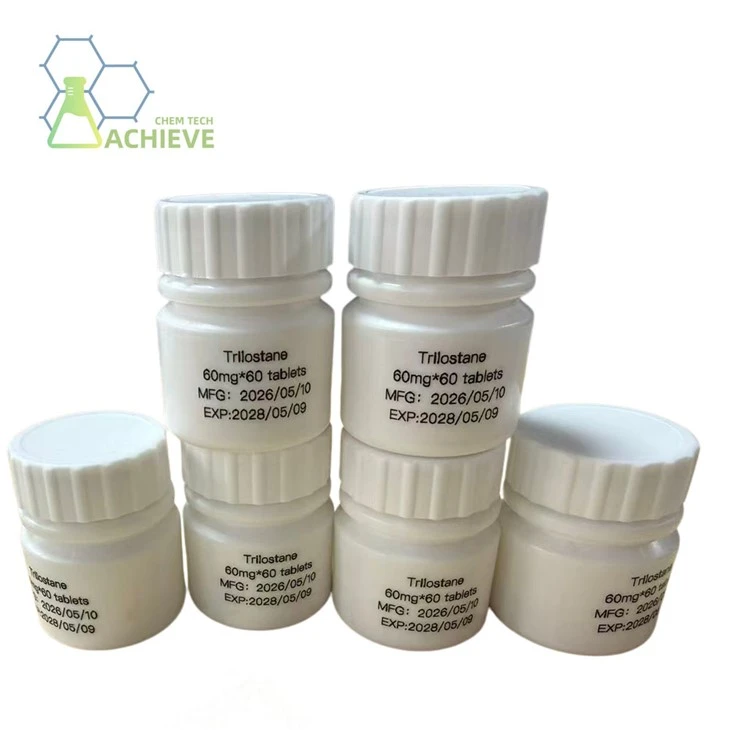
Trilostane Tablets
1.General Specification(in stock)
(1)Injection
Customizable
(2)Tablet
Customizable
(3)API(Pure powder)
PE/Al foil bag/ paper box for Pure powder
HPLC≥99.0%
2.Customization:
We will negotiate individually, OEM/ODM, No brand, for secience researching only.
Internal Code: BM-2-016
How Do Trilostane Tablets Inhibit 3β-HSD Activity in the Adrenal Cortex?
To understand how this molecule works we need to have a careful look at the enzyme it targets. 3β-hydroxysteroid dehydrogenase, or 3β-HSD, is a key enzyme at a vital juncture in the synthesis of steroid hormones. This enzyme is needed for multiple steps during conversion to cortisol and aldosterone. Without it, the adrenal cortex cannot finish the process.
The Role of 3β-HSD in Steroid Synthesis
3β-HSD is one of a family of enzymes that catalyses the oxidative conversion of Δ⁵ to Δ⁴ steroids. This conversion is important, as it is a checkpoint in practically all major corticosteroid pathways. Progesterone is formed from cholesterol-derived starting material, pregnenolone, by 3β-HSD. Without that stage the whole downstream cascade slows down way down. In laboratory tests of adrenal tissue, it has been consistently shown that inhibiting this single enzyme produces a cascade effect throughout the entire steroidogenic system, which goes far in explaining why drugs targeting this enzyme are the focus of so much research attention.


Binding Mechanism of Trilostane at the Enzyme Site
This compound's structure permits it to fit into the active site of 3β-HSD without irreversibly changing the enzyme itself. This competitive binding is a physical prevention of the natural substrate from binding to the enzyme and it slows the conversion process down but does not ruin the enzyme's long-term function. Researchers who study enzyme kinetics call this form of action structurally selective since the compound's steroid backbone is quite similar to the natural substrates that 3β-HSD usually acts on. This structural similarity enables it to compete for the binding site efficiently even at relatively low concentrations.
Why Reversible Inhibition Matters for Dosing
The binding is not permanent but reversible . Enzyme activity can be restored when the chemical is cleared from the tissue or when the concentrations decrease . This property is important for formulation work, since researchers can change dosing regimens to reach a desirable level of suppression without the risk of permanent enzymatic damage. This reversibility is one of the most desirable properties of the chemical, commonly cited by pharmaceutical teams working with trilostane tablets, since it provides a regulated, predictable window of enzyme inhibition.

The predictability of this allows for the use of better study designs when a researcher wants to assess changes in hormone output in relation to a known timeline of inhibition. GMP-certified facilities making mass quantities of this substance use this consistency to meet stringent quality requirements across worldwide markets, with HPLC purity certification of >99.0%.
Trilostane Tablets and Adrenal Steroidogenesis: Disrupting Key Enzymatic Conversion Steps
Steroid formation in the adrenal cortex occurs in a well ordered chain of enzyme processes. If one step in the chain slows, it will effect all the reactions that follow. In this part we'll detail exactly where in the process this molecule interrupts, and what that interruption means for hormone synthesis as a whole.

From Pregnenolone to Progesterone: The Blocked Pathway
Cholesterol is transported to the adrenal cortex and converted to pregnenolone by the cholesterol side-chain cleavage enzyme. From there, pregnenolone generally goes on to progesterone through the 3β-HSD route. That movement slows down a lot when this molecule binds to the active site of the enzyme. The pregnenolone molecules build up since they do not efficiently turn into progesterone . However , this step is blocked at this point . Indeed , researchers have chromatographed the steroid intermediates and measured the concentration of pregnenolone to see changes within hours of enzyme inhibition . This confirms that the substance has a specific activity at this point .
Downstream Effects on Cortisol and Aldosterone
Progesterone is a building block for both cortisol and aldosterone . So any slowing at the 3β-HSD stage decreases the raw material available for these two important hormones . Simply said , a bunch of events take place ( starting with progesterone , then 17-hydroxylation , and other enzymatic reactions ) and you end up with cortisol as a finished product . Aldosterone follows a distinct but related pathway, likewise needing progesterone as an early precursor. Since both pathways have this common bottleneck, inhibition of 3β-HSD activity leads to a decrease in the production of both classes of hormones concurrently, instead of selectively affecting one of them.

This double effect explains the interest in this molecule in circumstances with excess secretion of cortisol or aldosterone, as there is more control of the output of adrenal hormones by targeting the common enzymatic step.
Clinical Relevance of Blocking This Step
The practical significance of halting this conversion is that it allows the excessive output of adrenal hormones to be moderated, without surgical or more intrusive interventions. The veterinary and clinical research literature describes considerable decreases in circulating cortisol following administration of this chemical, with effects generally becoming apparent within the first one to two weeks of treatment.
Monitoring techniques often involve taking blood samples at regular intervals to measure cortisol levels and confirm that the enzyme blockage is effecting the desired decrease. Manufacturing partners providing trilostane tablets for research use generally give supporting documentation such as HPLC and LC-MS analysis reports to enable laboratories to confirm batch consistency prior to starting any study protocol. This level of traceability is now a baseline expectation for procurement teams procuring speciality steroid chemicals for formulation research."
How Does 3β-HSD Inhibition Affect Steroid Production Across the Three Adrenal Cortex Zones?
The adrenal cortex is not a homogenous tissue. It has three separate zones, each zone releasing a different family of steroid hormones. Blocking 3β-HSD, however, does not do the same thing to all three zones, and these zone-specific distinctions may explain the compound's larger physiological impact.
Zona Glomerulosa and Aldosterone Output
The outermost zone, the zona glomerulosa is specialised for the generation of aldosterone, and it is highly regulated by the renin-angiotensin system. In addition to lowered levels of cortisol, researchers also see lowered levels of aldosterone since the production of aldosterone depends on the same conversion of pregnenolone to progesterone that is prevented by this molecule. Studies of electrolyte balance during times of inhibition demonstrate parallel changes in the management of sodium and potassium consistent with a reduction in mineralocorticoid activity.
These findings are relevant for research teams working on fluid balance and blood pressure regulation as the aldosterone suppression has demonstrable downstream physiological repercussions beyond the adrenal gland itself.
Zona Fasciculata and Cortisol Regulation
The central zone, the zona fasciculata, produces most of the cortisol and responds immediately to signals from the pituitary gland's adrenocorticotropic hormone. This zone displays the strongest reaction to inhibition of 3β-HSD, because cortisol synthesis depends nearly exclusively on the route inhibited by this chemical. Studies assessing cortisol concentrations before and after delivery consistently show large reductions in the output of this zone, and it is the area of greatest therapeutic interest. Pituitary feedback systems often increase ACTH secretion over time in response to lowering cortisol levels , which can partially balance the suppression .
This can be handled with cautious dosing .
Zona Reticularis and Androgen Precursor Shifts
The deepest layer, the zona reticularis, produces androgen precursors such as dehydroepiandrosterone. This pathway also overlaps with 3β-HSD activity and hence inhibition in this zone causes variations in precursor steroid ratios rather than a simple reduction. In the glomerulosa and fasciculata zones, some precursor molecules accumulate upstream of the stopped enzyme whilst others decrease, although a more complex pattern is observed. Simply measuring hormones does not capture the subtle changes that are happening at this level. Research teams in this area usually utilise mass spectrometry techniques to map the whole precursor profile.

The differences in activity between zones is an important consideration when using trilostane tablets for any formal research as it emphasises the need for analytical characterisation of the tablets to be used.
Trilostane Tablets and Steroid Precursor Accumulation: What Changes When Enzyme Activity Is Blocked?
When an enzyme slows down, the molecules that would normally go through it begin to pile up. Here, we discuss the fate of steroid precursors when 3β-HSD activity is inhibited, and the need of monitoring these changes both for experimental accuracy and for safety purposes.

Buildup of Pregnenolone and 17-Hydroxypregnenolone
The most immediate and detectable effect after enzyme inhibition is the increase in the levels of pregnenolone and its hydroxylated metabolite 17-hydroxypregnenolone. The molecules are right upstream from the stopped conversion step and hence they accumulate while the enzyme tries to metabolise them at its normal rate. If one samples them regularly in the laboratory after treatment, these precursors tend to climb steadily during the first several hours and then level out as the system establishes a new equilibrium. This pattern provides researchers with a reliable biomarker to demonstrate that enzyme inhibition is occurring as intended, enabling a practical technique to evaluate drug activity without having to monitor the enzyme itself.
Compensatory Feedback Through ACTH
The body doesn't just allow cortisol levels to drop without a response. The hypothalamic-pituitary-adrenal axis recognises decreasing cortisol levels and releases more ACTH from the pituitary gland in an attempt to enhance adrenal output. This feedback loop can partially break through the enzyme block by stimulating the adrenal cortex to work harder . Sometimes this can lead to a minor rebound of hormone production in the face of continuing enzyme blockade . This compensatory mechanism is of special interest to researchers researching long-term dosing patterns since it affects how often dosing must be done to be able to maintain consistent suppression.
If ignored, this feedback loop may result in conflicting outcomes across study durations and is therefore an important issue in protocol design.
Monitoring Precursor Levels in Research Settings
Reliable analytical methods are needed to monitor the buildup of precursors and most research institutions use a combination of HPLC, LC-MS and HNMR techniques to characterise both the parent drug and its metabolic by-products. These techniques enable the scientists to not only demonstrate that enzyme inhibition is taking place, but also to quantify the amount of precursor accumulation resulting from a certain dose. Facilities selling trilostane tablets for research and formulation will normally provide complete analytical documentation with each batch to help researchers who need verified data before include the compound in their study design.
The transparency on precursor monitoring is more and more a matter of importance, as regulatory agencies are putting more and more focus on traceable, properly documented research materials across the pharmaceutical intermediate supply chain.
Reversible Enzyme Inhibition and Adrenal Steroid Output: How Do Trilostane Tablets Alter Hormone Synthesis?
This chemical differs from many other enzyme inhibitors utilised in steroid research in that its activity is reversible. This section will consider in detail what reversibility implies in practice, and how it has influenced the general pattern of hormone suppression with time.
Dose-Dependent and Time-Limited Suppression
The inhibition is competitive and reversible , thus the degree to which the enzyme is suppressed closely matches the concentration of the substance present in the tissue at any given time . Higher concentrations generate a more complete inhibition while at lower concentrations the natural substrate can compete more successfully for the active site of the enzyme. This dose-dependent connection allows researchers substantial control over how much suppression is achieved, as changing the amount provided will change how much hormone output is suppressed.
As concentrations drop, either by metabolism or clearance, enzyme activity eventually returns to baseline, returning to more usual steroid production patterns over a predictable time course.

Comparing Reversible vs Irreversible Inhibitors
Enzyme inhibitors are commonly classified into two major groups, reversible and irreversible, and this distinction has important implications for the behaviour of a chemical in biological tissue. An irreversible inhibitor permanently disables the enzyme . This is often done through covalent bonding . In this case , the body must synthesise a totally new enzyme molecule before function can resume . Inhibitors like this one are reversible meaning that the enzyme can return to its normal activity once the concentration of the inhibitor is reduced and no new enzyme needs to be made.
This difference makes reversible inhibition more easier from a dosage standpoint because researchers can titrate down suppression levels over the course of a study rather than making one irreversible alteration to enzyme activity. Reversible mechanisms are what give you this extra layer of control and that's why many formulation scientists like them."
Implications for Research and Formulation Design
When formulation teams develop novel study protocols for this chemical, they often base dosage regimens on the fact that it acts reversibly - dosing is timed to maintain a consistent level of suppression without major peaks and valleys.


This strategy demands careful consideration of pharmacokinetic data, such as the time to peak concentration and the duration of activity in the adrenal tissue. Suppliers that provide trilostane tablets with complete analytical characterisation allow researchers to develop more accurate models of dosage, since correct information on purity and stability immediately contributes to the formulation scientist's calculations of optimal study parameters. Such precise information on the source is becoming more and more important as more laboratories look for reliable, well-documented materials for study on steroid pathways using reversible enzyme inhibition techniques.
Conclusion
Trilostane tablets offer a well-characterized example of reversible enzyme inhibition within adrenal steroidogenesis, targeting 3β-HSD to influence cortisol, aldosterone, and precursor steroid levels across all three cortex zones. The compound's competitive binding mechanism, combined with its dose-dependent and reversible action, gives researchers meaningful control over hormone suppression without permanent enzymatic damage. Understanding precursor accumulation patterns, zone-specific responses, and compensatory ACTH feedback helps research teams design more accurate study protocols. As adrenal function research continues advancing, compounds like this one remain valuable tools for exploring corticosteroid pathways in greater depth, supporting both laboratory investigation and pharmaceutical formulation development.
FAQ
1. What makes trilostane tablets different from other steroid synthesis inhibitors?
+
-
This compound works through reversible, competitive inhibition of 3β-HSD, allowing adjustable suppression levels and predictable recovery of enzyme function once concentrations decline, unlike permanent inhibitors.
2. How quickly does enzyme inhibition occur after administration?
+
-
Laboratory monitoring typically shows measurable changes in precursor steroid levels within hours, with cortisol reduction becoming more apparent across the following one to two weeks of consistent dosing.
3. Why do researchers monitor steroid precursors during studies involving this compound?
+
-
Precursor levels, including pregnenolone, serve as reliable indicators confirming that enzyme inhibition is occurring as expected, giving researchers measurable data to validate compound activity and dosing accuracy.
Bloomtechz: Your Trusted Trilostane Tablets Supplier
Bloomtechz brings over a decade of organic synthesis experience to every batch of trilostane tablets we manufacture and supply. Our GMP-certified production facility, approved across US, EU, JP, and CFDA standards, backs every shipment with triple-layer quality verification and HPLC purity documentation exceeding 99.0%. Researchers and pharmaceutical partners trust our transparent ERP-based order tracking, accurate lead times, and fixed-profit pricing model that keeps long-term collaboration affordable. Whether you need API-grade powder, customizable tablet formulations, or full analytical support including LC-MS and HNMR reports, our R&D department stands ready to assist. Reach out today as your dependable trilostane tablets Supplier and request a quotation through Sales@bloomtechz.com.
References
1. Loose, D.S. and Stancel, G.M. "Pharmacology of the Adrenal Cortex and Related Synthetic Steroid Compounds." Goodman and Gilman's The Pharmacological Basis of Therapeutics.
2. Ramsey, I.K. "Trilostane in Dogs." Veterinary Clinics of North America: Small Animal Practice.
3. Neiger, R., Ramsey, I., O'Connor, J., Hurley, K.J., and Mooney, C.T. "Trilostane Treatment of 78 Dogs with Pituitary-Dependent Hyperadrenocorticism." Veterinary Record.
4. Miller, W.L. and Auchus, R.J. "The Molecular Biology, Biochemistry, and Physiology of Human Steroidogenesis and Its Disorders." Endocrine Reviews.
5. Payne, A.H. and Hales, D.B. "Overview of Steroidogenic Enzymes in the Pathway from Cholesterol to Active Steroid Hormones." Endocrine Reviews.
6. Chapman, P.S., Kelly, D.F., Archer, J., Brockman, D.J., and Neiger, R. "Adrenal Necrosis in a Dog Receiving Trilostane for the Treatment of Hyperadrenocorticism." Journal of Small Animal Practice.