


When dealing with the terrible problem of feline infectious peritonitis (FIP), it is very important for vets and pet owners to find effective treatment choices. GS-441524 powder has become a revolutionary antiviral substance that gives people hope where there weren't many options before. It is amazing how well this nucleoside equivalent works against RNA viruses, especially the feline coronavirus that causes FIP. This substance has become very interesting to scientists and is used in medicine because scientists want to know how it works at the molecular level.
Compounds like GS-441524 powder have changed the medicinal environment for antiviral treatments for animals in a big way. Unlike most medicines, which only ease the symptoms, this small substance stops the virus from replicating itself directly. Because it only attacks RNA-dependent RNA polymerase, it is perfectly suited to fight viruses that use RNA for their DNA and to copy themselves.

GS 441524 Powder
1.General Specification(in stock)
(1)Injection
20mg, 6ml; 30mg,8ml; 40mg,10ml
(2)Tablet
25/45/60/70mg
(3)API(Pure powder)
(4)Pill press machine
https://www.achievechem.com/pill-press
2.Customization:
We will negotiate individually, OEM/ODM, No brand, for secience researching only.
Internal Code: BM-2-1-049
Manufacturer: BLOOM TECH Wuxi Factory
Analysis: HPLC, LC-MS, HNMR
Main market: USA, Australia, Brazil, Japan, Germany, Indonesia, UK, New Zealand , Canada etc.
Technology support: R&D Dept.-4
We provide GS-441524 powder, please refer to the following website for detailed specifications and product information.
Product link: https://www.bloomtechz.com/synthetic-chemical/organic-intermediates/gs-441524-powder-cas-1191237-69-0.html

How Does GS-441524 Powder Block Feline Coronavirus Replication?
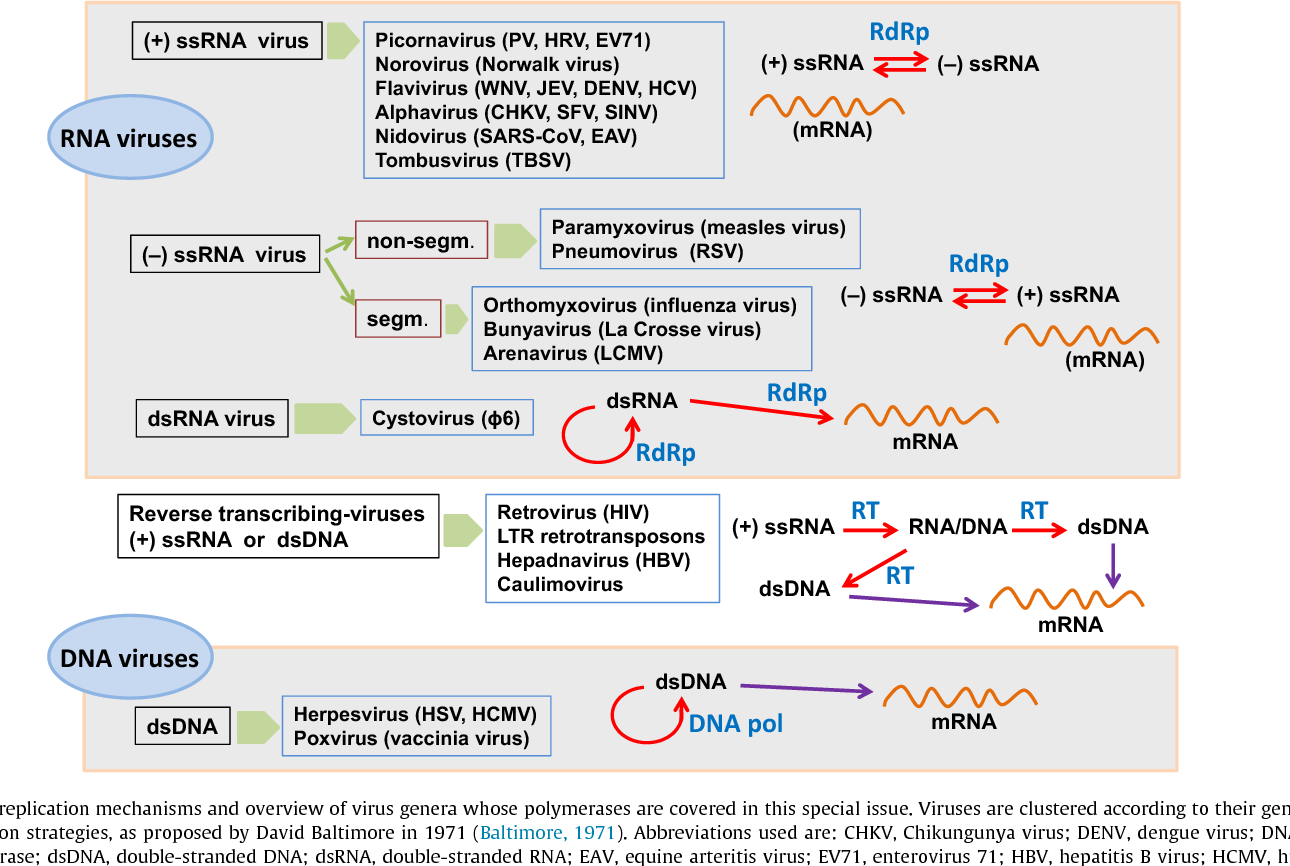
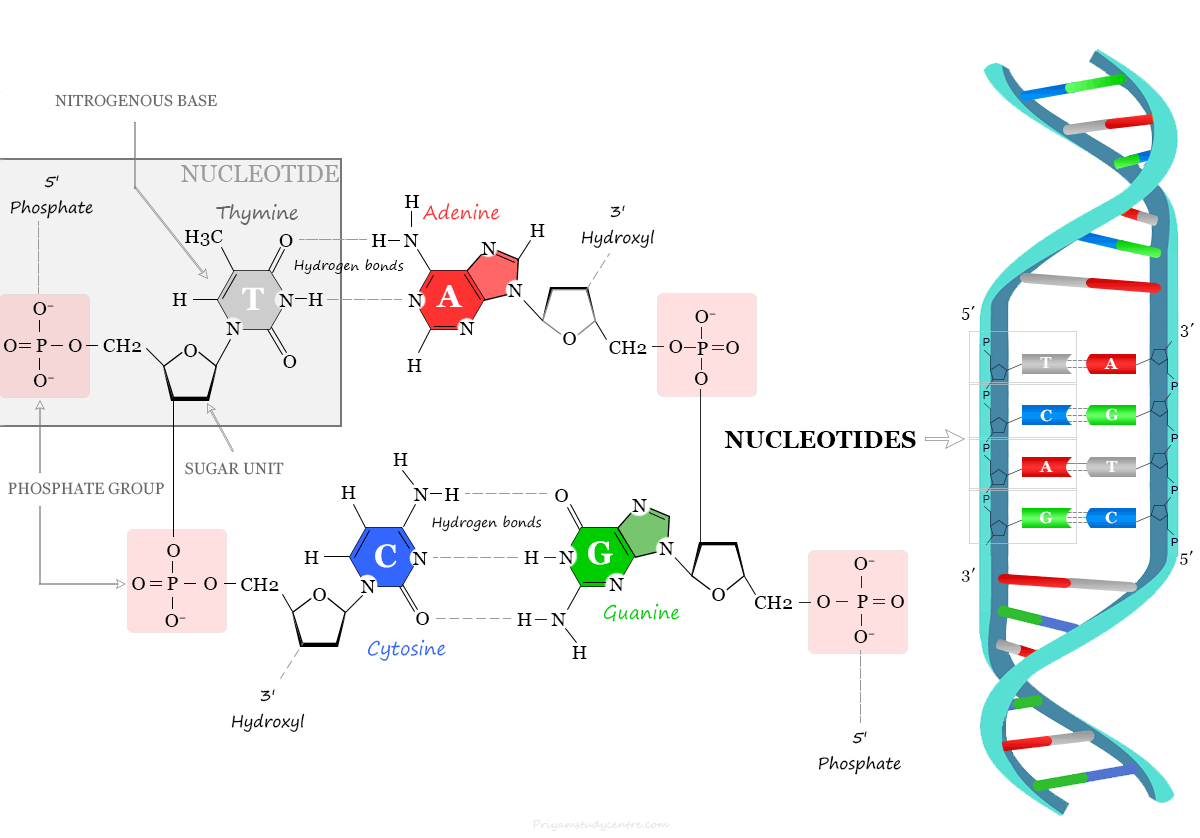
The GS-441524 powder works as a nucleoside analogue, which means that its structure is similar to the natural building blocks that viruses use to make their genetic material. The feline coronavirus tries to copy itself inside cells that have been affected. To do this, its RNA-dependent RNA polymerase enzyme looks for bases to build new viral RNA strands. The molecule takes advantage of this process in a smart way by pretending to be a real substrate. The virus polymerase adds GS-441524 to the growing RNA chain because it thinks it is a normal nucleotide called adenosine.
The molecular imitation method is a complex way to treat viruses. The structure of GS-441524 powder is similar to natural adenosine, which lets the chemical get around the virus polymerase's selectivity mechanisms. Researchers have found that once the changed nucleotide is added, it makes it harder for the chain to get longer. After adding GS-441524, the virus enzyme has trouble adding the next nucleotides, which stops the replication process.
Competitive blocking principles are a big part of why GS-441524 powder works so well. Natural nucleotides and the medicinal substance both try to get the active site of the viral RNA polymerase in cells that have been infected with the virus. The level of blockage is based on how much GS-441524 is present compared to normal nucleotides. It's more likely that the viral polymerase will choose the analogue over natural substrates when the medicinal dose is higher.
The virus tries to make many copies of its genome, so this struggle happens thousands of times during each reproduction cycle. For the feline coronavirus to make infectious viral particles, it needs full, working RNA strands. Even a small amount of GS-441524 powder added to the viral genome can make newly made virus particles broken or unable to infect others. Studies looking at how viruses move through treated animals show huge drops in the number of viruses they have, showing how this competitive process works in real life.
In addition to just adding to cells, GS-441524 powder can stop the production of virus RNA too early. The compound's chemical changes make the structures incompatible, which stops the polymerase from continuing to extend the strand. When the enzyme hits these problems, it releases the broken RNA strand, which leaves virus genomes that are cut off and can't work.
Chain termination is an especially effective way to fight viruses because it stops them from finishing important multiplication steps. The feline coronavirus can't make babies that are healthy without having complete genetic material. Symptoms get better in cats that are being treated with GS-441524 at the same time that virus replication slows down. The lower number of live virus particles lets the cat's immune system slowly get rid of the infection and start the healing process.

Intracellular Antiviral Action Mechanism of GS-441524 Powder
Cellular Uptake and Phosphorylation
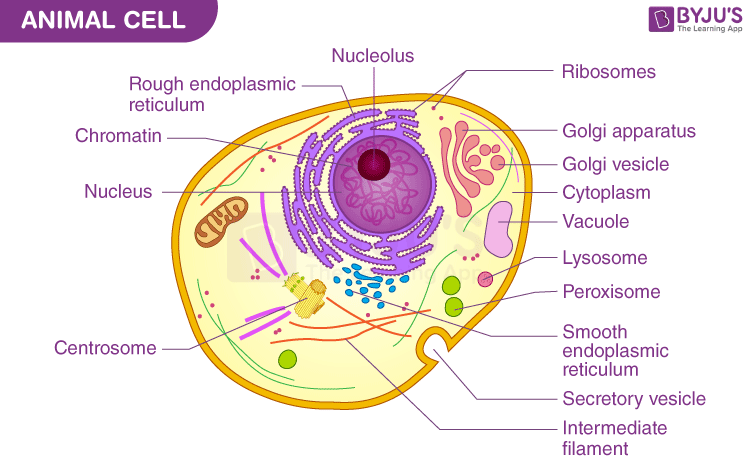
GS-441524 powder goes through several important intracellular steps between being administered and starting to work against viruses. Once the chemical gets into the bloodstream, it spreads all over the body and gets to virus-infected cells by crossing cell walls. The molecule's small size and unique chemical qualities make it easier for it to get into cells. When GS-441524 gets inside cells, it goes through biochemical changes called phosphorylation processes.
Cellular kinases change GS-441524 into its active triphosphate form. These are the enzymes that add phosphate groups to molecules. The virus RNA polymerase can only recognize and use nucleoside triphosphates as substrates, so this phosphorylation process is very important. The change usually happens by adding three phosphate groups one after the other, turning the original molecule into GS-441524-triphosphate. This active form has the right chemical structure to work directly with the machinery that copies viruses.
Selective Viral Targeting
One interesting thing about GS-441524 powder is that it only reacts with virus polymerases and not with DNA or RNA polymerases from mammals. This selectivity keeps any negative effects on regular cell processes to a minimum while increasing the antiviral effect. Because viral and human polymerases are not structurally the same, there is a chance for treatment specificity. RNA polymerases that are based on viral RNA have different active site structures that make it easier for them to accept GS-441524-triphosphate than host cell polymerases.
Researchers who study enzyme kinetics have found that virus polymerases add the chemical at a much faster rate than cellular polymerases. Because of this preferred incorporation, therapeutic amounts can stop the replication of viruses without significantly interfering with the production of RNA in cells. The safety profile seen in treated cats supports this selective process, as most animals can handle the treatment without big changes in their blood parameters or organ function.

Sustained Antiviral Pressure
The antiviral benefits of GS-441524 powder last longer because it stays inside cells. Because the phosphate groups are charged, the molecule stays inside cells after being phosphorylated to the active triphosphate form. This preservation inside cells makes the antiviral effect last longer than the plasma half-life might suggest. Cells that are infected keep pools of active GS-441524-triphosphate that stop attempts to replicate the virus all the time.
This constant pressure is especially helpful for treating FIP, where the sickness gets worse because the virus keeps replicating. Continuous inhibition stops the virus from starting new replication cycles, which slowly wipes out the virus population in the affected animal. In clinical practice, treatment plans usually include long rounds that last a few weeks. This way, the antiviral effects build up over time, causing the virus to be gone and the patient to be in clinical recovery.

Can GS-441524 Powder Interrupt Viral RNA Synthesis in FIP?

Disruption of Polymerase Fidelity
GS-441524 powder can stop the production of viral RNA in FIP cases because it damages the integrity of polymerase. To make sure that effective offspring viruses are made, RNA-dependent RNA polymerases must keep their efficiency high when copying viral genomes. When changed nucleotides like GS-441524 are added to this copying process, mistakes happen. Even if chain termination doesn't happen right away, the presence of non-natural nucleotides in the RNA structure can make it harder for the viral DNA polymerase to work.
The feline infectious peritonitis virus needs exact genetic patterns to make proteins that are needed for infection, reproduction, and getting around the immune system. When GS-441524 is added, it can cause mutations or changes that can stop these proteins from working. Studies that looked at the viral populations of cats that had been treated show that the viruses became less diverse and less good at replicating as the treatment went on. This genetic damage goes along with the direct replication prevention, making it harder for the virus to spread.


Impact on Viral Load Dynamics
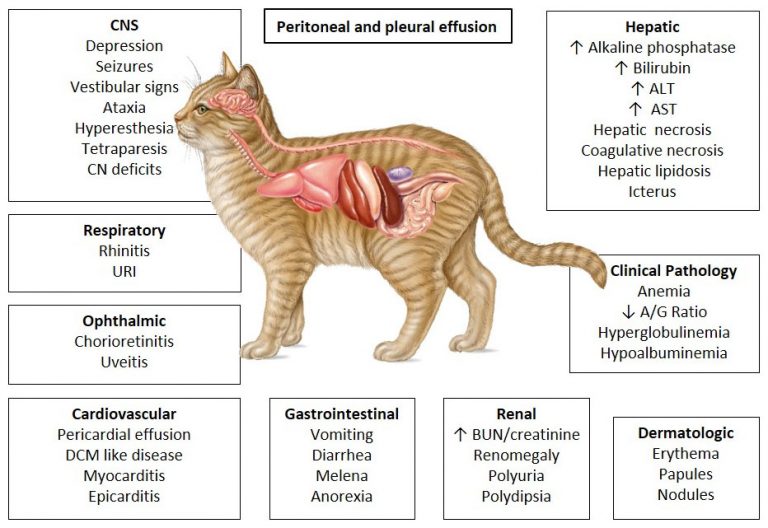
When GS-441524 powder is used in clinical settings to treat FIP, it has huge effects on how the virus loads and moves. Quantitative PCR tests that look for feline coronavirus RNA in blood, body fluids, and tissues show that levels drop exponentially after treatment starts. As the amount of virus genetic material that can be found drops quickly, the cats who are infected get better. As virus loads drop, animals that are showing fever, weakness, fluid buildup, and other FIP signs usually get better over time.
The link between stopping the production of viral RNA and good clinical results supports the treatment process. GS-441524 powder stops the infection from spreading by stopping the virus from making new genetic material. Once the immune system isn't overloaded by viruses that keep multiplying at an exponential rate, it can fight off the ones that are still there. The high success rates seen in FIP treatment plans using this substance are due to its ability to work together with the immune system to fight viruses and help it heal.


Resistance Considerations
To find out if GS-441524 powder could become less effective, we need to look at how genetically flexible feline coronavirus is and how drugs work. Because their polymerases are error-prone, RNA viruses often have high mutation rates. The different types of genes can sometimes cause changes that make drugs less effective. The molecular target of GS-441524 is the active site of viral RNA polymerase. This is an area that is very stable and can't handle many changes.
Changes to the polymerase active site that could make it harder for GS-441524 to bind often also make it harder for the enzyme to use natural nucleotides. This restriction makes it more difficult for possible resistance genes to survive. New data from treated FIP cases show that treatments work for a long time and that resistance doesn't show up during normal treatment courses. The way the chemical works-by joining with viral RNA instead of just blocking binding-may help create a stronger genetic barrier to resistance compared to other antiviral methods.

Molecular Targeting Pathways of GS-441524 Powder Explained
Polymerase Active Site Interactions
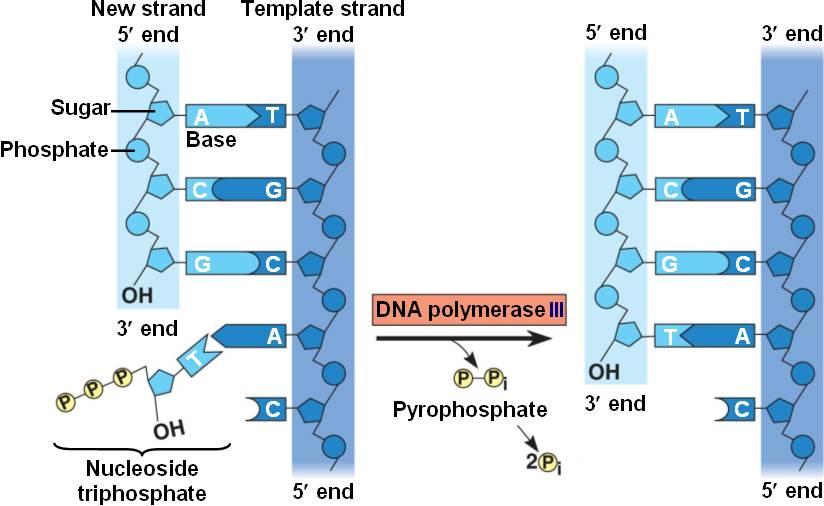
When GS-441524 powder binds to molecules, it does so by interacting specifically with the virus RNA polymerase active site. There are carefully placed amino acids in this part of the enzyme that can identify and bind nucleotide triphosphates. The way these amino acids are arranged in space makes a binding pocket that can hold the natural building blocks needed for RNA formation. Because GS-441524-triphosphate is structurally similar to adenosine triphosphate, it can fit into this binding spot and make molecular bonds that are similar to those made by adenosine triphosphate.
The GS-441524-polymerase complex stays stable thanks to hydrogen bonding patterns between the chemical and active site residues. The changed nucleotide's phosphate groups and ribose sugar part interact with positively charged amino acids that line the active site through electrostatic forces. Even though the nucleobase part is different from natural adenosine, it is still close enough for the enzyme's selection mechanisms to recognize it. These interactions between molecules put GS-441524 in the right place to join the growing RNA chain.

Conformational Effects on Polymerase Function
GS-441524 powder changes the viral polymerase's shape and movement in ways other than just competing with substrates. During the catalytic cycle, enzymes go through regulated changes in their structure that make them work. The polymerase attaches to nucleotides, helps make phosphodiester bonds, moves along the RNA template, and produces pyrophosphate in a very well-planned process. When GS-441524 is added, it can change these structural changes, which can make later catalytic steps more difficult.
Studies of the structures of molecules that are linked to RNA polymerases show how changed nucleotides change the shape of enzymes. If the inserted nucleotide changes chemically, it can stop the polymerase from taking the exact shape needed for the chain to keep growing. These changes in structure help explain the chain termination effect seen with GS-441524 treatment. The stopped polymerase complex finally separates from the incomplete RNA strand, releasing a viral genome piece that is cut off and doesn't work.

Broader Viral Lifecycle Interference
GS-441524 powder's main effect is to stop RNA production, but it might also have other effects on the virus lifecycle that need to be thought about. Virus RNA molecules that are missing parts or have been changed can mess up processes after reproduction. RNA from viruses is both genetic material and messenger RNA for making proteins. Cells' quality control systems might notice that RNA molecules that aren't working right and contain GS-441524 residues are broken and break them down.
Efficiency leap Precision and stability
This broader impact could make the antiviral effects stronger than just stopping polymerase. To keep cells healthy, they have processes that look for and get rid of any odd RNA molecules. These systems might go after virus RNA molecules that have been changed by adding GS-441524 to them, making it harder for them to use as a template for replication and translation. The combined effects of blocking polymerase, ending the chain, and increasing RNA decay make it harder for viruses to spread in tissues of sick cats.


Viral Suppression Effects Observed With GS-441524 Powder
Clinical Response Patterns
Real-life uses of GS-441524 powder in medical settings have produced a lot of information about how it stops viruses. Cats that have been confirmed with FIP and are being treated with this substance consistently get better. Initial reactions usually show up within the first week of treatment. Some of the first changes that can be seen are a drop in fever and an increase in hunger. As the treatment goes on, bigger changes show up, like the disappearance of effusions, the normalization of inflammatory markers, and the return of exercise levels.
These therapeutic changes happen at the same time as the viral shutdown. Measurements of viral load show steep drops during the first few weeks of treatment, often by several orders of magnitude. This quick reduction stops the harmful chain of events that makes up FIP. Inflammation, immune system problems, and tissue damage are all caused by virus replication. As GS-441524 powder gets rid of the thing that makes viruses copy themselves, it stops inflammation and starts the healing process.
Duration of Treatment Effects
Longer rounds of treatment with GS-441524 powder give us important information about how long the virus control lasts. Standard methods usually involve giving the drug continuously every day for a few weeks to a few months, based on how bad the disease is and how well the treatment works. During this long period, the virus must be kept under control at all times to keep the disease from coming back. Interruptions or early cessation of treatment have been linked to the virus coming back and in some cases, getting worse.
The fact that treatment has to last for a long time probably shows how hard it is to get rid of the virus completely from all body parts. In FIP cases, feline coronavirus can stay in safe places where drugs may not be able to get through or where affected immune cells that are affected provide a safe environment. When GS-441524 powder is constantly administered, therapeutic amounts are maintained that stop any remaining viral replication. For treatment to work, it seems that the virus needs to be stopped sufficiently for a long time, so that the body's natural cleaning systems can get rid of any leftover virus particles.

Safety Profile During Viral Suppression
The safety findings made during the GS-441524 powder treatment give people confidence in its therapy window. Keeping an eye on cats that have been treated for long periods of time shows that most of them can handle the drug without any big side effects. Blood tests that check the operation of the liver, kidneys, and blood cells usually stay within normal ranges. This good safety profile shows that targeting viral polymerases instead of mammalian enzymes leads to useful clinical safety.
The most common side effect mentioned by cat owners is local responses at the injection sites. Most of the time, these responses cause temporary pain or slight swelling at the injection site. The overall safety profile, which includes organs that work normally and normal blood factors, shows that there aren't many side effects on normal cellular processes. Because of its high safety rating, this drug can be used for longer periods of time, which is needed to completely stop the virus and fix FIP.


Conclusion
The strong antiviral activity of GS-441524 powder is a big step forward in treating infectious peritonitis in cats and maybe even other RNA viral diseases. This substance stops virus replication at several points by using a complex process that includes nucleoside analogue incorporation, competitive polymerase inhibition, and chain termination. The molecular targeting of viral RNA-dependent RNA polymerase takes advantage of basic differences between viral and human enzymes. This makes therapeutic specificity possible and ensures patient safety.
Clinical uses have proven the theoretical processes by showing that they work by dramatically stopping the virus and improving the health of cats that have been treated. The constant patterns of reaction, which include a drop in viral load and a steady improvement in health, show how important it is to understand these molecular processes in real life. As more studies are done and more experiments are done with GS-441524 powder, this substance shows how a thorough understanding of how viruses replicate can help scientists come up with effective treatments.
FQA
1. What makes GS-441524 powder effective against feline coronavirus?
2. How long does treatment with GS-441524 powder typically last?
3. Why does GS-441524 powder show selectivity for viral enzymes over mammalian cells?

Partner With BLOOM TECH for Premium GS-441524 Powder Supply
BLOOM TECH is the best place to get GS-441524 powder for pharmaceutical businesses, research institutions, and veterinary pharmaceutical manufacturers who need a dependable source. Our GMP-certified factories, which have been checked by the US-FDA, PMDA, and CFDA, make sure that the chemicals they make are of medicinal quality and meet international standards. We have been making organic compounds and fine chemicals for more than 12 years, and our quality is always the same because we use three levels of quality control.
We are your trusted partner for buying GS-441524 powder because our pricing is clear, our wait times are accurate thanks to ERP systems, and we have a history of serving 24 big international businesses. Our professional know-how and dedication to quality will help you succeed whether you need small amounts for study or large amounts for production. Contact our team at Sales@bloomtechz.com to talk about your specific needs and find out how BLOOM TECH can improve your supply chain by giving you reliable access to high-purity GS-441524 powder and all the paperwork you need to clear customs easily.
References
1. Murphy BG et al. "The nucleoside analogue GS-441524 strongly inhibits feline infectious peritonitis virus in tissue culture and experimental cat infection studies." Veterinary Microbiology, 2018, 219: 226-233.
2. According to Pedersen NC et al. (2018), "Efficacy of a 3C-like protease inhibitor in treating various forms of acquired feline infectious peritonitis." Journal of Feline Medicine and Surgery, 20(4), 378–392.
3. Kim Y, et al. "Broad-spectrum antivirals against 3C or 3C-like proteases of picornaviruses, noroviruses, and coronaviruses." Journal of Virology, 2012, 86(21): 11754–11762.
4. Warren TK, et al. "Therapeutic efficacy of the small molecule GS-5734 against Ebola virus in rhesus monkeys." Nature, 2016, 531(7594): 381-385.
5. "Antiviral treatment using the adenosine nucleoside analogue GS-441524 in cats with clinically diagnosed neurological feline infectious peritonitis." Journal of Veterinary Internal Medicine, 2020, 34(4): 1587–1593. Dickinson PJ, et al.
6. Agostini ML, et al. "Coronavirus susceptibility to the antiviral remdesivir is mediated by the viral polymerase and the proofreading exoribonuclease." mBio, 2018, 9(2): e00221-18.