


If your dog drinks too much water, loses hair, or has a pot-bellied look, he may have hyperadrenocorticism, or Cushing's disease. This endocrine condition causes thousands of canines pain and illness each year. Thankfully, veterinary medicine has advanced, and trilostane capsule therapy is now a standard treatment for this difficult condition. Knowing how this medicine works and its function in long-term care may assist dog owners in making health management choices.
1.General Specification(in stock)
(1)Injection
Customizable
(2)Tablet
Customizable
(3)API(Pure powder)
PE/Al foil bag/ paper box for Pure powder
HPLC≥99.0%
(4)Pill press machine
https://www.achievechem.com/pill-press
2.Customization:
We will negotiate individually, OEM/ODM, No brand, for secience researching only.
Internal Code: BM-6-010
Trilostane CAS 13647-35-3
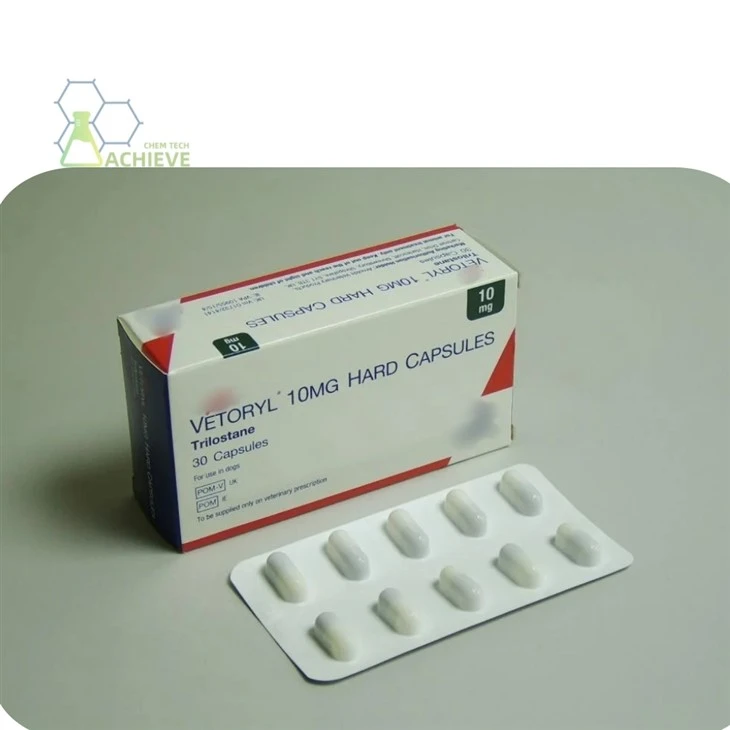
We provide trilostane capsule, please refer to the following website for detailed specifications and product information.
Product: https://www.bloomtechz.com/oem-odm/capsule-softgel/trilostane-capsule.html
A dog's adrenal glands create too much cortisol, a stress hormone that regulates body activities, causing hyperadrenocorticism. However, unusually high cortisol levels cause a hormonal imbalance that may severely impair your pet's health. It usually affects middle-aged to elderly dogs, although younger dogs might have it. Before a diagnosis, pet owners observe progressive changes in their dog's behaviour and appearance. Careful owners and knowledgeable veterinary experts must work together to identify symptoms and develop a treatment plan.
What Are the Main Uses of Trilostane Capsule in Managing Canine Hyperadrenocorticism?

Addressing Primary Pituitary-Dependent Hyperadrenocorticism
Most pituitary gland tumours cause the adrenal glands to produce too many hormones, causing Cushing's disease in dogs. Our main treatment for pituitary-dependent hyperadrenocorticism, which accounts for 80% to 85% of all cases in dogs, is trilostane capsules. The medication restores hormonal balance without surgery by altering cortisol-making cells. Animal endocrinologists have found that giving dogs the right amount of trilostane capsules and being monitored by a doctor improves their symptoms.
Some dogs with pituitary-dependent hyperadrenocorticism have polydipsia, polyuria, polyphagia, and muscular weakness that worsens with time.
The disorder generally produces symmetrical baldness on both sides, thin, easily bruised skin, and comedones. Too much cortisol harms the skin, immunological system, and protein production. Trilostane tablets prevent these harmful alterations by reducing cortisol release.
Managing Adrenal-Dependent Forms of the Disease
About 15% to 20% of dogs with hyperadrenocorticism have functional adrenal tumours that make cortisol on their own, without any help from the pituitary gland. If the adrenal cancer can be operated on, surgery is the best way to treat it.


However, trilostane capsules are a good medicine for dogs that can't have surgery because they are too old, have other health problems, or the tumour itself isn't a good choice. Trilostane capsules can also help dogs with dangerous adrenal carcinomas that have spread or can't be taken out completely. The medicine helps lessen symptoms and make life better even when it's not possible to treat the illness effectively. Veterinarians carefully look at each case to figure out whether surgery or medicine is the best way to treat it. This choice is based on the dog's overall health, the size and location of the tumour, any signs of vein invasion, and the presence of metastasised disease. Imaging tests, such as abdominal ultrasound and computed tomography, help doctors figure out how to treat a tumour by giving them a lot of information about it.
It is important to make sure that the drug controls hormone production well and has as few side effects as possible when trilostane capsules are used for treatment.
Supporting Overall Quality of Life Improvements
Trilostane capsule treatment does more than just fix hormonal problems; it also makes the lives of dogs who have them a lot better. As cortisol levels level off, many dogs have more energy, can control their hunger better, sleep better, and their coats grow back normally. People who own dogs often say that their dogs become more playful and friendly, like they were before they got the disease.


Together with objective clinical measures, these changes in how the person felt show that the whole treatment worked. You shouldn't undervalue the mental and emotional benefits of taking good care of your hyperadrenocorticism. When Cushing's disease isn't under control, dogs often feel pain from their symptoms. This can change how they act by making them tired, restless, or less interested in other people. By getting hormones back in balance, trilostane capsule therapy helps dogs feel better about their bodies. In turn, this makes people happier and more social. It's common for dog owners and their dogs' health to get better and their bond to grow stronger as the dogs follow their treatment plans and get follow-up care.
How Does Trilostane Capsule Help Regulate Cortisol Production in Dogs?

Mechanism of Adrenal Enzyme Inhibition
Other steroid hormones need enzymes like cortisol, aldosterone, and sex hormones. Trilostane capsules inhibit these enzymes. The adrenal glands struggle to convert precursor molecules into active cortisol when trilostane capsules briefly block this enzyme. This biological interaction occurs during steroidogenesis. It reduces adrenal gland hormone production rather than halting it. This blocking can be undone safely by stopping the medicine, which restores enzyme activity.
The enzyme 3β-hydroxysteroid dehydrogenase expedites the production of progesterone from pregnenolone. Progesterone is then utilised to generate cortisol. Trilostane capsules temporarily take over the enzyme's active site.
This drastically slows conversion and prevents cortisol generation. Clinical ACTH activation assays demonstrate a significant reduction in blood cortisol. These tests help veterinarians determine whether to modify the drug dosage and how successfully it controls hormones.
Achieving Hormonal Balance Without Complete Suppression
Trilostane tablets reduce cortisol and hormone levels, improving bodily function. Cortisol regulates heart rhythm, immunological system, glucose metabolism, and stress response. Eliminating it would be awful. Trilostane pills lower cortisol to a healthy level.


This complex method requires precise dose adjustments and frequent monitoring to find the best therapy window. Trilostane pills are progressively increased based on dog reactivity and lab tests. Regular ACTH activation testing after treatment is the best way to measure adrenal gland function and cortisol production. Cortisol levels after ACTH should be within a range. This shows hyperadrenocorticism is well-regulated without being too slow, which might cause adrenal insufficiency. Drugs affect dogs differently and need different doses. This personalised method acknowledges that.
Pharmacokinetics for Uniform Control
Trilostane pills move through the body and treat dog hyperadrenocorticism. The drug is taken twice daily with food. It enhances absorption and stabilises blood levels all day. The body easily absorbs trilostane capsules. Within two hours, blood levels peak. The medicine is needed twice a day by most dogs due to its short half-life. The illness may require daily therapy for some animals.
Knowing the time between trilostane tablets and peak effects helps doctors monitor. ACTH activation assays work best four to six hours after morning medication. Vets can monitor adrenal inhibition and maintain therapeutic cortisol levels. Regular mealtimes promote drug absorption. Stabilises disease control.

Understanding the Role of Trilostane Capsule in Supporting Adrenal Function Management

Balancing Cortisol Reduction With Aldosterone Preservation
Adrenal glands produce aldosterone. Helps maintain blood pressure, chemical equilibrium, and fluid stability. Trilostane capsule medication prevents an enzyme from generating numerous steroid hormones; therefore, aldosterone synthesis may fluctuate when cortisol levels decline. Trilostane capsules reduce cortisol and maintain aldosterone levels when taken properly. This drug is preferable to others that potentially worsen mineralocorticoid insufficiency since it has limited effects.
Insufficient aldosterone can cause electrolyte imbalances, including hyperkalaemia and hyponatraemia. Veterinarians always watch for these indications.
Checking blood electrolyte levels regularly while taking trilostane capsules can detect new changes before they become clinically significant. Different dogs may need different doses or extra care to maintain pH levels. Mineralocorticoid shortage seldom occurs in dogs using the medication. This customised care ensures the best therapy and reduces danger.
Monitoring Adrenal Response Through Serial Testing
Trilostane capsules must be monitored to lower cortisol levels without suppressing adrenal function to treat hyperadrenocorticism. Trilostane capsule-taking dogs should be monitored using the ACTH activation test.


Cortisol levels are assessed first. Synthetic ACTH stimulates the adrenal glands. The cortisol levels are checked again after an hour. How much cortisol rises when ACTH is triggered tells us how much adrenal reserve is left and how successfully the drug blocks enzymes.
Veterinarians recommend ACTH stimulation testing periodically throughout therapy. 10–14 days after commencing medication, 10–14 days following dosage modifications, and every three to six months until satisfactory control is achieved. These check-in intervals can identify issues including insufficient control, excessive reduction, or illness changes that may need therapy modifications. Some dogs may need more frequent checkups if they have treatment issues or other health issues that could affect how the drug works or how the disease progresses.
Supporting Long-Term Adrenal Health and Function
Hyperadrenocorticism is a condition that most people will have to deal with for the rest of their lives. However, the right trilostane capsule treatment can help keep adrenal tissue healthy and working over time. It's possible for the adrenal glands to get bigger and lose their ability to do their job if they release too much cortisol. This keeps the disease going. If you take trilostane capsules as directed, they may help keep your adrenal glands healthy by lowering your hormone levels to more normal levels. This part of therapy keeps things from going wrong, which makes medical care last a long time.


When dogs regularly get trilostane capsule treatment and are checked by a vet, they generally stay healthy for months or even years. Because the drug's mode of action can be switched off when drug levels drop, the adrenal glands can still respond properly to body signals. This type of person is very helpful when they need to deal with stress, like when they are sick, hurt, or having surgery. If an animal is sick or having surgery, the vet may temporarily change or stop giving them trilostane capsules to make sure they get enough cortisol during these times of high stress.
How Veterinarians Determine Trilostane Capsule Use Based on Individual Dog Health Conditions

Comprehensive Diagnostic Evaluation Before Treatment
All of these tests are done by doctors before starting trilostane capsule treatment. They do these to show hyperadrenocorticism, find the cause, and make sure the animal is healthy in general. A urine sample, a full blood count, and some hormonal tests, such as the low-dose dexamethasone suppression test or the ACTH stimulation test, are often used to figure out what's wrong. Through these first tests, it is found whether there are any hormonal imbalances and whether there are any other health problems that need to be managed or that could change the treatment options.
To find out what kind of hyperadrenocorticism someone has and how to treat it, diagnostic imaging is very important. The adrenal glands can be seen on an abdominal ultrasound. This helps the doctor tell the difference between adrenal-dependent disease (which usually has one swollen gland and one normal or atrophied gland) and pituitary-dependent disease (which usually has two swollen glands on each side). When things are difficult, like when surgery is being thought about, it might be best to use more advanced imaging techniques, such as CT scans or MRIs. This in-depth method of diagnosis makes sure that the right trilostane capsule is picked and that the treatment goals are right for the virus.


Tailoring Initial Dosing to Individual Patient Characteristics
Vets determine a dog's first trilostane tablet dosage based on its weight. These dosages follow safety-effectiveness requirements. Vets may recommend starting with a set dosage per kilogram, although this might vary depending on the dog's health, illness severity, and other health conditions. Start low and gradually increase as necessary. This makes the medicine less likely to be overly potent and lets the user test their sensitivity.
Patients' individual features impact treatment choices beyond weight. The medicine may not work as well for dogs with kidney, liver, or metabolic diseases. The dog may require a different dosage or careful supervision to utilise it safely.
Pets receiving several drugs should be evaluated for medication combinations that might affect trilostane capsules' efficacy or breakdown. Because medicines and organs change with age, elderly hyperadrenocorticism patients may need to be cautious while increasing their dosage. This customised approach recognises that the finest treatment goes beyond routine processes and considers each patient's medical history.
Adjusting Treatment Based on Response and Tolerability
The first trilostane tablet dosages are just starting. As patient responses and test results change, the amount is changed.


If the dog's symptoms don't improve or the ACTH stimulation test shows no cortisol drop, increase the amount. Doses should be lowered or terminated for extremely subdued dogs. It comprises fatigued, hungry, vomiting, and ACTH-stimulated dogs with too much cortisol decrease. Adjustments will continue until each patient gets enough.
Given our clinic experience with hyperadrenocortic dogs, we know they need various doses. Dog decides. Some dogs calm down with a modest dose, while others need more. This variation may be due to drug breakdown, severity, and adrenal gland enzyme blockade sensitivity. Vets and pet owners should talk often so dose may be adjusted quickly if health changes. This maintains trilostane capsule treatment.
Building a Long-Term Management Approach with Trilostane Capsule for Dogs with Hormonal Imbalance
Establishing Consistent Medication Administration Routines
For trilostane capsule treatment to work, take the medication on schedule every day. Trilostane capsules should be taken periodically, particularly during meals, to maximise absorption and reduce stomach distress. Dogs sometimes like taking medicine with food. For such dogs, try concealing capsules in their favourite treats or giving them pill pockets. If you take your medication twice a day, 12 hours apart, your cortisol levels will remain the same.
Travelling, being busy, or changing your schedule might make it hard to take your medications. Pet owners should see their vet if they forget to give their pet a dosage or need to adjust its regimen. Missing a dosage usually means taking the following one as scheduled. Taking two doses may weaken you. Apps that remind you to give your pet medication, pill planners, and other schedule-keeping tools might assist if you're busy. Setting up regular medication intervals can help you manage your disease and have fewer issues.
Integrating Regular Monitoring Into Ongoing Care
A vet must monitor the animal for long-term hyperadrenocorticism. In addition to diagnosis and dose stabilisation. After illness treatment with trilostane capsules, vets suggest monitoring dogs every three to six months. Symptoms, ACTH stimulation tests, and blood tests are used to identify therapeutic side effects and other health concerns. Clinically unstable, sick, or test-abnormal dogs may need more regular monitoring.
Dog owners must monitor mood, behaviour, and water intake. These little changes may indicate new therapeutic concerns, such as medication problems or inability to control the illness. The vet will benefit from knowing how much water your pet drinks, how hungry, how lively, and other problems. Pet owners and doctors can watch them. Thus, a safety net helps identify issues quickly, when they are easiest to fix.
Adapting Treatment Plans as Disease and Health Status Evolve
Frequently change hyperadrenocorticism therapy. Some dogs' conditions worsen, requiring higher doses. If other dogs' issues improve, they may reduce dose. Trilostane pills may be harder for sick dogs or need adjustments. Hyperadrenocorticism-causing pituitary tumours may develop. Beyond trilostane pills, brain disorders may need more testing and therapy.
Management can anticipate changes with easy medical team communication. Monitoring meetings allow you to discuss issues, evaluate therapy goals, and adjust strategies. If medication fails, see a veterinary endocrinologist or internal medicine expert. We personalise therapy to patient needs and medical breakthroughs to provide canines the finest, scientifically proven care.
Since effective medications exist, well-controlled hyperadrenocorticism dogs have better long-term prospects. Trilostane improves many dogs' lives for months or years after identification. Long-term pet owners need veterinary help administering medications. This cooperation aids hyperadrenocortic dogs.
Conclusion
Many dogs with hyperadrenocorticism have improved their life with a veterinary trilostane capsule, a scientifically proven treatment. Drugs that reduce cortisol production are usually prescribed for this condition. As long as taken as advised, it is safe and effective. If dog owners comprehend trilostane capsules, treat and monitor each dog independently, and agree to long-term management plans, they may provide their injured pets the finest care.
From first examination to final treatment, pet owners and doctors must be patient, devoted, and collaborative. Lifelong treatment is needed for hyperadrenocorticism. However, effective therapy may greatly improve quality of life. With frequent trilostane capsule treatment and medical supervision, some dogs may regain normal activity, appearance, and health. Their ailments plagued them with agony and illness.
FAQ
1. How long does it take for trilostane capsule to start working in dogs with hyperadrenocorticism?
Most dogs recover after two to four weeks of trilostane capsule therapy. However, some dogs may require longer durations. First-time changemakers consume less water and use the restroom less. After this, coat quality, vitality, and health gradually improve. After 10–14 days of taking the medication, the first ACTH stimulation test indicates how it affects cortisol production, even if clinical indications are not yet apparent. Pet owners should be realistic and anticipate symptom resolution to take weeks to months, especially for hair regrowth and muscle mass restoration.
2. Are there any serious side effects associated with trilostane capsule treatment in dogs?
People like trilostane capsule therapy, however it might cause negative effects if the adrenal glands become aroused. Iatrogenic hypoadrenocorticism (Addison's disease) is the worst adverse effect. It occurs when cortisol levels are low. In severe situations, this illness may cause fatigue, loss of appetite, vomiting, diarrhoea, weakness, and even fainting or shock. These symptoms need immediate vet attention. After stopping the medicine and receiving support, they usually disappear. In the beginning of treatment, modest gastrointestinal issues may not be as bothersome. ACTH activation in regular tests can detect excessive reduction before it affects health. This emphasises the need of follow-up visits.
3. Can trilostane capsule be used long-term to manage canine hyperadrenocorticism?
Since dogs require lifelong treatment for hyperadrenocorticism, trilostane capsules are used. However, many dogs use trilostane tablets daily for months or years without any problems. The drug can be used for a long time because it can be turned off and is safe if monitored. To be effective long-term, the medications must be administered regularly, the animal must have frequent medical examinations and ACTH stimulation tests by a veterinarian, and any health changes must be noted immediately. Some dogs require dosage changes if they are ill or have other health concerns. Most dogs may live well under therapy with proper care.
Partner with BLOOM TECH: Your Trusted Trilostane Capsule Supplier
When veterinary professionals and pharmaceutical distributors seek a reliable trilostane capsule supplier, BLOOM TECH stands ready to deliver exceptional quality and service. With over 12 years of expertise in organic synthesis and pharmaceutical intermediates, our GMP-certified production facilities meet US-FDA, EU-GMP, and CFDA standards, ensuring pharmaceutical-grade products that veterinarians can trust. We serve as qualified suppliers to 24 renowned international companies, offering competitive pricing with transparent profit margins, rigorous three-tier quality control, and accurate delivery timelines tracked through our advanced ERP platform.
Whether you need bulk active pharmaceutical ingredients or customized formulation development, our R&D team provides comprehensive technical support. Experience the BLOOM TECH difference-where Chinese manufacturing excellence meets international quality standards. Contact our team today at Sales@bloomtechz.com to discuss your trilostane capsule requirements and discover how our expertise can support your veterinary pharmaceutical needs.
References
1. Reusch CE, Feldman EC. Canine hyperadrenocorticism due to adrenocortical neoplasia: pretreatment evaluation of 41 dogs. Journal of Veterinary Internal Medicine, 1991; 5(1): 3-10.
2. Neiger R, Ramsey I, O'Connor J, Hurley KJ, Mooney CT. Trilostane treatment of 78 dogs with pituitary-dependent hyperadrenocorticism. Veterinary Record, 2002; 150(26): 799-804.
3. Benchekroun G, de Fornel-Thibaud P, Rodríguez Piñeiro MI, Rault D, Besso J, Maurey-Guenec C, Rosenberg D. Ultrasonography criteria for differentiating ACTH dependency from ACTH independency in dogs with hyperadrenocorticism. Journal of Veterinary Internal Medicine, 2010; 24(5): 1077-1085.
4. Vaughan MA, Woolley SA, Copland MD, Pinilla M, Bruyette DS. Evaluation of twice-daily, low-dose trilostane treatment administered orally in dogs with naturally occurring hyperadrenocorticism. Journal of the American Veterinary Medical Association, 2008; 232(9): 1321-1328.
5. Ramsey IK, Richardson J, Lenard Z, Tebb A, Irwin PJ. Persistent isolated hypocortisolism following brief treatment with trilostane. Australian Veterinary Journal, 2008; 86(12): 491-495.
6. Helm JR, McLauchlan G, Boden LA, Frowde PE, Collings AJ, Tebb AJ, Elwood CM, Herrtage ME. A comparison of factors that influence survival in dogs with adrenal-dependent hyperadrenocorticism treated with mitotane or trilostane. Journal of Veterinary Internal Medicine, 2011; 25(2): 251-260.