


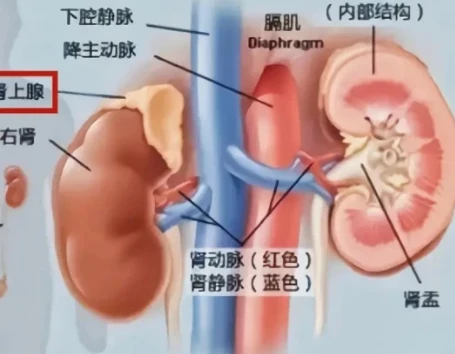
A few of enzymes act as switches on a biochemical assembly line to produce steroid hormones. One of the most significant switches is 3β-hydroxysteroid dehydrogenase, which is often abbreviated as 3β-HSD. This enzyme is a key junction in the adrenal gland and it just so happens to be the same target that trilostane pills and trilostane tablets were supposed to affect. This understanding helps to explain why trilostane is employed in disorders involving excess cortisol and aldosterone, and why it is important to get a dependable, well-tested form of this molecule for research and pharmaceutical purposes. This article explains the science in layman's terms, demonstrating how the inhibition of 3β-HSD impacts the pharmacological profile of trilostane and why that profile remains of interest to labs and manufacturers worldwide.
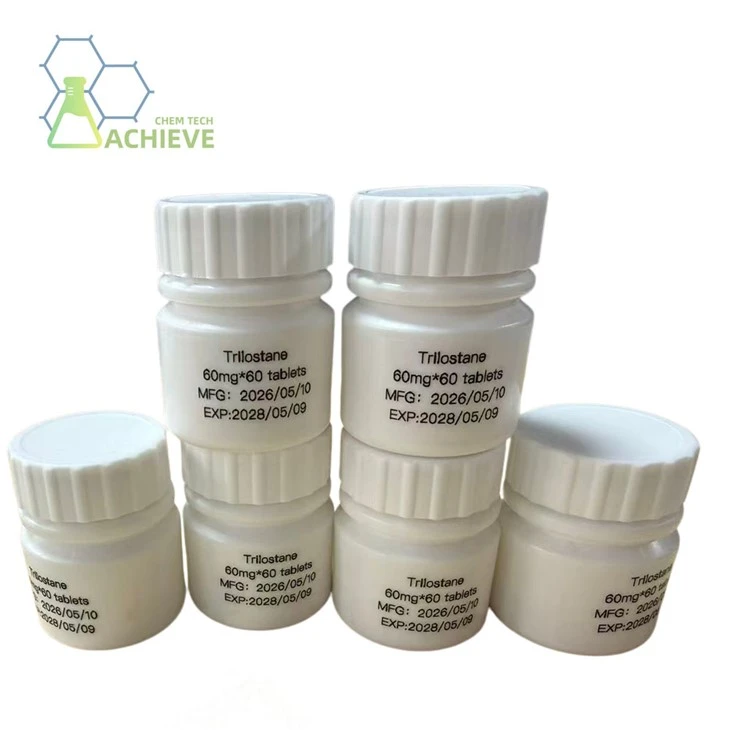
Trilostane Tablets
1.General Specification(in stock)
(1)Injection
Customizable
(2)Tablet
Customizable
(3)API(Pure powder)
PE/Al foil bag/ paper box for Pure powder
HPLC≥99.0%
2.Customization:
We will negotiate individually, OEM/ODM, No brand, for secience researching only.
Internal Code: BM-2-016
What Is the Role of 3β-HSD in Trilostane Tablets Activity?
3β-HSD works as a gatekeeper in the adrenal cortex. The body needs it to convert certain early-stage steroid precursors into the active hormones that govern blood pressure, metabolism and stress response. The way trilostane pills function is to block this gatekeeper, slowing down the whole hormone producing process early on (not at the finished product).
3β-HSD works as a gatekeeper in the adrenal cortex. The body needs it to convert certain early-stage steroid precursors into the active hormones that govern blood pressure, metabolism and stress response. The way trilostane pills function is to block this gatekeeper, slowing down the whole hormone producing process early on (not at the finished product).
Understanding the 3β-HSD Enzyme Family
The 3β-HSD family has many isoforms in the adrenal glands, gonads and peripheral tissue. The isoforms range significantly in the substrates upon which they act . However , all of the isoforms perform the same fundamental function : oxidising and isomerising Δ⁵ steroids to Δ⁴ steroids .
This double action accounts for the fact that the enzyme is commonly reported along with the associated Δ⁵,⁴-isomerase activity.
How Trilostane Tablets Target This Enzyme
Trilostane is a competitive active site inhibitor of 3β-HSD. The chemical is similar enough to the native substrate to fill the enzyme's active site but not enough to enable the normal transformation to take place. This competitive inhibition is reversible and is dependent upon how much trilostane is in circulation at any given moment. This is one reason why trilostane medicines have dosage regimens that are carefully planned around consistent blood levels.
How Does 3β-HSD Inhibition Change Steroid Synthesis?
They still make steroids even when 3β-HSD is inhibited. Instead, it redirects the channel, and reduces the amount of cortisol, aldosterone and associated hormones that get into the circulation. This selective slowing is the basis for the therapeutic benefit of trilostane tablets in the management of illnesses associated with excess adrenal hormone production.
The Steroidogenesis Pathway Explained
Steroid production starts with cholesterol and is transformed step by step into pregnenolone and subsequently into a branching collection of intermediate molecules.
This branching structure has 3β-HSD at the top , thus inhibiting it will influence more than one downstream hormone , rather than a single isolated product .
This upstream location is part of the difference between trilostane and medicines that operate solely on a downstream enzyme.
Downstream Effects on Hormone Output
When the enzyme activity of 3β-HSD decreases, precursor molecules build up, and hormones that rely on this conversion step become more rare. Clinical experience demonstrates that injection of trilostane results in meaningful reductions in circulating cortisol and aldosterone, thereby supporting its established usage in controlling adrenal hormone excess in veterinary and research settings.
Trilostane Tablets and the Pregnenolone-to-Progesterone Step
Pregnenolone is at the fork in the steroid pathway, and 3β-HSD is the enzyme that converts pregnenolone to progesterone. This single conversion feeds into both the glucocorticoid and mineralocorticoid arms, therefore becoming a critical location for pharmacological regulation.
Why This Conversion Matters
Progesterone itself is a precursor in the synthesis of cortisol and aldosterone. This phase is slowed by trilostane tablets , and the whole downstream supply chain of adrenal hormones faces a significant bottleneck .

This phase is widely cited by researchers investigating adrenal physiology, since it shows how one enzyme may affect many classes of hormones at once.

Clinical Relevance of This Mechanism
This barrier in the pregnenolone to progesterone pathway is regularly cited as the molecular basis for the authorised use of trilostane in the management of excess cortisol production in dogs, in veterinary pharmacology literature, including studies published on canine hyperadrenocorticism. This is one of the finest known real world usage of the chemical.
How Does 3β-HSD Inhibition Affect Cortisol Production?
Cortisol production requires continual availability of intermediates produced from progesterone. The drug has been researched in circumstances of excess of cortisol. Interest is mainly because the reduction of activity of 3β-HSD causes dose-dependent decrease of a cortisol production.
Reduced Cortisol Synthesis in the Adrenal Cortex
Laboratory data before and after treatment with trilostane tablets demonstrate a steady drop in the plasma cortisol concentrations. This decrease is usually seen within hours after administration and correlates with the half-life of the substance in plasma. This is the reason why twice daily dose regimens are generally used in clinical trials.
Balancing Hormone Suppression With Safety
Too aggressively knocking down cortisol may lead to its own difficulties . Cortisol is a crucial part of stress response and metabolic control . Responsible usage also includes continuing laboratory analysis. Monitoring techniques that measure cortisol levels, electrolyte balance, and overall liver and kidney function help maintain trilostane treatment in a safe and effective range.
Why Is 3β-HSD Important to the Action of Trilostane Tablets?
The enzyme is not only a biochemical detail, it is the basis of the complete mechanism of action of trilostane. It is for this reason that every pharmacological description of trilostane starts with this enzyme . Without 3β-HSD inhibition , trilostane would not have a significant impact on adrenal hormone output .

A Single Target With Broad Pharmacological Reach
3β-HSD has an impact on many hormone branches at the same time, hence trilostane has a wider effect than medications which only act on one hormone route. This range explains its recorded usage in both cortisol-related and aldosterone-related diseases, and is one reason why trilostane tablets are still being investigated for further uses in endocrine research.
Supporting Research and Quality Manufacturing
The accuracy necessary to produce a chemical that targets such a particular enzyme makes constant purity and analytical verification imperative.
Bloomtechz supports this procedure by in-house quality check of the product.The laboratories that deal with trilostane usually ask for HPLC, LC-MS and ¹H NMR analysis to establish the identification and purity of the product before they proceed with the formulation work.
Conclusion
3β-HSD is the heart of the pharmacological narrative of trilostane. It blocks this enzyme and so reduces the conversion of pregnenolone to progesterone and the production of cortisol and aldosterone in the cortex of the adrenal gland. Such a process has been the basis of decades of clinical and veterinary usage, and continues to be the basis of continuing research into adrenal hormone control. This knowledge of the enzyme interaction helps researchers, formulators and purchasing teams to better understand why trilostane tablets continue to be a valued substance for endocrine work.
FAQ
1.What is 3β-HSD, and why does it matter for trilostane?
+
-
3β-HSD is an enzyme that transforms early steroid precursors into active hormone building blocks. This enzyme is inhibited by trilostane and this is why it may decrease cortisol and aldosterone synthesis from the adrenal cortex.
2.Does trilostane stop all steroid hormone production?
+
-
No. Trilostane does not completely shut off steroidogenesis but delays a particular conversion step. Such selectivity enables for dosage changes according to clinical monitoring.
3.Why do laboratories request HPLC and LC-MS testing for trilostane?
+
-
These analytical techniques guarantee the purity and identification so important for a chemical whose activity relies on exact enzyme-binding behaviour. This is a verification provided by Bloomtechz as part of our quality assurance procedure.
Partner With Bloomtechz for Trustworthy Trilostane Tablets Supply
Bloomtechz has more than a decade expertise in organic production and GMP certified manufacturing for every batch of trilostane we make. A trusted trilostane tablets supplier to pharmaceutical, research and speciality chemical partners throughout the globe, with triple-layer quality analysis, transparent pricing and ERP-tracked lead times. If you require specifications, analytical results or bulk manufacturing, just reach out to us at Sales@bloomtechz.com and let us assist you transition your idea from lab-scale research to reliable large-scale production.
References
1. Neiger, R., Witt, A. L., Noble, A., and German, A. J. "Trilostane Therapy for Treatment of Pituitary-Dependent Hyperadrenocorticism in Dogs." Journal of Veterinary Internal Medicine.
2. Ramsey, Ian K. "Trilostane in Dogs." Veterinary Clinics of North America: Small Animal Practice.
3. Potts, G. O., Creange, J. E., Hardomg, H. R., and Schane, H. P. "Trilostane, an Orally Active Inhibitor of Steroid Biosynthesis." Steroids.
4. Barker, E. N., Campbell, S., Tebb, A. J., Neiger, R., Herrtage, M. E., Reid, S. W., and Ramsey, I. K. "A Comparison of the Survival Times of Dogs Treated with Mitotane or Trilostane for Pituitary-Dependent Hyperadrenocorticism." Journal of Veterinary Internal Medicine.
5. National Center for Biotechnology Information. "Trilostane Compound Summary." PubChem Database.
6. Cooper, A. E., and Feldman, E. C. "Diagnosis and Medical Management of Hyperadrenocorticism." Veterinary Clinics of North America: Small Animal Practice.