


Feline infectious peritonitis (FIP) has long been a devastating disease for cats, with no effective treatment available until recently. The emergence of GS 441524 powder as a promising FIP drug for cats has revolutionized the approach to treating this once-fatal condition. But why does GS-441524 specifically target the feline infectious peritonitis virus (FIPV)? Let's delve into the science behind this groundbreaking treatment and explore the reasons for its effectiveness.

1.General Specification(in stock)
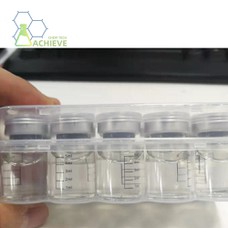
(1)Injection
20mg, 6ml; 30mg,8ml; 40mg,10ml
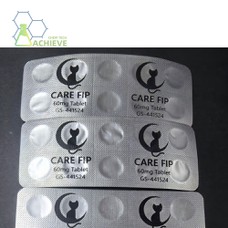
(2)Tablet
25/45/60/70mg
(3)API(Pure powder)
(4)Pill press machine
https://www.achievechem.com/pill-press
2.Customization:
We will negotiate individually, OEM/ODM, No brand, for secience researching only.
Internal Code: BM-2-1-049
GS-441524 CAS 1191237-69-0
Analysis: HPLC, LC-MS, HNMR
Technology support: R&D Dept.-4
We provide GS-441524 powder, please refer to the following website for detailed specifications and product information.
We also accept customization and offer other forms of this product, as shown in the picture:
Our product
FIPV vs Other Coronaviruses: Why This Target?
FIPV, a mutated form of the feline enteric coronavirus (FECV), belongs to the Alphacoronavirus genus. While other coronaviruses affect various species, FIPV is unique in its devastating impact on cats. The virus's ability to replicate rapidly and cause severe inflammation makes it a formidable opponent in feline health.
The Unique Characteristics of FIPV
Feline Infectious Peritonitis Virus (FIPV) is distinct among coronaviruses due to its unusual pathogenesis. Unlike the benign feline enteric coronavirus (FECV) from which it mutates, FIPV invades and replicates within macrophages-immune cells responsible for detecting and destroying pathogens. This abnormal behavior leads to an excessive, misdirected immune response that causes inflammation in vital organs and body cavities. These inflammatory reactions are at the heart of FIP's devastating clinical signs, such as fever, fluid accumulation, and neurological symptoms. The virus's aggressive interaction with the immune system makes it especially lethal and sets it apart from other coronaviruses affecting both humans and animals.
Comparative Efficacy Against Other Coronaviruses
GS 441524 Powder, a nucleoside analog, exhibits antiviral activity across a spectrum of coronaviruses by targeting the RNA-dependent RNA polymerase (RdRp) crucial for viral replication. However, its performance against FIPV is especially remarkable. This enhanced efficacy is likely due to its ability to achieve therapeutic concentrations in tissues where FIPV establishes infection, including the brain, eyes, and abdominal organs. Unlike treatments for other coronaviruses, GS 441524 Powder has been repeatedly successful in reversing even advanced FIP symptoms in cats. While its potential against other coronaviruses is still under investigation, its targeted action against FIPV solidifies its role as a breakthrough treatment in feline virology.
Does GS-441524 Powder Specifically Inhibit FIPV Protease?
Contrary to what some might assume, GS-441524 does not directly inhibit the FIPV protease. Instead, it works through a different mechanism to combat the virus.

The Mechanism of Action
GS-441524 functions as a nucleoside analog, specifically designed to disrupt the viral replication process of feline infectious peritonitis virus (FIPV). After entering the host cell, GS-441524 undergoes phosphorylation to form its active triphosphate version. This metabolite closely resembles adenosine triphosphate and is mistakenly incorporated into the viral RNA by the FIPV RNA-dependent RNA polymerase. Once inserted, it causes premature termination of the RNA chain, halting further replication. Importantly, this mode of action does not involve inhibition of the FIPV protease, which is responsible for processing viral polyproteins during replication.
Comparison with Protease Inhibitors
Protease inhibitors, unlike GS-441524, target the virus's proteolytic processing stage by blocking the activity of viral proteases. These enzymes are crucial for cleaving viral polyproteins into functional units necessary for virus assembly and maturation. In contrast, GS-441524, a widely used FIP drug for cats, works at an earlier stage, interrupting the synthesis of viral RNA. This difference highlights a fundamental divergence in therapeutic approach-GS-441524 inhibits replication, while protease inhibitors prevent maturation. By targeting RNA synthesis, GS-441524 provides a potent and direct method to stop viral proliferation, especially effective in treating FIP without affecting the protease pathway.

How Was FIPV Chosen for GS-441524 Development?
The selection of FIPV as the target for GS-441524 development was not arbitrary. It resulted from years of research and a deep understanding of both the virus and the potential of nucleoside analogs in antiviral therapy.

The Research Journey
The development of GS-441524 as a FIP drug for cats began with broader research into antiviral compounds. Scientists at Gilead Sciences, the company behind GS-441524, were exploring nucleoside analogs for their potential against various viruses.
Initial studies focused on the compound's efficacy against human coronaviruses and other RNA viruses. However, the devastating nature of FIP and the lack of effective treatments in veterinary medicine led researchers to investigate its potential against FIPV.
Preclinical and Clinical Studies
Preclinical studies demonstrated GS-441524's potent activity against FIPV in cell cultures. These promising results led to in vivo studies in cats, where the compound showed remarkable efficacy in treating both experimental and naturally occurring FIP.
The success of these studies, coupled with the compound's favorable safety profile, solidified FIPV as a prime target for GS-441524, a promising FIP drug for cats. The urgent need for an effective FIP treatment further accelerated its development and adoption in veterinary medicine.


The Role of Feline Models in Antiviral Research
FIPV's selection as a target for GS-441524 also highlights the importance of feline models in antiviral research. Studying FIP not only benefits cats but also provides valuable insights into coronavirus pathogenesis and treatment strategies that may be applicable to other species, including humans.
The success of GS 441524 powder in treating FIP has opened new avenues for research into other coronavirus-related diseases, demonstrating the interconnectedness of human and animal health in the field of virology.
Conclusion
The development of GS-441524 powder as a targeted treatment for FIPV represents a significant breakthrough in veterinary medicine. Its mechanism of action, specificity for viral RNA polymerase, and remarkable efficacy in treating FIP have transformed the prognosis for cats affected by this once-fatal disease.
As research continues, the lessons learned from GS-441524's success against FIPV may pave the way for new antiviral strategies against other coronaviruses and RNA viruses. This underscores the importance of continued investment in antiviral research and the potential for cross-species applications in drug development.
For those in the pharmaceutical and chemical industries seeking high-quality GS-441524 powder or other specialized compounds, Shaanxi BLOOM TECH Co., Ltd. stands ready to meet your needs. With our state-of-the-art GMP-certified production facilities and expertise in advanced chemical reactions and purification techniques, we offer unparalleled quality and reliability.
Whether you're in the pharmaceutical industry looking for bulk chemical purchases, the polymer and plastics industry requiring raw materials for polymerization, or operating in the paints and coatings, water treatment, oil and gas, or specialty chemicals sectors, BLOOM TECH has the capabilities to support your endeavors.
To learn more about our GS 441524 powder and other chemical products, please contact us at Sales@bloomtechz.com. Our team of experts is ready to assist you with your specific requirements and help advance your research and development efforts.
References
1. Pedersen, N.C., et al. (2019). Efficacy and safety of the nucleoside analog GS-441524 for treatment of cats with naturally occurring feline infectious peritonitis. Journal of Feline Medicine and Surgery, 21(4), 271-281.
2. Murphy, B.G., et al. (2018). The nucleoside analog GS-441524 strongly inhibits feline infectiousperitonitis (FIP) virus in tissue culture and experimental cat infection studies. Veterinary Microbiology, 219, 226-233.
3. Kim, Y., et al. (2020). Broad-spectrum antivirals against 3C or 3C-like proteases of picornaviruses, noroviruses, and coronaviruses. Journal of Virology, 94(4), e01979-19.
4. Dickinson, P.J., et al. (2020). Antiviral treatment using the adenosine nucleoside analogue GS-441524 in cats with clinically diagnosed neurological feline infectious peritonitis. Journal of Veterinary Internal Medicine, 34(4), 1587-1593.