


Feline Infectious Peritonitis, or FIP, has been known for a long time to be one of the worst dog illnesses. People who got this dangerous virus, which is caused by a change in the feline coronavirus, would almost always die from it. Therapy has changed a lot since the GS-441524 injection was discovered. It has given people hope where there was none before. People who own cats and vets all over the world are quickly turning to this antiviral material as the best way to treat their pets. Other FIP treatments are now rated by how well this one works.To understand why this treatment is so common, we need to look at how it works in the body, how well it works in professional settings, and how it is better than other options in real life. More and more success stories in veterinary centers around the world show that this treatment is not just a small step forward. It is a big change from the old way of treating this condition, which was to kill the animal.
1.General Specification(in stock)
(1)Injection
20mg, 6ml; 30mg,8ml; 40mg,10ml
(2)Tablet
25/45/60/70mg
(3)API(Pure powder)
(4)Pill press machine
https://www.achievechem.com/pill-press
2.Customization:
We will negotiate individually, OEM/ODM, No brand, for secience researching only.
GS-441524 CAS 1191237-69-0
Analysis: HPLC, LC-MS, HNMR
Technology support: R&D Dept.-4
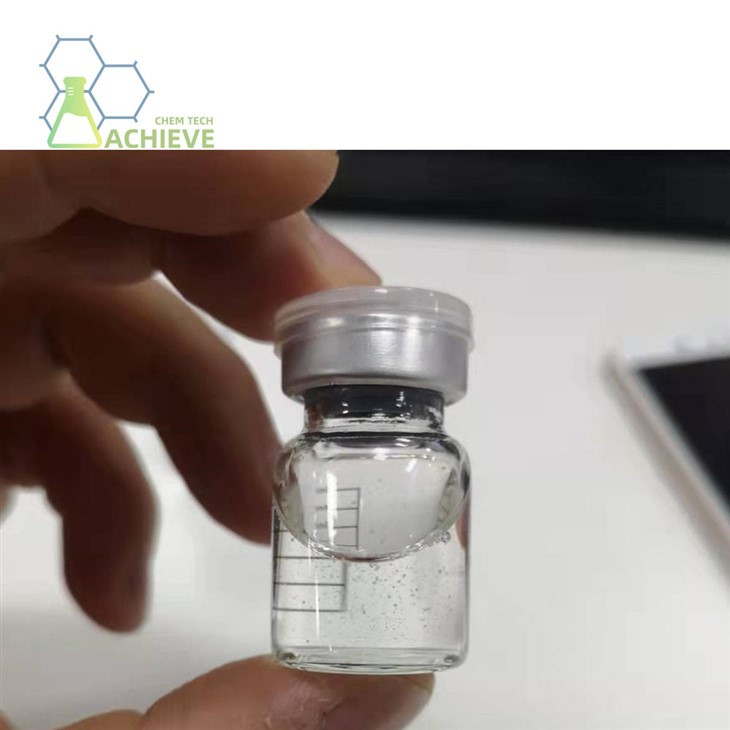
We provide GS-441524 injection, please refer to the following website for detailed specifications and product information.
Product: https://www.bloomtechz.com/oem-odm/injection/gs-441524-injection.html

What Makes GS-441524 Injection a Leading Option for FIP Treatment

Why does the GS-441524 injection work so well to treat FIP?
Its chemical structure lets GS-441524 injection work as a nucleoside analog, going straight for the viral RNA-dependent RNA polymerase that the feline coronavirus needs to copy itself. If you want to treat FIP, this method gets to the root cause instead of just treating the symptoms. When a substance is injected, it quickly spreads throughout the body and reaches therapeutic amounts in damaged organs within hours. The injectable form clearly works better than the oral versions in terms of pharmacokinetics.
If you give the drug directly, you won't have to worry about dosage issues that happen with many antiviral drugs that are taken by mouth. This way of transporting drugs makes sure that the same amount of drug is always in the bloodstream.
This is very important when treating cats that are very sick and have a poor digestive system. Some people with FIP have very bad stomach problems, like throwing up or diarrhea, which can make it hard for their bodies to absorb medicines they take by mouth.GS-441524 injection treatment for cats quickly improves key clinical measures, as seen over and over again in the lab. The fever usually goes away 24 to 48 hours after treatment starts.


After this, you'll have a bigger stomach and work out more. People who own pets and doctors can see right away that this treatment is working, which makes them more likely to trust the method. Not getting treatment for FIP makes it worse over time, but you can see real changes in the first few days of treatment.
Pharmacological Precision in Viral Suppression
Because it inhibits viral replication with minimal toxicity to host cells, this compound has strong potential as a therapeutic agent.
Its selectivity arises from the fact that it is preferentially activated in virus-infected cells, where viral enzymes facilitate its conversion into the active form. Once activated, the molecule is incorporated into newly synthesized viral RNA strands, leading to premature termination of RNA synthesis and preventing further viral replication. Laboratory studies have demonstrated that the active metabolite can reach effective intracellular concentrations sufficient to suppress viral replication, while showing low cytotoxicity in uninfected cells.


How GS-441524 Injection Became a Standard in Feline FIP Therapy

GS-441524 injection went from being a chemical used in research to being a drug that many people use. There is progress being made because of both science and community pressure. Scientists first looked into nucleoside analogs as a way to stop the coronavirus. This substance seemed like a good choice because it killed viruses well and didn't hurt people in tests before they were used on people. In the first cases of humanitarian use, which were not controlled by the government, cats that were thought to be dead came back to life in amazing ways.
When vets saw these amazing saves, they started keeping careful records of each case. This is creating a body of real-world proof. It was clear that the treatment worked well for many types of patients and in many places, which made the case for wider use stronger. Pet owners shared their stories and the effects of their experiences in ways that raised awareness that went beyond the usual ways of talking to vets. They did this through online communities and support groups. This new proof caught the attention of more and more scientists.


Researchers began to look at past cases of treatment to figure out what led to good results and what the best treatment times were. They found that most people needed treatment for a few weeks to a few months in order to get rid of the virus and keep it from coming back. So that death rates go down, the numbers also showed how important it is to get a diagnosis and start treatment right away.
Evidence Accumulation Through Clinical Documentation
When vet clinics started using GS-441524 injection methods, they started keeping detailed treatment records that kept track of lab values, clinical factors, and patient outcomes. This well-organized paperwork made it possible to learn about how treatment works, such as typical issues, patterns of reactions, and clues about the patient's outlook. More and more cases were looked at, and many of them had death rates of over 80%. This is a huge step forward for a disease that was once thought to always be fatal.


GS-441524 Injection Compared to Other Antiviral Approaches in FIP

A lot of different antiviral drugs can be used to treat FIP, but the ones that are most often used are GS-441524 injection and others like it. These techniques are very different in how well they work, how helpful they are, and how well people can handle them. For many doctors, injectable GS-441524 injection is the best way to treat their animals, even though there are related substances that can be eaten.
When taken by mouth, antiviral drugs don't always work right because they don't taste good or are easy to give to sick cats. It can be hard to give people with FIP their medicines by mouth because many of them don't want to eat or have a small stomach. These fears are taken away with the injectable method because the drug is always given, no matter what the patient eats or how their food digests. That it works every time is very helpful in the beginning of treatment, when stopping the virus quickly is very important.


Different kinds of antiviral drugs, like protease inhibitors and immunomodulatory agents, have been thought of as possible ways to treat FIP. These other choices, on the other hand, have not always worked as well as the GS-441524 injection treatment. Because it stops the virus from copying itself, nucleoside analog treatment seems to work better than other ways that target different parts of the virus's lifecycle or the immune system.
When you are thinking about antiviral treatments, you should GS-441524 injection also think about how long they need to last. Most of the time, GS-441524 injection processes take at least 12 weeks for simple cases. If the signs are bad or affect the nervous system, they need to be made worse. To get rid of all the viruses and keep them from coming back, you have to go through a longer treatment time, which is hard. Treatment courses that last less time have been linked to higher rates of return. This is proof of how important it is to continue training for a long time.


Why Veterinarians Rely on GS-441524 Injection in Complex FIP Cases

Vets with a lot of knowledge have trouble with FIP cases that are too hard to understand. Brain symptoms, eye symptoms, or problems with more than one organ system make it even more important to have medicines that work and get drugs to the right places. The GS-441524 injection method has worked especially well in these tough cases, where the patient would likely get worse quickly if treatment didn't work.
One of the hardest types of FIP to treat is neurological FIP, which can cause seizures, weakness, changes in behavior, or paralysis.
A barrier in the blood-brain barrier makes it hard for many medicines to reach the brain and other parts of the nervous system where they need to be. But GS-441524 injection goes deep enough into the cerebrospinal fluid to stop the virus from making copies of itself in brain cells. The substance is usually safe, so vets who treat these cases tend to use higher doses and longer treatment times to get rid of the virus as much as possible.
When FIP gets into the eye, it causes major swelling that could make you blind if you don't get help. The antiviral drug is injected and goes all over the body, including to cells in the eyes.


There, it can stop viruses from replicating and reduce swelling. Many cats with eye FIP have kept or improved their sight with long-term care. This would not have been possible without antiviral drugs that work. When a patient has effusions in more than one body cavity, major organ failure, or severe systemic inflammation, they need strong care. Vets can be sure to use strong treatment plans because they can guess how the GS-441524 injection will work when it is given. If lab data and patient reactions change the dose, doctors have the freedom to deal with tough cases where standard ways might not work.
Managing Treatment-Resistant Cases
For some FIP cases, normal dosing plans don't work fully, so the process needs to be changed. In this case, the amount might need to be raised, the treatment might need to last longer, or a mix of ways, with additional medicines might be needed. It is easier to make these changes when the medicine is injected, which also lets doctors use higher amounts when they are clinically recommended. If these things happen, it's even more important to watch out for any bad effects that might happen. But the drug is usually safe, even in larger amounts.


Clinical Outcomes Supporting GS-441524 Injection as a Primary Choice

There is a lot of strong evidence that the GS-441524 injection treatment works that has been gathered over the past few years. Large case studies from several countries have shown that 80–95% of cats who finish all of their medicines will live. This is a huge change from the past, when almost no one survived. People of many types, like cats of different ages, kinds, and disease states, have seen these effects.
Response patterns often happen at the same time as GS-441524 injection every time. In the first few days of treatment, for example, fevers go away. Over the next few weeks, things like hunger, exercise level, and test abnormalities get better bit by bit.
A lot of the time, effusions go away in the first few weeks of treatment. Brain problems might take longer to get better, and you might have to go through treatment for a few weeks before you start to feel better. Vets can tell how well a treatment is working and if the rules need to be changed by seeing if the animal gets better over time.


Changes can be seen clearly in the lab while the treatment is going on. High amounts of acute phase proteins, such as alpha-1-acid glycoprotein, typically go back to normal once the treatment starts to work. The number of lymphocytes often drops during active FIP, but they slowly go back to normal. When there is a lot of hyperglobulinemia in FIP, albumin-to-globulin ratios are often flipped upside down. As the inflammation goes away, these ratios start to balance out again. More than just clinical observation, these concrete signs are useful proof that the treatment is working.
Quality of Life Improvements
When figuring out how well a treatment worked, you should look at more than just the survival rate. You should also look at the quality of life results. After getting a GS-441524 injection to treat FIP, cats generally return to their normal levels of activity and behavior. People who own cats say that their cats are back to doing cat things like playing, cleaning, and getting close to each other. Going from just surviving to real health, this return to normal life quality is important for both the patients and the people who care for them.


Economic Considerations in Treatment Value
People who own cats often think about the huge amount of money that is needed for FIP treatment. How much treatment costs varies on how bad the sickness is, how big the cat is, and how long it takes. Usually, it costs a lot. But many pet owners decide that the cost is worth it when they think about what would happen if they lost their favorite pet. Many people who go to therapy are very likely to get better if they follow their treatment plans exactly as they are written.
Comparative Effectiveness Data
There is a big difference between how FIP has been handled in the past and how it has been treated with GS-441524 injection. Traditional supportive care made patients feel better, but it didn't change how sick they were or their chances of living. Since good antiviral medicines became available, FIP has changed from a disease that could kill to one that could be cured. One of the most important changes in cat care in the last few decades is this one.

Conclusion
Scientists have named the GS-441524 injection the best way to treat FIP because it has been tested and proven to work in real-life medical situations. FIP used to be deadly, but this substance has made it possible to treat it. This gives cats and their families hope when they are found with FIP. This therapy has become the usual way to treat FIP because it is based on strong science, has more and more good clinical proof, and consistently works. The oral way makes sure that the drug levels stay the same no matter what the patient does, which is important for treating a disease that could kill them. The chemical helps fight diseases by stopping viruses from spreading. This gets rid of the disease's cause instead of just its symptoms. Depending on how bad the sickness is and how each animal reacts, veterinarians can change how they treat each patient to make sure they get the best care possible. Because vets are always learning more about this method, treatment plans are always changing for the better. Keeping track of results, finding things that can tell you what will happen next, and making tracking better are all things that can help you succeed. Veterinarians who treat FIP work together, which is good for patients all over the world because it means they can keep learning and make procedures better.
FAQ
1. What is the typical treatment duration for GS-441524 injection therapy in FIP cases?
How bad the illness is and how it shows up will determine how long the treatment lasts. People with simple forms of FIP usually need to go to therapy every week for at least 12 weeks. It is generally needed for 16 to 20 weeks or longer for people with neurological or eye problems. It's possible that treatment will need to last longer than these time ranges in some cases. How well an animal reacts, how well it is being watched in the lab, and how quickly disease signs go away help veterinarians decide how long to treat it. It's more likely to start working again if you quit early, so it's important to stick with treatment for as long as it says to for the best results.
2. How quickly do cats show improvement after starting GS-441524 injection treatment?
The fever generally goes away 24 to 48 hours after the cat starts treatment, which is when most cats start to feel better. Most people notice that they are exercising more and having a better diet within the first week. Measurements in the lab start to return to normal after a few weeks, but it could take longer for them to fully return to normal. Most of the time, effusions go away in two to four weeks. If you have neurological problems, you may need to get help for a few weeks before they get better. Patients feel better during treatment because they know they will get better over time.
3. Are there any significant side effects associated with GS-441524 injection therapy?
This GS-441524 injection is not known to have any bad effects, and most cats get better after treatment. When people get shots, some feel some mild pain. This can be managed by using the right technique and moving up the places where the injections are given. Every once in a while, you might have a mild stomachache, but it usually goes away on its own. If the right steps are taken, side effects that are very bad almost never happen. Keeping track of your health regularly during treatment makes it easy to find and fix any problems right away. When someone has FIP, the benefits of care are much greater than the risks.

Partner with BLOOM TECH for Your GS-441524 Injection Supply Needs
If a pet clinic, study center, or drug company needs high-quality GS-441524 injection products, BLOOM TECH is ready to help. Our factories are GMP-certified and follow strict rules set by governments around the world. These include certificates from the US Food and Drug Administration (FDA), the European Medicines Agency (GMP), and the Pharmaceutical Manufacturers Association (PMDA). This means that this important medicine material is of pharmaceutical-grade quality. We have been making fine chemicals and organic compounds for over 12 years, so we know how to give your apps the quality, consistency, and paperwork they need.
Our team of experts helps with every part of the supply chain, from the first question to shipping and everywhere in between. People with FIP need medicine quickly, so we make sure the supply chain stays stable so that treatments don't stop. The materials we make can be made to fit your needs, whether you need research-grade materials for studies that are still being looked into or a lot of them for business use.
Reach out to our Sales@bloomtechz.com team by email to talk about your needs for a GS-441524 injection provider. That's why we offer full certificates of analysis, legal paperwork, and expert help to make sure you're happy. Because we care about quality, reliability, and customer service, BLOOM TECH is the best partner for groups that need to get this life-saving drug over and over again.
References
1. Pedersen NC, Perron M, Bannasch M, Montgomery E, Murakami E, Liepnieks M, Liu H. Efficacy and safety of the nucleoside analog GS-441524 for treatment of cats with naturally occurring feline infectious peritonitis. Journal of Feline Medicine and Surgery. 2019;21(4):271-281.
2. Murphy BG, Perron M, Murakami E, Bauer K, Park Y, Pandey K, Pedersen NC. The nucleoside analog GS-441524 strongly inhibits feline infectious peritonitis virus in tissue culture and experimental cat infection studies. Veterinary Microbiology. 2018;219:226-233.
3. Dickinson PJ, Bannasch M, Thomasy SM, Murthy VD, Vernau KM, Liepnieks M, Montgomery E, Knickelbein KE, Murphy B, Pedersen NC. Antiviral treatment using the adenosine nucleoside analogue GS-441524 in cats with clinically diagnosed neurological feline infectious peritonitis. Journal of Veterinary Internal Medicine. 2020;34(4):1587-1593.
4. Jones S, Novicoff W, Nadeau J, Evans S. Unlicensed GS-441524-like antiviral therapy can be effective for at-home treatment of feline infectious peritonitis. Animals. 2021;11(8):2257.
5. Addie D, Belák S, Boucraut-Baralon C, Egberink H, Frymus T, Gruffydd-Jones T, Hartmann K, Hosie MJ, Lloret A, Lutz H, Marsilio F. Feline infectious peritonitis: ABCD guidelines on prevention and management. Journal of Feline Medicine and Surgery. 2009;11(7):594-604.
6. Tasker S. Diagnosis of feline infectious peritonitis: Update on evidence supporting available tests. Journal of Feline Medicine and Surgery. 2018;20(3):228-243.