




Shaanxi BLOOM Tech Co., Ltd. is one of the most experienced manufacturers and suppliers of 5-amino-1mq tablets in China. Welcome to wholesale bulk high quality 5-amino-1mq tablets for sale here from our factory. Good service and reasonable price are available.
5-amino-1mq tablets (NNMTi), also known as 5-Amino-1-methylquinolinium chloride, are selective NNMT inhibitors formulated primarily as oral tablets. Unlike injectable forms, their most distinctive feature is a convenient, safe, and easy-to-follow administration route that requires no professional operation and is suitable for daily use, while stably exerting metabolic regulatory effects.Produced with precise formulation technology, each tablet has a controllable dose (conventional range: 50–150 mg) and can be split as needed.
Our Products Form
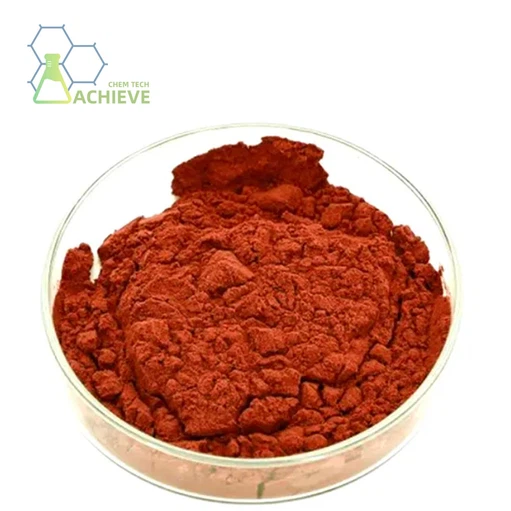
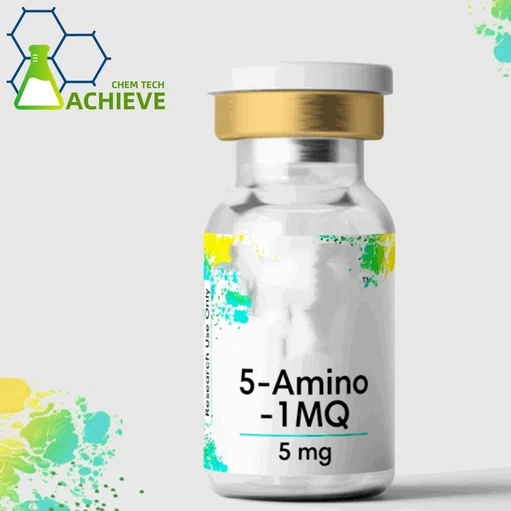
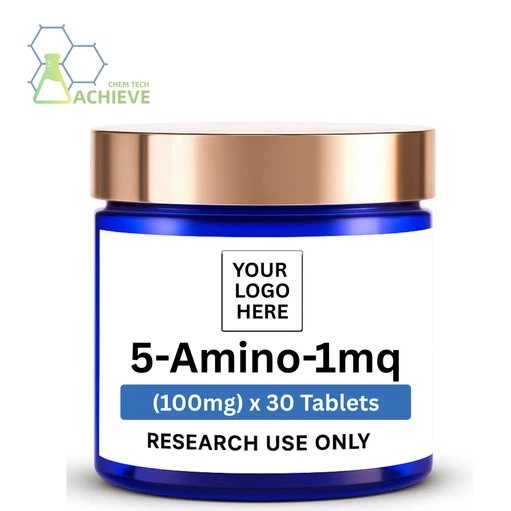
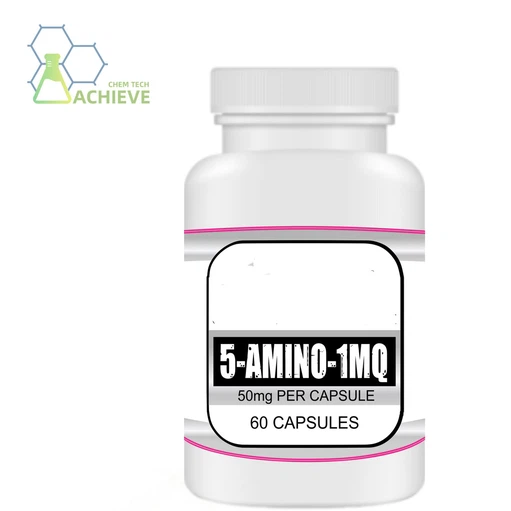
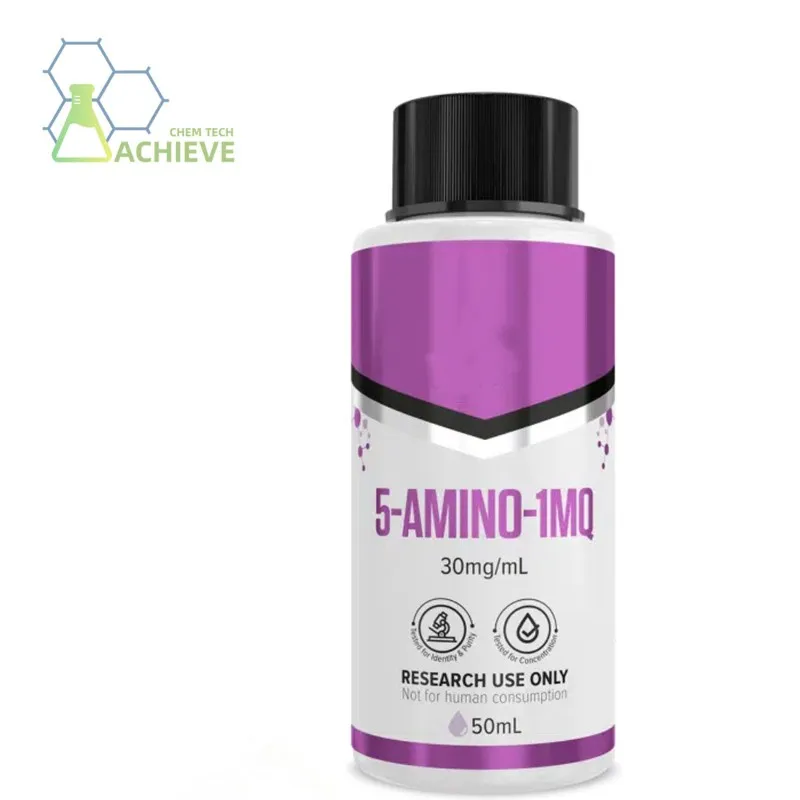
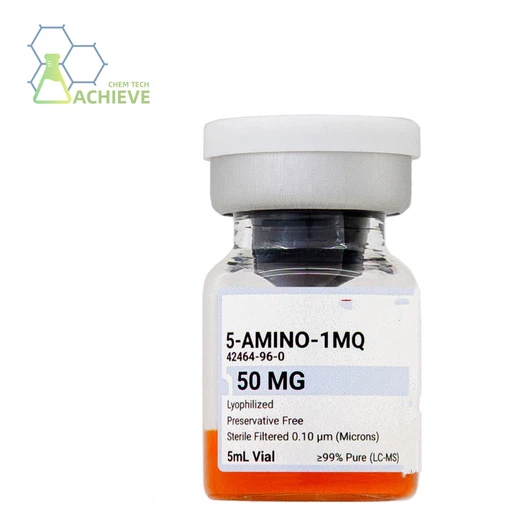
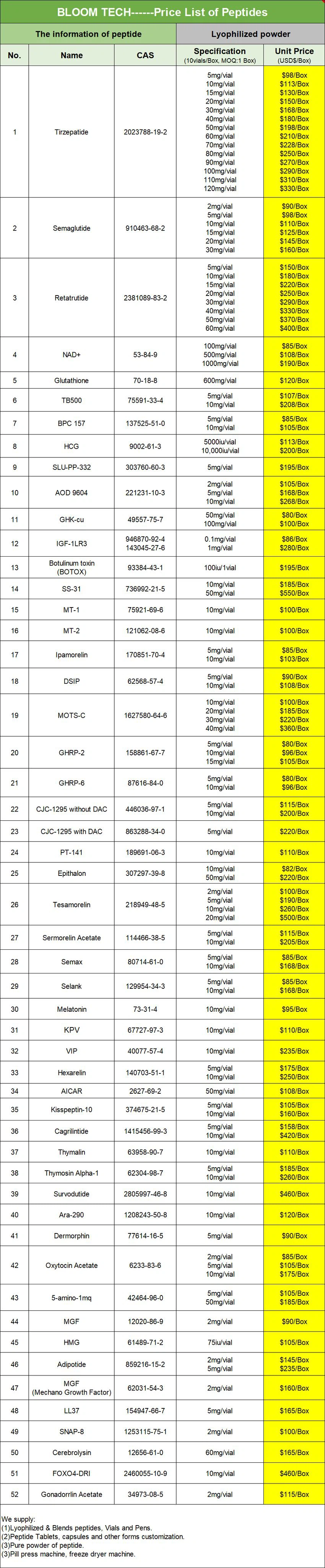
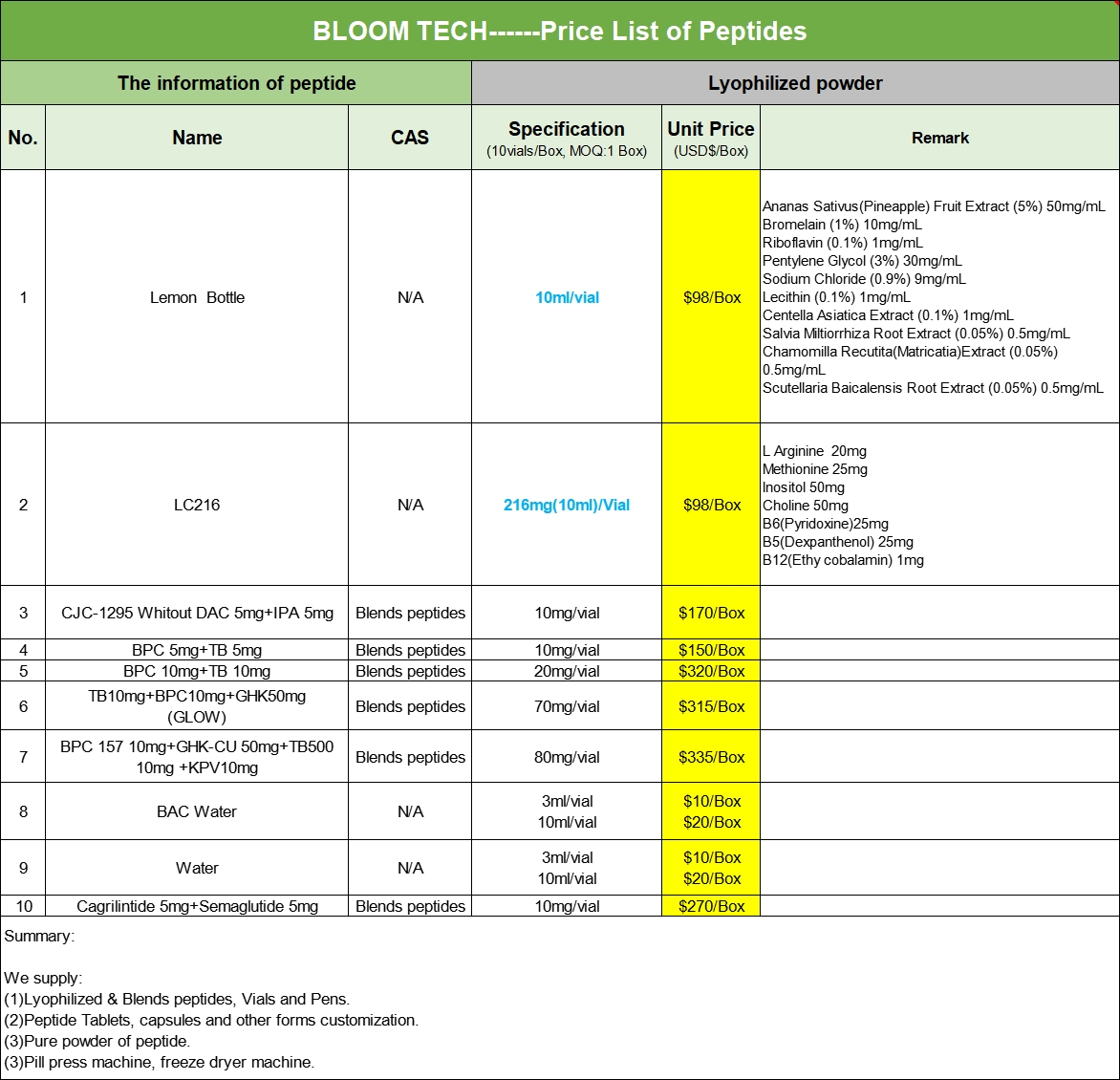

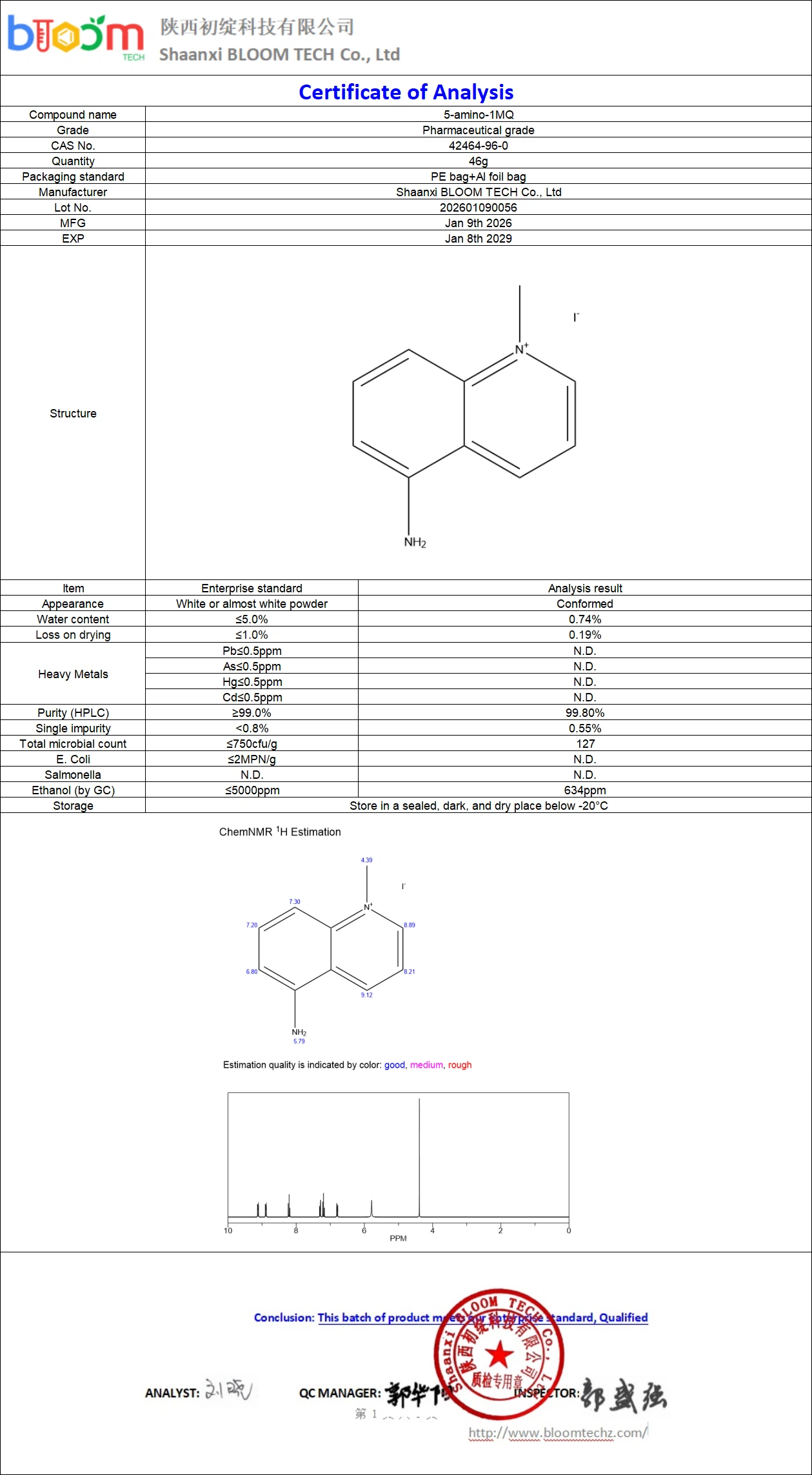
5-amino-1MQ COA

By selectively inhibiting NNMT activity, restoring intracellular NAD⁺ levels, and regulating related signaling pathways, 5-amino-1mq tablets show significant potential in research areas including myoblast development, muscle stem cell function regulation, muscle injury repair, and intervention for age-related muscle decline. They provide important support for mechanistic studies and potential therapeutic strategies for muscle-related diseases.
Applications in In Vitro Muscle‑Related Cell Research

In vitro cell experiments form the foundation of muscle health and regeneration research. When administered in vitro (dissolved and applied to cell culture systems), the product clearly promote myoblast differentiation and regulate muscle stem cell function, providing a solid theoretical basis for subsequent in vivo studies.
In myoblast differentiation research, myoblasts-precursors of muscle tissue-directly determine muscle growth and regeneration efficiency. Studies have shown that 5-amino-1mq significantly promotes the differentiation of cultured myoblasts and accelerates myotube formation.
Specifically, adding 5-amino-1mq (30 μM and above) to C2C12 myoblast cultures (a common in vitro myoblast model) markedly upregulates the expression of myogenic marker genes, including myosin heavy chain (MyHC), actin, and myogenin (MyoG). It drives the transition from proliferation to differentiation and increases the number and length of multinucleated myotubes in a dose‑dependent manner.The mechanism is mainly related to NNMT inhibition, restored NAD⁺ levels, and activation of the SIRT1‑PGC‑1α pathway.


Activated SIRT1 promotes PGC‑1α expression; as a key regulator of mitochondrial biogenesis, PGC‑1α enhances mitochondrial function in myoblasts, supplies sufficient energy for differentiation, and regulates the transcription of myogenic genes to accelerate myotube maturation. The in vitro application of the product helps researchers clarify the molecular mechanisms of myoblast differentiation and provides a tool for identifying potential targets to promote myogenesis.
In muscle stem cell regulation research, muscle stem cells (satellite cells) are central to post‑injury muscle regeneration. Their proliferation, activation, and fusion directly determine repair efficiency. With aging, muscle stem cell function gradually declines, showing reduced proliferation and fusion, leading to impaired regeneration-one of the key mechanisms underlying sarcopenia.In vitro experiments confirm that 5-amino-1mq significantly enhances the proliferation and fusion of muscle stem cells from aged mice.


Treatment with 5-amino-1mq upregulates proliferation‑related genes (Ki67, PCNA), promotes cell cycle progression, and improves cell fusion efficiency to form more multinucleated myotubes, achieving functional levels similar to those of young mice.Additionally, 5-amino-1mq inhibits muscle stem cell apoptosis, reduces oxidative stress damage, and maintains stemness. This offers a new strategy for the in vitro expansion and transplantation of muscle stem cells: pretreatment with 5-amino-1mq tablets can improve cell activity and survival, enhance regeneration after transplantation, and lay a foundation for cell therapy research for muscle injury.
Applications in In Vivo Muscle Regeneration Research
In vivo experiments are critical for verifying the effects of 5‑amino‑1mq on muscle regeneration. Numerous animal studies have confirmed that oral administration of 5‑amino‑1mq tablets effectively promotes regeneration after muscle injury and ameliorates age‑related muscle decline, providing reliable intervention strategies for in vivo studies of muscle‑related diseases.
In muscle injury model studies, muscle injury (such as trauma, exercise‑induced injury, or disease‑related damage) triggers a series of pathophysiological processes including myofiber rupture, inflammatory responses, and muscle stem cell activation.


5‑amino‑1mq tablets can regulate these processes and accelerate muscle repair.In a mouse tibialis anterior injury model, oral administration of 5‑amino‑1mq tablets at 10 mg/kg significantly increased the average cross‑sectional area (CSA) of injured myofibers by 1.5‑fold compared with the control group at 3 weeks post‑injury. Muscle contractile function was markedly restored, accompanied by significantly elevated proliferation activity and number of muscle stem cells, as well as upregulated expression of myogenic differentiation‑related genes.
The underlying mechanisms involve three aspects:
1. Promoting the activation and proliferation of muscle stem cells to provide sufficient cell sources for muscle regeneration.
2. Inhibiting excessive inflammation at the injury site, reducing further damage to myofibers by inflammatory factors, and creating a favorable microenvironment for muscle repair.
3. Accelerating the repair and regeneration of damaged myofibers, promoting myotube formation and maturation, and restoring muscle structure and function.
Furthermore, studies have shown that 5‑amino‑1mq exerts synergistic effects with exercise intervention on muscle injury repair, further enhancing regeneration efficiency and functional recovery, offering a new direction for exercise‑induced injury rehabilitation research.
In age‑related muscle decline research, sarcopenia is a common disorder in the elderly, characterized by reduced muscle mass, decreased muscle strength, and impaired muscle function, which severely affects quality of life.Animal experiments have confirmed that 5‑amino‑1mq tablets effectively improve muscle function and delay muscle decline in aged mice.


After 4 weeks of oral administration of 5‑amino‑1mq tablets (5–10 mg/kg) to aged mice (18–20 months old), muscle mass was significantly increased, grip strength was enhanced by approximately 40% compared with the control group, and muscle endurance and exercise capacity were also notably improved.Further studies revealed that 5‑amino‑1mq inhibits excessive NNMT activation in muscle tissue, restores NAD⁺ levels, activates the SIRT1 pathway, reduces muscle protein degradation, and promotes muscle protein synthesis, thereby maintaining muscle mass.

In addition, it improves mitochondrial function in aged muscle, reduces oxidative stress damage, delays senescence of muscle stem cells, and enhances their regenerative capacity, fundamentally slowing the progression of sarcopenia.These findings indicate that 5‑amino‑1mq tablets represent a promising potential intervention for age‑related muscle decline and provide important support for mechanistic and therapeutic research on sarcopenia.

The discovery of 5‑amino‑1mq (5‑amino‑1‑methylquinolinium) originated from intensive research into metabolic disorder regulation, centered on the inhibition of nicotinamide N‑methyltransferase (NNMT). Its history began with a breakthrough by a research team at the University of Texas, USA, in 2017.At that time, NNMT was recognized as a key enzyme in cellular metabolism and energy homeostasis, highly active in adipose tissue and closely linked to obesity, type 2 diabetes, and other metabolic diseases. Researchers hypothesized that blocking NNMT activity could represent a novel therapeutic approach, and 5‑amino‑1mq emerged as a major outcome of this effort.

In 2017, Neelakantan and colleagues first systematically characterized 5‑amino‑1mq during screening for selective NNMT inhibitors, with findings published in Biochemical Pharmacology - marking the official discovery and public reporting of the compound.Through structural modification of quinoline‑based precursors, the team identified 5‑amino‑1mq as a small, membrane‑permeable molecule with the chemical formula C₁₀H₁₁N₂⁺.With an extremely low IC₅₀ value, it became one of the most promising selective NNMT inhibitors available at the time, with high specificity and no significant inhibition of other metabolically relevant enzymes.
Early research focused primarily on metabolic regulation. The 2017 foundational studies confirmed that 5‑amino‑1mq reduces NAD⁺ consumption via NNMT inhibition, improves glucose clearance, and decreases fat accumulation.In subsequent years, the scope expanded: a 2021 study in obese mice validated its anti‑obesity effects, and 2024 research revealed improvements in muscle function in aged mice.To date, the compound remains in the preclinical research stage, with no large‑scale human clinical trials or FDA approval for human use. Nevertheless, it has become a widely used research tool in metabolic diseases and muscle health, laying a critical foundation for mechanistic and therapeutic exploration in related fields.

5-amino-1mq tablets are an oral dosage form of selective NNMT inhibitors. They are currently mainly used in scientific research and can be applied for health conditioning in some scenarios. Their usage must strictly follow dosage specifications, administration methods, and relevant precautions, balancing convenience and safety to ensure their effects on metabolic regulation and assisted body composition management.
These tablets are easy to take without professional operation, making them suitable for daily use. The core administration method is to swallow with warm water. Do not chew, crush, or split the tablets, as this may damage the tablet structure and affect drug absorption. The administration time can be chosen flexibly: the tablets can be taken on an empty stomach or with food. Taking on an empty stomach facilitates faster absorption, while taking with food may reduce mild gastrointestinal irritation. It is recommended to take the tablets at a fixed time every day to establish a routine and improve the stability of efficacy.
Dosage should be adjusted flexibly according to the purpose of use, following the principle of gradual increment.
For general scientific research and basic conditioning: 50–150 mg daily, divided into 1–3 doses.
For weight management and metabolic conditioning: 100–150 mg daily, in 1–2 divided doses.
First-time users or those with sensitive constitutions are recommended to start at 50 mg daily for 1–2 weeks to observe body tolerance. The dosage can be gradually increased if no discomfort occurs; do not increase the dosage without professional guidance. If a dose is missed, do not double the next dose; simply take the next regular dose to avoid discomfort caused by overdosage.
Special attention should also be paid to the usage cycle and storage. Generally, after 8–12 weeks of continuous use, a 4-week washout period is required to avoid tolerance from long-term continuous use. The tablets should be stored sealed, light-proof, in a cool and dry place, away from high temperature and humidity to prevent deterioration and loss of efficacy.
In addition, this product has not been approved by the FDA for human use. Human use must be conducted under the guidance of professionals. If mild discomfort such as insomnia occurs during use, discontinue use and adjust the dosage promptly to ensure safety.
FAQ
How long does it take to see results from 5 amino 1MQ?
+
-
Early Effects: Many patients notice initial changes-such as increased energy levels or a decrease in appetite-within the first 1–2 weeks of consistent use. Body Composition Changes: More significant changes, such as a reduction in body fat or noticeable weight loss, typically occur over a period of 4–8 weeks.
What is the difference between NAD+ and 5-amino-1MQ?
+
-
5-Amino-1MQ and NAD+ work synergistically to boost cellular energy, with 5-Amino-1MQ acting as a metabolic "mechanic" that inhibits the NNMT enzyme to prevent waste, while NAD+ acts as the fuel. 5-Amino-1MQ directly increases intracellular NAD+ levels, promoting fat loss and improved metabolism. HyperCharge Health +4
Hot Tags: 5-amino-1mq tablets, suppliers, manufacturers, factory, wholesale, buy, price, bulk, for sale