


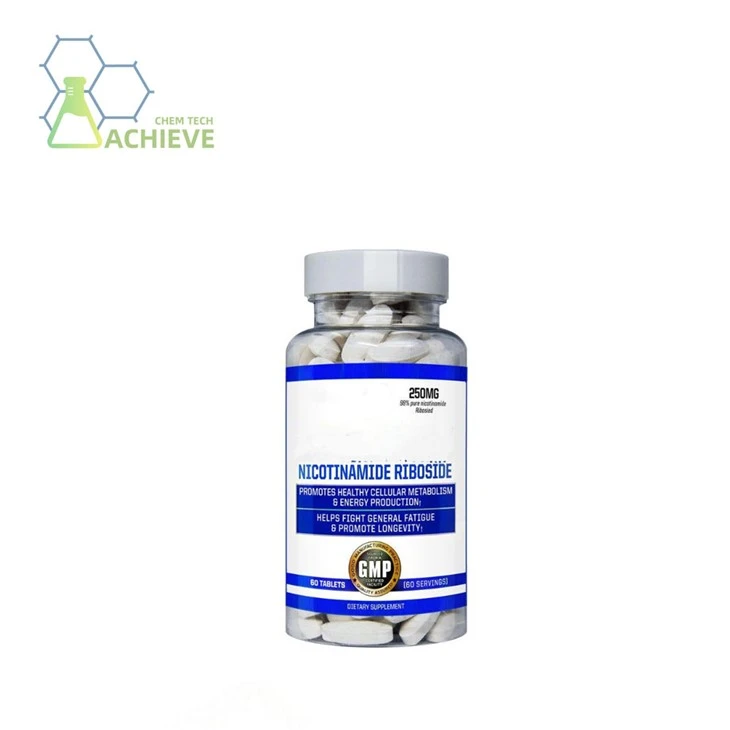

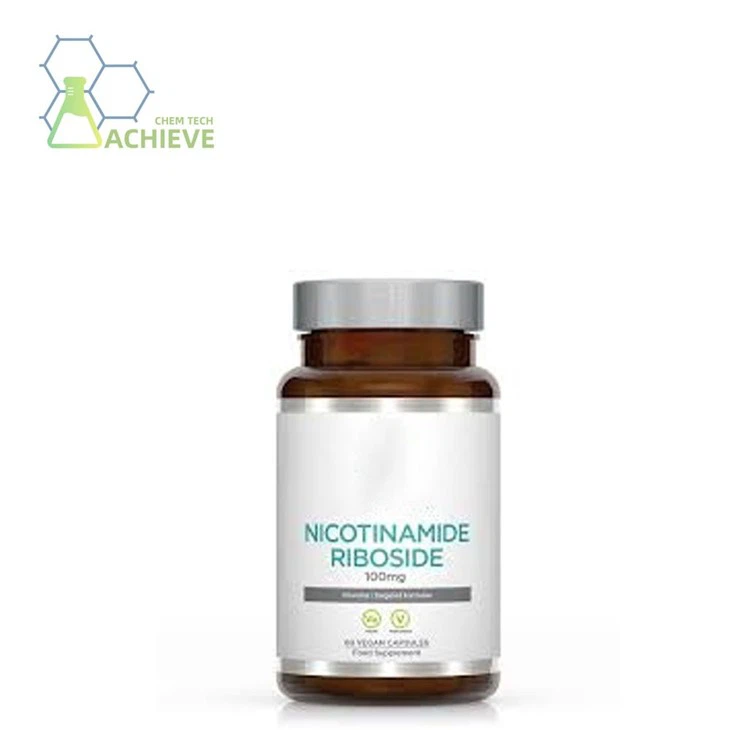


Shaanxi BLOOM Tech Co., Ltd. is one of the most experienced manufacturers and suppliers of nicotinamide riboside tablets in China. Welcome to wholesale bulk high quality nicotinamide riboside tablets for sale here from our factory. Good service and reasonable price are available.
Nicotinamide riboside tablets are a dietary supplement primarily composed of nicotinamide riboside (NR), aimed at increasing levels of nicotinamide adenine dinucleotide (NAD+) in the body by supplementing NR, thereby exerting various potential health benefits. It is converted into NAD+through a series of biochemical reactions in the body, and NAD+is a key coenzyme for cellular energy metabolism (such as tricarboxylic acid cycle, oxidative phosphorylation) and DNA repair. As age increases, NAD+levels naturally decrease, and supplementing with NR may help restore their levels. It can participate in mitochondrial function, supplementing NR may help improve energy production efficiency, alleviate fatigue, and enhance exercise endurance.
At the same time, our company not only provides pure powders, but also tablets and injections. If needed, please feel free to contact us at any time.
Our products form


Nicotinamide Riboside Chloride COA


Frontier Mechanisms Regulating Cell Death Modes
Core Regulatory Target: Boosting Cellular NAD⁺ Homeostasis
Nicotinamide riboside (NR) is a specific precursor of nicotinamide adenine dinucleotide (NAD⁺), an essential coenzyme in humans. Compared with conventional precursors such as niacin and nicotinamide, NR requires no complex metabolic transformation; it can be directly taken up and utilized by cells to efficiently elevate intracellular NAD⁺ reserves. As a core molecule governing cellular energy metabolism and signal transduction, disrupted NAD⁺ homeostasis constitutes a primary driver of aberrant cell death, tissue injury and metabolic disorders.


Under physiological conditions, cellular NAD⁺ levels maintain dynamic equilibrium to support normal DNA repair, mitochondrial function and redox reactions.Pathological stimuli including oxidative stress, lipid accumulation and drug toxicity accelerate NAD⁺ degradation, triggering intracellular NAD⁺ depletion and subsequently initiating abnormal cell death programs.Nicotinamide riboside tablets enters systemic circulation via intestinal absorption and accumulates preferentially in high-metabolic tissues such as the liver, kidney and myocardium. It sustains NAD⁺ replenishment, remodels cellular microenvironmental homeostasis, and modulates multiple programmed cell death pathways at the upstream level. NR represents a cutting-edge research hotspot in the field of cell fate regulation.
Molecular Mechanisms for Targeted Inhibition of Ferroptosis
Ferroptosis is a novel form of programmed cell death driven by iron ion dependence and lipid peroxide accumulation. Distinct from apoptosis and necrosis, it acts as a central pathological mechanism underlying metabolic organ injury and oxidative stress damage, and serves as a pivotal frontier pathway through which NR regulates cell death. Recent advanced research confirms that NR comprehensively suppresses ferroptosis via NAD⁺-dependent signaling cascades to alleviate multi-organ injury.


In models of chemotherapeutic toxicity, doxorubicin induces iron overload in hepatic and renal cells, activates lipid peroxidation chain reactions and provokes severe ferroptotic damage.NR pretreatment markedly elevates intracellular NAD⁺ concentrations and activates the SIRT3-mediated mitochondrial antioxidant pathway. On one hand, NR upregulates the expression and activity of glutathione peroxidase 4 (GPX4). As a critical suppressor of ferroptosis, GPX4 directly degrades intracellular lipid peroxides and blocks oxidative damage cascades.
On the other hand, NR modulates ferroportin expression to reduce intracellular free iron accumulation and lower the concentration of core substrates required for ferroptosis initiation. Meanwhile, NR restrains excessive reactive oxygen species (ROS) generation, mitigates mitochondrial membrane damage, sustains cellular redox balance, and effectively halts ferroptosis-mediated cellular necrosis and inflammatory tissue injury.
Mechanisms Regulating the Balance between Apoptosis and Autophagy
Imbalanced apoptosis and autophagy are prominent pathological hallmarks of chronic metabolic diseases and aging-related disorders.


NR precisely tunes the dynamic equilibrium of these two cell death modalities through the NAD⁺-SIRT1 signaling axis to exert cytoprotective effects. Under pathological stress, the apoptotic pathway becomes overactivated, accompanied by elevated expression of pro-apoptotic proteins Bax and Caspase-3, resulting in excessive loss of functional cells.NR supplementation activates SIRT1 deacetylase, selectively inhibits acetylation modification of key apoptotic mediators, downregulates pro-apoptotic gene expression, reduces programmed apoptosis of intact cells and preserves normal tissue function.
Simultaneously, NR moderately activates cytoprotective autophagy. By upregulating PGC-1α-mediated mitochondrial biogenesis, it facilitates selective autophagic clearance of impaired mitochondria and alleviates cytotoxicity caused by accumulated damaged organelles. Notably, NR exerts bidirectional specific regulation over autophagy, avoiding autophagic cell death induced by excessive autophagy activation. Ultimately, it achieves precise modulation: inhibiting detrimental apoptosis while activating protective autophagy, maintaining dynamic balance between cell survival and lesion repair.


Blockade of Inflammatory Pyroptosis Pathway
Pyroptosis refers to inflammation-mediated programmed cell death, characterized by cell membrane rupture and massive release of inflammatory cytokines. It is a key trigger of chronic tissue inflammation stemming from metabolic dysfunction. Cutting-edge studies reveal that NR suppresses pyroptosis activation via modulating the TLR4-NF-κB pathway.
Excessive lipid deposition and oxidative stress activate TLR4 receptors, launch the NF-κB inflammatory signaling cascade, induce activation of pyroptosis-related protein Gasdermin D, and trigger pyroptosis alongside inflammatory storms.By elevating NAD⁺ levels, NR stabilizes PARP-1 activity, inhibits aberrant activation of the TLR4-NF-κB axis, curtails secretion of inflammatory factors IL-6 and TNF-α, and blocks pyroptosis initiation. This mechanism identifies a novel therapeutic target of NR in metabolic inflammatory disorders, providing new theoretical support for interventions against obesity-associated nephropathy, non-alcoholic fatty liver disease and related conditions.

Mechanisms of Lipid Metabolism Regulation and Lipotoxicity Inhibition

Metabolic Remodeling Mechanism Governing Lipid Anabolism and Catabolism
Disordered lipid metabolism constitutes the root cause of lipotoxic injury, manifested as enhanced lipogenesis and impaired fatty acid oxidation, leading to abnormal accumulation of triglycerides and saturated fatty acids in hepatocytes, renal tubular cells and cardiomyocytes. Nicotinamide riboside tablets remodels cellular lipid metabolism via NAD⁺-dependent pathways, shifting lipid homeostasis from "synthetic accumulation" toward "catabolic consumption".
NR activates the SIRT1/PGC-1α signaling axis, upregulates key enzymes for mitochondrial fatty acid oxidation, promotes oxidative breakdown of long-chain saturated fatty acids and reduces intracellular lipid buildup. Meanwhile, NR significantly inhibits abnormal activation of mTORC1, a master regulator of lipogenesis, suppresses the activity of fatty acid synthase and acetyl-CoA carboxylase, and diminishes endogenous lipid synthesis. In high-fat diet-induced metabolic models, NR intervention markedly reduces toxic lipids including triglycerides and palmitic acid in tissues, relieves cellular metabolic arrest arising from excessive lipid deposition and improves cellular energy metabolic efficiency.


Targeted Alleviation of Palmitate-Mediated Hepatocellular Lipotoxic Injury
The saturated fatty acid palmitate is the primary lipotoxic mediator. Its excessive accumulation provokes hepatocellular metabolic disturbance, oxidative stress and cell death, representing a core pathological driver of non-alcoholic fatty liver disease. Latest research validates that NR specifically inhibits palmitate-triggered lipotoxicity through the PARP-1/mTORC1-p300 pathway.Excessive palmitate exposure substantially downregulates hepatocellular PARP-1 expression and suppresses its enzymatic activity, which further activates the mTORC1-p300 signaling cascade and exacerbates lipid deposition and cellular damage.
NR supplementation reverses palmitate-mediated PARP-1 inhibition by raising intracellular NAD⁺ reserves and restores normal PARP-1 function. Activated PARP-1 effectively impedes aberrant mTORC1 signaling, mitigates disrupted p300-dependent protein acetylation, reduces lipotoxic buildup, lowers the release rate of lactate dehydrogenase in hepatocytes, and prominently alleviates lipotoxic cell injury and death. This mechanism clarifies the core linkage between NAD⁺ homeostasis and lipotoxicity regulation and completes the molecular basis of NR intervention for metabolic liver diseases.


Improvement of Organelle Function to Resist Lipotoxic Stress
Lipotoxicity induces mitochondrial dysfunction and endoplasmic reticulum (ER) stress, forming a vicious cycle: lipid accumulation → organelle damage → metabolic disturbance, which aggravates cellular injury. NR protects organelle function through multiple routes to interrupt this lipotoxic cycle.At the mitochondrial level, NR activates the SIRT3-dependent mitochondrial antioxidant system, curbs lipotoxicity-induced excess ROS production, stabilizes mitochondrial membrane potential, ensures regular ATP synthesis, and repairs lipid stress-triggered mitochondrial structural lesions.
At the ER level, NR alleviates lipid overload-induced ER stress, downregulates expression of signature ER stress proteins and reduces stress-mediated apoptosis. Furthermore, NR modulates the expression of lipid transporter CD36 to limit excessive cellular uptake of free fatty acids, lowering lipotoxic substrate accumulation at the source and comprehensively enhancing cellular tolerance to lipid stress.


Inhibition of Metabolic Inflammation to Block Progressive Lipotoxic Damage
Lipotoxic injury elicits chronic low-grade inflammation, and inflammatory responses in turn worsen lipid metabolic disorders, creating a vicious cycle that drives progression from simple lipid deposition to steatohepatitis, renal injury and myocardial damage. NR interrupts this pathological cascade via NAD⁺-dependent anti-inflammatory mechanisms. It suppresses the TLR4-NF-κB inflammatory pathway, reduces lipotoxicity-stimulated cytokine release and attenuates local inflammatory infiltration in tissues.
Concurrently, NR regulates macrophage polarization, inhibits pro-inflammatory macrophage activation, facilitates the formation of anti-inflammatory microenvironments and alleviates chronic lipotoxic inflammatory injury. In obesity-induced chronic nephropathy models, NR intervention significantly ameliorates renal lipid deposition and inflammatory lesions and preserves renal function, confirming its capacity to achieve long-term suppression of lipotoxic injury by targeting the crosstalk between lipid metabolism and inflammation.


Adjuvant Intervention for Retinal Degenerative Injury

In the field of retinal disorders, nicotinamide riboside tablets can targetedly ameliorate metabolic disturbance in retinal pigment epithelial cells, suppress lipid peroxidation and inflammatory injury, and relieve retinal oxidative damage triggered by blue light exposure and aging. By activating the antioxidant pathways of the SIRT family, NR eliminates excess intraocular reactive oxygen species (ROS), stabilizes normal metabolic function of retinal cells and reduces aberrant cell death, conferring potential intervention value against age-related retinal degenerative diseases.
Furthermore, NR improves ocular microcirculation and mitigates chronic low-grade inflammation in eye tissues, alleviating symptoms such as dry eyes and blurred vision caused by visual fatigue. It delivers dual effects of ocular protection and lesion repair, representing a novel promising agent for ophthalmic health care and adjuvant treatment of fundus disorders.

Prevention and Control of Glaucoma and Optic Nerve Protection

With its capacities to regulate NAD⁺ homeostasis as well as antioxidant and anti-inflammatory properties, the product have become a cutting-edge research target for the intervention of ocular metabolic diseases, with core applications focused on glaucoma prevention and management. Clinical and preclinical studies have verified that NR can elevate NAD⁺ levels in intraocular tissues, repair mitochondrial damage in trabecular meshwork cells, reduce abnormal extracellular matrix deposition, improve aqueous humor outflow, and effectively alleviate abnormal elevation of intraocular pressure caused by steroid-induced glaucoma and ocular hypertension.
Meanwhile, NR suppresses ocular oxidative stress and inflammatory responses, reduces the incidence of ferroptosis and apoptosis in retinal neurons, and delays degenerative optic nerve injury induced by high intraocular pressure. Long-term oral administration of NR can significantly lower the risk of progression from ocular hypertension to primary open-angle glaucoma. It overcomes the drawback of traditional intraocular pressure-lowering agents that lack optic neuroprotective effects, achieving dual intervention combining intraocular pressure reduction and neuroprotection.


The core chemical synthesis adopts a two-step synthetic route utilizing high-purity nicotinamide and fully protected ribose derivatives as primary raw materials, featuring mild reaction conditions and high product selectivity.
The first step is condensation. 1-chloro-2,3,5-tri-O-benzoyl-β-D-ribose serves as the ribosyl donor, and trimethylsilyl trifluoromethanesulfonate (TMSOTf) acts as the catalyst.Stereoselective condensation occurs with silylated nicotinamide in anhydrous inert organic solvents. Steric hindrance from protecting groups directs selective formation of the β-configured intermediate, efficiently avoiding α-anomer byproducts and guaranteeing stereochemical purity of the product.
The second step involves deprotection and purification. The condensed intermediate is dissolved in methanol, and ammonolysis proceeds under low-temperature alkaline conditions to simultaneously remove benzoyl protecting groups and accomplish ester amidation.
The reaction temperature is maintained at approximately 0 °C with a reaction duration of 15–18 hours to maximally preserve product activity.Upon reaction completion, vacuum concentration, recrystallization and reversed-phase column chromatography are performed to eliminate residual starting materials and byproducts, yielding final β-nicotinamide riboside with purity ≥99.5%.
FAQ
What is nicotinamide riboside used for?
+
-
By raising NAD+ levels across, NR may help address some of the key drivers of aging and support whole-body vitality. Supports Healthy Aging: As we age, NAD+ levels naturally decline in tissues such as the brain, skin, and muscles.
Which is better, nicotinamide riboside or NAD+?
+
-
Research shows nicotinamide riboside supplements safely boost NAD+ levels in middle-aged and older adults. NR works better than NMN (another common precursor) at increasing NAD+ levels because cells absorb it more efficiently.
Hot Tags: nicotinamide riboside tablets, suppliers, manufacturers, factory, wholesale, buy, price, bulk, for sale