



Shaanxi BLOOM Tech Co., Ltd. is one of the most experienced manufacturers and suppliers of chlormequat chloride powder cas 999-81-5 in China. Welcome to wholesale bulk high quality chlormequat chloride powder cas 999-81-5 for sale here from our factory. Good service and reasonable price are available.
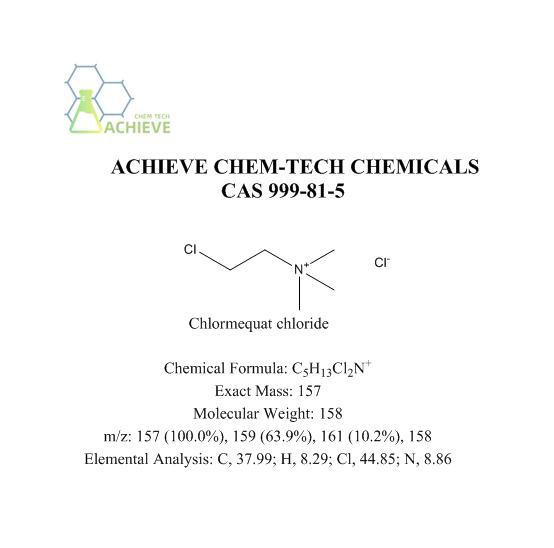
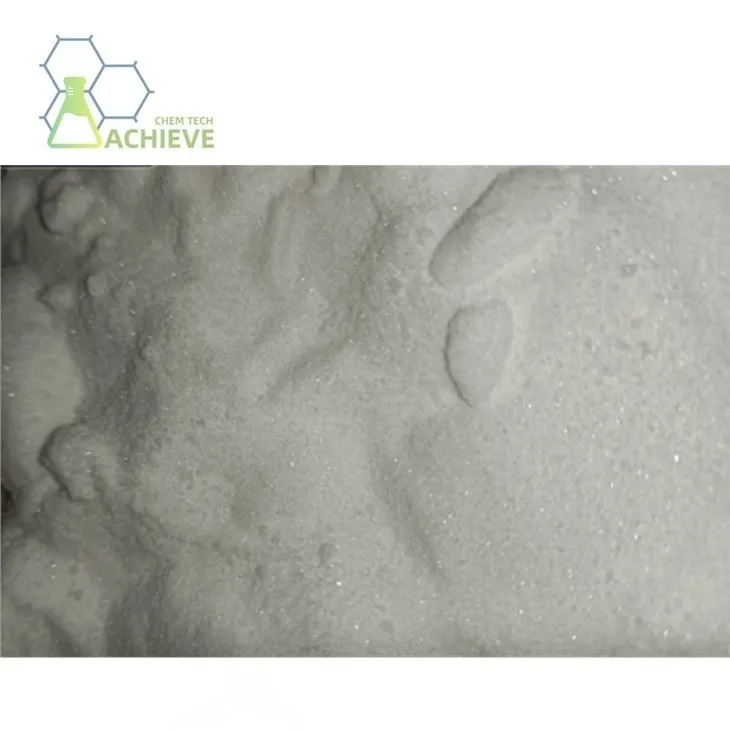
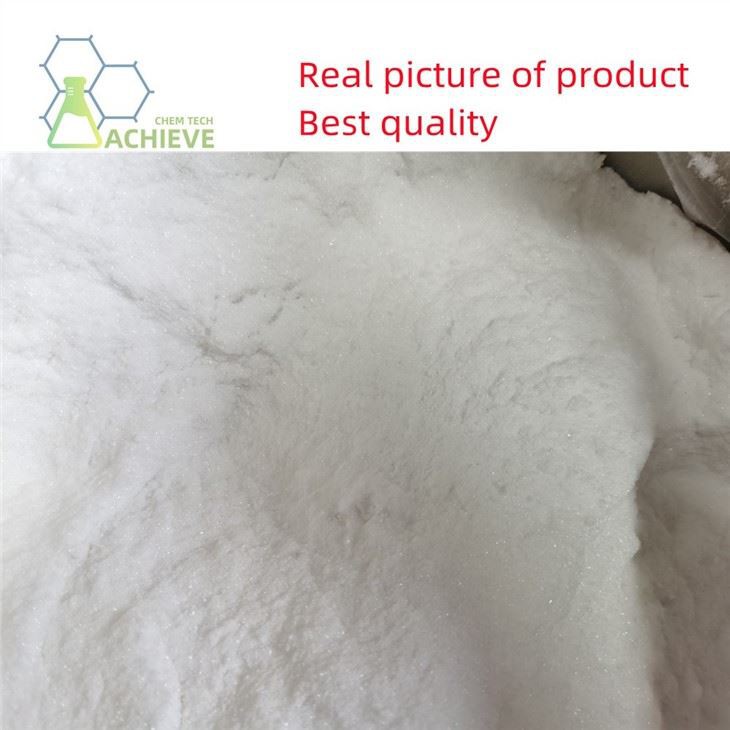
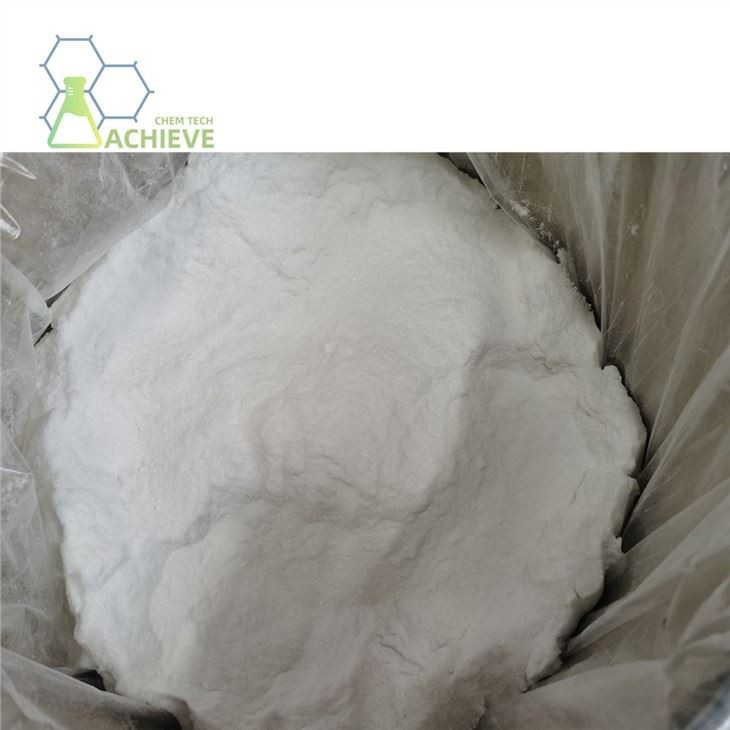
Chlormequat chloride powder is a quaternary ammonium salt plant growth regulator. CAS 999-81-5, The chemical formula is C5H13Cl2N. The appearance is white crystals with a fishy smell and is easily deliquescent. Melting point 245 ℃ (partially decomposed). Easy to dissolve in water, the concentration of saturated aqueous solution at room temperature can reach about 80%. Insoluble in benzene, xylene, anhydrous ethanol, soluble in propanol. Stable in neutral or slightly acidic media, and thermally decomposed in alkaline media. It is an excellent plan growth regulator that can be used for crops such as wheat, rice, cotton, tobacco, corn, tomatoes, etc. It can inhibit crop cell elongation but not cell division. It can make plans shorter, stems thicker, leaves blue-green, enhance crop drought and flood resistance, prevent crop overgrowth and lodging, resist salt and alkali, prevent cotton fruit drop, and increase potato tuber size.

|
Chemical Formula |
C5H13Cl2N+ |
|
Exact Mass |
157 |
|
Molecular Weight |
158 |
|
m/z |
157 (100.0%), 159 (63.9%), 161 (10.2%), 158 |
|
Elemental Analysis |
C, 37.99; H, 8.29; Cl, 44.85; N, 8.86 |
|
|
|


Trimethylamine is a weak base, and dichloroethane can be considered as a weak acid. The two react easily to produce chlormequat. The reaction was carried out at 105 ~ 110 ℃ and 0.24 ~ 0.322mpa. Due to the exothermic reaction, the temperature rises to 50 ℃ after the feeding is completed, stop heating, and let the reaction heat up by itself. The heating rate of the chemicalbook is 8 ~ 10 ℃ per hour, reaching 110 ℃ within about 8h, and then keep the temperature for 2h. The ratio of raw materials is 1:3.4 (mol), dichloroethane is excessive, and it needs to be distilled and recovered after the reaction. The end-point temperature of distillation is 120 ~ 125 ℃. In the reaction, excessive dichloroethane acts as a solvent, and toluene can also be used as a solvent.

The effect of this growth regulator is just opposite to that of gibberellin. Chlormequat chloride powder is an antagonist of gibberellin, and its physiological function is to control the vegetative growth of plans (that is, the growth of roots, stems and leaves).
When pepper and potato begin to have the trend of overgrowth, during the budding to flowering period, potatoes can control ground growth and promote yield by spraying leaves with 1600-2500 mg / L of chlormequat, and pepper can control overgrowth and improve fruit setting rate by spraying stems and leaves with 20-25 mg / L of chlormequat.
Bolting and flowering can be effectively controlled by spraying chlormequat solution with a concentration of 4000-5000 mg / L at the growth points of cabbage (Lotus white) and celery.
Spraying the soil surface with 50 mg / L chlormequat at the seedling stage of tomato can make the tomato plant compact and blossom early. If there is overgrowth after tomato planting and transplanting, 500 mg / L chlormequat diluent can be used to pour 100-150 ml per plant, and the effect will be shown in 5-7 days. After 20-30 days, the effect will disappear and return to normal.

Dwarf growth regulator (CCC) is a quaternary ammonium salt plant growth regulator with broad-spectrum and low toxicity characteristics. As an antagonist of gibberellin, it inhibits the synthesis of gibberellin in plants, thereby suppressing cell elongation but not cell division, and has wide applications in the field of plant growth.
(1) Improve fruit setting rate
Dwarf hormone can control the nutritional growth of plans, allocate more nutrients to reproductive growth, and thus improve the fruit setting rate of plants. During the early flowering stage of tomatoes, spraying the leaves with 500-1000mg/L dwarfing agent can effectively control the vigorous growth of plans, promote reproductive growth, and increase the fruit setting rate of tomatoes. When chili peppers have a tendency to grow excessively, spraying 20-25mg/L of dwarfing agent on stems and leaves during the early flowering stage can inhibit stem and leaf growth, make plans shorter and thicker, and increase leaf color, thereby improving fruit setting rate.
(2) Regulating crop growth
Dwarf hormone has a regulatory effect on crop growth, which can promote tillering, increase ears and yield. During the growth process of wheat, the use of dwarfism resulted in an increase in chlorophyll content, darker green leaves, enhanced photosynthesis, thicker leaves, and developed root systems. Spraying 0.15% -0.25% liquid medicine during the early tillering stage of wheat can make the seedlings shorter and healthier, increase tillering, and increase yield by about 20%. On corn, soaking the seeds 80-100 times diluted with 50% water for 6 hours, and then sowing after shade drying can make the plans short and strong, with developed roots, low stem position, no bald spots, large ears and full grains, and significantly increase yield.

Inhibit excessive plant growth and prevent lodging
(1) Obstructing the synthesis of gibberellin
Dwarfisin inhibits the biosynthesis of endogenous gibberellins, delays cell elongation, causes plan dwarfism, thick stems, and shortened internodes, effectively preventing plan overgrowth and lodging. Spraying dwarfing agent at the end of tillering and the beginning of jointing in wheat can effectively inhibit the elongation between 1-3 joints in the lower part of the stem, which is extremely beneficial for preventing wheat lodging. Chlormequat chloride powder is advisable to spread 6-13 leaves of corn, especially 8-13 leaves, for the best effect. Timely spraying of dwarfing agent for chemical control can not only make the corn stem tough, the root system developed, and the lodging resistance enhanced, but also deepen the leaf color, thicken the leaves, increase the chlorophyll content, and enhance photosynthesis. Generally, it can reduce the plan height by 10-15 centimeters, the ear position by 10-12 centimeters, shorten the internodes, and shape an ideal high-yield plan shape with good ventilation and light transmission.
(2) Methods to relieve inhibition
The inhibitory effect of dwarfism on internode elongation can be relieved by external application of gibberellin. In practical applications, if excessive use of dwarfism or excessive inhibition of plan growth is found, external application of gibberellin can alleviate this inhibitory effect and restore normal plan growth.
(1) Improve drought resistance
Dwarfism can increase the water absorption capacity of roots, reduce transpiration rate, and thus enhance the drought resistance of plants. When the soil fertility conditions are good and the plans have a tendency to grow excessively, the use of dwarfism is more effective. For example, after using dwarfism on wheat, its ability to resist drought is enhanced due to reduced transpiration under drought conditions. When chili peppers and potatoes begin to show a tendency towards excessive growth, spraying 1600-2500 milligrams/liter of dwarfing agent on the leaves of potatoes during the budding to flowering period can control ground growth and promote yield increase, while also improving drought resistance.
(2) Enhance other resilience
Dwarfism can also enhance the cold resistance, salt alkali resistance, and disease resistance of plans. Spraying 10000 mg/kg dwarfing agent solution on pear trees in spring can improve their cold resistance during the peak flowering period of the following year. Watering tomatoes with a 200mg/kg dwarfing agent solution, 50mg per plan, can enhance their resistance to Verticillium wilt. Dwarfism can also enhance the resistance of kidney bean seedlings to stem rot disease and inhibit the spread of sweet potato soft rot disease.

Specific applications on various crops

(1) Grain crops
Wheat: Dwarf hormone is widely used in wheat. Seed soaking, seed mixing, and spraying can be used. Soak the seeds in a 0.3% -0.5% solution for 6 hours, with a ratio of 1:0.8 between the solution and the seeds. For seed mixing, spray 2% -3% solution onto the seeds and let them sit for 12 hours before sowing. This can make the seedlings strong, the roots developed, the tillers increased, and the yield increased by about 12%. Spraying 0.15% -0.25% liquid medicine during the early tillering stage can make wheat seedlings shorter and healthier, increase tillering, and increase yield by about 20%.
Rice: In the early stage of rice jointing, spray 50-100 grams of 50% water solution per acre with 50 kilograms of water on the stems and leaves to make the plants shorter and stronger, prevent lodging, and increase yield. When the temperature of rice seeds exceeds 40 ℃ for more than 12 hours, rinse them with clean water first, then soak the seeds in 250mg/L liquid medicine for 48 hours. The liquid medicine should submerge the seeds as much as possible. After cleaning the liquid medicine, germinate at a temperature below 30 ℃ to partially relieve the damage caused by "seed overheating".
Corn: Dilute the seeds 80-100 times with 50% water and soak them for 6 hours. It is advisable to submerge the seeds with the solution. Sow them after shade drying, which can make the plans short and strong, with developed roots, low stem position, no bald spots, large ears and full grains, and significantly increase yield. It is advisable to spread 6-13 leaves of corn, especially 8-13 leaves. Spraying 30-50 kg/mu of liquid at a concentration of 1000-3000mg/L 3-5 days before jointing can shorten the internodes, lower the ear position, resist lodging, make the leaves short and wide, enhance photosynthesis, reduce baldness, increase thousand grain weight, and ultimately achieve yield increase.
Sorghum: Soak the seeds in 25-40mg/L liquid medicine for 12 hours, with a ratio of 1:0.8 between the liquid medicine and the seeds. After drying, sow the seeds, which can make the plans shorter and stronger, and significantly increase yield. After sowing for about 35 days, spraying 500-2000mg/L of liquid medicine at a rate of 50kg per mu can make the plans dwarf, the stems thick, the leaves dark green, the leaves thickened, resistant to lodging, increase spike weight, thousand grain weight, and increase yield.


(2) Vegetable crops
Tomatoes: Spraying 50mg/L dwarfing agent on the soil surface during tomato seedling stage can make the tomato plan compact and bloom earlier. If excessive growth is found after tomato planting and transplanting, a diluted solution of 500mg/L dwarfing hormone can be applied at a rate of 100-150ml per plan. The effect will be displayed within 5-7 days, and chlormequat chloride powder will disappear after 20-30 days, returning to normal.
Cucumber: Spraying 100-500mg/L liquid medicine on the leaf surface when 3-4 true leaves are open can dwarf the plan; Spraying 50-100mg/L of liquid medicine when 14-15 leaves are open can promote fruit setting and increase yield.
Chili pepper: When chili peppers and potatoes begin to show a tendency towards excessive growth, spraying stems and leaves with 20-25 milligrams/liter of dwarfing agent during the bud to flowering period can control excessive growth and increase fruit setting rate.
Potatoes: Spraying the leaves with 1600-2500 milligrams/liter of dwarfing agent during the budding to flowering period can control ground growth and promote yield increase.
Hot Tags: chlormequat chloride powder cas 999-81-5, suppliers, manufacturers, factory, wholesale, buy, price, bulk, for sale, spermidine powder, s allyl l cysteine, Pamoic acid, 5 hydroxymethylfurfural synthesis, Hinokitiol powder